
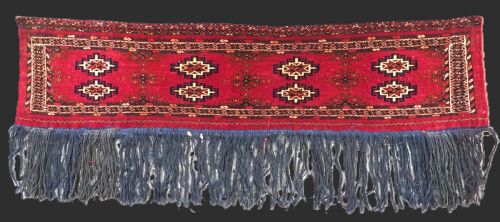


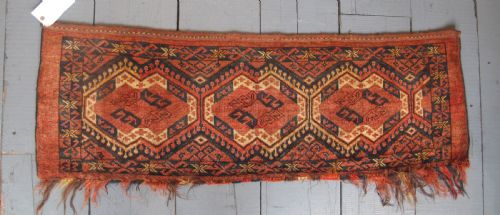
Handwoven Wool Torba Bag
A handwoven wool torba bag is a tribal Turkmen textile piece designed for nomadic storage, prized for its intricate geometric guls and rich natural dyes.
Handwoven Wool Torba Bag
When you examine a handwoven wool torba bag, you are looking at utilitarian nomadic art produced across Central Asia during the late nineteenth and early twentieth centuries. These pieces served as storage sacks or trapping bags within tribal tents, frequently woven as dowry items by Turkmen weavers.
You are most likely to encounter torba faces alongside complete examples featuring plain weave backs or flatweave structures. The selection spans distinct tribal traditions including Tekke, Saryk, Yomut, and Ersari designs, dating from around eighteen seventy to nineteen ten.
The format varies from compact panels to larger storage bags displaying traditional medallion patterns such as salor guls, kepse guls, and kedjebe motifs. Each textile reflects the specific tribal identity and weaving conventions of its maker.
How they were made
The construction relies fundamentally on hand-spun wool manipulated through careful weaving techniques to create dense, durable textile structures. Artisans utilised natural dyes to achieve deep colour palettes that define the visual character of these tribal bags.
Individual pieces demonstrate varying degrees of structural complexity, ranging from very fine weave dowry pieces to banded flatweave designs. Many survive as singular bag faces, while others retain their original plain weave backs used for domestic storage.
The listings span from eighteen seventy to nineteen ten, featuring wool, hand-spun wool, and natural dyes across tribal designs.
What varies in quality
The distinction between average examples and superior pieces rests upon the density and precision of the weave. Extremely fine knotting and tight construction indicate high-status dowry weaving executed by skilled hands.
Artistic execution also separates individual works, particularly the clarity of complex gul arrangements and the successful application of natural dyes. Pieces exhibiting unusual design variants or complete original backs hold particular interest for collectors.
Tekke Turkmen·Saryk Turkmen·Yomut Turkmen·Ersari Turkmen
The Handwoven Wool Torba Bag Glossary
- Gul
- A primary medallion motif characteristic of Turkmen carpet and textile design. These repeating octagonal or gabled forms often identify the specific tribe that wove the piece.
- Torba
- A small tribal storage bag used in nomadic households for holding possessions. They were traditionally hung inside a tent or utilised during transport.
- Mafrash
- A rectangular storage bag or compartment piece used for bedding and household goods. These items frequently share structural and decorative traits with torbas.
- Flatweave
- A textile constructed without pile by interlacing warp and weft threads directly. This technique produces a smooth, thinner fabric often seen in banded designs.
- Natural Dyes
- Colourants derived from plant, insect, or mineral sources rather than synthetic chemicals. They produce the characteristic rich tones observed in antique tribal wool.
Handwoven Wool Torba Bag: Frequently Asked Questions
What is a torba bag used for?
These bags functioned as practical storage containers inside nomadic tents, holding smaller household possessions or personal items. They also formed part of traditional dowry displays.
Over time, their role shifted from utilitarian objects to collected examples of tribal textile art, appreciated for their intricate geometry and cultural history.
How do I identify a Tekke torba?
Tekke pieces frequently feature repeating rows of octagonal gul medallions rendered in precise, fine knotting. They often include characteristic border systems and balanced secondary motifs.
Comparing the specific medallion geometry and colour distribution helps distinguish them from Saryk or Yomut counterparts.
Why do some torbas lack backs?
Many surviving examples are torba faces because the decorative front panel was preserved after the plain weave back deteriorated or was removed. Complete pieces retain both the face and the original wool back.
Both complete bags and isolated faces represent authentic nomadic weaving traditions from the period.
How should I display a textile?
These wool textiles can be mounted securely on a padded backing or displayed flat away from direct sunlight. Protecting them from excessive light preserves the natural dyes.
Regular gentle dusting and careful handling ensure the hand-spun wool and structure remain stable over time.