
Brown Wooden Walking Stick
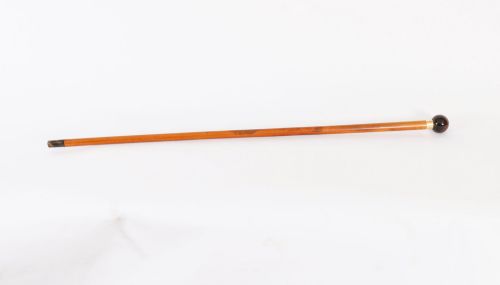
A brown wooden walking stick carries the weight of past centuries, combining practicality with personal style.
Brown Wooden Walking Stick
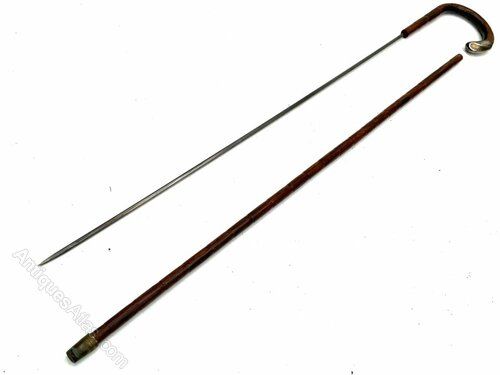
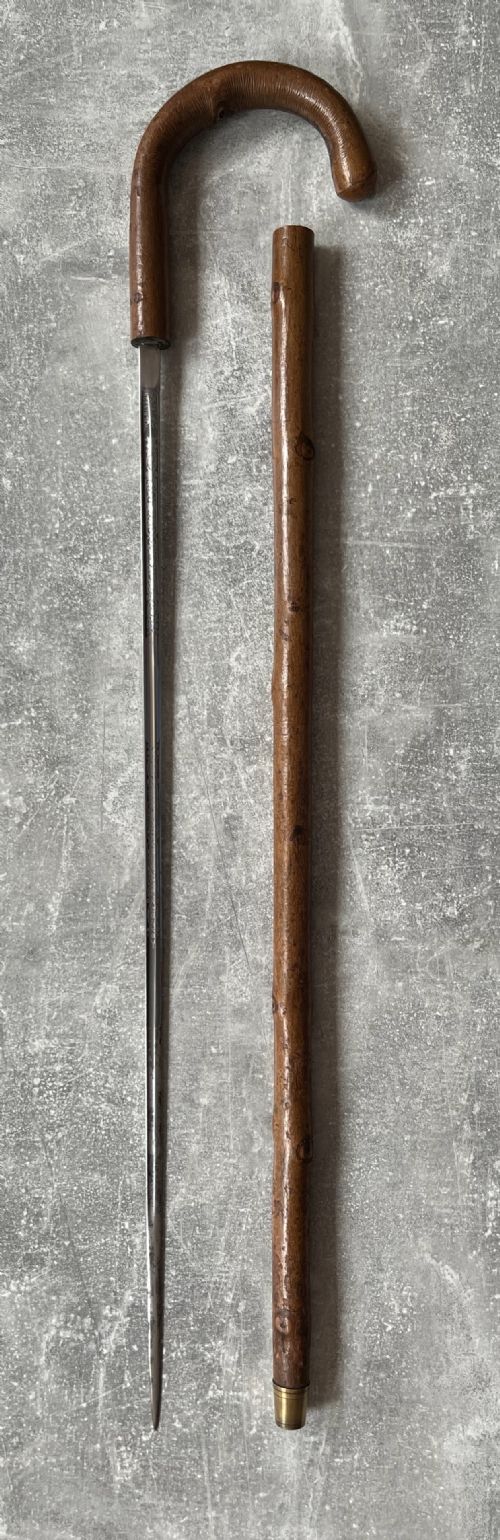
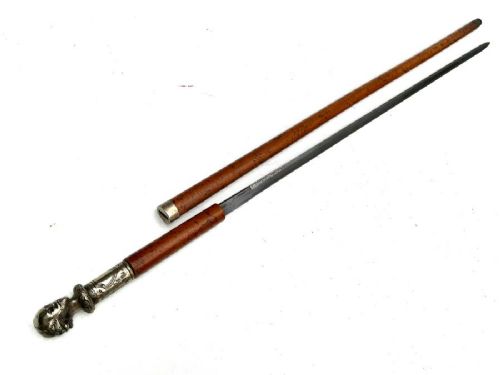
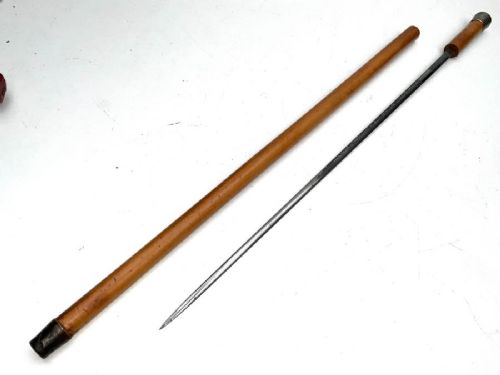
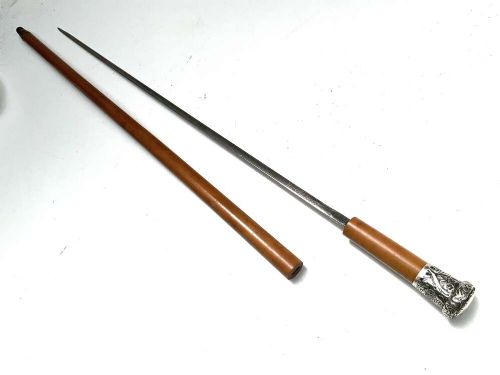
When you search for a brown wooden walking stick, you encounter items shaped by Victorian and Edwardian hands for daily carriage or military use. These objects range from simple country timbers to more complex items housing hidden blades.
The versions most common here include hazel, cherrywood, partridge wood, and oak pieces, alongside specific military swagger sticks and ethnographic examples. They trace back to periods spanning the late nineteenth and early twentieth centuries.
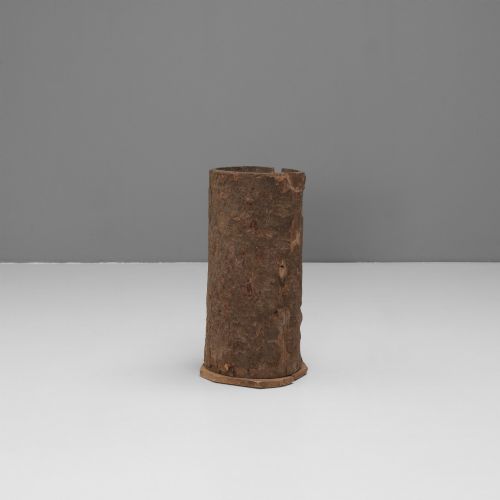
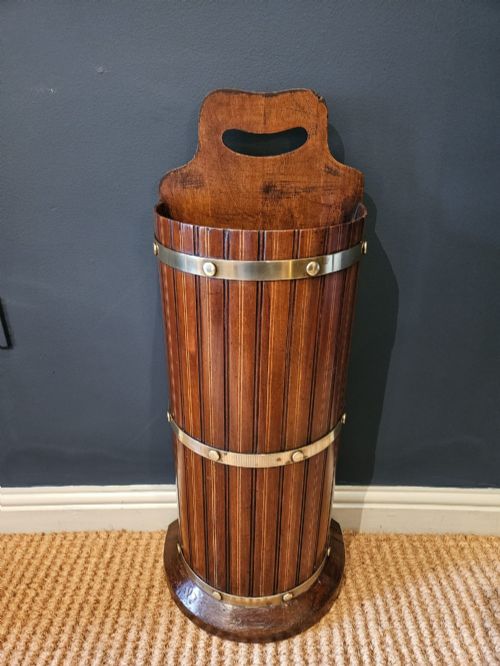
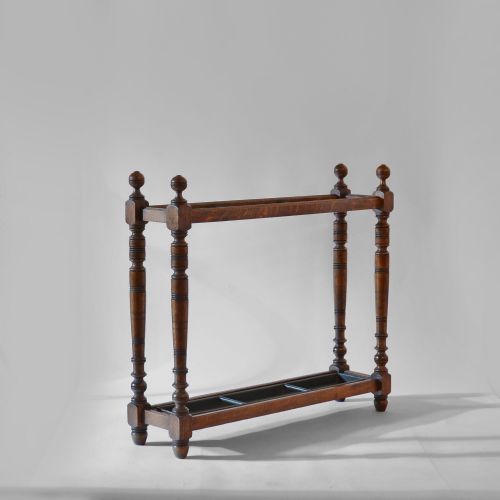
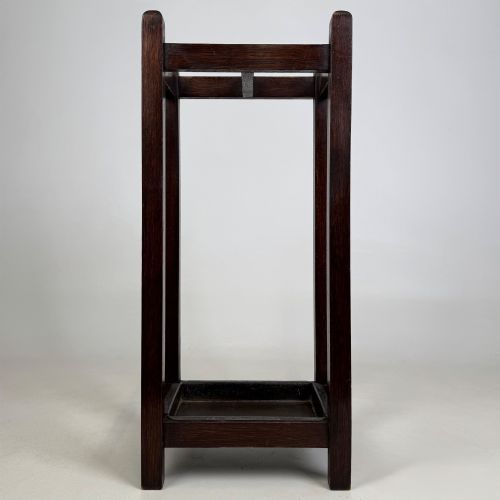
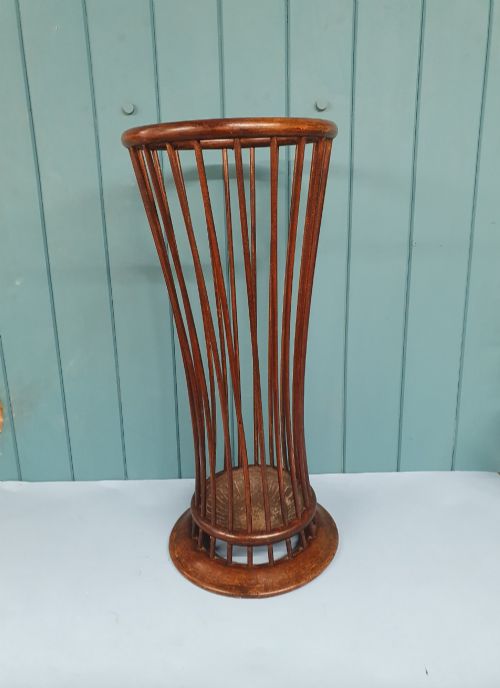
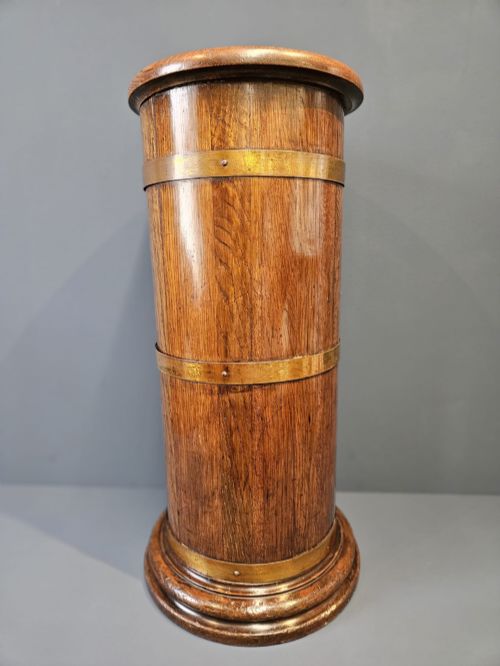
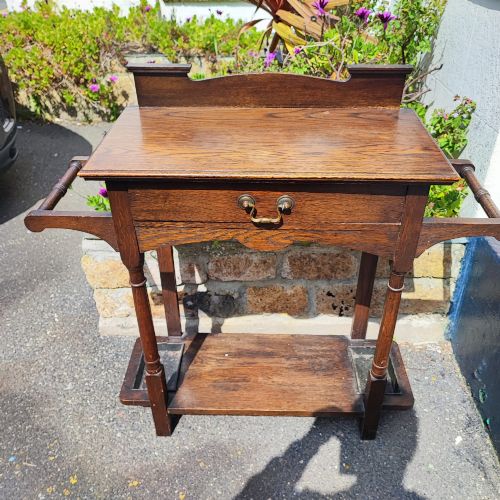
Beyond handheld canes, this category embraces larger hall furniture designed to hold them, including oak and brass-bound umbrella stands and Black Forest carved holders.
How they were made
Maker construction relies on natural timbers such as oak, rosewood, walnut, and hazel, selected for grain and resilience. Artisans shaped these woods into shafts, sometimes integrating horn handles or precious metal pommels.
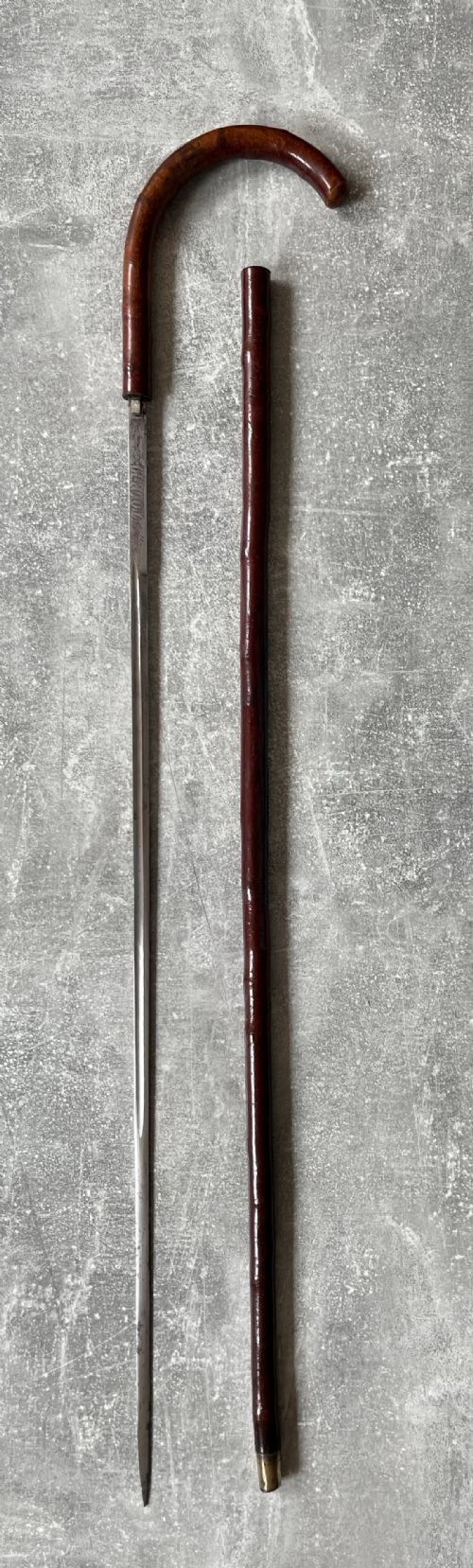
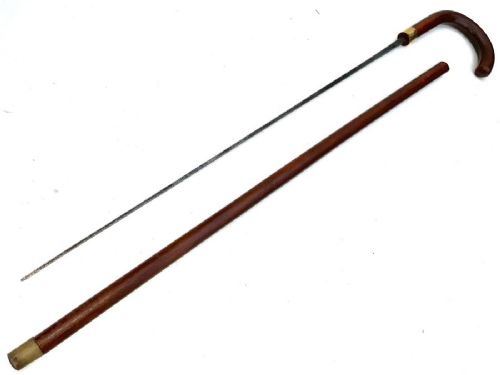
Concealed elements in sword sticks utilise steel blades sourced from Toledo or Wilkinson, fitted securely within the wooden scabbard shaft. Metal collars in brass and silver reinforce the joints where handles meet the main body.
Hall stands and umbrella holders utilise solid oak and carved Black Forest elements, often combined with original metal drip trays to manage moisture from wet sticks.
An articulated Alsatian German Shepherd dog carved in the Black Forest style watches over the walking sticks.
What varies in quality
Quality rests upon the selection of timber and the precision of the fit between handle, collar, and shaft. Superior pieces display harmonious grain matching and securely seated mounts.
For pieces containing blades, the standard of the steel and the tightness of the closure determine the grade. Maker signatures, such as specific silversmiths or blade manufacturers, elevate the standing of an individual piece.
In larger companion pieces like umbrella stands, construction depth, the presence of original metal drip trays, and the execution of carved details dictate overall merit.
Thomas Johnson·Wilkinson
The Brown Wooden Walking Stick Glossary
- Sword stick
- A cane fitted with a concealed steel blade inside its wooden shaft. These items combined personal defence with daily gentlemanly attire.
- Swagger stick
- A short military cane carried by officers as a symbol of authority. They frequently bear regimental markings or metal mounts.
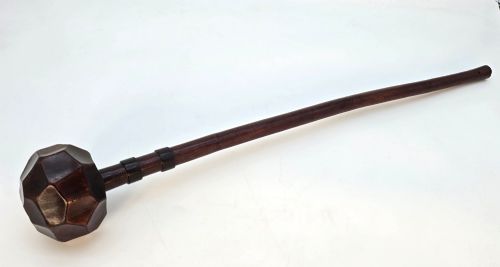
- Knobkerrie
- A traditional African wooden club featuring a rounded knob at the striking end. Examples appear alongside European walking pieces in ethnographic collections.
- Pommel
- The rounded handle or cap at the top of a stick. They are frequently fashioned from horn, gold, or silver.
- Drip tray
- A metal base insert found within umbrella and stick stands. It catches moisture from wet items to protect the floor.
Brown Wooden Walking Stick: Frequently Asked Questions
What is a brown wooden walking stick?
A brown wooden walking stick is a historical handheld support or accessory shaped from timbers like oak, hazel, and cherrywood during the nineteenth and twentieth centuries.
These items range from plain country walking canes to specialised military swagger sticks and concealed sword sticks.
How do I care for my stick?
Keep wooden shafts away from excessive moisture and extreme temperature fluctuations to prevent timber splitting. Periodically treat natural wood and horn handles with appropriate conservation waxes.
Ensure metal collars and internal steel blades remain clean and dry to avoid oxidation.
Were all these sticks used by the military?
Military pieces form a distinct group within these listings, specifically including swagger sticks and officer walking sticks marked with regimental details. Many others served as civilian gentleman accessories for daily wear.
Country pieces and handled canes catered to rural walking and formal promenades alike.