

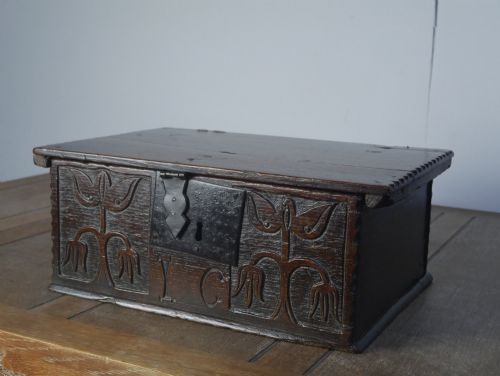
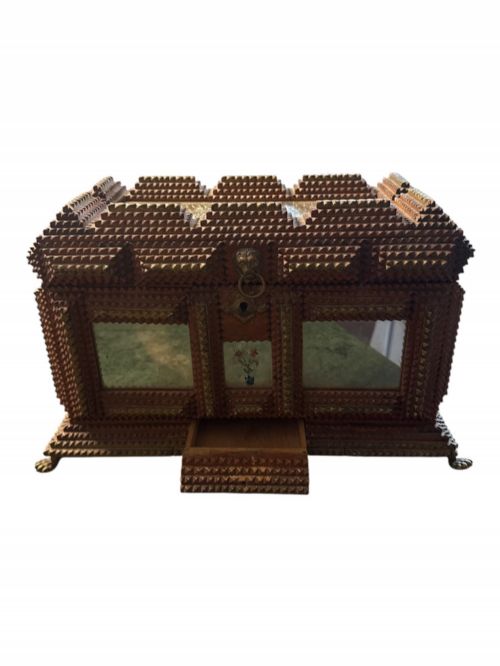
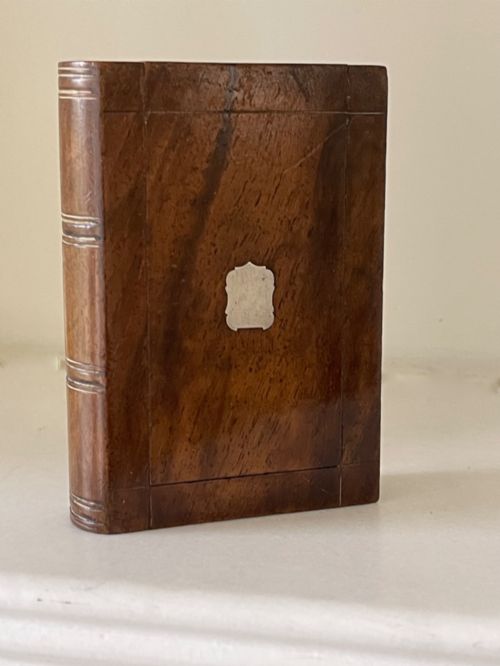
Brown Wooden Trinket Box
A brown wooden trinket box serves as a small, enduring repository for personal valuables, combining timber craftsmanship with domestic utility.
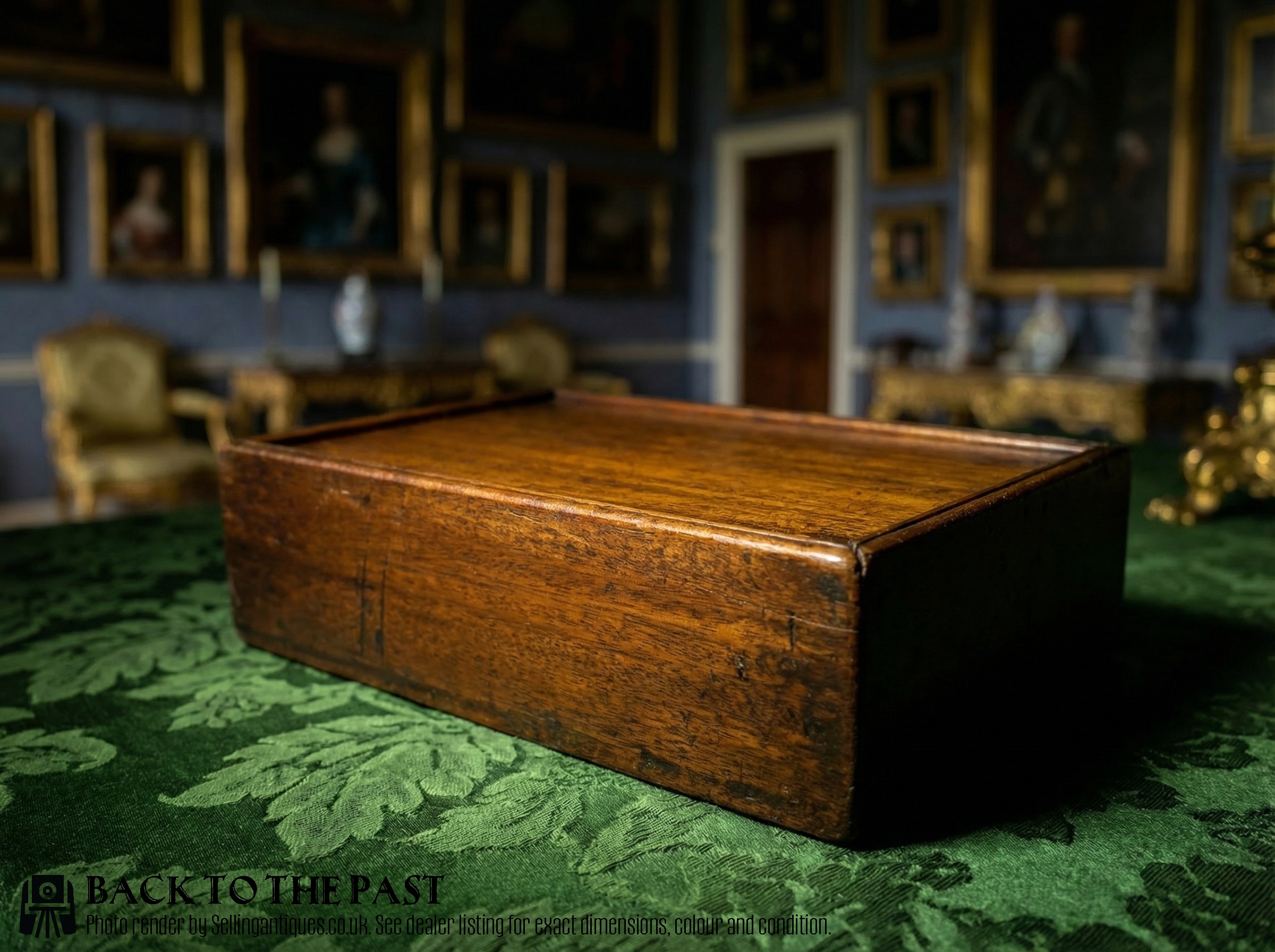
Brown Wooden Trinket Box
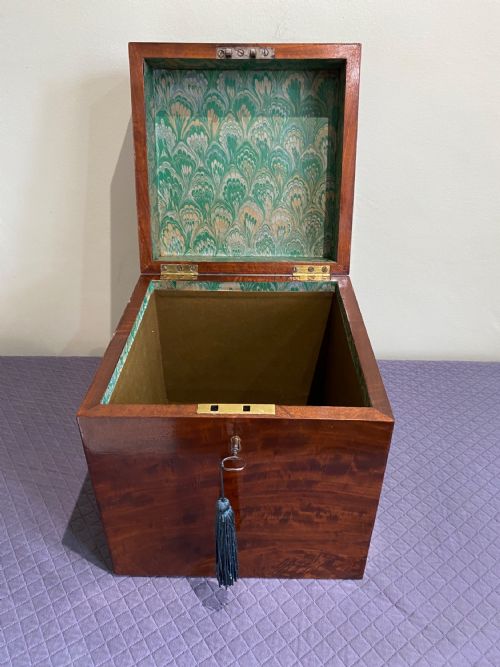
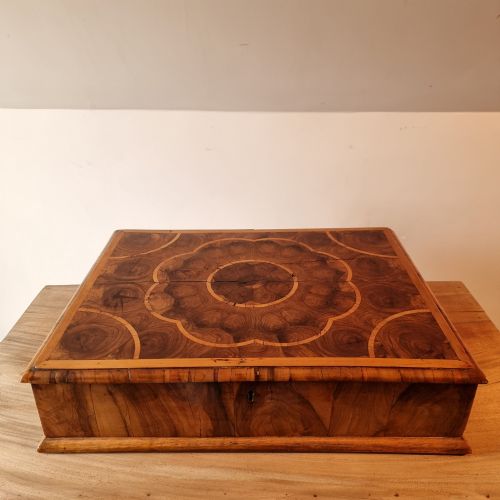
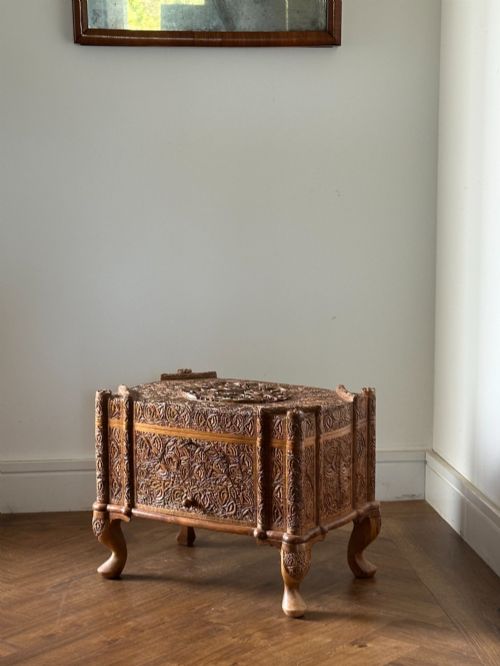
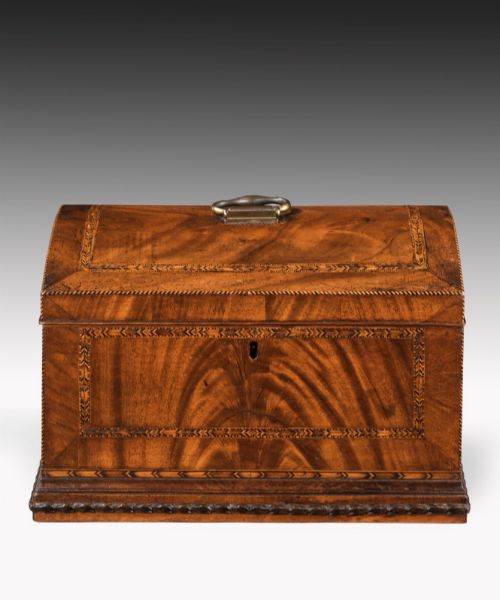
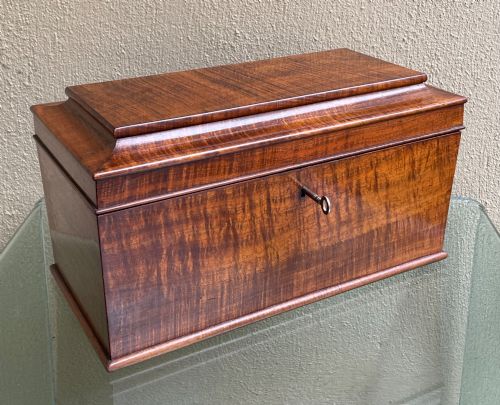
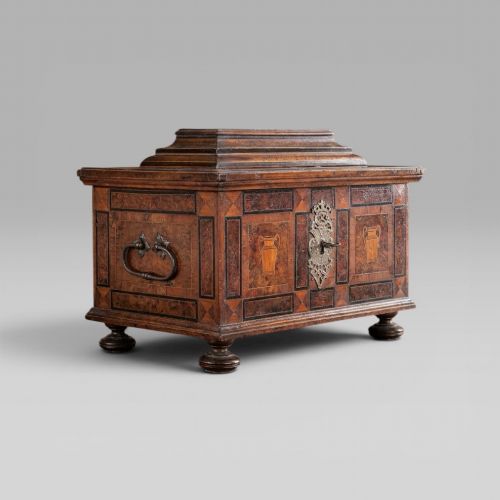
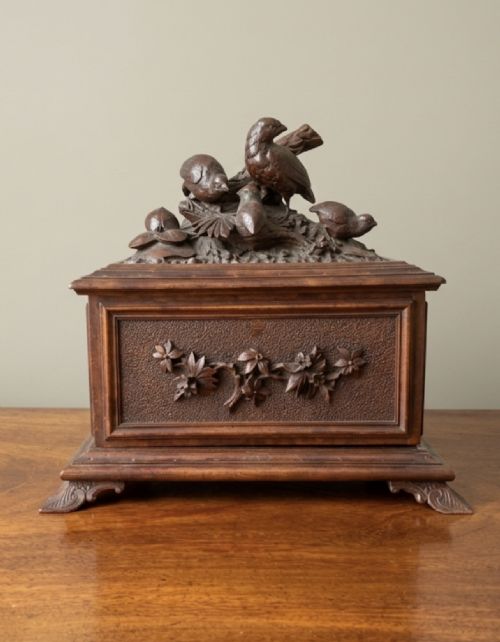
A brown wooden trinket box encompasses a variety of small containers designed for personal items, ranging from tea caddies and snuff boxes to larger jewellery caskets and miniature chests. These pieces span centuries, originating from diverse styles such as Georgian, Victorian, Regency, and Black Forest traditions.
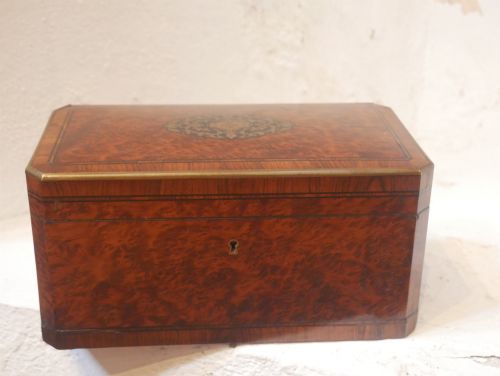
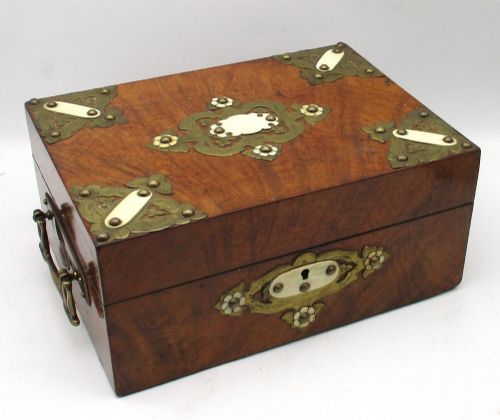
The version most commonly encountered on this page is the 19th-century mahogany or walnut box, often exhibiting utilitarian or decorative purposes like sewing, storage, or tobacco containment. Examples stretch from simple vernacular treen items to elaborate inlaid specimens from England, continental Europe, and beyond.
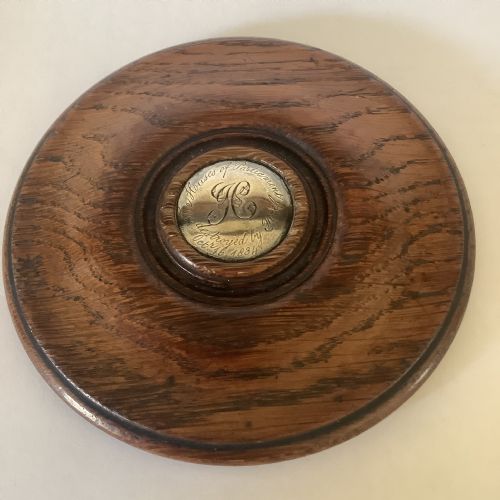
Earlier iterations, including 17th-century oak Bible boxes and lace boxes, provide a glimpse into functional domestic storage before the Victorian era popularized specialised compartments for jewellery and correspondence. Each object reflects the prevailing taste and material availability of its specific period.
Materials and Technique
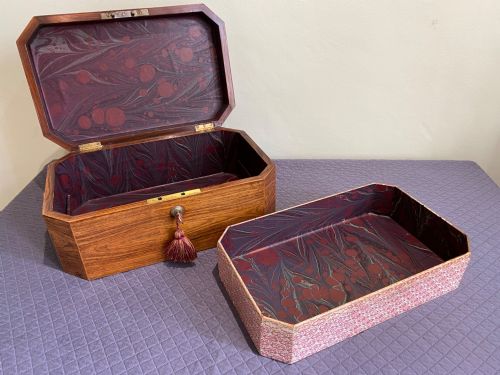
Construction relies heavily on dense hardwoods such as mahogany, oak, walnut, and rosewood, selected for stability and grain pattern. Cabinetmakers utilised dovetail joints, pegged construction, or turned elements to assemble the carcase of the box.
Decorative enhancement often involved veneers, burr sections, or contrasting inlays of boxwood, bone, and silver. Specialised techniques like Tunbridge ware micro-mosaic work, chip carving, and relief carving added surface texture and geometric complexity to the wooden exterior.
Brown Wooden Trinket Box Retail Price Guide 2026
Typical asking prices for brown wooden trinket box among the pieces listed under this phrase on Sellingantiques today, from the lower quarter to the upper quarter. They describe what is for sale here now, not the wider market.
Assessing Quality
Quality reveals itself in the precision of the joinery and the selection of timber, where tightly figured burrs or uniform grain show superior craftsmanship. The integration of secondary woods and the crispness of carved details or inlaid motifs indicate the maker's skill level.
Originality of hardware, including brass hinges, locks, and escutcheons, maintains the integrity of the piece. The subtlety of decorative treatments, from naive folk art carving to meticulous geometric banding, distinguishes standard utility items from masterwork examples.
Tahan Paris·Mappin And Webb
The Brown Wooden Trinket Box Glossary
- Treen
- Small handmade wooden domestic objects. These items range from utilitarian kitchenware to pocket snuff boxes.
- Tunbridge Ware
- Woodworking technique involving minute tesserae of naturally coloured woods. This method creates detailed pictorial or geometric mosaics on box lids.
- Tea Caddy
- A container designed to store loose tea leaves. They frequently featured interior compartments and locking lids to protect expensive tea.
- Casket
- An ornate box used for holding jewels or valuables. They often incorporate domed lids and rich veneers.
- Apprentice Piece
- An item created by a trainee to demonstrate skill. These often take the form of miniature chests of drawers or scaled-down furniture.
Brown Wooden Trinket Box: Frequently Asked Questions
What were small wooden boxes used for?
These containers served specific domestic functions such as holding tea, tobacco, needles, or personal letters.
Over time, owners adapted them to store jewellery, keepsakes, and other small valuables.
How do I identify a Georgian box?
Georgian pieces typically display restrained classical proportions, often utilising solid mahogany or figured veneers with minimal fuss.
Look for hand-cut dovetails and period brass hardware to confirm the era of manufacture.
What is Black Forest carving?
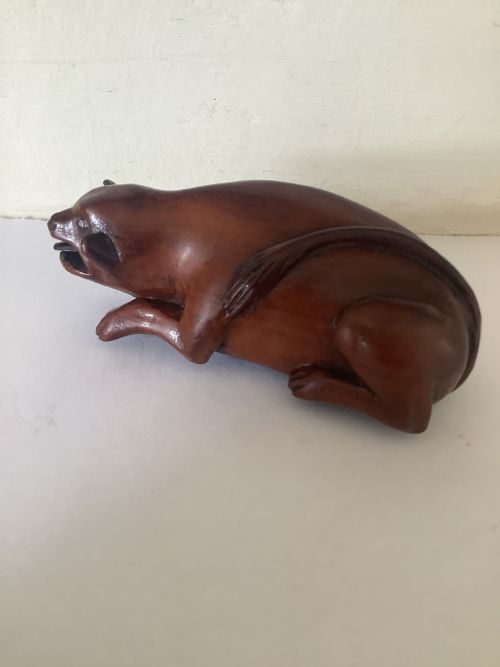
This style involves deeply carved naturalistic motifs, particularly animals and foliage, originating from the mountainous region of central Europe.
Artisans used softwoods like lime and walnut to create highly tactile, three-dimensional surface decoration.
Are these boxes made of solid wood?
Makers utilised both solid timbers and decorative veneers applied over secondary framing woods.
High-end pieces frequently deployed burr walnut or mahogany veneers to showcase striking grain patterns.