
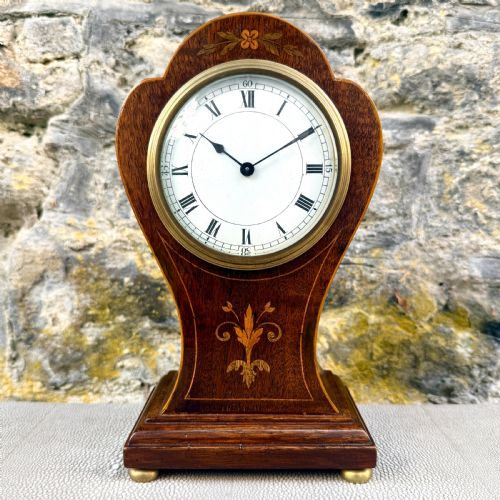


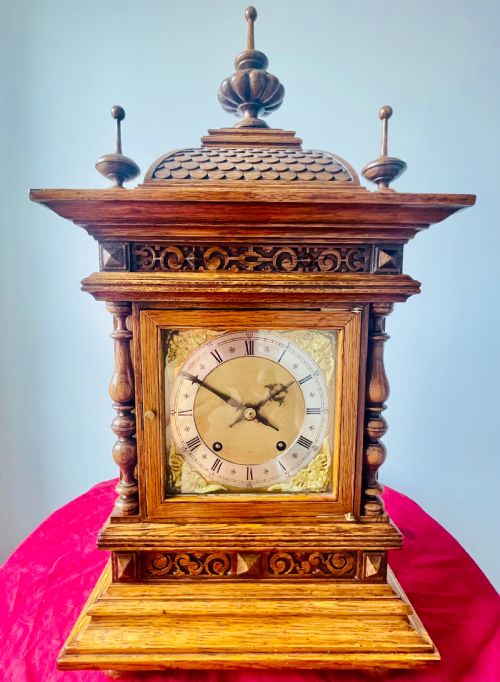
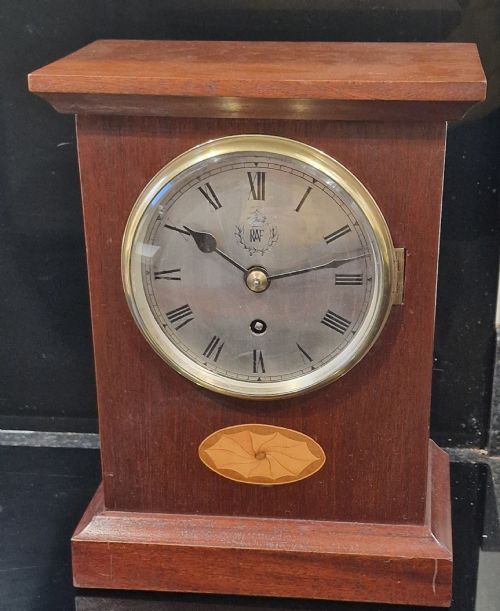
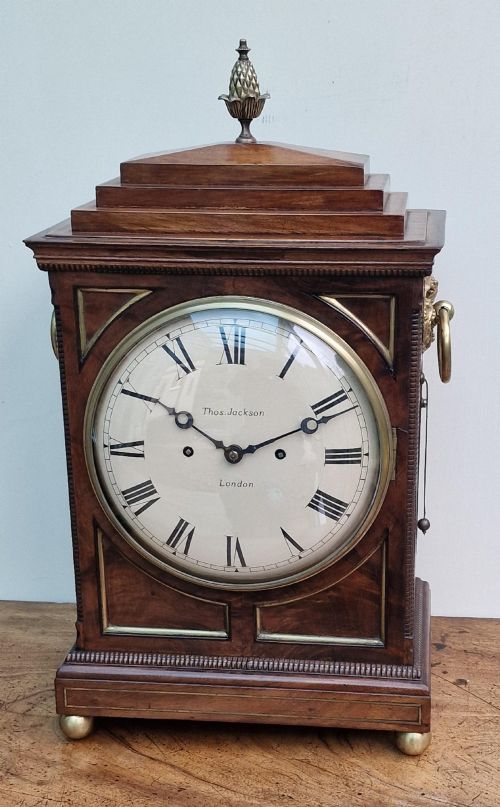
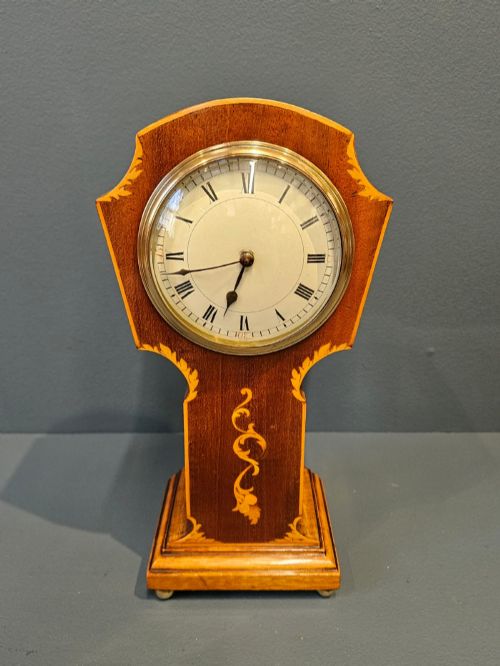
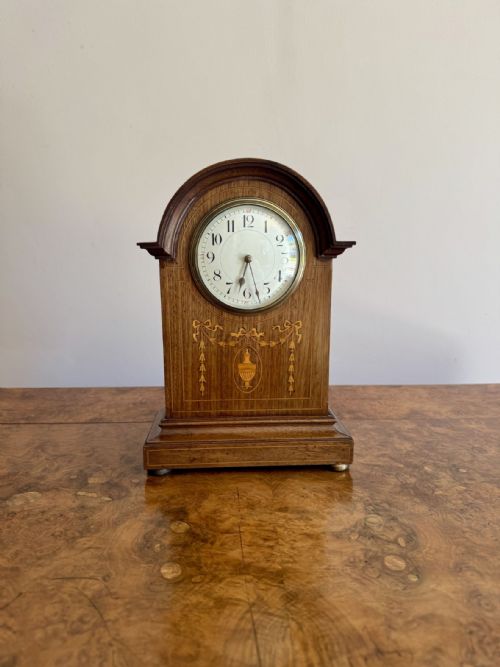


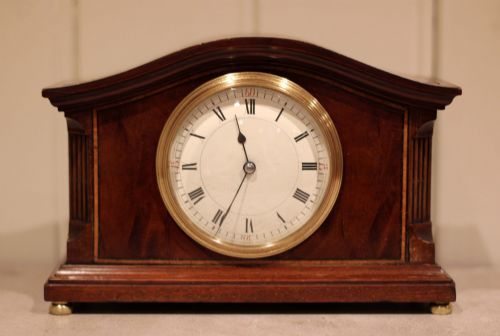

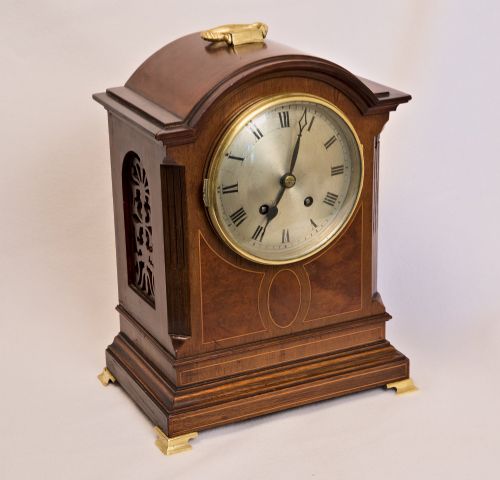


Brown Wooden Desk Clock
These brown wooden desk clock examples span centuries of cabinet-making and horology, offering both reliable timekeeping and period charm for a study or mantel.
Brown Wooden Desk Clock
A brown wooden desk clock brings domestic horology and period cabinetry together into a functional object designed for surface placement in a room or office. When searching for a brown wooden desk clock, buyers encounter forms ranging from simple Edwardian timepieces to complex bracket clocks housed in architectural timber cases.
The selection on this page draws from periods spanning the Georgian era through the 20th century, encompassing styles such as Regency, Edwardian, and Art Deco. These pieces function as desk clocks, table clocks, and mantel clocks, utilising movements driven by springs and fuses.
Makers and retailers from London and the provinces signed dials and movements, attaching their names to timber housings fashioned from mahogany, walnut, oak, and satinwood. Buyers look to these items for authentic period materials and traditional mechanical movements that continue to mark time.
Materials and Construction
Cabinet makers utilised dense hardwoods including mahogany, walnut, and oak to construct the housing for each movement, frequently applying decorative wood inlay or brass details to the exterior surfaces. Cases feature distinct regional profiles, such as the carved linden wood associated with Black Forest production or the lancet top configurations seen in English examples.
Movements inside these timber cases rely on brass gears, glass dial covers, and enamel faces, driven by springs or single fusee mechanisms. Craftsmen fitted these metallic components carefully into hand-carved or assembled wooden frames designed to resonate with the sound of the strike.
Factors of Quality
The standard of a brown wooden desk clock rests upon the crispness of the timber cabinet work, the integration of brass or wood inlay, and the refinement of the interior movement. Signed movements by notable makers and retailers elevate a piece above standard domestic production.
Proportion and case preservation distinguish finer examples, particularly where carved details remain sharp and timber grain shows deep natural figuring. Original dials, well-kept enamel faces, and undisturbed case finishes indicate careful retention over decades.
Mappin & Webb·Winterhalder·Thomas Jackson·Bush of London·Turner of London·W. Burton·Piggin Norwich·Wilkinson Leicester·J Kingerley Manchester·Bravingtons Ltd·William Evans·Bergen & Co·Dent of London·ELLIOTT of LONDON·Pennington of Camberwell·McCabe
The Brown Wooden Desk Clock Glossary
- Bracket clock
- A portable table or desk clock originally designed to sit on a wall bracket. These pieces often feature striking mechanisms and fine timber cases.
- Fusee
- A conical pulley connected to the mainspring by a chain or cord. This device equalises the driving force as the spring unwinds to maintain consistent timekeeping.
- Timepiece
- A clock that indicates the time of day but lacks a striking train or chime mechanism. These simpler movements focus purely on the rotation of the hands.
- Inlay
- Decorative ornamentation created by inserting pieces of contrasting wood or brass into recesses cut into the primary case surface. This technique creates geometric or floral patterns on the timber.
- Dial
- The visible face of the clock where numerals are painted, engraved, or applied. Enamel and brass feature prominently on these surfaces.
Brown Wooden Desk Clock: Frequently Asked Questions
What is a single fusee clock?
A single fusee clock uses a conical drum and a chain to regulate the pull of the mainspring. This mechanism ensures steady power delivery to the gear train as the spring loses tension.
Such movements are prized for their reliability and precision in period timepieces.
Where were these clocks placed?
These pieces were designed for desks, tables, and mantelpieces in offices, libraries, and domestic rooms. Their portable nature allowed owners to move them between rooms as needed.
Smaller library and desk versions suited flat working surfaces, while bracket clocks often sat upon dedicated wall supports.
How do I identify an Edwardian clock?
Edwardian clocks typically feature mahogany cases enhanced with delicate wood inlay or contrasting stringing. The design aesthetic often reflects a refined Georgian revival style.
Makers working in this period during the early 20th century produced both simple timepieces and complex striking models.
What is a Black Forest clock?
Black Forest clocks originate from a specific region in Germany known for intricate wood carving. They feature hand-carved linden wood cases depicting natural motifs.
These pieces contrast with standard mahogany desk clocks through their deeply textured and sculptural timber housings.