
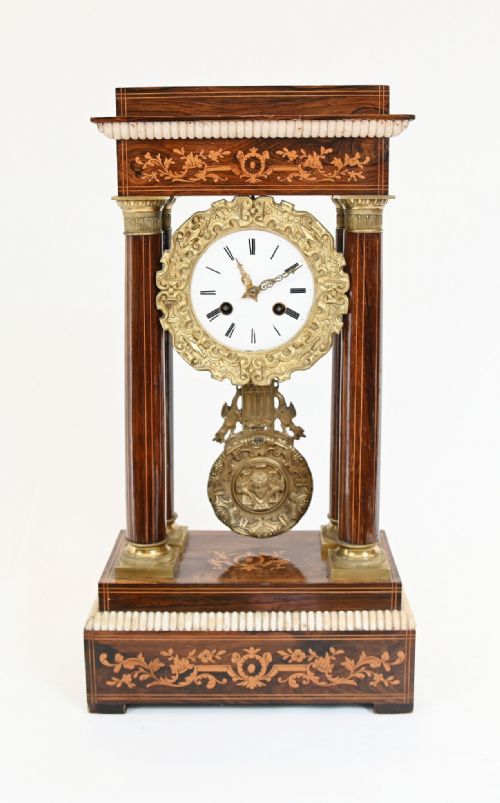


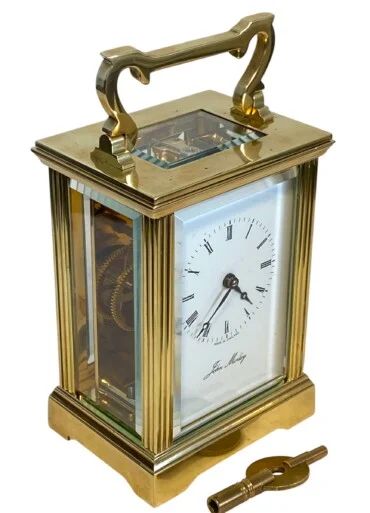


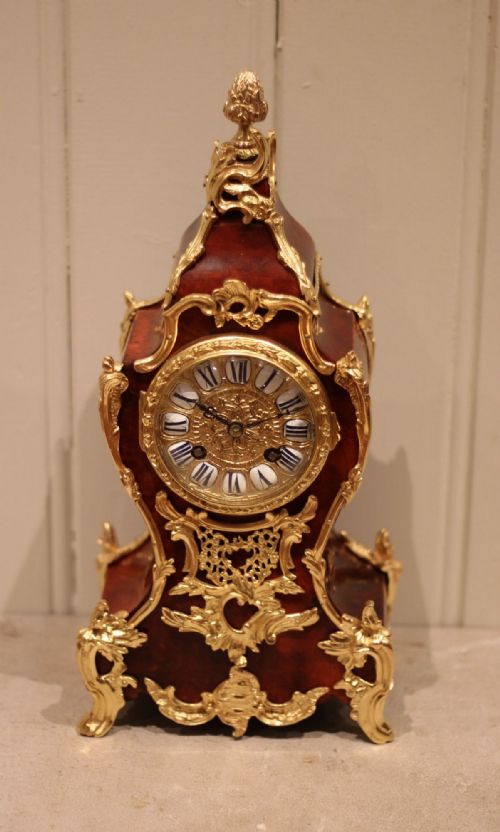
Vintage Tabletop Clock
These vintage tabletop clock pieces bring mechanical precision and period charm to a desk or mantel.
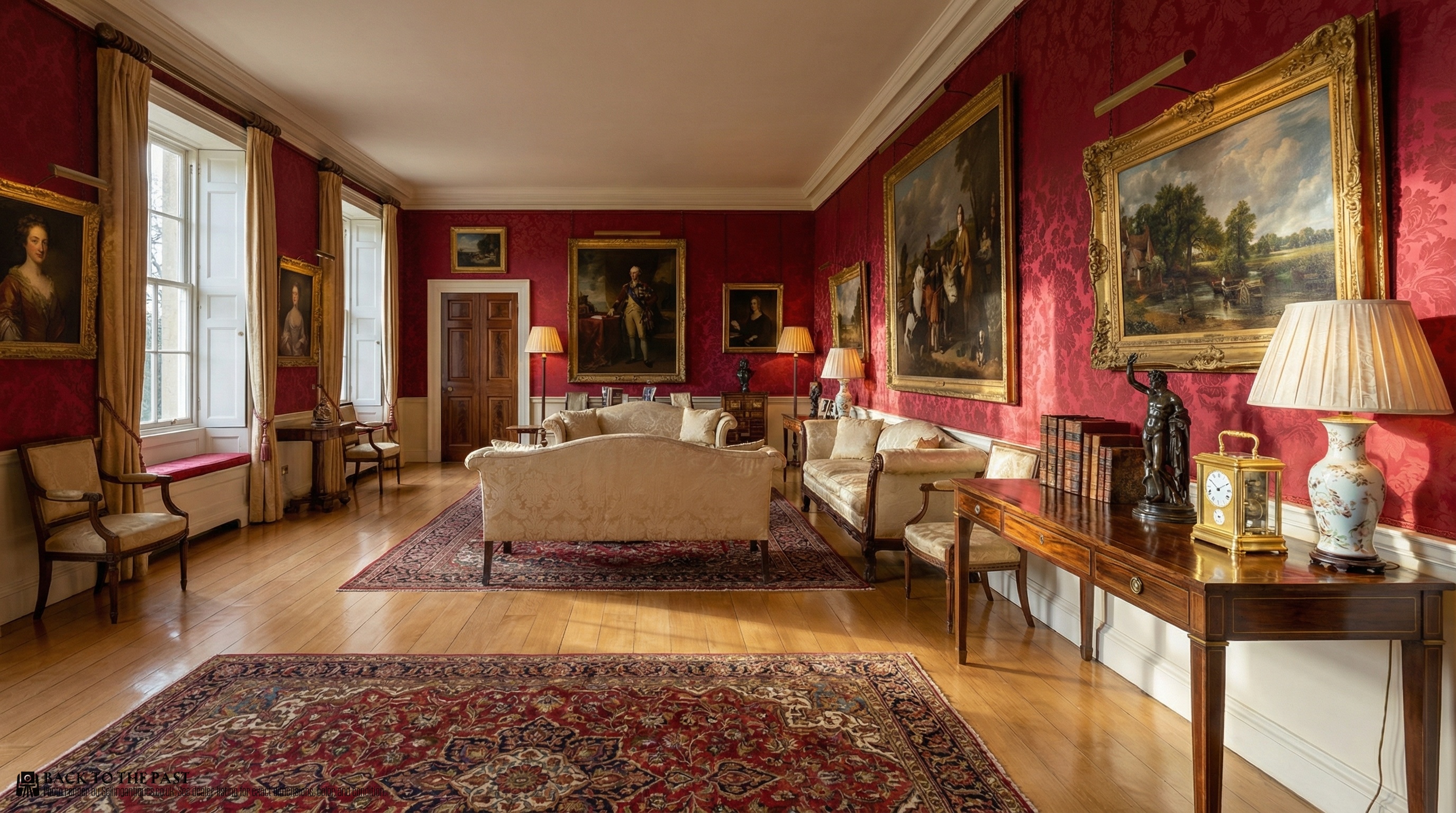
Understanding the Vintage Tabletop Clock
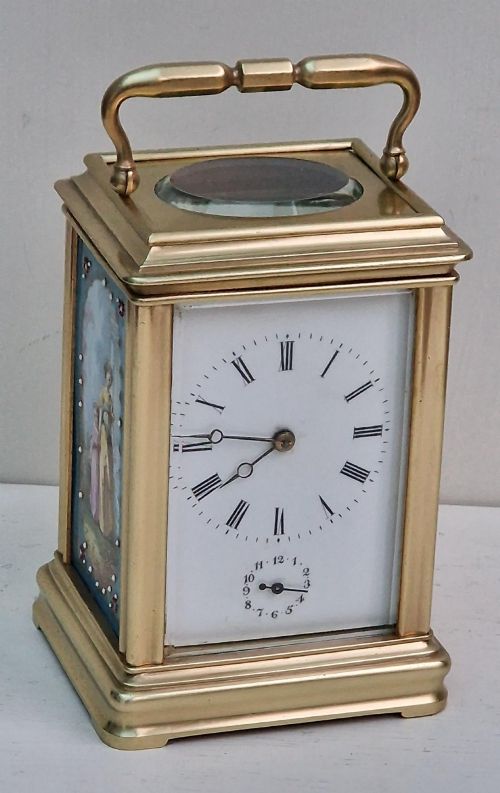
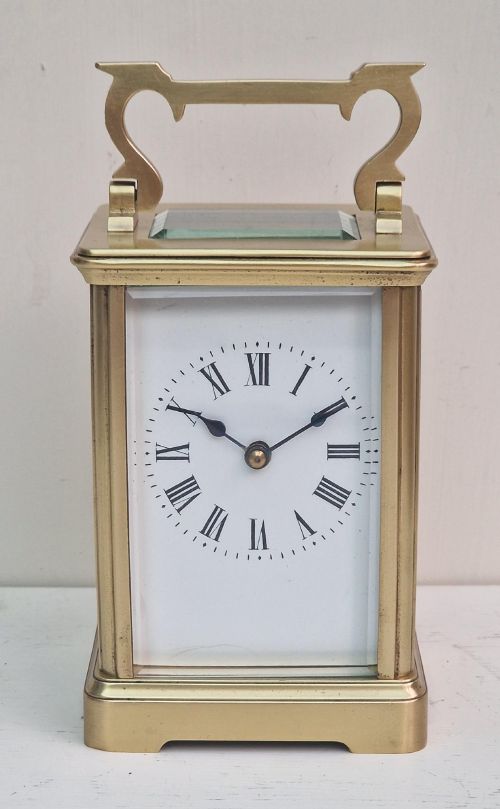
A vintage tabletop clock covers a broad sweep of domestic timepieces designed for surfaces rather than walls, spanning desk clocks, mantel clocks, and travel pieces. When searching for a vintage tabletop clock, buyers encounter formats ranging from domestic timekeepers to sophisticated travel instruments.
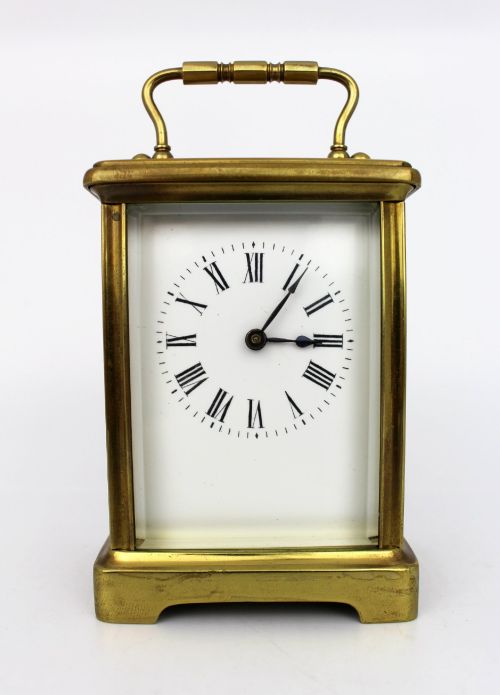
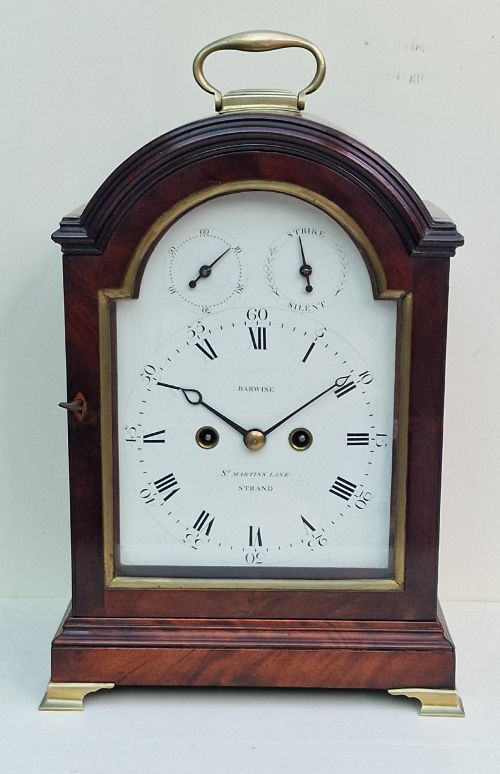
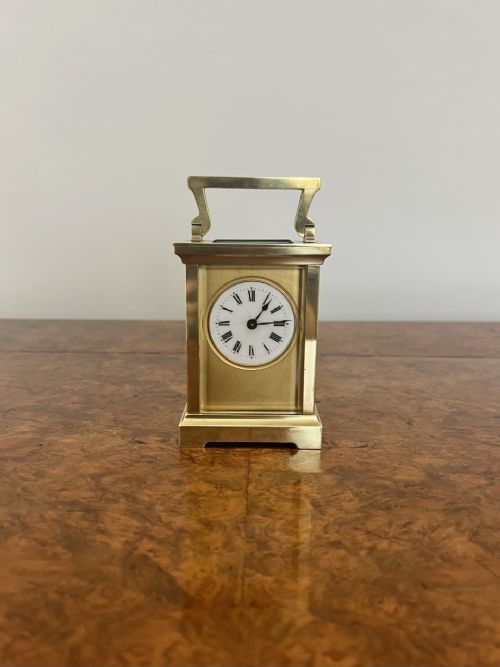
The selections on this page draw from periods including Georgian, Victorian, Edwardian, 1900, 1910, 1920, 1930, and 1950. Common manifestations include carriage clocks with travel cases, bracket clocks, and streamlined alarm models.
Makers and origins vary across England, France, Switzerland, and Hungary, bringing distinct regional interpretations to cabinetwork and movement construction.
Construction and Materials
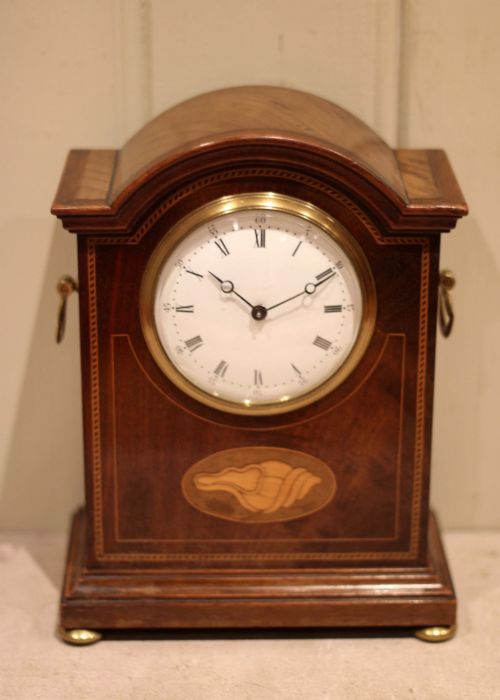
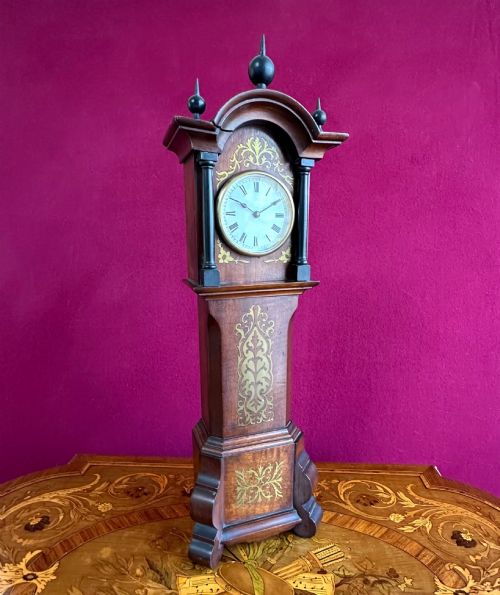
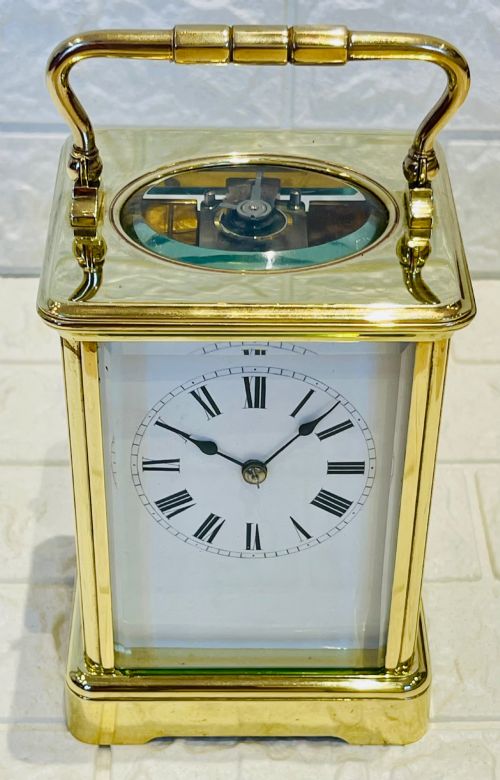
Makers utilised a diverse palette of materials, combining hardwoods such as mahogany with polished brass, chrome, glass, enamel, and early synthetics like bakelite. Many timber cases feature fine inlay work, while metal housings often employ bevelled glass panels to display the internal mechanics.
Movements range from English eight-day systems and Swiss mechanisms to specialised calendar and alarm complications. Construction methods bridge traditional cabinetmaking with industrial metalworking, incorporating repeater buttons and travel cases designed for portability.
Retail Price Guide 2026
Typical UK retail prices for vintage tabletop clock, calculated from the Sellingantiques database of over a million retail prices indexed since 2003. This retail price guide relies exclusively on Sellingantiques data; no external sources or auction records are used, so the figures do not describe the wider market.
Travel cases ensure these miniature timepieces were ready to pack alongside a top hat and a leather trunk.
Distinctions in Quality
Quality rests upon the refinement of the movement, the integrity of the housing, and the harmony of the materials. Fine examples exhibit crisp dial legibility, substantial metal casting, and precise timber joinery.
Barwise London·John Morley·Jaeger LeCoultre
The Vintage Tabletop Clock Glossary
- Carriage clock
- A portable spring-driven clock originally designed for travel, typically featuring a rectangular brass case with glass panels and a swing handle. These pieces often house Swiss or English movements.
- Mantel clock
- A clock designed to sit on the shelf or mantel above a fireplace, taking varied forms from French Art Nouveau mahogany cases to domed inlaid timber designs.
- Bakelite
- An early form of plastic utilised in twentieth-century manufacturing, prized in Art Deco pieces for its smooth finish and distinctive colour depth.
- Repeater button
- A mechanism on a clock that, when pressed, repeats the last hour or quarter-hour chimed, adding technical complexity to the piece.
Frequently Asked Questions
How do I wind a carriage clock?
Most mechanical carriage clocks require a dedicated key inserted into the winding arbour at the back or base of the movement. Care must be taken not to overwind the mainspring.
Spring-driven clocks of this type generally run for eight days before requiring another wind.
Where should I place a mantel clock?
These clocks suit flat surfaces such as mantelpieces, desks, sideboards, or bedside tables where their mechanical movement can be appreciated. Ensure the surface is level to keep the escapement ticking evenly.
Avoid placing them in areas subject to dampness or direct sunlight.
What is a bracket clock?
Originally designed to sit on a wall bracket to aid projection of sound, the term later applied to portable table clocks housed in architectural wooden cases. Georgian examples often feature sophisticated dial layouts and fine timber work.
They represent traditional English clockmaking craftsmanship.
How do I date a Bakelite clock?
Bakelite and chrome combinations are strongly associated with the Art Deco period of the 1930s. Hungarian and other European makers utilised these synthetic materials to create streamlined, modern designs.
Stylistic cues and movement stamps help confirm the decade of manufacture.