


Brown Wood Vanity Stool
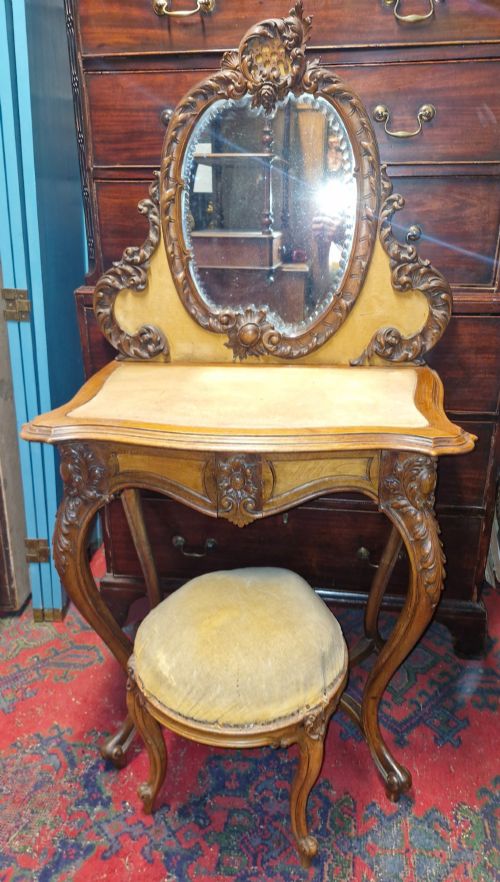
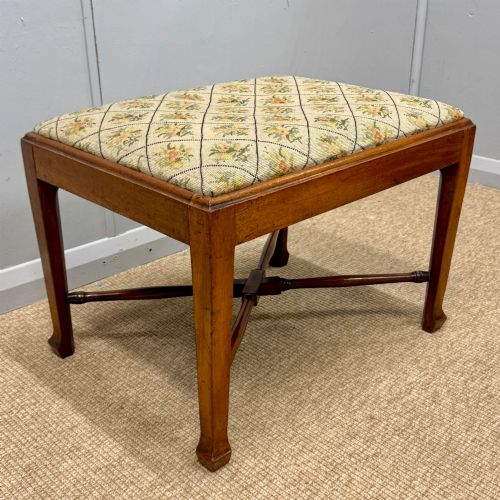
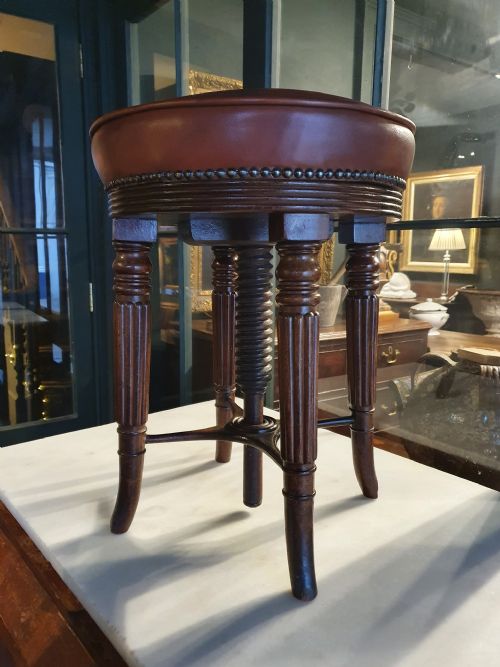
These brown wood vanity stool examples offer practical seating with period character, perfect for placing at a dressing table.
Brown Wood Vanity Stool
A brown wood vanity stool serves as low seating for a dressing table, piano, or bedroom mirror, often associated with historical periods such as the nineteenth century or the Edwardian era. These pieces appear in forms ranging from simple mahogany frames to elaborate walnut designs featuring cross stretchers or X-frame supports.
The selection includes variants described as dressing table stools, piano stools, and window seats, spanning styles from Queen Anne and Chippendale to Victorian and Regency. Buyers encounter upholstered tops finished in fabric, leather, or tapestry alongside carved wooden frames.
Origins stretch across the eighteenth, nineteenth, and early twentieth centuries, reflecting the shifting domestic needs of bedrooms and music rooms. The pieces combine structural timber with varied upholstery, creating functional seats for daily use.
Materials and construction
Makers utilised solid hardwoods like mahogany, walnut, oak, and yew wood to build the structural frames of each brown wood vanity stool. These timbers provided the strength needed for cabriole legs, cross stretchers, and revolving mechanisms.
Upholstery materials such as fabric, leather, and tapestry were applied over padded seats to finish the top surfaces. Brass hardware occasionally appeared on piano stools and revolving mechanisms to assist movement.
The listings show pieces constructed from mahogany, walnut, oak, and yew wood across multiple periods from the eighteenth century to the 1930s.
Assessing quality
The standard of carving and timber selection dictates the distinction between standard production and finer examples. Richly figured walnut or deep mahogany paired with crisp, hand-carved details signal superior craftsmanship.
Structural integrity relies on the tightness of joints, particularly around cabriole legs, X-frames, and cross stretchers. Original upholstery or period-appropriate tapestry adds further merit compared to later replacements.
James Shoolbred
The Brown Wood Vanity Stool Glossary
- Cabriole leg
- A furniture leg that curves outward and then tapers inward, mimicking an animal's leg. This form appears frequently on eighteenth and nineteenth-century seating.
- Cross stretcher
- Wooden rails connecting the legs near the base to provide extra stability. They often feature central bosses or intersecting curves.
- X-frame
- A structural support formed by two intersecting diagonal members shaped like the letter X. It delivers robust support beneath the seat.
- Revolving mechanism
- An internal or screw device allowing the seat top to turn. This is typical of adjustable piano stools.
- Tapestry seat
- A top upholstered in woven decorative fabric depicting pictorial or floral scenes. These provide a textured finish to period frames.
Brown Wood Vanity Stool: Frequently Asked Questions
What is a brown wood vanity stool used for?
These pieces function primarily as low seating placed in front of dressing tables or vanity desks. They provide comfort during grooming routines and personal care.
Beyond the bedroom, similar forms serve as piano stools or small window seats in hallways and living spaces.
How do I date a wooden stool?
Dating relies on observing timber choices, joinery methods, and stylistic details like cabriole legs or inlay work. Pieces from the eighteenth century show different hand-tool marks compared to Edwardian or 1930s examples.
Reference points include documented historical styles such as Regency, Queen Anne, and Victorian revivals.
Are piano stools the same as dressing stools?
While both offer low seating, piano stools often incorporate mechanical height adjustment or revolving seats to suit musicians. Dressing stools generally feature fixed heights and decorative upholstery suited for bedrooms.
Both categories utilise similar timbers like mahogany and walnut across various historical periods.
How should I care for vintage wood furniture?
Maintenance involves keeping wooden frames away from direct sunlight and extreme temperature shifts to protect the timber and polish. Gentle dusting preserves the surface without stripping historical finishes.
Upholstered sections require careful brushing or specialist cleaning depending on whether the fabric is modern or original tapestry.