


Georgian Mahogany Dressing Seat
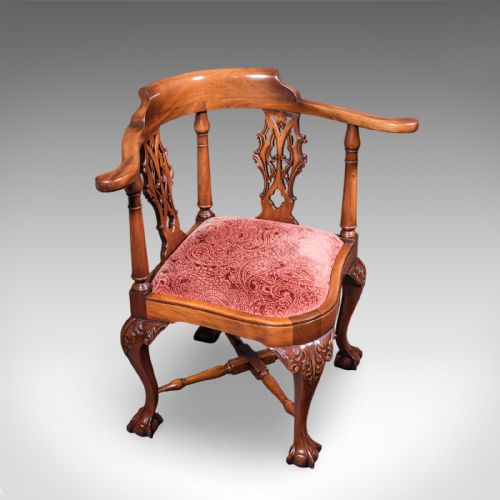
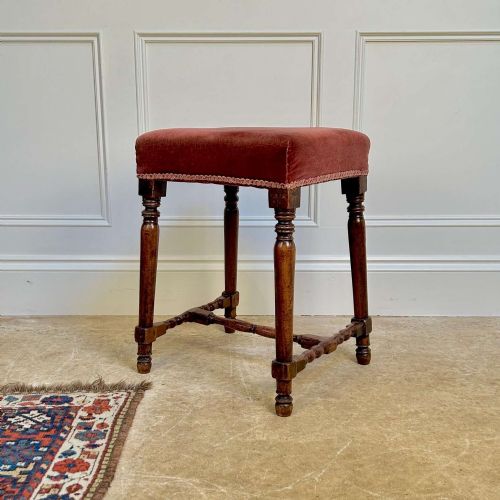
A georgian mahogany dressing seat provides a solid, practical perch for the bedroom, combining rich dark timber with comfortable upholstered pads.
Georgian Mahogany Dressing Seat
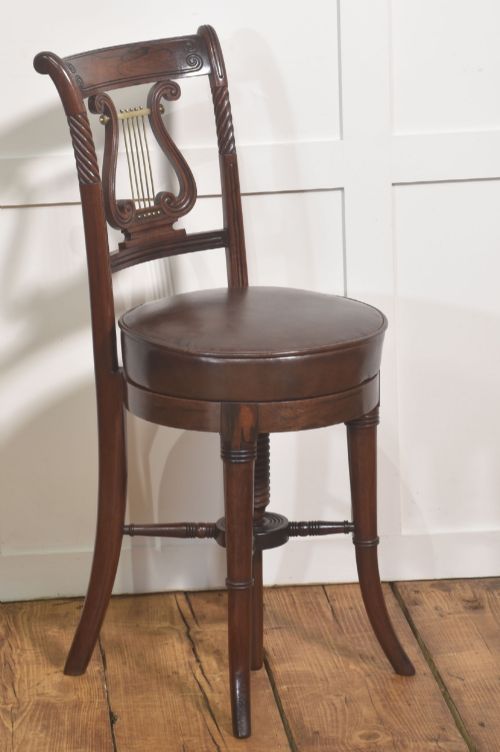
A georgian mahogany dressing seat encompasses various forms including stools, footstools, slipper chairs, and window seats intended for the bedroom or dressing room. The listings show pieces originating from the eighteenth and nineteenth centuries, alongside later revival interpretations from the Edwardian era and the twentieth century.
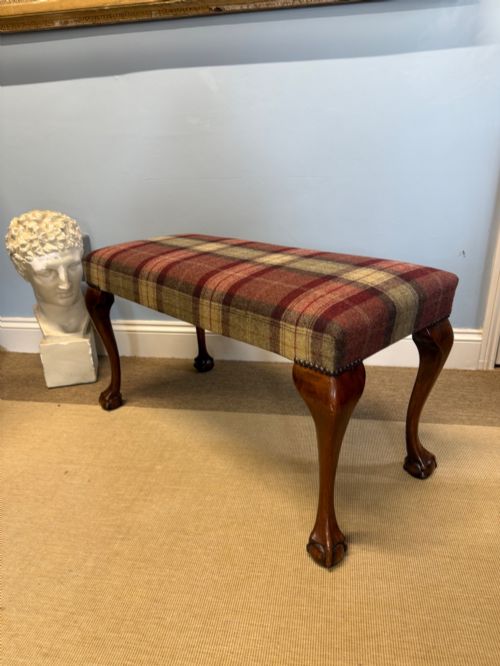
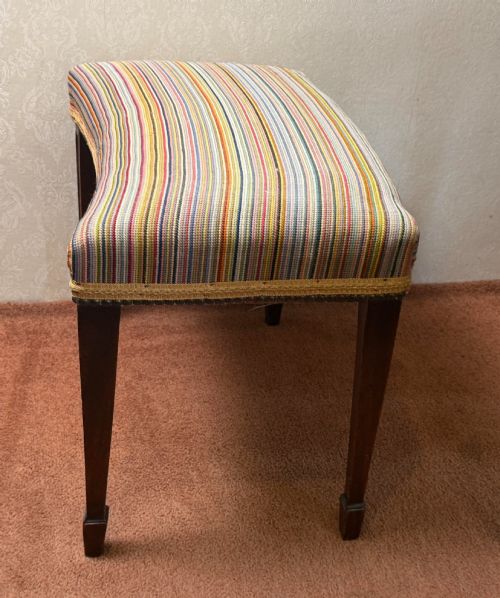
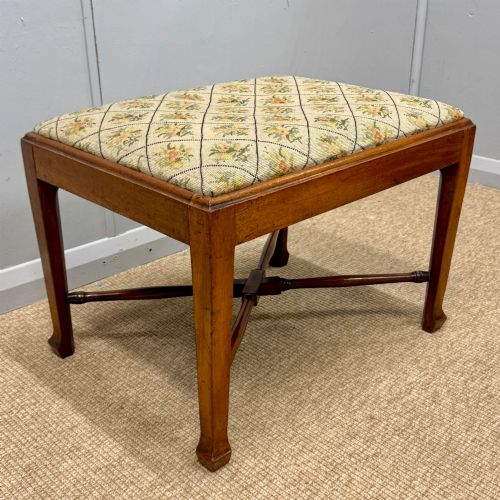
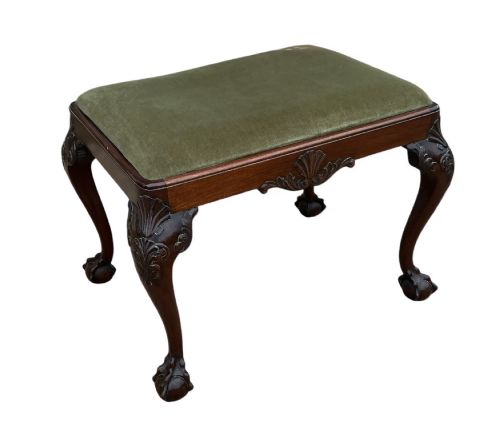
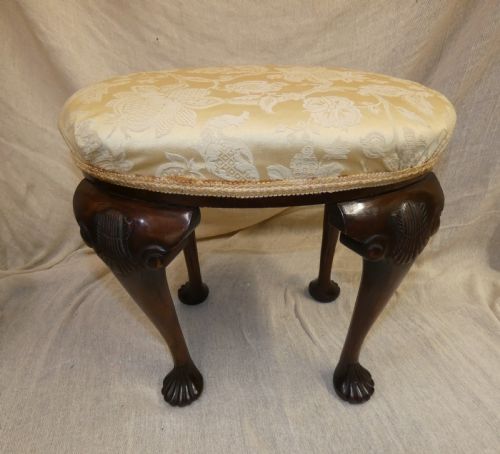
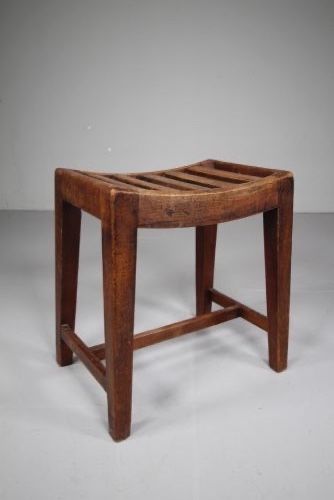
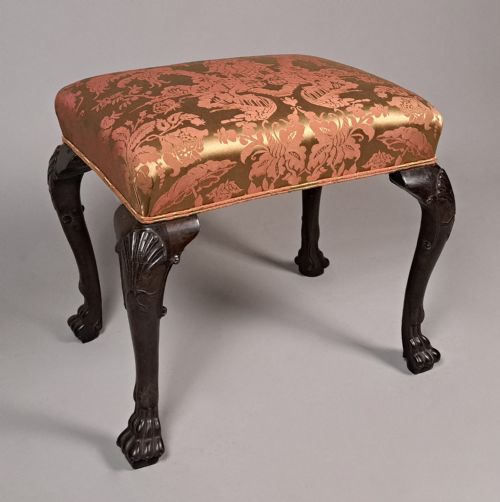
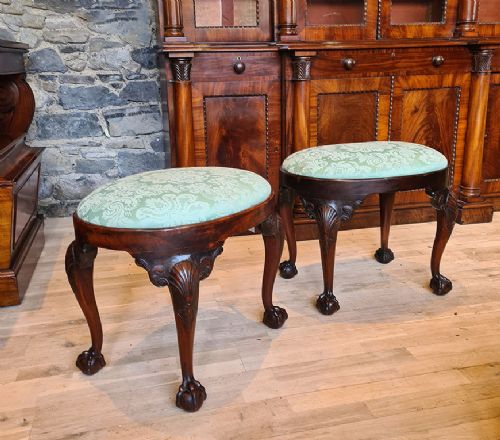
Stools dominate the selection, appearing with square tapering legs, cross stretchers, serpentine shapes, and cabriole legs. Buyers regularly encounter pieces reflecting the George III period as well as Chippendale and Queen Anne revival styles.
Timbers and upholstery methods
Makers utilised solid mahogany as the primary framing timber, shaping the wood into square tapering legs, carved cabriole supports, and serpentine rails. Brass details and inlaid brass accents occasionally complement the dark timber frames.
Upholstery forms a vital part of the construction, utilising materials such as fabric, velvet, damask, tapestry, leather, and needlepoint. Drop-in seats and fixed pads provide the cushioned top required for daily use.
Several pieces arrive ready for action with original needlepoint footstool pads.
Assessing craftsmanship and condition
Quality rests upon the crispness of the timber carving and the structural integrity of the frame joints. Pieces featuring well-carved details and substantial mahogany scantlings stand apart from simpler revival iterations.
The choice and execution of the upholstery also dictate the tier of a piece, with hand-worked needlepoint and heavy damask fabrics elevating the finish compared to basic modern coverings.
The Georgian Mahogany Dressing Seat Glossary
- Serpentine
- A furniture outline characterised by a curving line that bulges outward in the centre and recedes at the sides. This graceful shape appears frequently on eighteenth-century seat rails.
- Cabriole leg
- A furniture leg that curves outward at the knee and tapers inward toward the ankle, finishing in a foot. It draws inspiration from animal forms.
- Cross stretcher
- Wooden members connecting the lower legs of a stool to provide structural stability. They often intersect in an X-form beneath the centre.
- Drop-in seat
- A removable upholstered frame that drops into a rebate inside the wooden seat rails. It allows for easier reupholstering without dismantling the main structure.
Georgian Mahogany Dressing Seat: Frequently Asked Questions
What is a dressing seat used for?
A dressing seat serves as a comfortable perch when sitting at a dressing table or vanity for grooming and hair styling. They fit easily beneath standard table heights.
These compact seats also function as window seats, footstools, or occasional chairs in bedrooms and hallways.
How do I identify an 18th-century piece?
Eighteenth-century examples display period timber patination, hand-cut joinery, and specific stylistic traits such as square tapering legs or carved mahogany frames. Grain patterns and structural wear offer clues to genuine age.
Revival pieces from later centuries often copy these forms but exhibit machine-sawn timber marks and different construction methods upon close inspection.
Are these seats comfortable for daily use?
Most pieces feature padded tops upholstered in fabrics like velvet, damask, or leather over supportive internal webbing or drop-in frames. They offer a firm, upright seat suited to dressing routines.
Upholstery condition varies across listings, so buyers can choose between antique padding or pieces with renewed cushioning.
Where should I place a dressing seat?
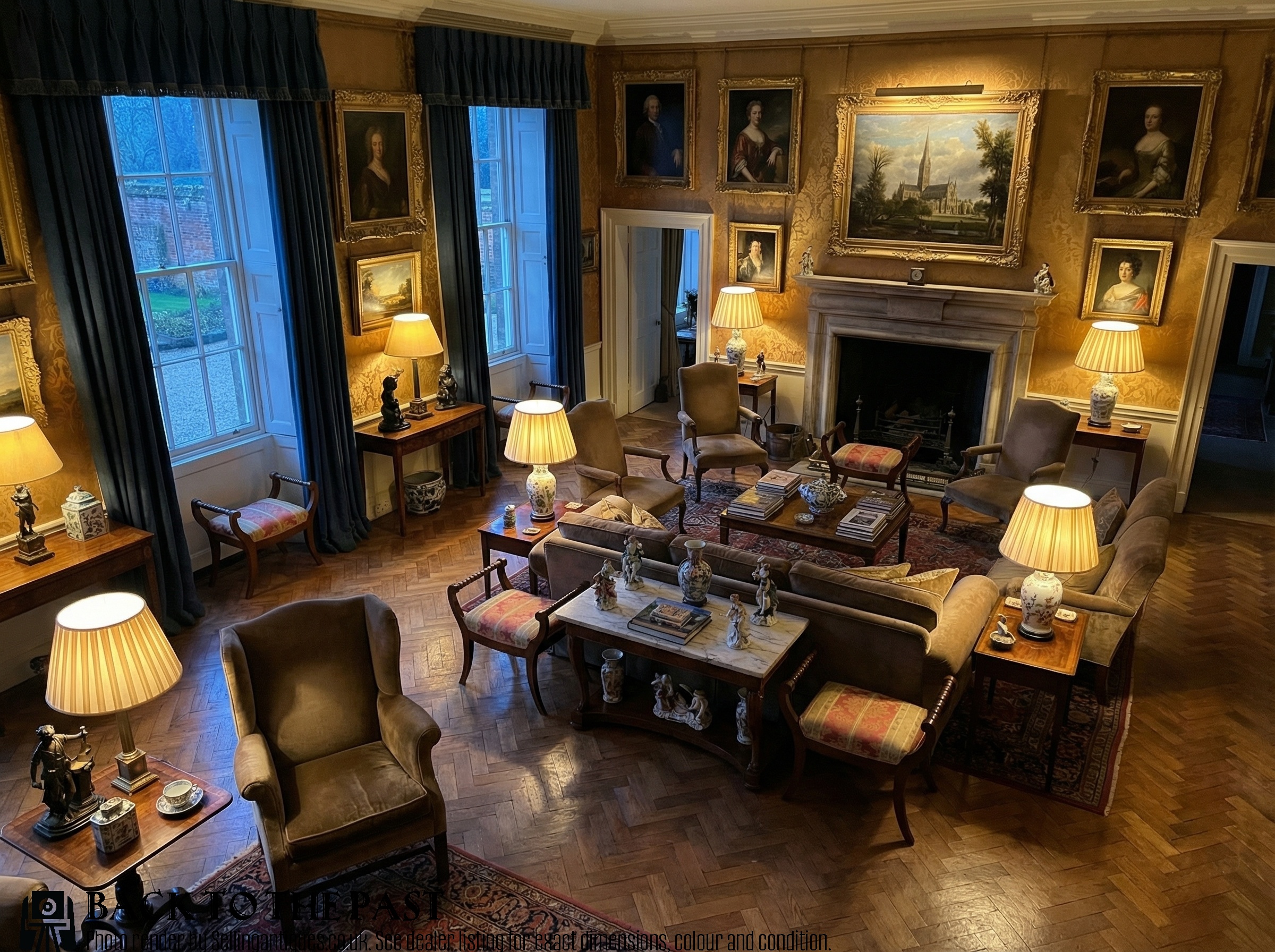
These seats suit bedroom dressing tables, providing a low-profile perch that tucks away neatly when not in use. Their compact size makes them adaptable for corners and window recesses.
They also work well at the foot of a bed or alongside a hallway chest as an occasional seat.