
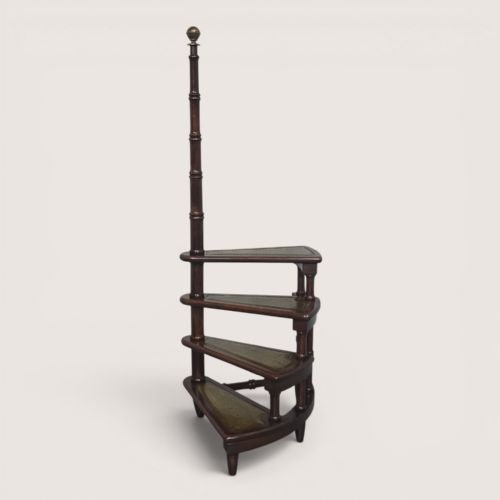


Set of Stools
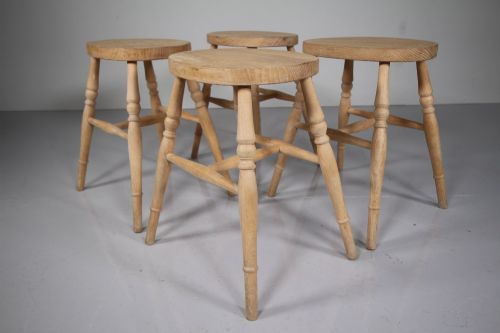
A set of antique stools offers practical seating formed through centuries of domestic and tavern use, built in oak, mahogany, and elm.
Set of Stools
A set of antique stools encompasses matched multiples intended for kitchens, dining rooms, libraries, and workshops, appearing frequently in oak, elm, and mahogany. Buyers searching this phrase encounter dining stools, industrial machinist pieces, and tall bar or kitchen seating spanning the eighteenth to the early twentieth century.
The material palette shifts from heavy regional timbers in earlier vernacular pieces to refined hardwoods and upholstered surfaces in Edwardian and Victorian examples. Multiples emerge in configurations ranging from pairs and trios up to sets of ten, reflecting their original purpose in communal spaces or domestic suites.
Materials and construction methods
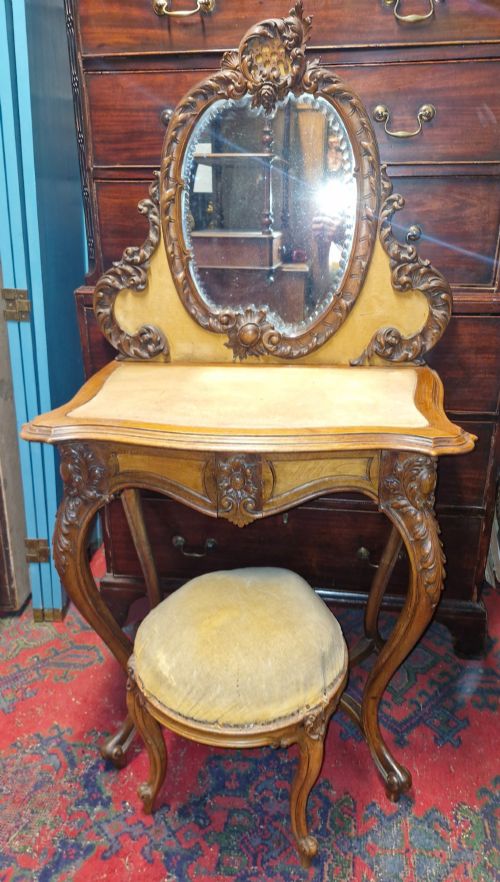
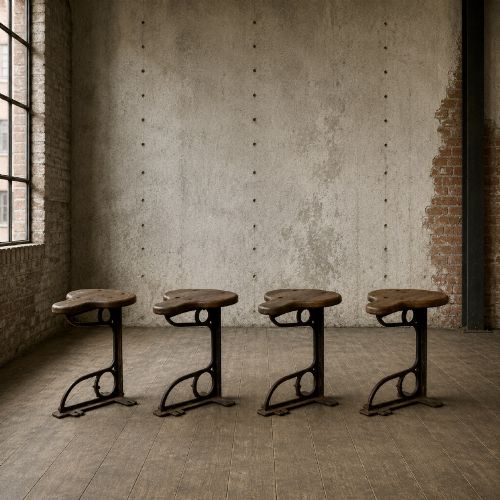
Traditional construction relies heavily on solid timbers such as oak, elm, and mahogany, shaped into turned legs and pegged joints that sustain structural integrity over generations. Industrial variants incorporate cast iron alongside pitch pine, while finer domestic versions integrate leather, fabric, and walnut.
Joinery methods range from traditional mortise and tenon joints in early country stools to steam-bent wood techniques seen in later twentieth-century seating. Surface finishes include polished wood, oil treatments, and hand-stitched upholstery buttons.
Listings feature oak, mahogany, walnut, elm, and pitch pine across periods spanning the eighteenth to the twentieth century.
Evaluating craftsmanship and uniformity
The distinction between standard utility seating and finer examples rests in the selection of timber and the precision of the joinery. Matched sets that retain their original components without later replacements command greater interest from collectors.
Proportion and execution define the hierarchy among surviving pieces, where crisp hand-carved details or uniform patination across all items in a group separate workshop-produced furniture from basic utilitarian objects.
Liberty·Rowley Gallery·John Tesch
The Set of Stools Glossary
- Joint stool
- A sturdy wooden stool constructed with mortise and tenon joints, commonly originating from the seventeenth and eighteenth centuries.
- Harlequin set
- A collection of seating that matches in general type and period but varies slightly in individual detail or minor dimensions.
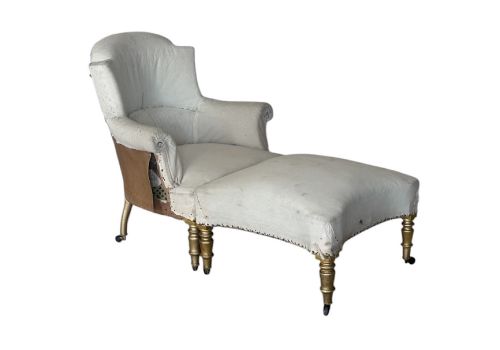
- Duchess brisee
- A multi-part upholstered seating arrangement combining an armchair with a matching stool or footrest.
- Bentwood
- Wood softened by steam and bent into curved structural forms, characteristic of nineteenth-century production methods.
- Pitch pine
- A dense, resinous softwood frequently utilised in industrial and workshop furniture during the nineteenth and early twentieth centuries.
Set of Stools: Frequently Asked Questions
How are antique stools cleaned?
Maintenance requires gentle dusting with a dry cloth and occasional application of appropriate beeswax to nourish bare timber surfaces.
Moisture and modern chemical sprays should be avoided to prevent damage to historic polishes and delicate wood grain.
What defines a true set?
A true set consists of pieces manufactured together in the same workshop, sharing identical dimensions, timber selection, and turning details.
Harlequin groups, by contrast, assemble items of similar age and style that were gathered together at a later date.
Where were kitchen stools used?
Kitchen stools served everyday domestic functions around farmhouse tables, hearths, and pantries where flexible seating was necessary.
Taller variants also equipped taverns, laboratories, and trade workshops before entering the domestic antiques market.
How to date wooden stools?
Dating relies on examining tool marks, timber species, joint construction methods, and the natural wear patterns accumulated over time.
Earlier pieces often display pegged joints and hand-sawn surfaces, while twentieth-century examples introduce machine-turned components and different fastening hardware.