

Upholstered Bench Seat
An upholstered bench seat brings together comfortable textile seating and sturdy timber framing, offering a versatile perch for halls, bedrooms and living rooms.
Upholstered Bench Seat
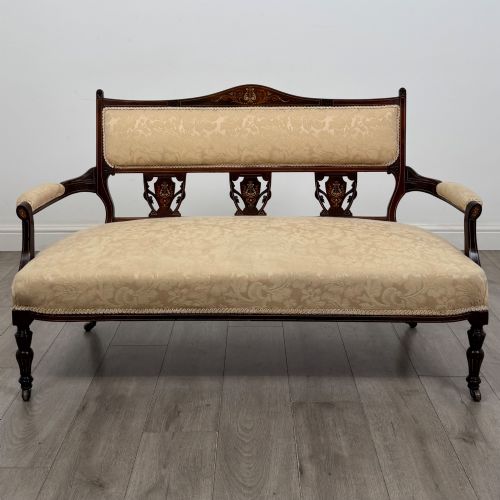
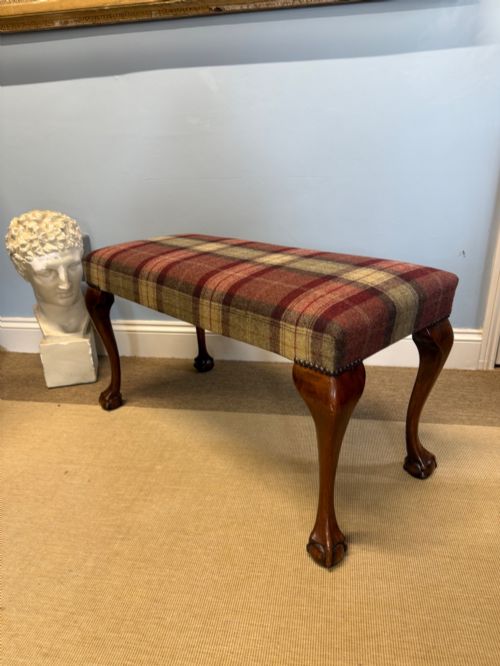
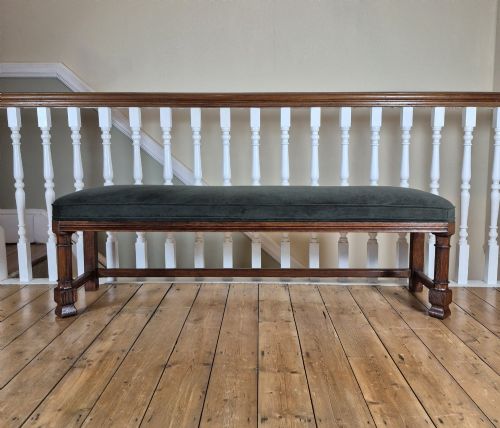
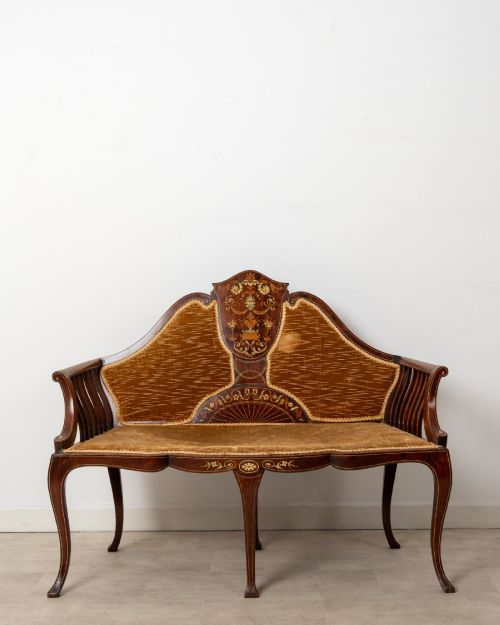
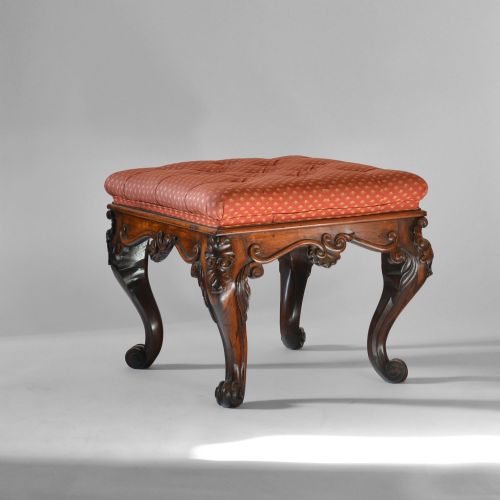
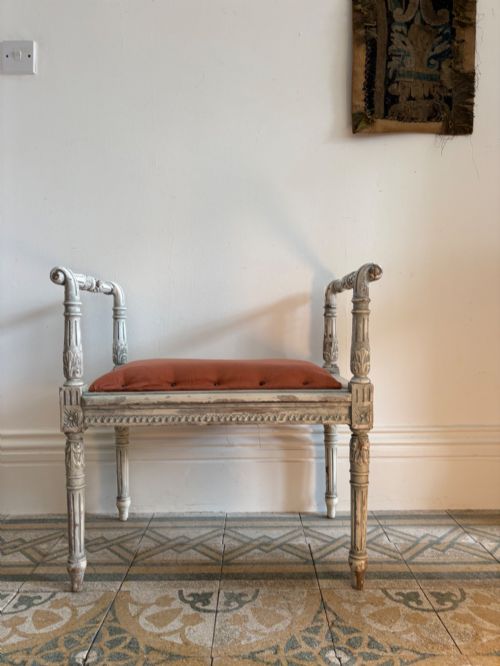
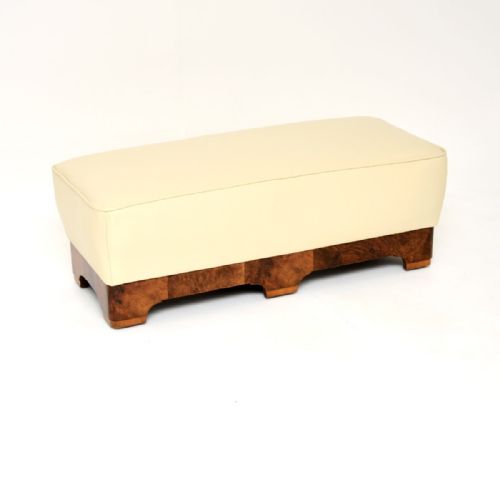
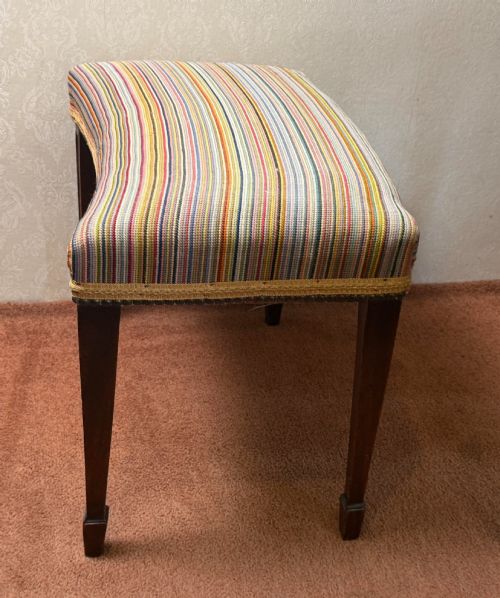
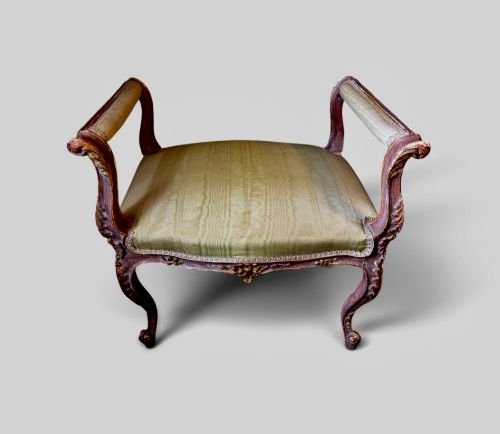
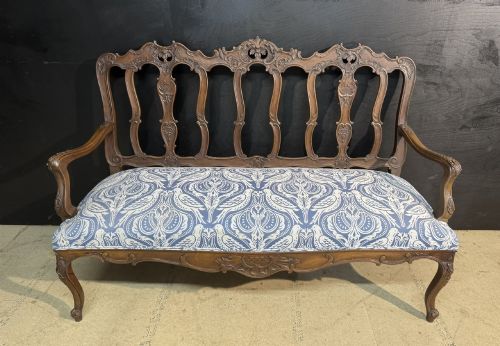
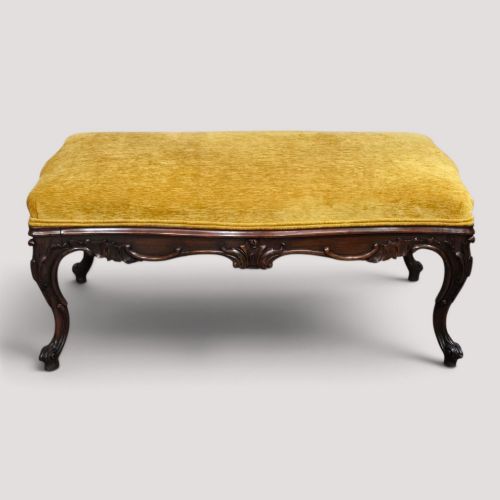
An upholstered bench seat bridges the gap between a conventional stool and a compact sofa, providing long seating areas or intimate perches. When exploring an upholstered bench seat, buyers encounter forms ranging from long footstools and window seats to piano benches and multi-seat settees.
The pieces listed span multiple centuries, including Victorian, Edwardian and Georgian eras alongside later 20th-century examples. Common formats include buttoned long stools, dressing table stools, and low daybeds designed for domestic placement beneath windows or at the foot of a bed.
How they were made
Craftsmen built the structural frames of these pieces using dense hardwoods such as mahogany, walnut, rosewood, oak and giltwood, occasionally incorporating cast iron or painted pine. These timbers provided the load-bearing rigidity required for daily domestic use.
Seating areas rely on textiles and padding, utilising materials like velvet, silk, needlework, leather, tartan, and standard woven fabrics, sometimes secured with brass detailing or buttoning techniques.
Listings for this phrase include items constructed from mahogany, rosewood, walnut, oak, giltwood, and painted pine.
What varies in quality
The standard of timber selection and carving defines the upper tier of these pieces, distinguishing robust cabinetry with detailed mouldings, inlays and cross stretchers from simpler utilitarian frames. Hand-carved giltwood, ebonised finishes and figured mahogany distinguish finer workshops from standard production.
Upholstery execution and textile choice also alter the character of a piece, separating straightforward recover jobs from meticulous historical restorations utilising traditional materials like silk, needlework, or specialist designer fabrics.
The Upholstered Bench Seat Glossary
- Window seat
- A long, narrow bench designed specifically to fit into the recess of a bay window. These pieces typically feature low frames and upholstered top surfaces.
- Giltwood
- Timber treated with a thin layer of gold leaf or gold paint. This finish appears frequently on decorative continental and revival frames.
- Cross stretcher
- An intersecting wooden brace positioned between the legs of a stool or bench to add structural stability. They often feature central turnings or finials.
- Settee
- A small upholstered sofa designed for two or more people. These combine the padded seating of an armchair with an extended wooden frame.
Upholstered Bench Seat: Frequently Asked Questions
Where should I place an upholstered bench seat?
These pieces suit positions at the foot of a bed, beneath a window, or along a hallway wall. Their compact depth allows them to fit narrow circulation spaces without blocking movement.
Longer formats function effectively as alternative seating in living rooms or dressing areas where backrests are unnecessary.
How do I distinguish a Victorian bench from an Edwardian one?
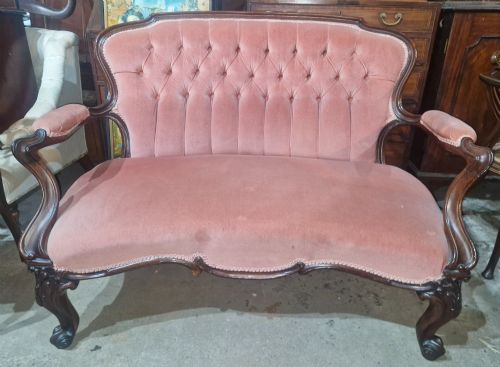
Victorian examples often employ heavier timbers like rosewood or walnut with deep buttoning, ornate carvings, and darker finishes. They reflect a preference for solid presence and rich texturing.
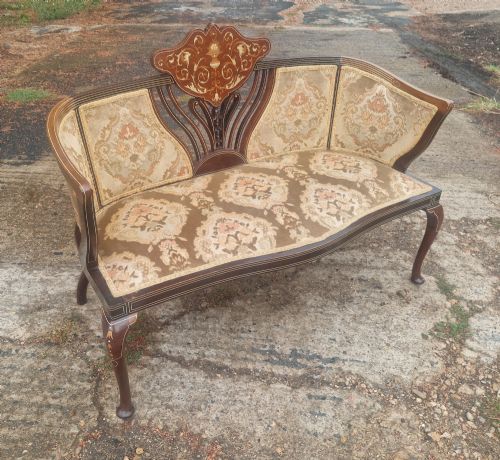
Edwardian pieces generally feature lighter mahogany or satinwood inlays, cleaner lines, and brighter aesthetic influences such as Sheraton or neoclassical revivals.
Can I use a piano stool as regular seating?
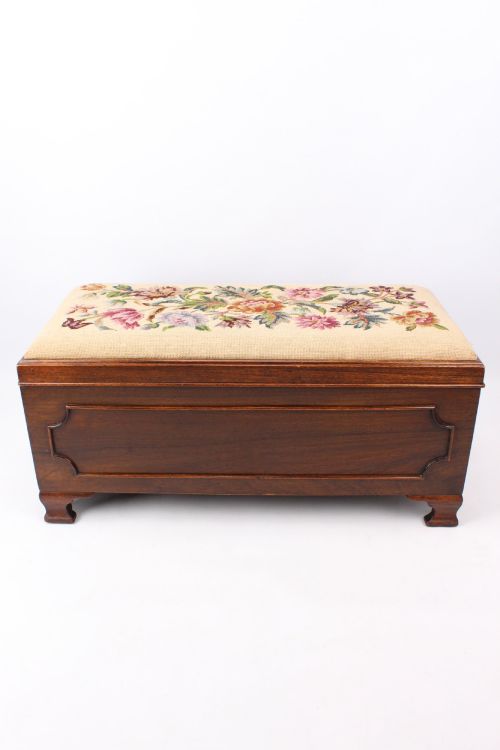
Piano stools and duet stools provide stable platforms suitable for seating at dressing tables or in hallways. Many incorporate lift-up lids or adjustable height mechanisms.
Check the internal depth if you plan to use the storage compartment for household items.
What is the difference between a bench and a settee?
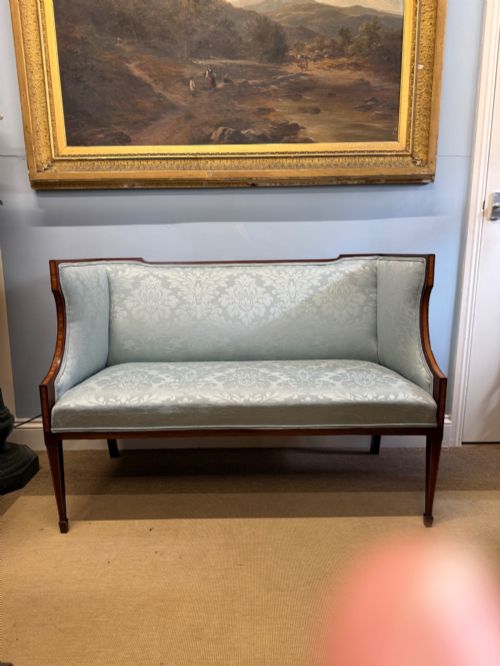
A bench relies primarily on an open frame and a top upholstered surface, sometimes including arms but rarely a full backrest. Settees incorporate upholstered backs and side panels resembling miniature sofas.
Both categories appear frequently in longer multi-seater formats suitable for halls and living spaces.