
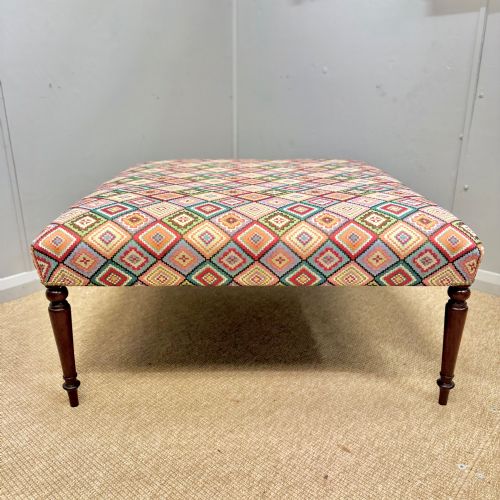
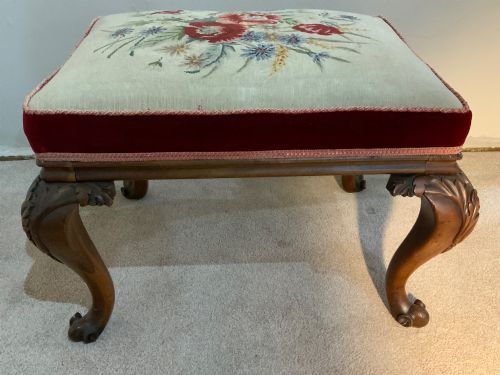
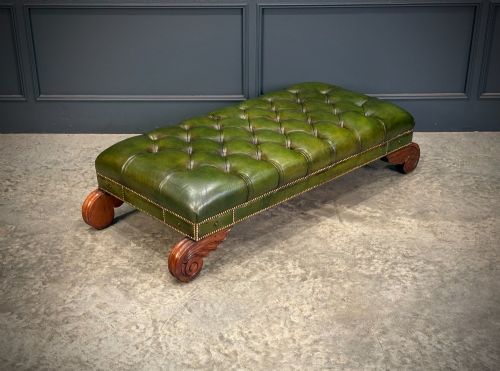
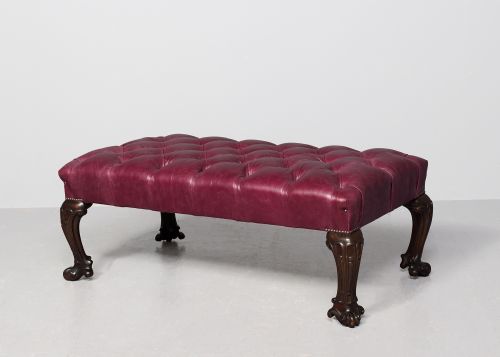
Mahogany Leg Footstool
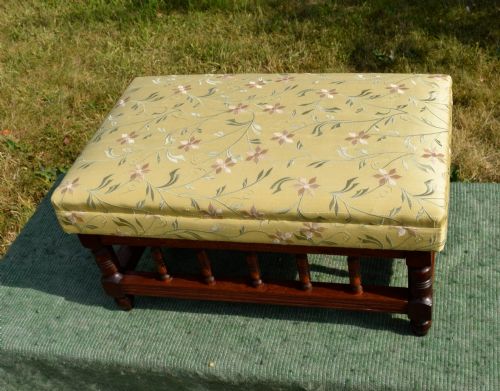
A mahogany leg footstool brings solid timber framing and traditional upholstery together to support tired feet or provide extra seating.
Mahogany Leg Footstool
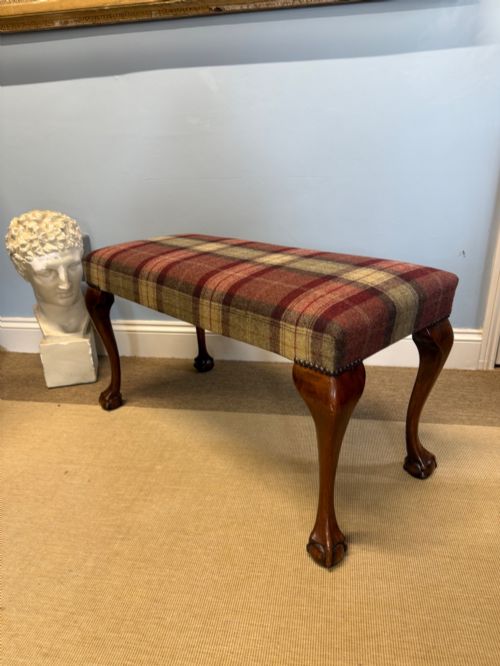
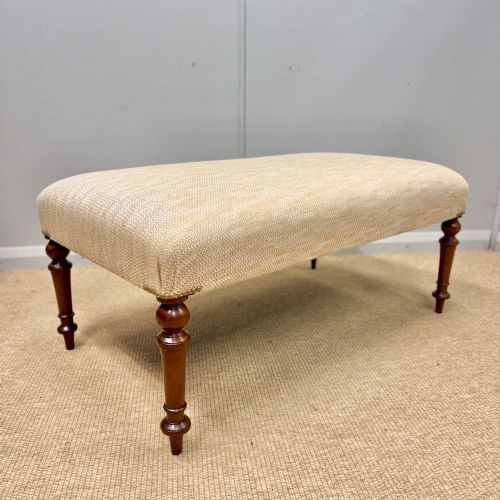
A mahogany leg footstool stands as a versatile piece of seating furniture found across multiple eras from the eighteenth century through the Edwardian period. These items appear in various formats including dressing stools, piano stools, long stools, and low footstools designed for comfort.
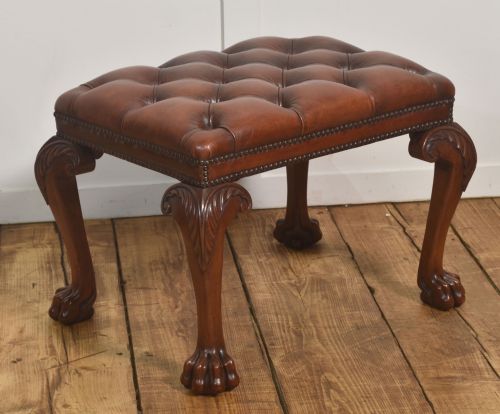
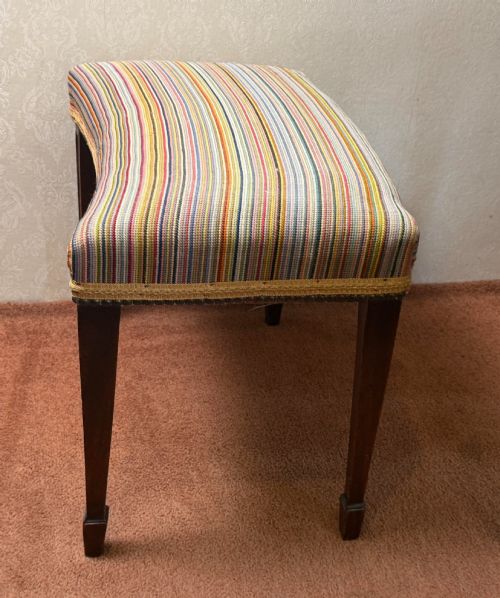
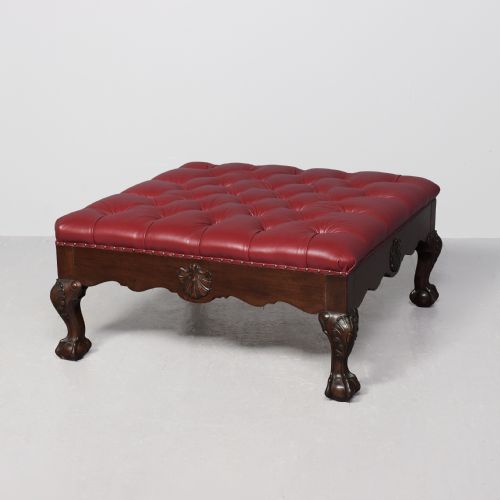
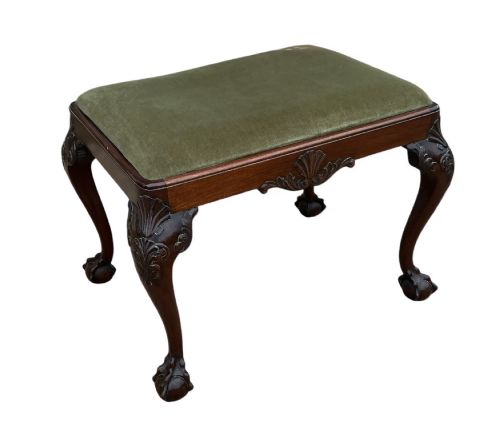
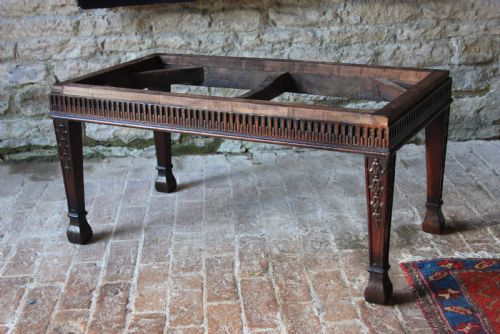
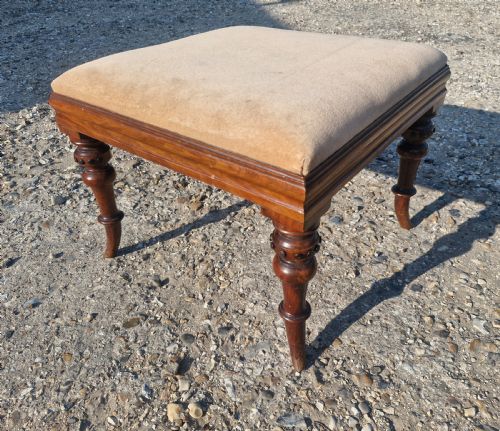
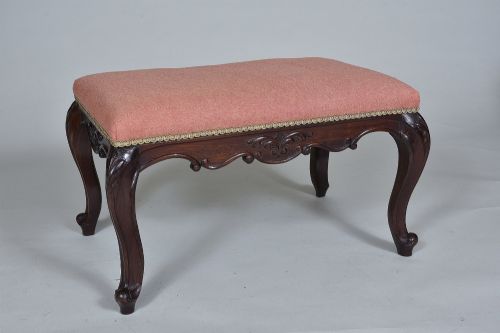
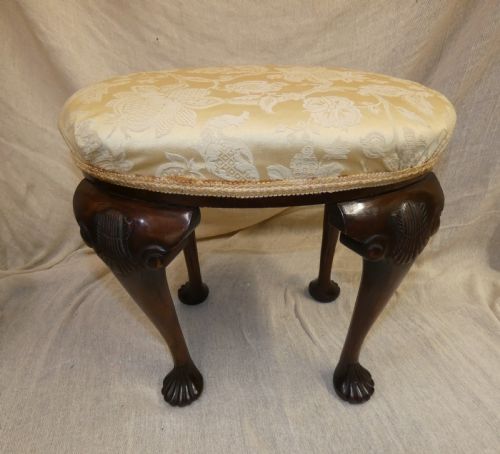
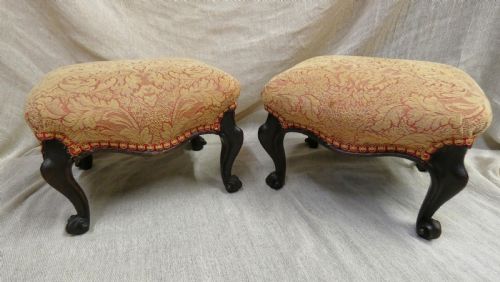
The nineteenth-century examples dominate the selections here, frequently featuring cabriole legs, turned supports, or square tapering legs. Buyers will also encounter revival styles such as Chippendale and Queen Anne alongside earlier Georgian items.
Judging the standard
The grade of the timber and the crispness of the woodwork set the baseline for quality in these furnishings. Hand-carved details on cabriole legs show greater artisan skill than plain turned supports.
The choice of upholstery material, from standard fabric to buttoned leather or hide, influences the character and durability of the piece. Substantial framing and well-preserved structural integrity elevate the standing of any stool.
Listings feature mahogany frames paired with materials including leather, velvet, wool, tapestry, and brass castors across the Victorian and Edwardian periods.
Howard And Sons·Whytock And Reid·Liberty And Co
The Mahogany Leg Footstool Glossary
- Cabriole leg
- A furniture leg that curves outward at the knee and tapers inward to an ankle, mimicking an animal limb. This form appears frequently on eighteenth and nineteenth-century seating.
- Gout stool
- An adjustable footstool designed to elevate and support the foot of someone suffering from gout. These items often feature a mechanical tilting mechanism.
- Caned top
- A seat woven from split rattan or cane in a patterned mesh. This technique provides a lightweight and breathable surface for tables and stools.
- Kilim
- A flatwoven textile originating from the Middle East or Eastern Europe. These woollen rugs and fabrics frequently find new life as durable upholstery on antique stools.
- Sabre leg
- A concave-curved furniture leg that tapers toward the foot, popular during the Regency period. It creates a sleek, outward-flaring silhouette.
Mahogany Leg Footstool: Frequently Asked Questions
What is a mahogany leg footstool used for?
These pieces function primarily as footrests, low seats, or dressing table stools in living spaces and bedrooms.
Larger long stools also serve as occasional seating benches when hosting guests.
How do I date a mahogany stool?
Examining the leg style, timber colour, and joinery helps determine the era of manufacture.
Cabriole legs often point to Georgian or Victorian revival periods, while square tapering legs frequently indicate eighteenth-century origins.
Can I use an antique stool daily?
Solid mahogany construction provides the durability needed for regular use in a modern home.
Checking the frame stability ensures the timber supports everyday weight without strain.
What is a gout stool?
A gout stool includes an adjustable mechanism to change the angle of the footrest.
Victorian examples often combine this feature with mahogany frames and upholstered surfaces.