
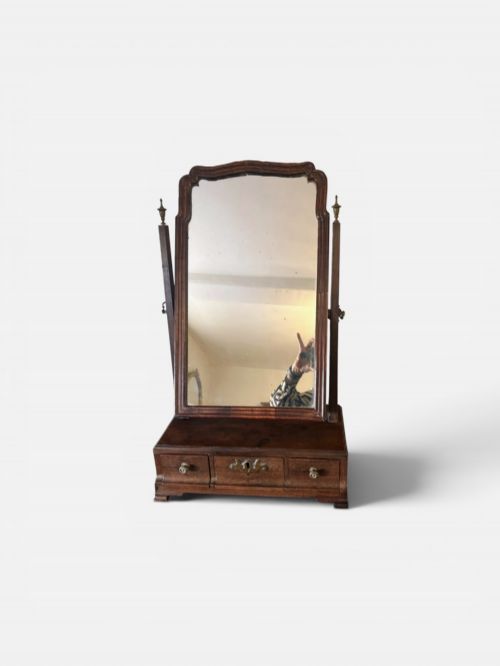
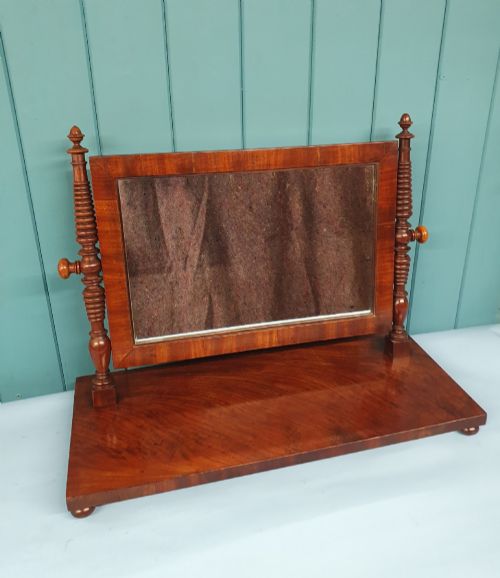

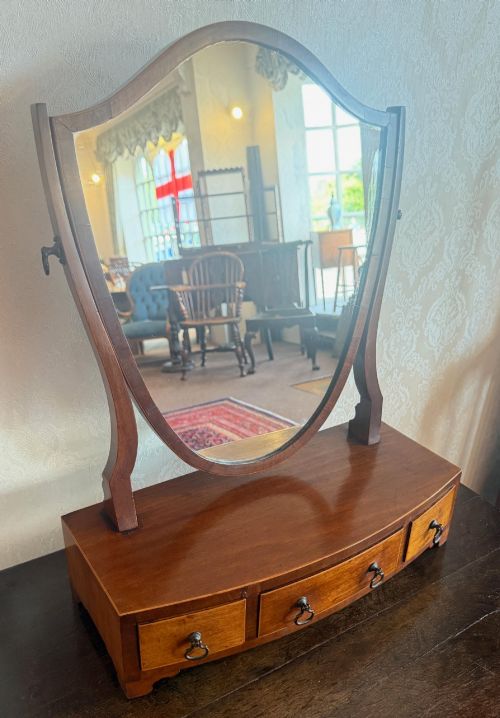
Brown Wood Dressing Glass
These brown wood dressing glass pieces span Georgian, Regency and Victorian periods, offering swing and cheval mirrors designed for the bedroom.
Brown Wood Dressing Glass
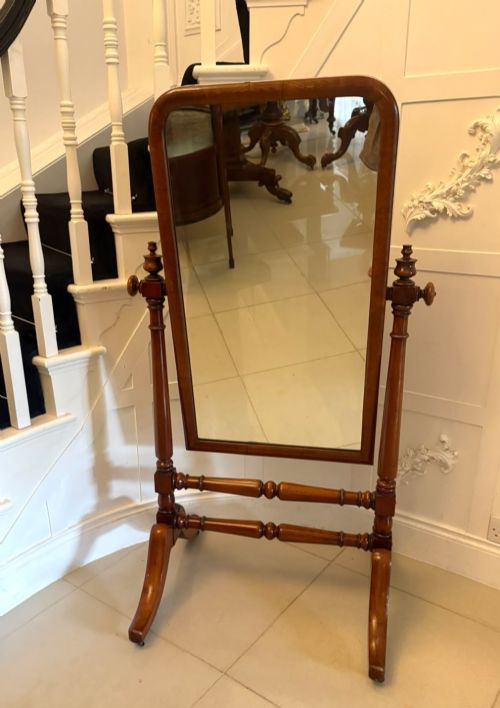
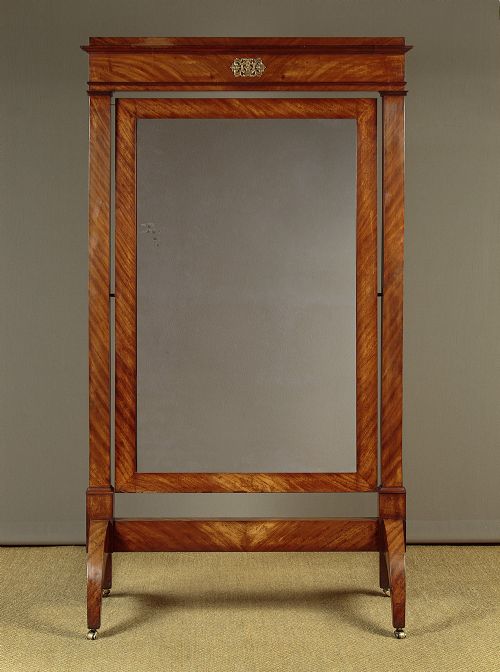
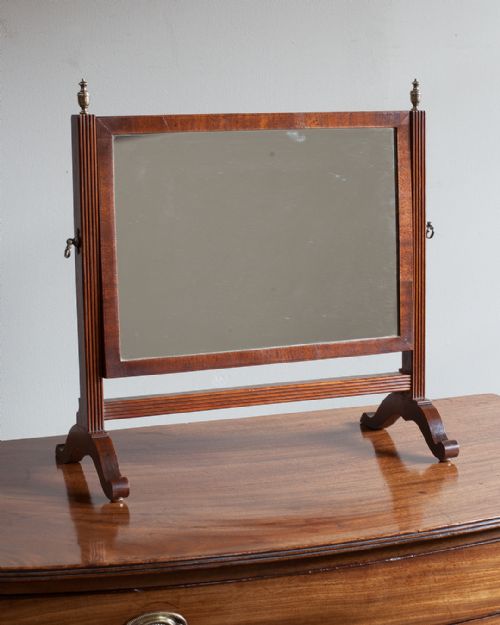
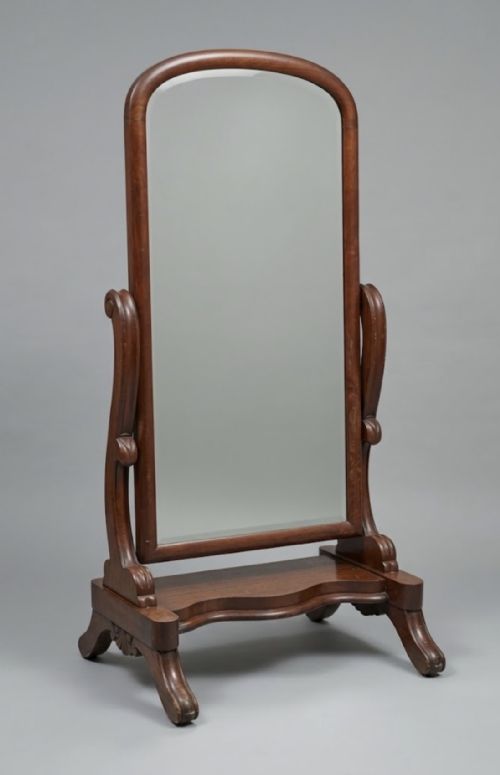
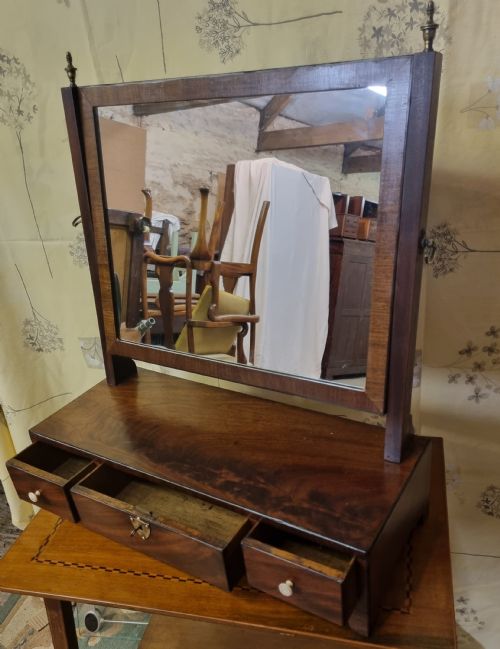
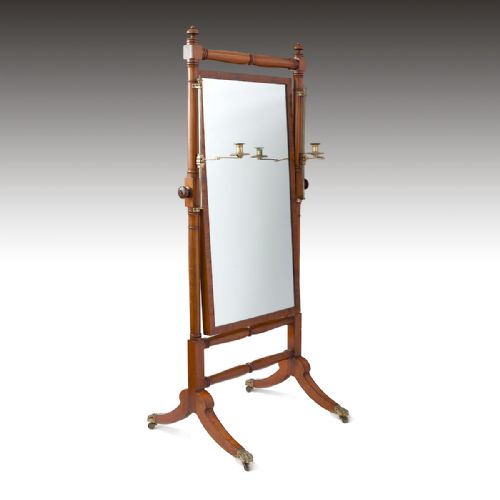
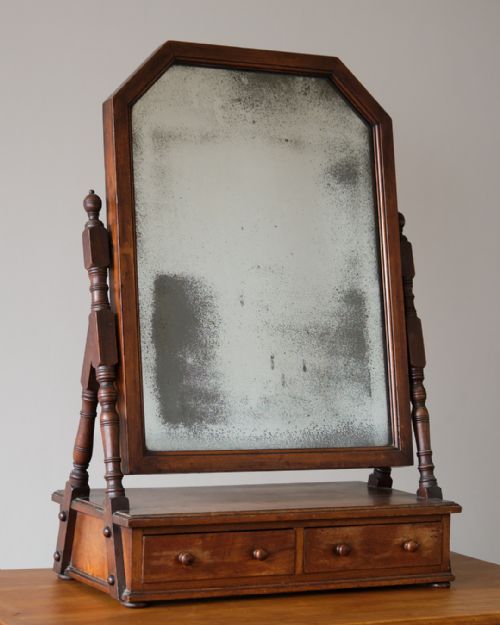
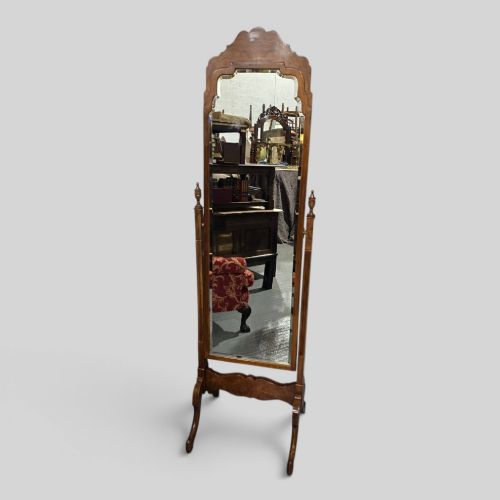
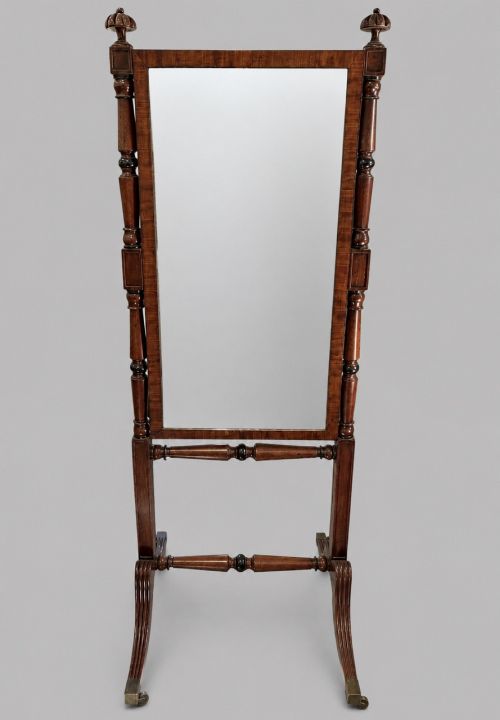
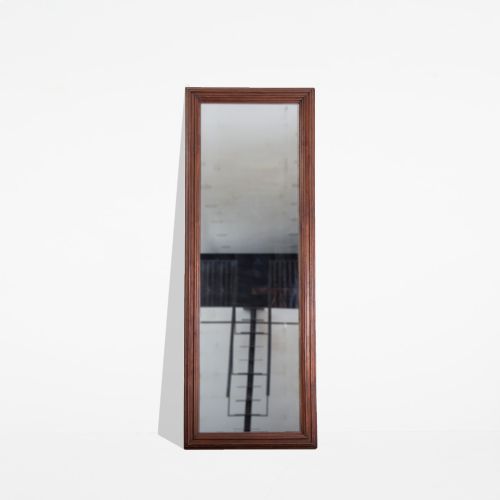
A brown wood dressing glass typically takes the form of a tabletop swing mirror or a larger freestanding cheval mirror. When you search for a brown wood dressing glass, you encounter pieces intended for the dressing table or the bedroom floor. The selection on this page relies primarily on mahogany, walnut and oak frames dating from the eighteenth century to the early twentieth century.
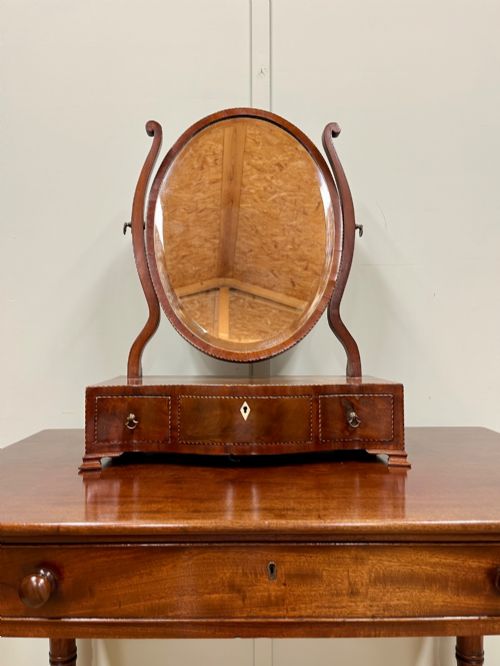
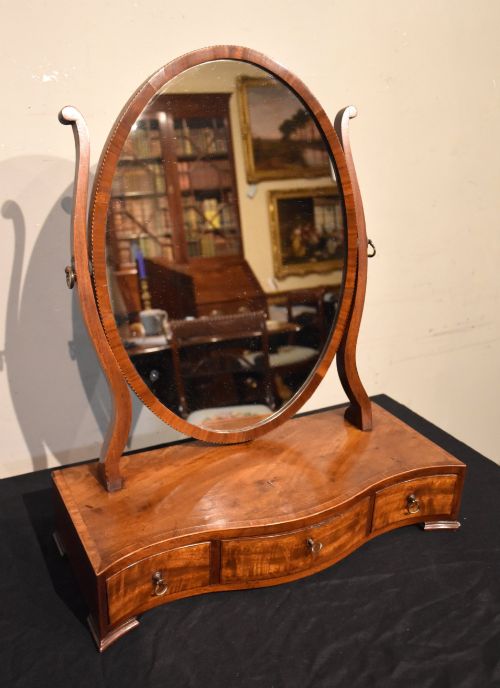
Most examples sit atop small drawer bases, often featuring serpentine or bow fronts with brass hardware and bone escutcheons. The mirror glass itself pivots between upright posts or stands within a full-length floor frame. These utilitarian yet decorative items reflect the shifting fashions of bedroom furniture across the Georgian, Regency and Victorian eras.
Materials and Construction
Cabinetmakers utilised solid timbers and veneers such as mahogany, walnut and burr walnut, frequently applying boxwood stringing or crossbanding for surface contrast. Frames were joined using traditional cabinet techniques to support the weight of the pivoting glass plate. Brass screws, pivots and candle arms, where present, allowed the user to adjust the angle of reflection.
The mirror plates themselves were typically silvered glass, held securely within rebated wooden frames. Smaller tabletop versions rest on miniature bracket feet or ogee feet beneath small drawers, while larger cheval mirrors utilise heavy floor-standing side supports.
Assessing Quality and Proportion
The quality of a brown wood dressing glass lies in the selection of timber figure, the crispness of the joinery and the proportions of the frame. Finer examples display carefully matched mahogany or burr walnut veneers, subtle crossbanding and well-figured grain patterns across the drawer fronts and upright posts.
Consideration is also given to the originality of the brass hardware, the condition of the mirror plate and the weight of the timber construction. Pieces that retain their original proportions and uncompromised structural integrity command closer attention from collectors.
Heal And Sons·Gillow
The Brown Wood Dressing Glass Glossary
- Cheval mirror
- A large freestanding floor mirror that swings within a vertical frame. This style allows a full-length view and typically stands on four supporting legs.
- Toilet mirror
- A smaller tabletop dressing mirror designed to sit on a chest of drawers or dressing table. It usually incorporates small drawers in the base.
- Crossbanding
- A decorative border of veneer laid with the grain running perpendicular to the main panel. This technique frames the primary timber surface.
- Serpentine front
- A furniture front characterised by a gently undulating line, curving outward in the centre and inward at the sides. It adds visual movement to the base drawers.
- Swing mirror
- A glass plate mounted on pivots between two upright posts, allowing the user to tilt the reflection. The mechanism relies on adjustable side screws.
Brown Wood Dressing Glass: Frequently Asked Questions
What is a brown wood dressing glass?
A brown wood dressing glass is a mirror designed for grooming and dressing, typically made from mahogany, walnut or oak. These pieces range from small tabletop swing mirrors with drawers to large freestanding cheval mirrors.
Historically placed in bedrooms and dressing rooms, they provided adjustable reflections before electric lighting and fitted wardrobes became standard.
How do I date a Georgian dressing mirror?
Dating a Georgian mirror involves examining the timber species, secondary woods, construction methods and drawer dovetails. Earlier pieces from the eighteenth century often feature finer mahogany grains and hand-cut dovetails.
Details such as brass ogee feet, boxwood stringing and the style of the mirror supports also help narrow down the period of manufacture.
Where should I place a cheval mirror?
A cheval mirror requires adequate floor space and a stable surface to stand securely without risk of tipping. Because they are freestanding, they fit well in bedrooms, dressing areas or hallways.
Positioning them near natural light sources helps maximise their reflective quality and utility in daily use.
Are the mirror plates original on these pieces?
Many older dressing mirrors retain their original mercury or early silvered glass plates, which often display light foxing, minor speckling or gentle age spots. These natural signs of ageing confirm the authenticity and period of the glass.
Replacement mirror plates do occur in pieces that have seen centuries of practical use and maintenance.