
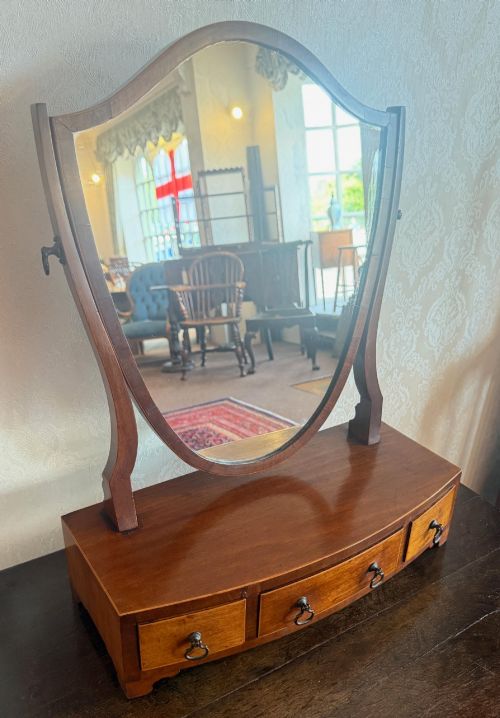

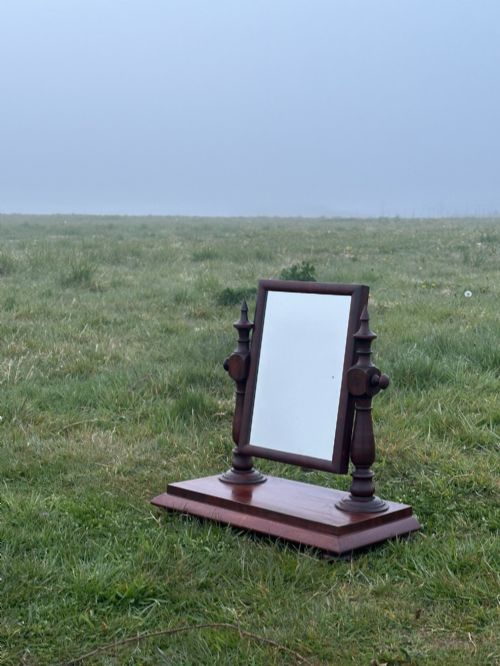

Brown Wood Cheval Mirror
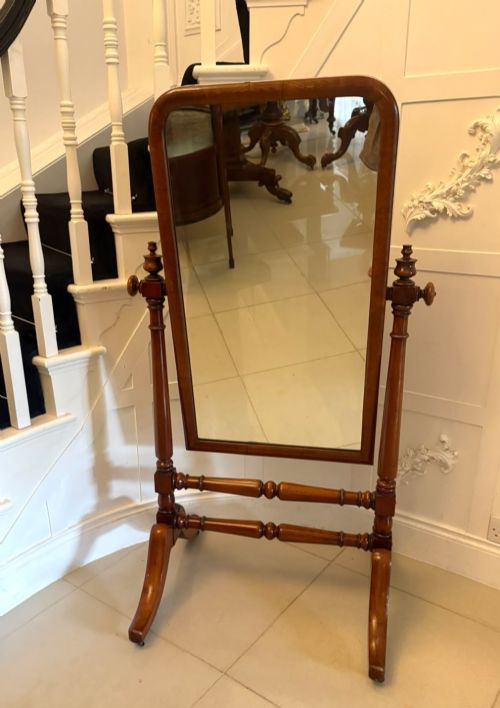
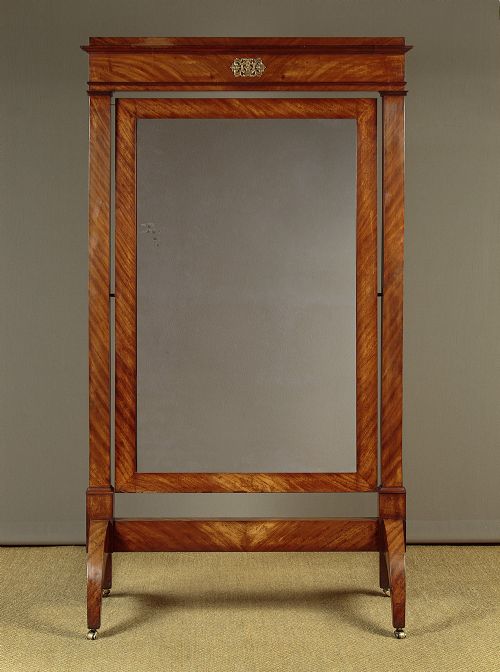
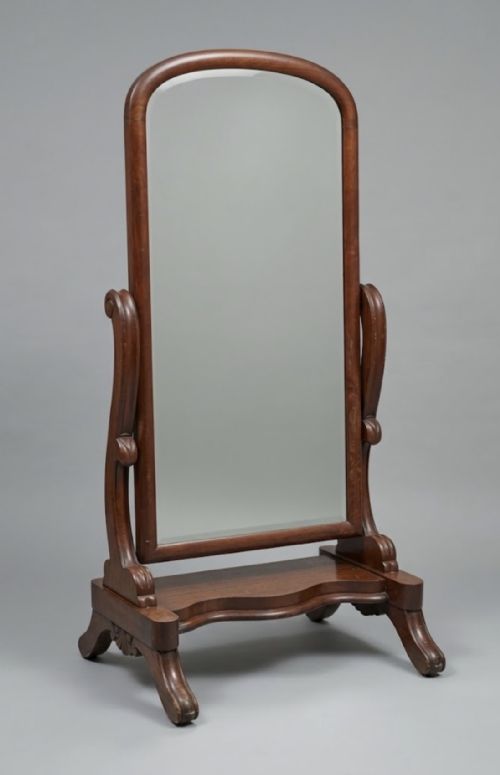
A brown wood cheval mirror stands ready to anchor a dressing room, offering a full-length reflection framed in rich timber.
Brown Wood Cheval Mirror
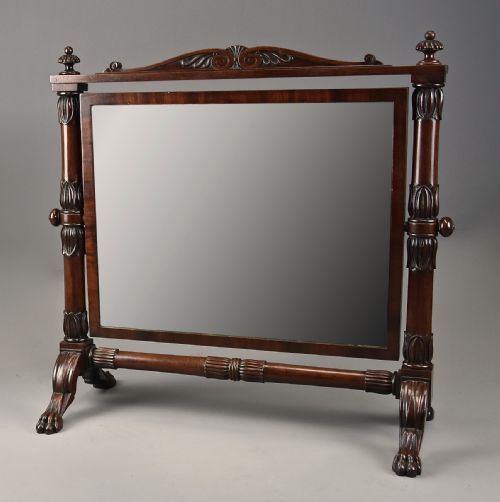
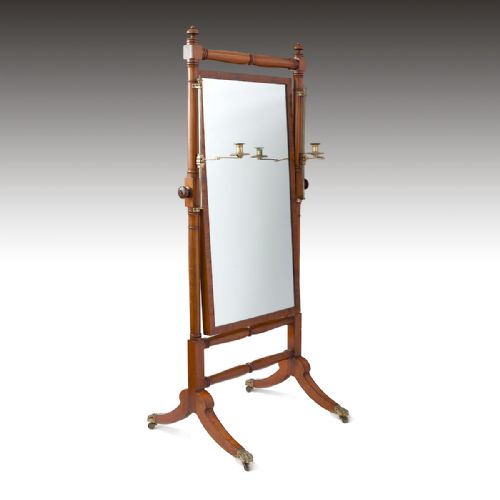
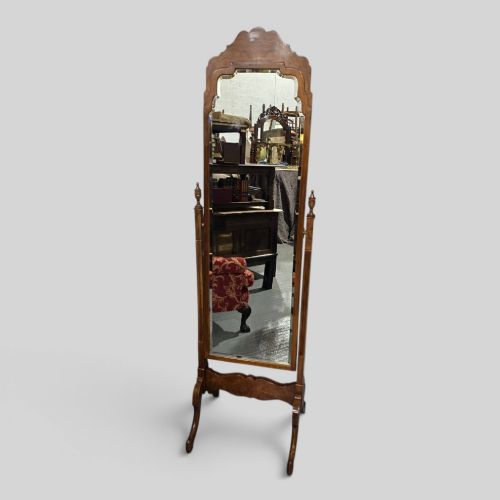
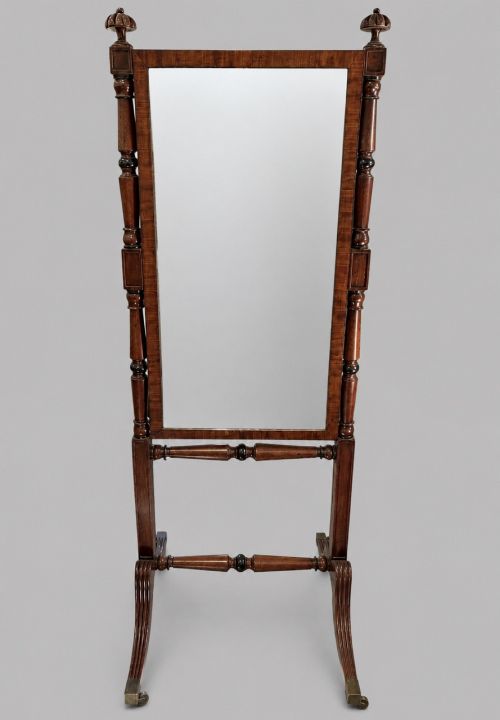
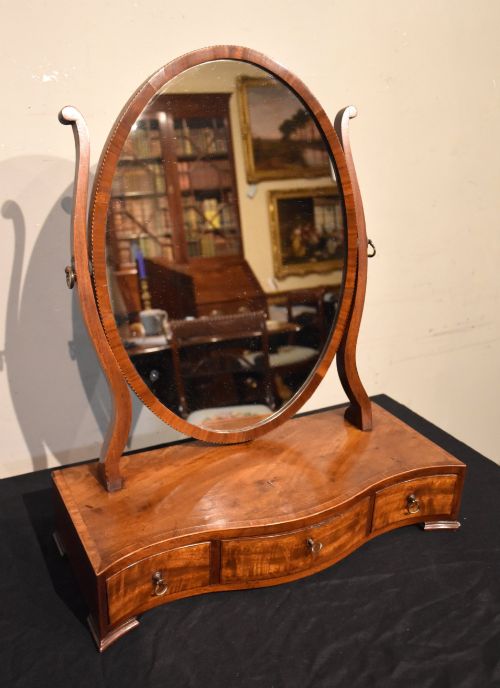
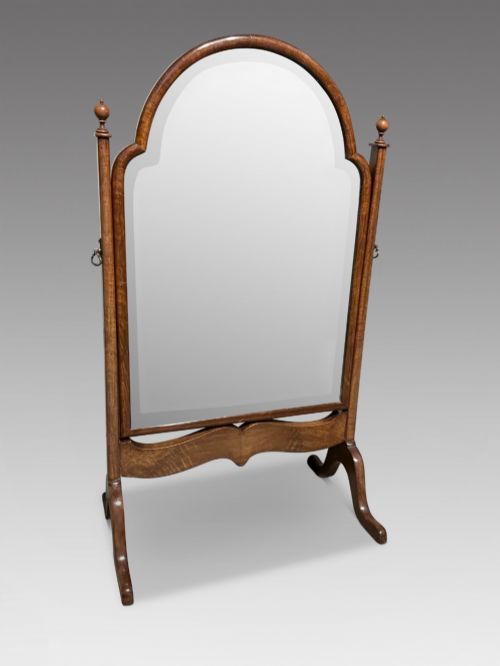
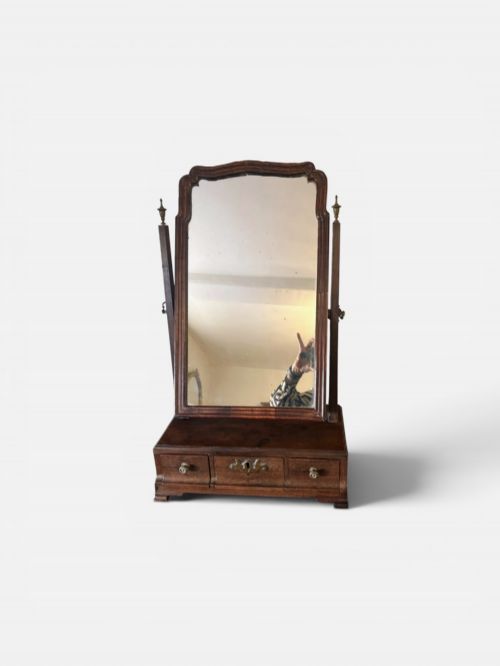
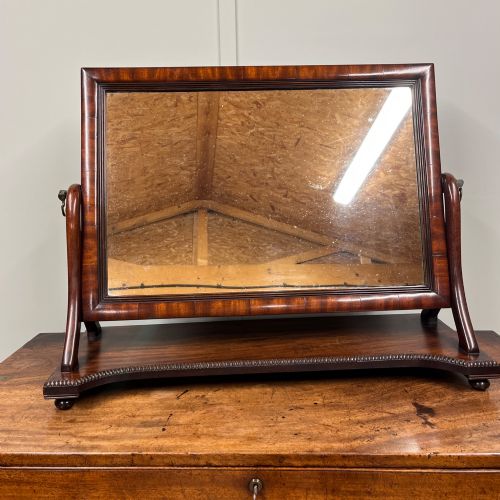
A brown wood cheval mirror is a freestanding, full-length glass mounted in a pivoting frame supported by four legs or a heavy platform base. When you search for this phrase, you meet tall floor-standing examples alongside smaller tabletop dressing glasses from the eighteenth, nineteenth and early twentieth centuries.
The materials you encounter most frequently in these listings span solid mahogany, Cuban mahogany, burr walnut and ordinary walnut, often accented with brass fittings or bone details. Styles range from strict Georgian and Regency lines to elaborate Victorian Gothic Revival and Queen Anne interpretations.
These pieces served bedrooms and dressing rooms as functional items for checking attire before stepping out. Today they remain practical additions to domestic spaces, providing deep timber tones and useful height without demanding permanent wall fixtures.
How they were made
Cabinetmakers constructed these frames using dense hardwoods like mahogany and walnut, frequently selecting Cuban mahogany for its exceptional grain and weight. Timber planks were joined with traditional cabinetry methods to bear the heavy load of the pivoting mirror frame.
Mirrors relied on hand-cast brass pivot pins, screws and candle arms that allowed the glass to tilt smoothly at any angle. Surfaces received hand-rubbed wax or polish finishes to highlight the natural figures of the wood without masking the grain.
Several mirrors carry the scars of past centuries, having watched generations adjust their cravats and bonnets.
What varies in quality
The distinction between ordinary and superior pieces rests in the selection of the timber and the refinement of the carved details. Dense Cuban mahogany or figured burr walnut indicates a more costly original commission than plain utility woods.
Hardware quality marks the difference clearly, as heavy cast brass pivots and original fittings show a higher standard of manufacture than replaced or flimsy iron components. Proportions also dictate value, with grander country house proportions displaying more harmonious balance than utilitarian workshop builds.
P & MA Nicholson·Gillow
The Brown Wood Cheval Mirror Glossary
- Cheval mirror
- A large, freestanding dressing glass mounted in a pivoting frame so the user can tilt the whole assembly. It stands on the floor rather than resting on a table.
- Toilet mirror
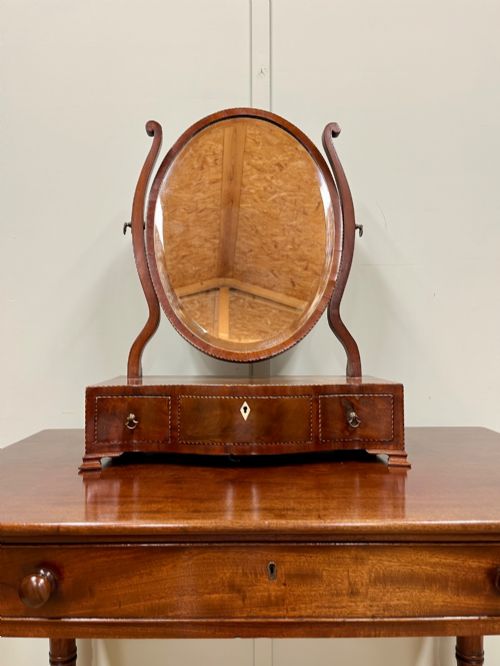
- A smaller dressing mirror designed to sit atop a chest of drawers or a dressing table. These often feature small storage drawers built into the wooden base.
- Cuban mahogany
- A dense, dark timber harvested in the Caribbean, prized for its strength and rich grain patterns. Cabinetmakers utilised it extensively for high-end furniture during the eighteenth and nineteenth centuries.
- Swing mirror
- An alternative term for any dressing glass mounted on pivots that permit the plate to tilt back and forth. The frame swings between two upright pillars.
- Burr walnut
- A highly decorative wood veneer taken from the knotted growths of walnut trees. It exhibits swirling, organic patterns favoured by makers of luxury furniture.
Brown Wood Cheval Mirror: Frequently Asked Questions
How do I date a brown wood cheval mirror?
Dating relies on observing the timber species, the turning of the upright supports, and the style of the base construction. Georgian and Regency pieces tend to show slender, elegant framing, whilst Victorian versions often feature heavier proportions and carved ornamentation.
Examining the fixings, screw threads and backboards provides further clues. Hand-cut elements and original brass hardware point firmly to earlier nineteenth-century manufacture.
Where should I place a cheval mirror?
These tall mirrors function best in bedrooms, dressing rooms, or wide hallways where adequate floor space allows the piece to stand clear of foot traffic. Position them near natural light sources to maximise the reflection and brighten the room.
Ensure the floor beneath is reasonably level so the heavy frame rests securely on its feet without rocking on its pivots.
What is the difference between a cheval and a toilet mirror?
A cheval mirror is a full-height, freestanding floor piece designed to show an entire outfit. A toilet mirror is much smaller and sits upon a table surface, originally intended for grooming the face and hair.
Both utilise pivoting frames, but their scale and placement in the home serve entirely different purposes.
How do I care for the wood finish?
Maintain the polished timber surface by dusting it regularly with a dry, soft cloth. Apply a quality natural beeswax polish occasionally to nourish the antique wood and preserve its deep lustre.
Avoid placing the mirror in direct sunlight or near heat sources, as extreme temperature changes can cause the timber to split or warp.