






Brown Wood Chest Stand
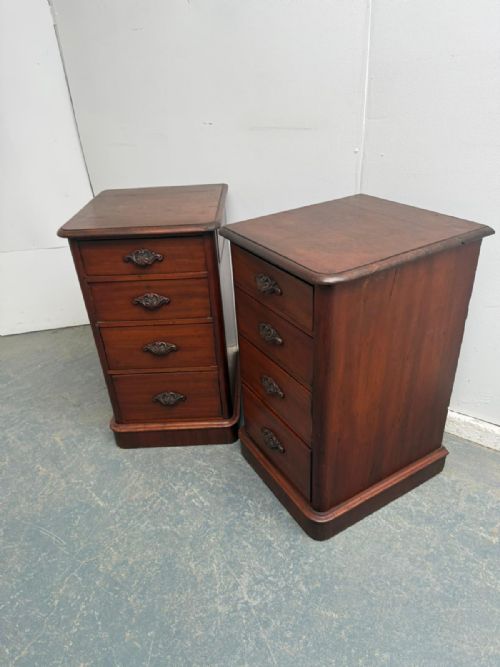
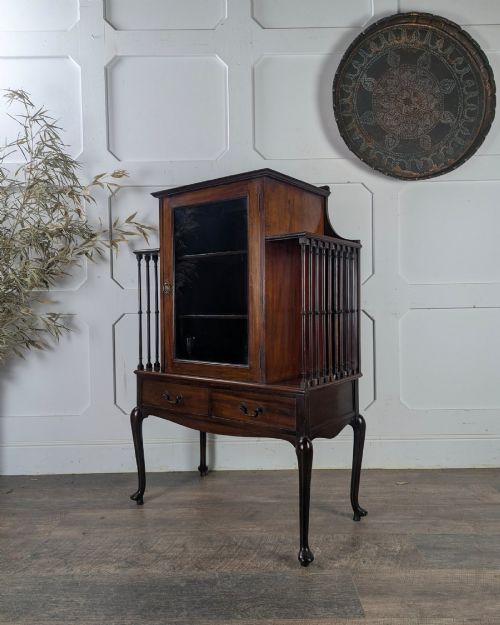
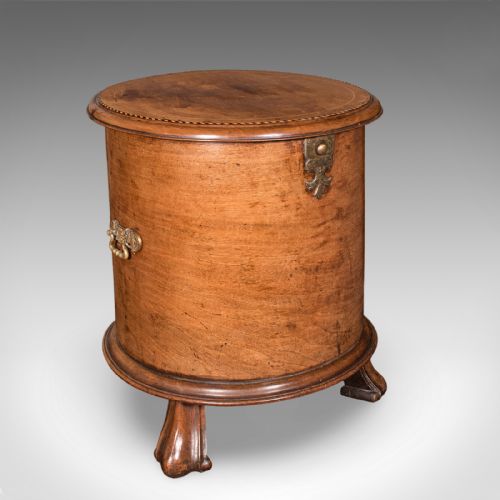
A brown wood chest stand combines elevated joinery with capacious storage, offering an organised footprint for period interiors.

Brown Wood Chest Stand
A brown wood chest stand brings together a raised base and a fitted container, taking forms such as chests on stands, cabinets on stands, and bible boxes on stands. These pieces emerge across periods from the seventeenth century through the Georgian era to the early twentieth century.
The versions most commonly met on this page span the walnut and oak eras of the seventeenth and eighteenth centuries, alongside later mahogany interpretations. Buyers encounter compact proportions designed to lift the primary storage compartment away from damp floors.
Makers construct these items using diverse timbers, pairing substantial primary woods with specialised standing frames. The elevation creates a lighter visual weight than a standard floor chest while maintaining interior capacity.
Materials and construction
Craftsmen employ timbers such as mahogany, walnut, oak, burr walnut, satinwood, and olive wood, often selecting rich veneers like oyster cuts to cover structural carcases. Brass hardware, including handles and binding, adds functional detail alongside glass components.
Joinery techniques involve aligning the upper chest securely onto a dedicated stand, which frequently incorporates cabriole or straight legs. Surface treatments utilise wax finishes and precise inlay work to accentuate the grain of the brown wood.
An architect's desk by Edwards & Roberts brings drafting precision straight to the parlour.
Assessing quality
Quality rests in the choice of timber and the harmony between the upper chest and its underlying stand. Finer examples display carefully matched veneers, such as oyster cut olive or burr walnut, combined with proportional leg architecture.
The integrity of the structural joinery where the chest meets the stand dictates the lasting stability of the piece. Superior execution is visible in crisp inlay work, original brass mounts, and timber selection that retains deep natural colour.
Edwards & Roberts
The Brown Wood Chest Stand Glossary
- Chest on stand
- A storage chest elevated upon a separate or integrated base with legs. This form raises the contents for easier access and lighter visual proportion.
- Oyster veneer
- Circular or oval slices cut across small branches to create patterned surfaces resembling oyster shells. This technique flourished in the seventeenth century.
- Cellarette
- A lockable container used for storing wine bottles near the dining table. They frequently appear on dedicated stands or with brass binding.
- Teapoy
- A small box or chest designed to hold tea, often mounted on a pillar or low stand. These items emerged during the Georgian and nineteenth-century periods.
- Inlay
- A decorative technique where contrasting woods or materials are set into the surface of the primary timber. Satinwood is a frequent choice for this contrast.
Brown Wood Chest Stand: Frequently Asked Questions
What is a brown wood chest stand used for?
These pieces provide elevated storage for domestic items, ranging from documents and textiles to specialised collections. The raised stand keeps the main compartment clear of the floor while offering a distinct silhouette.
In period interiors, they serve as focal furniture items that combine surface display space with concealed organisation. Their varied internal configurations accommodate diverse storage needs.
How do I date a chest on stand?
Dating relies on observing the primary timber, leg style, and construction methods characteristic of different eras. Seventeenth-century pieces often feature oak or olive oyster veneer, whereas Georgian examples favour mahogany with cabriole or straight legs.
Later revival pieces from the early twentieth century often replicate earlier styles while utilising machine-cut elements or distinct interior linings. Examining the timber grain and hardware helps confirm the period.
How do I care for antique brown wood?
Maintain the timber by keeping the piece away from direct heat sources and strong sunlight, which can dry out veneer and bleach the colour. Regular gentle dusting with a dry cloth preserves the polished finish.
Occasional application of appropriate wax feeds the wood without building up excessive residue. Avoid placing damp items directly on the surface to protect the historic polish.
Are these stands attached to the chests?
Some configurations feature an integrated base where the legs form part of the primary carcase structure. Other examples consist of two separate pieces, with the upper chest resting securely upon a matching stand.
When purchasing, it is helpful to verify whether the stand and chest share the same period of origin and timber characteristics. This ensures historical consistency between the upper and lower sections.