
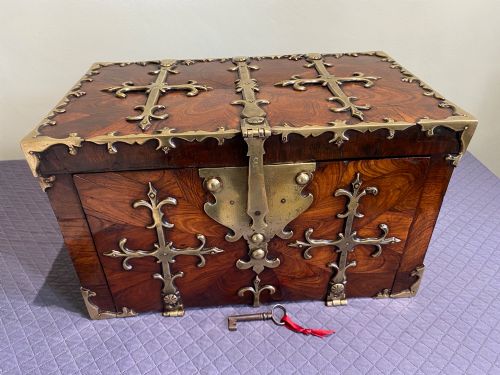


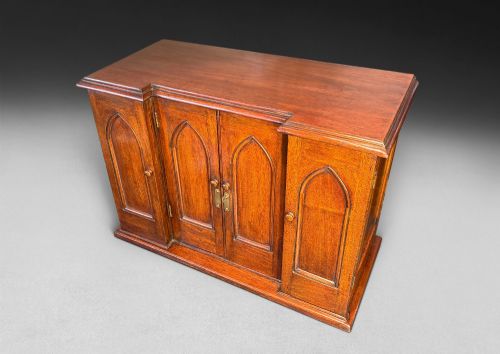
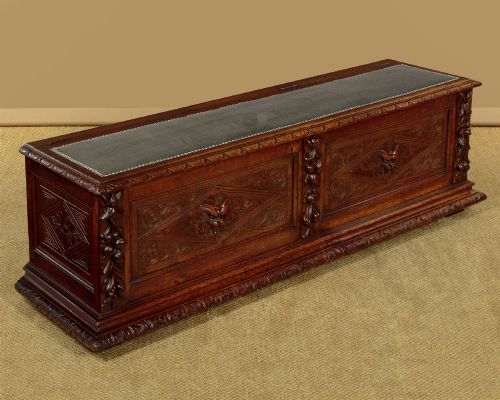
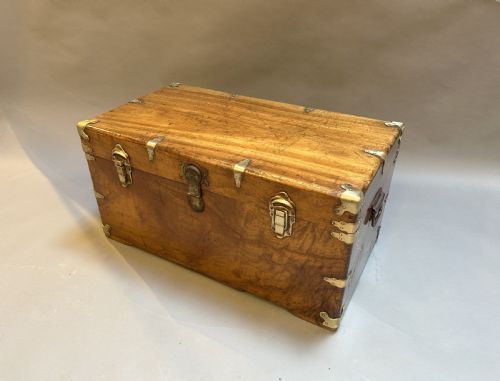
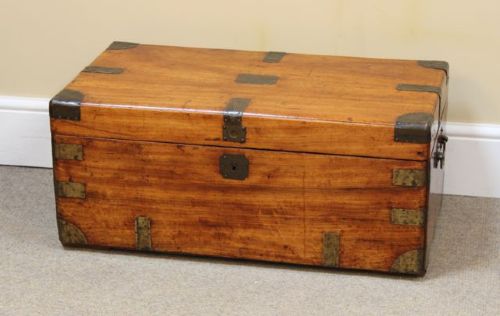
Brown Wood Box
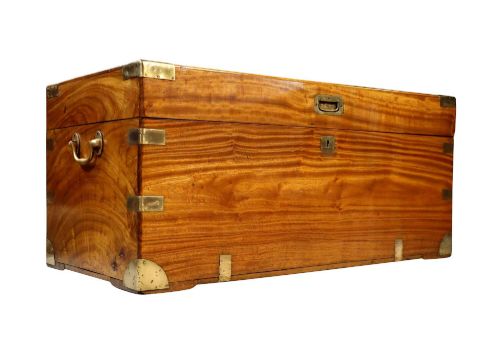
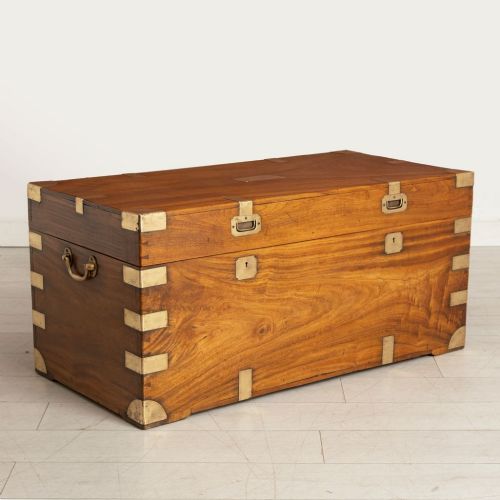
These brown wood box examples span camphor wood campaign trunks to mahogany tea caddies, offering solid utility and period craftsmanship for daily use.
Brown Wood Box
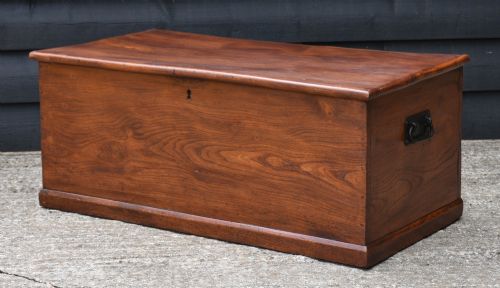
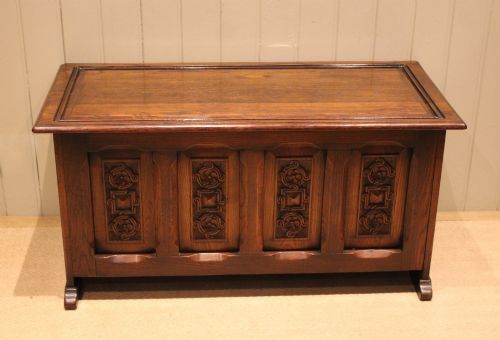
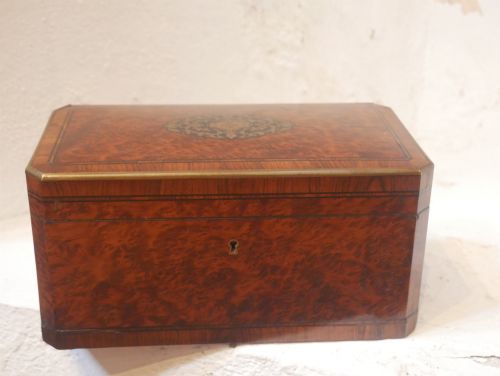
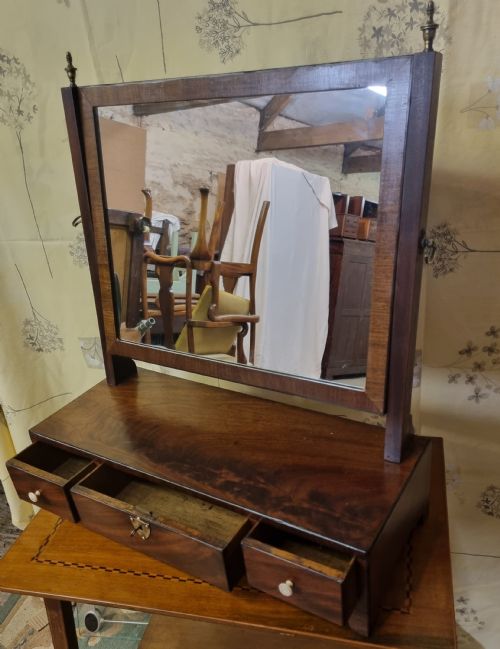
A brown wood box encompasses a broad spectrum of historical containers, ranging from robust oak coffers and camphor wood campaign trunks to delicate mahogany tea caddies and dressing table mirrors. Buyers seeking these items will encounter numerous variations designed for storage, travel, or display across several centuries.
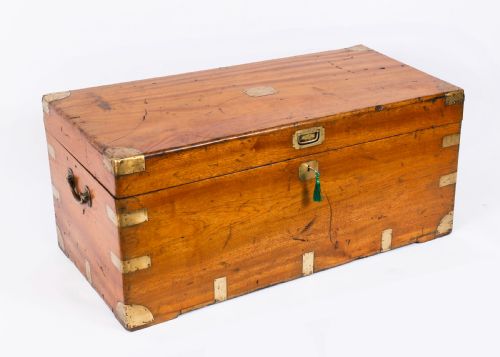
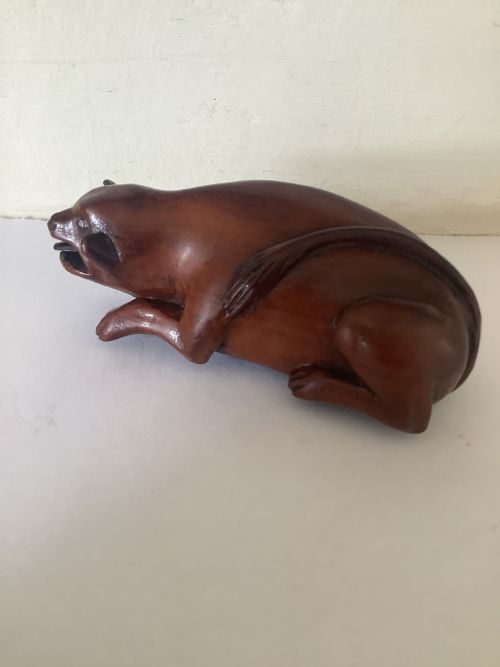
The selection on this page frequently highlights larger storage forms such as brass-bound camphor wood chests alongside smaller domestic pieces like satinwood sewing tables and carved snuff boxes. Each object reflects the specific domestic or travel requirements of its original period.
Origins span English country workshops, continental European cabinets, and colonial trade routes, bringing diverse timbers and regional construction methods to the collection. Buyers find utilitarian blanket boxes sitting alongside intricate marquetry bijouterie and folk art creations.
Materials and construction
Cabinet makers utilised dense hardwoods such as mahogany, oak, camphor wood, and walnut, frequently selecting timber for its figure and resilience in transit. Brass corners, straps, and flush handles reinforced military campaign chests and heavy trunks against the rigours of long journeys.
Joinery methods range from six-plank construction and hand-cut dovetails in earlier country pieces to sophisticated veneer work, marquetry inlay, and turning in later Georgian and Victorian examples. Surface finishes rely on natural waxes and polish that develop patination over decades of handling.
The listings demonstrate that camphor wood and oak appear most frequently across 19th-century campaign chests and early coffers.
Distinctions in quality
Quality rests in the integrity of the timber selection, the precision of the joinery, and the retention of original brass hardware or surface finish. Pieces displaying crisp hand-carving or balanced proportions stand apart from utilitarian storage vessels made for purely functional service.
The degree of original patination and the survival of internal fittings, such as tea caddy compartments or mirror glass, influence the character of each box. Structural honesty, where secondary timbers match the period and alterations remain absent, defines the better examples.
Tahan Paris·A. F. Lloyd
The Brown Wood Box Glossary
- Campaign trunk
- A chest made in sections with recessed brass fittings designed for military transport during the eighteenth and nineteenth centuries.
- Coffer
- A heavy wooden chest, typically constructed from oak, used historically for storing valuables and household goods.
- Tea caddy
- A small container built to store loose tea leaves, often featuring internal lidded compartments and fine wood veneers.
- Treen
- Small handmade wooden household objects created through turning or carving, ranging from mortars to snuff boxes.
- Marquetry
- Decorative veneer work arranged in geometric or pictorial patterns across the surface of a box or cabinet.
- Patina
- The surface sheen and colour acquired by wood through age, light exposure, and handling.
Brown Wood Box: Frequently Asked Questions
How do I date a brown wood box?
Dating relies on examining construction techniques, timber choices, and hardware styles. Dovetails cut by hand, native hardwoods like oak and walnut, and hand-forged iron point to earlier periods, while machine-cut elements and exotic veneers suggest the nineteenth century.
Comparing the internal linings, locks, and handles with documented examples from specific reigns helps narrow the decade of manufacture. Original labels or signatures occasionally provide definitive maker attribution.
What was a campaign chest used for?
Military officers utilised campaign chests to transport uniforms, documents, and personal belongings during postings across the British Empire. Their modular construction allowed large trunks to split into manageable sections for transit on animals or wagons.
Recessed brass handles and bound corners protected the edges from heavy impacts during long sea voyages and overland marches. Once at camp, the units stacked together to form a stable desk or dresser.
How should I care for antique wood boxes?
Maintain stable humidity levels and keep wooden boxes away from direct heat sources and strong sunlight to prevent warping and fading. Gentle cleaning with a soft, dry cloth removes dust without disturbing the historic surface.
Occasional application of natural beeswax preserves the finish and nourishes dry timbers. Avoid modern silicone polishes, which penetrate the grain and damage the existing patina.
Are camphor wood chests safe for modern storage?
Camphor wood naturally repels insects and moths, making these fragrant trunks practical for storing woollens, blankets, and textiles. The natural oils within the timber provide traditional protection without chemical treatments.
Allowing the interior to air out helps manage the strength of the camphor scent before placing delicate fabrics inside. The robust construction handles modern household storage demands effectively.