
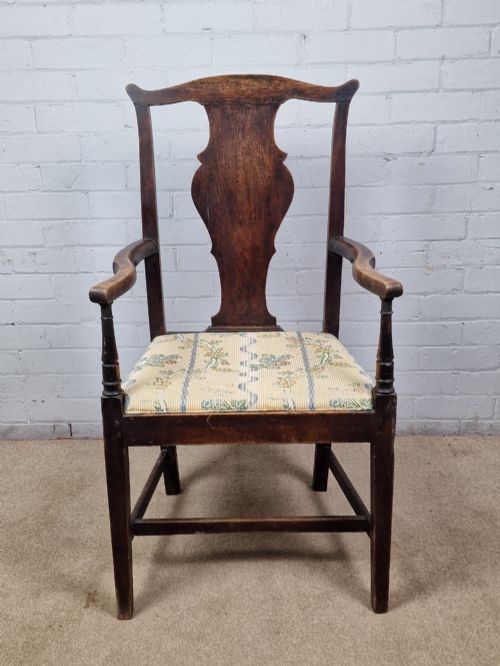
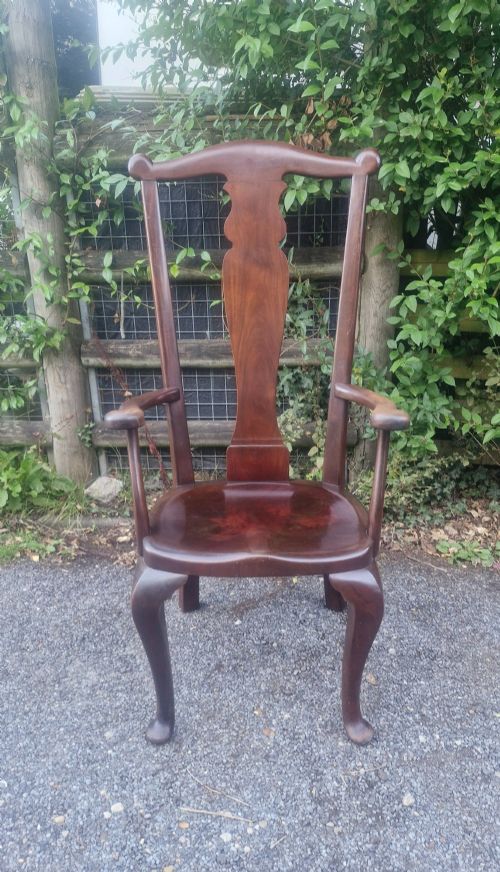

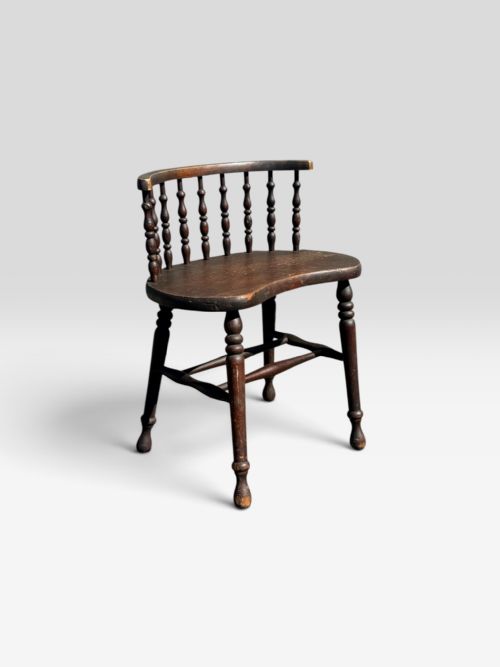
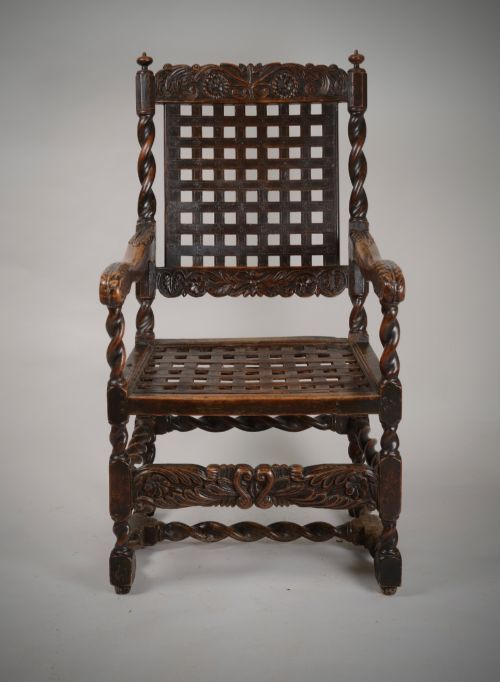
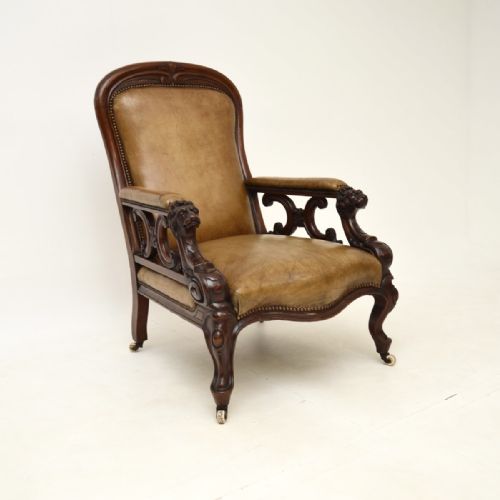
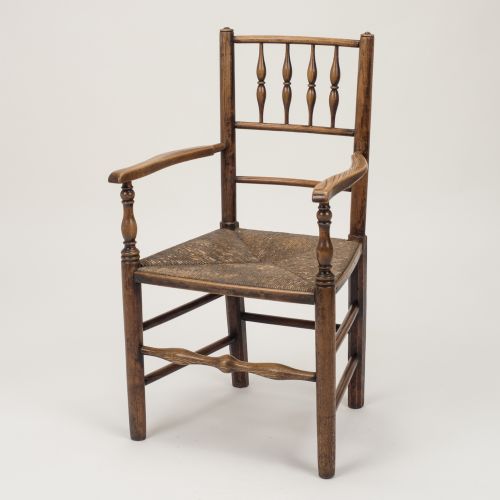
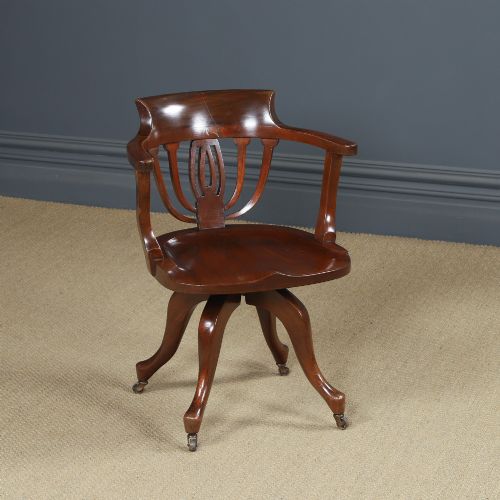
Brown Wood Arm Chair
A brown wood arm chair anchors a room with solid presence, offering substantial timber frames and deep seats built to last centuries.
Brown Wood Arm Chair
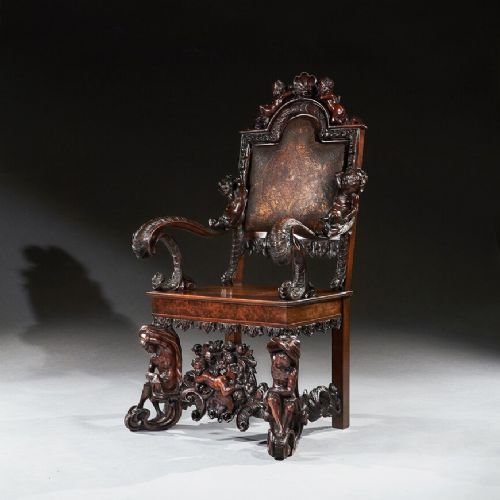
A brown wood arm chair spans centuries of domestic and formal seating, covering vernacular country styles and refined urban designs. The selection relies heavily on nineteenth-century pieces alongside Georgian, Victorian, Edwardian, and seventeenth-century examples.
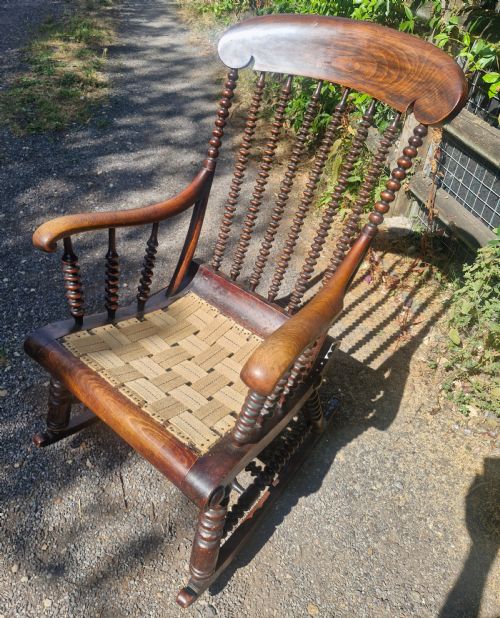
The practical forms appearing here range from Windsor and rocking chairs to office desk armchairs, carvers, and high chairs. English country vernacular sits alongside continental European models and Chinese hardwood seating.
Timbers dictate the character, moving from local ash and elm country versions to polished mahogany and walnut urban forms. Buyers frequently encounter nineteenth-century production alongside earlier revivals.
Materials and Technique
Cabinet makers utilised dense hardwoods including mahogany, walnut, oak, elm, ash, laburnum, and yew, matched to structural demands. Turning, carving, and steam bending shaped the timber components into sturdy frames.
Upholstered variants incorporate leather, fabric, and velvet drop-in seats, while rush seating appears in traditional country models. Brass fittings and inlay work occasionally provide decorative contrast to the timber surfaces.
Several chairs feature arms broad enough for a ledger, proving that desk work has long competed with a comfortable lap.
Quality Markers
Timber selection and grain figure distinguish standard production from exceptional examples, particularly in polished mahogany and figured walnut. Crispness of hand carving and the integrity of joined or turned framing determine execution standards.
Original surface patination and minimal structural alteration maintain the integrity of period seating. The harmony of proportions between arms, back, and support legs separates workshop masterpieces from simpler utility chairs.
The Brown Wood Arm Chair Glossary
- Carver chair
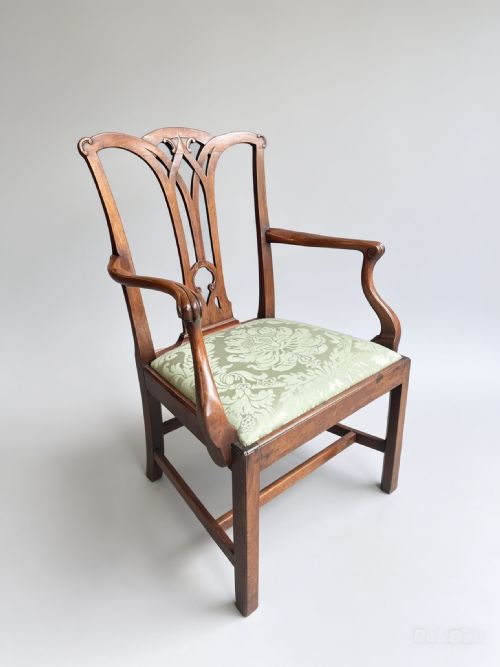
- An armchair designed to match a set of dining chairs, typically featuring open arms and a wider seat. These chairs often sat at the head of a dining table.
- Windsor chair
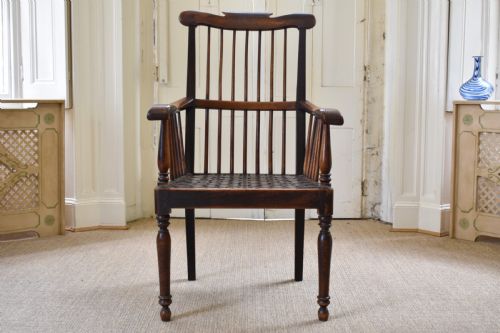
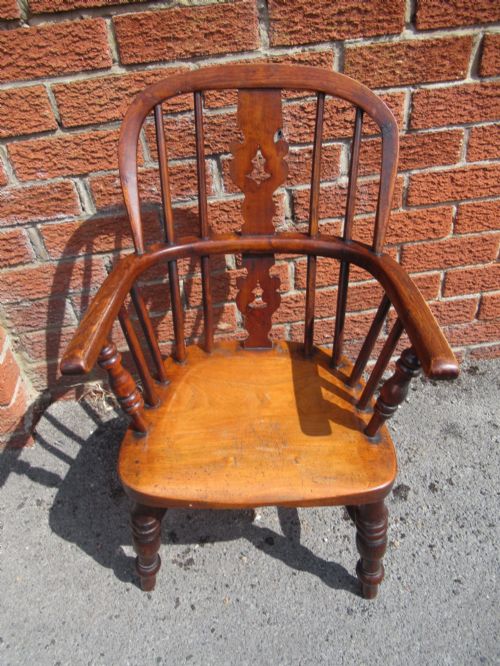
- A chair built with a solid wooden seat into which the legs and back spindles are wedged directly. Traditional versions employ flexible woods like ash and elm.
- Broad arm Windsor
- A regional variation of the Windsor chair featuring one exceptionally wide wooden arm designed for writing or working. They appear frequently in yew and elm.
- Bobbin framing
- Furniture construction featuring turned segments resembling spools or bobbins threaded together. This decorative turning style gained popularity during the nineteenth century.
- Drop-in seat
- A removable upholstered seat frame that drops into a rebate within the chair rails. This construction method allows for straightforward reupholstery.
Brown Wood Arm Chair: Frequently Asked Questions
How do I identify a country armchair?
Country armchairs typically utilise native timbers such as elm, ash, and fruitwood rather than imported mahogany. Their construction focuses on utility and local regional traditions rather than formal urban styles.
Look for pegged joints, spindle backs, and solid plank seats. These chairs wear the marks of everyday domestic or workshop use.
What is a carver chair used for?
Carver chairs historically served as the primary armchairs at either end of a formal dining table. They provided greater comfort and presence than standard dining chairs.
Today, buyers frequently utilise them as desk chairs, bedroom accents, or standalone seating in living spaces. Their open arms allow them to fit easily beneath various table heights.
How should I care for antique wood furniture?
Maintain timber furniture by keeping it away from direct heat sources and fluctuating humidity. Apply traditional wax polishes sparingly to nourish the wood surface and preserve the natural patina.
Avoid using modern silicone sprays or abrasive cleaners that damage historic finishes. Gentle dusting with a soft, dry cloth remains the best daily maintenance.
How do I distinguish Regency from Victorian styles?
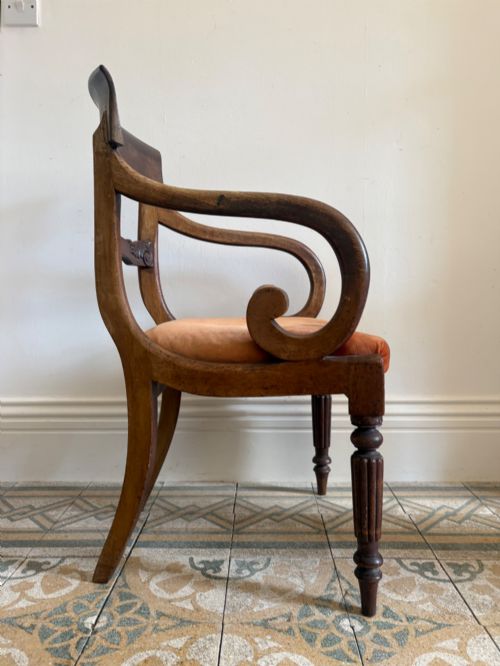
Regency design draws inspiration from classical antiquity, featuring restrained lines, saber legs, and elegant proportions. Mahogany and rosewood predominate during this period.
Victorian furniture tends to be heavier and more ornate, often employing revival motifs and darker finishes. Proportions become more robust to suit larger nineteenth-century domestic interiors.