
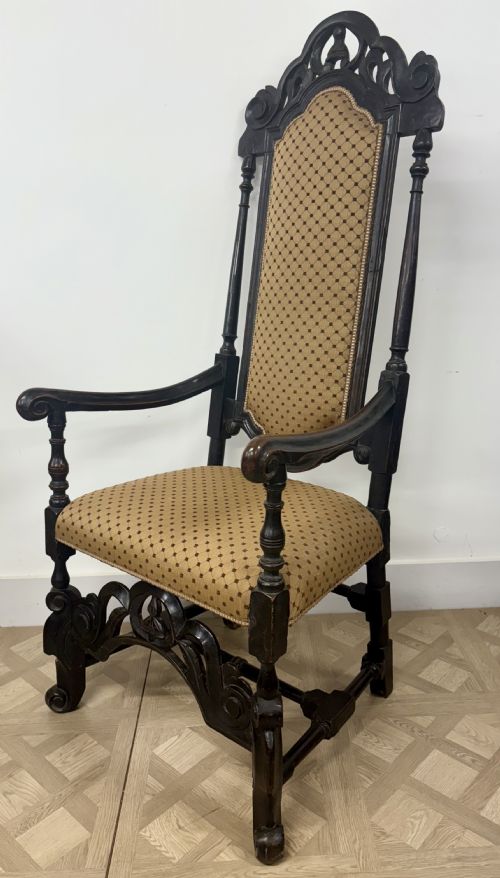
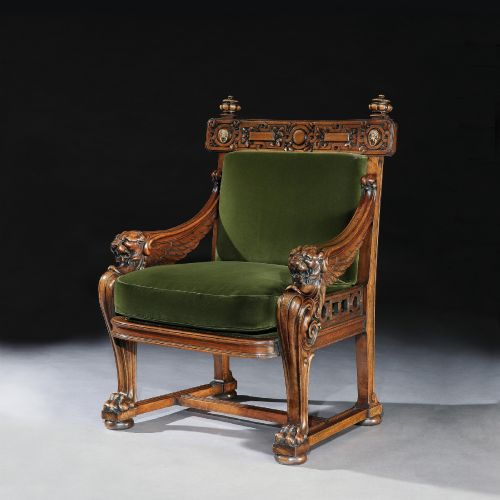
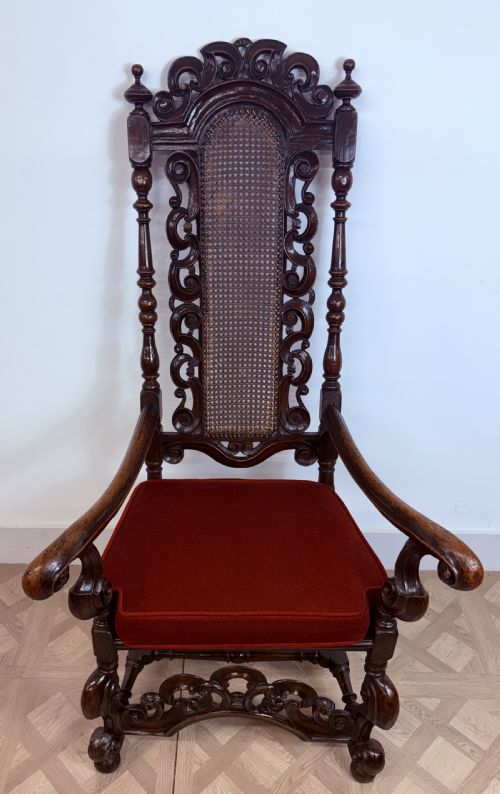


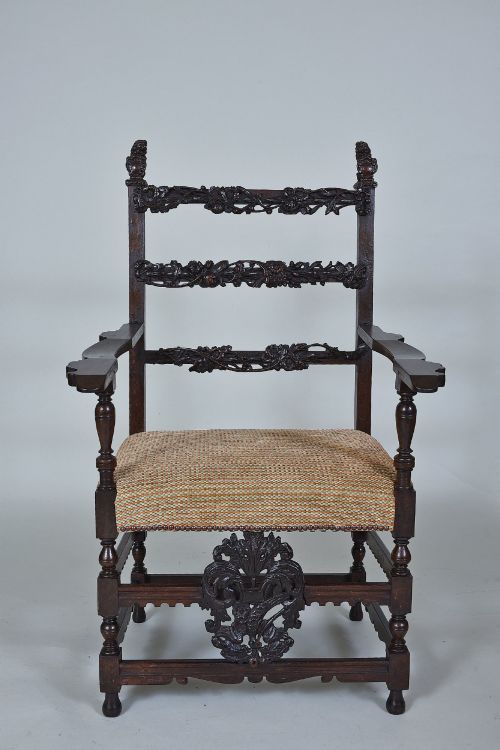

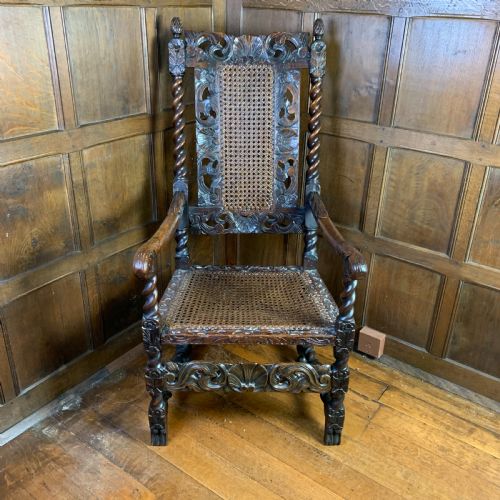


Dark Walnut Throne Chair
These dark walnut throne chair examples command a room with historic presence and rich timber tone, offering seats designed to make an impression.
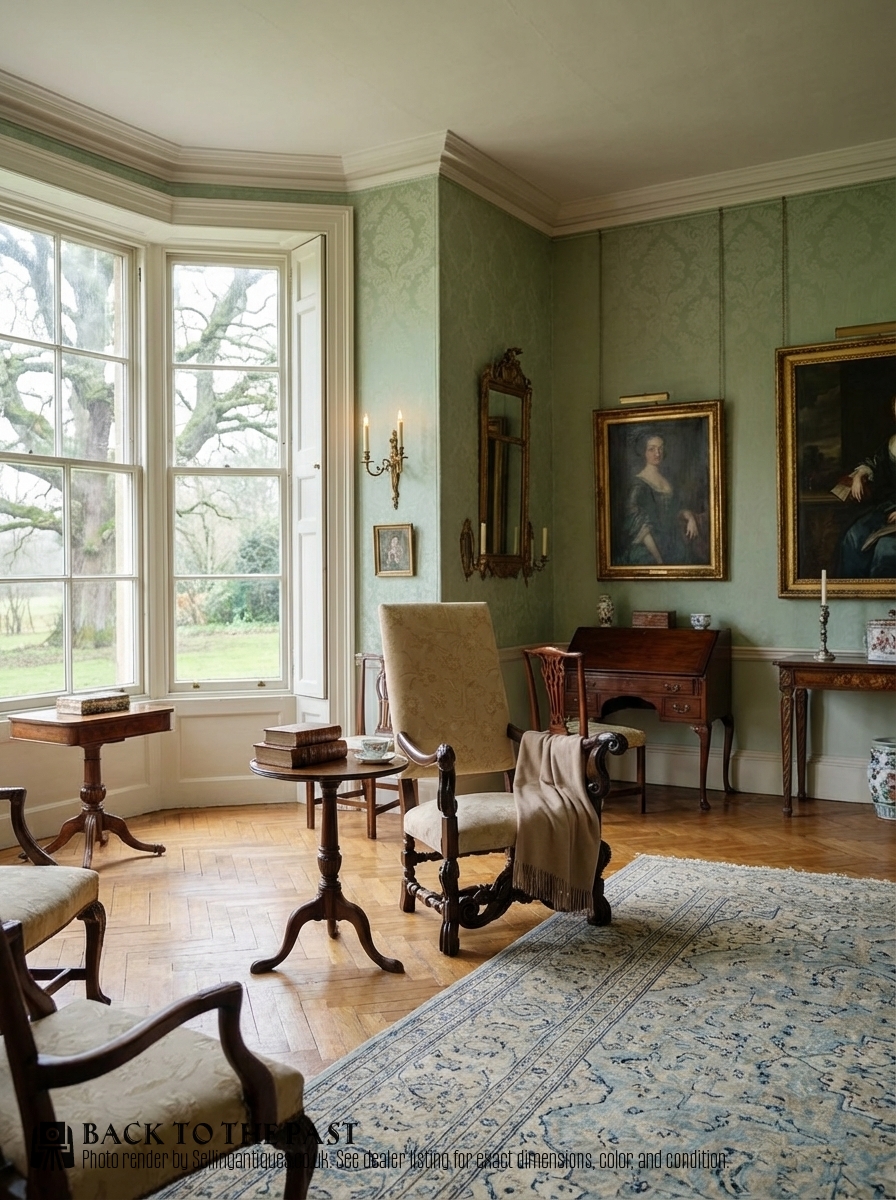
Dark Walnut Throne Chair
A dark walnut throne chair brings centuries of seating tradition into a modern space, drawing on heavy frames and imposing silhouettes. When searching for a dark walnut throne chair, buyers encounter forms ranging from seventeenth-century English and continental designs to nineteenth-century revivals.
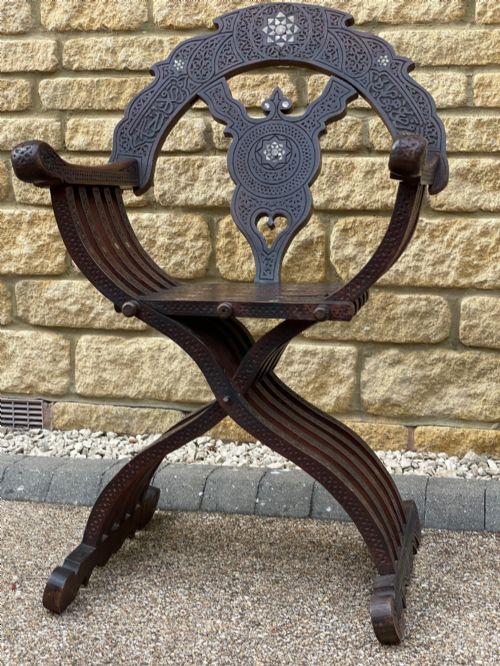
Origins span England, France, Italy, and Syria, showing regional variations in carving depth and decorative inlay. Seventeenth-century originals sit alongside nineteenth-century revival pieces that adopt the grand proportions of earlier eras.
Materials and Construction
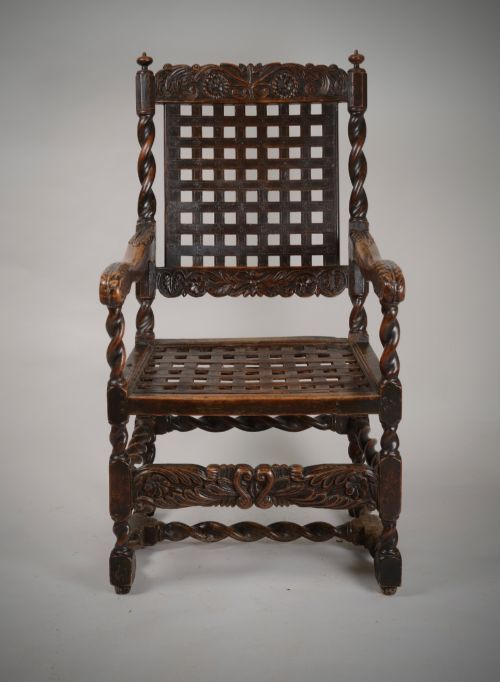
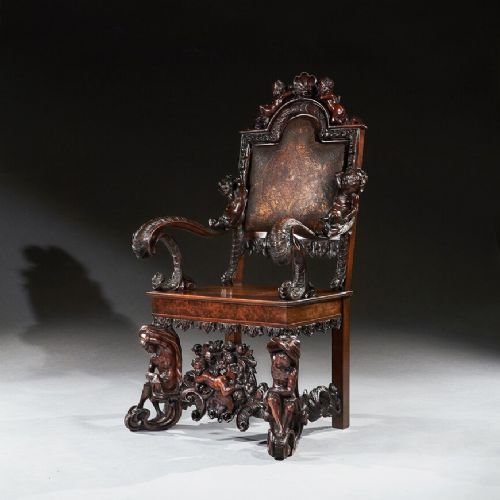
Construction relies heavily on walnut timber, valued for its rich dark grain and structural stability. Artisans shaped the wood using deep carving techniques, producing elaborate scrolls, foliage, and figural supports.
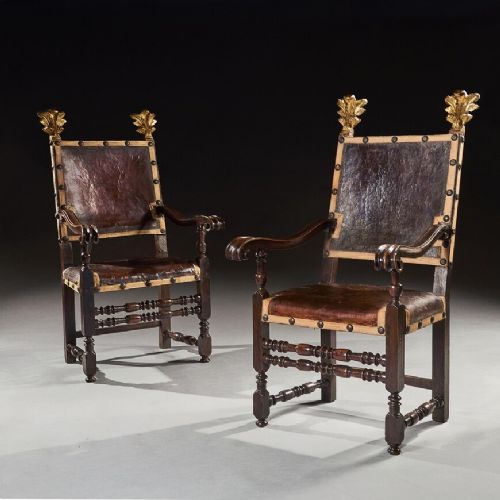
Surface ornamentation incorporates diverse materials such as leather, cane, velvet, upholstery fabric, brass, gold leaf, and mother of pearl. Syrian examples utilise intricate mother of pearl inlay, while European pieces often feature parcel-gilt highlights or upholstered panels.
Dark Walnut Throne Chair Retail Price Guide 2026
Typical asking prices for dark walnut throne chair among the pieces listed under this phrase on Sellingantiques today, from the lower quarter to the upper quarter. They describe what is for sale here now, not the wider market.
Materials recorded across the inventory include walnut, leather, cane, velvet, brass, gold leaf, and mother of pearl.
Evaluating Quality
Quality rests upon the crispness of the timber carving and the architectural integrity of the frame. Superior examples display deeply undercut foliage and finely proportioned arm supports rather than shallow, mechanical tooling.
The choice of secondary materials dictates the standard of the piece, from carefully fitted mother of pearl to hand-tooled leather and original brass hardware. Historical execution matters deeply, separating seventeenth-century joinery and nineteenth-century revival craftsmanship from later decorative imitations.
Andrea Brustolon·Thomas Hope
The Dark Walnut Throne Chair Glossary
- Monopodia
- A furniture support ending in a single animal foot or paw, frequently seen in nineteenth-century neoclassical designs. This classical motif borrows directly from ancient Roman stone tables.
- Parcel-gilt
- Partially gilded woodwork where gold leaf highlights specific carved details against a dark walnut ground. This technique adds visual contrast and emphasises the joinery.
- Carolean
- The English furniture style of the reign of Charles II, characterised by rich walnut framing, crown motifs, and scrolling canework. It forms a direct baseline for seventeenth-century seating.
- Caquetoire
- A sixteenth or seventeenth-century French conversation chair featuring a trapezoidal seat and a high, narrow back. The design allowed women in wide farthingale skirts to sit comfortably.
- Cane
- Woven rattan or split cane used for seats and backs, offering both flexibility and lightness within heavy wooden frames. It appears frequently in seventeenth-century English chairs.
Dark Walnut Throne Chair: Frequently Asked Questions
Where should I place a throne chair?
These commanding seats suit spacious halls, libraries, or living rooms where high backs and substantial timber frames have adequate clearance. They function best as singular focal points rather than gathered around standard dining tables.
Positioning one away from direct sunlight protects vulnerable leather, velvet, and cane inserts while maintaining the visual weight of the dark walnut timber.
How do I distinguish seventeenth-century pieces from nineteenth-century revivals?
Examination of the wood patination, tool marks, and joint construction reveals the true age of the timber frame. Seventeenth-century examples show hand-cut joinery and authentic wear patterns built over centuries of use.
Revival pieces from the nineteenth century often employ heavier, more mechanised carving methods while replicating earlier Carolean or Italian Baroque styles with deliberate theatricality.
What materials were used for upholstery?
Original and replacement surfaces encompass leather, velvet, woven upholstery fabric, and woven cane panels. Selection depended entirely on the regional workshop and the specific stylistic period of the chair.
Decorative accents such as brass studs, gold leaf, and mother of pearl inlay frequently complemented these tactile surfaces on high-status commissions.
How do I care for dark walnut furniture?
Maintaining walnut timber requires stable indoor humidity levels to prevent the wood from drying out or splitting. Gentle dusting with a dry cloth preserves the natural grain without stripping the historical finish.
Upholstered sections and cane panels benefit from careful vacuuming with a soft brush attachment to remove dust accumulation from recessed carvings.