
Antique Caned Accent Chair
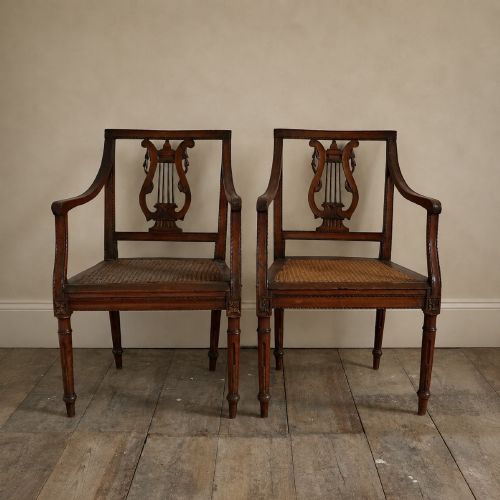
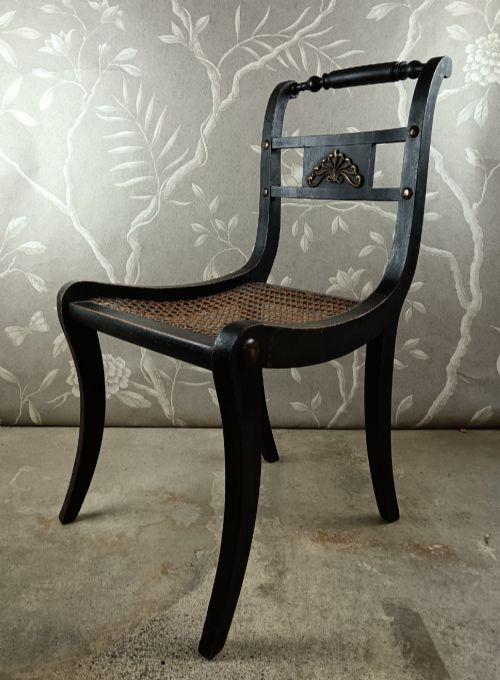
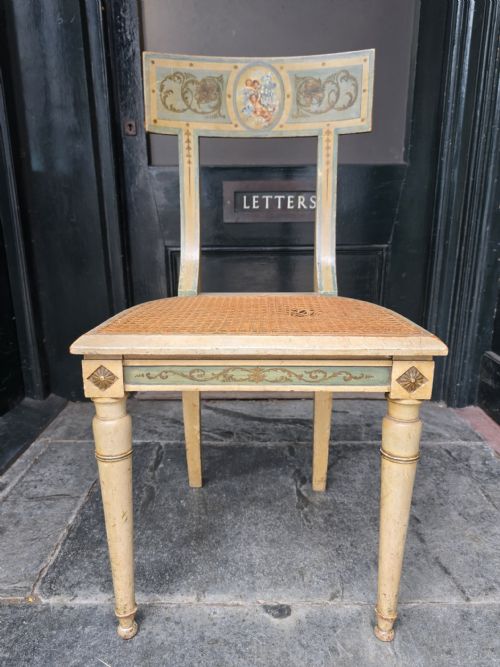
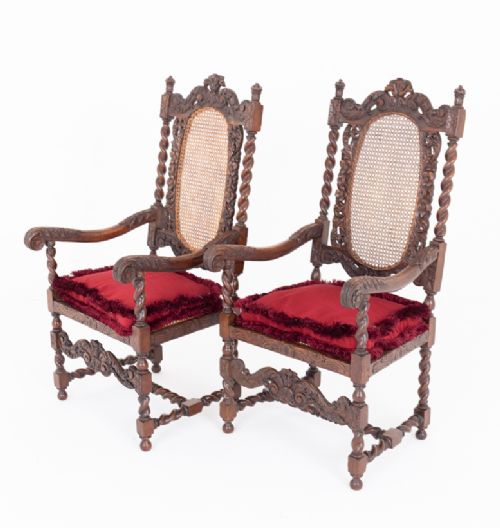
An antique caned accent chair brings lightness and texture to a room, offering tactile woven seating in walnut, mahogany, oak and painted frames.
Antique Caned Accent Chair
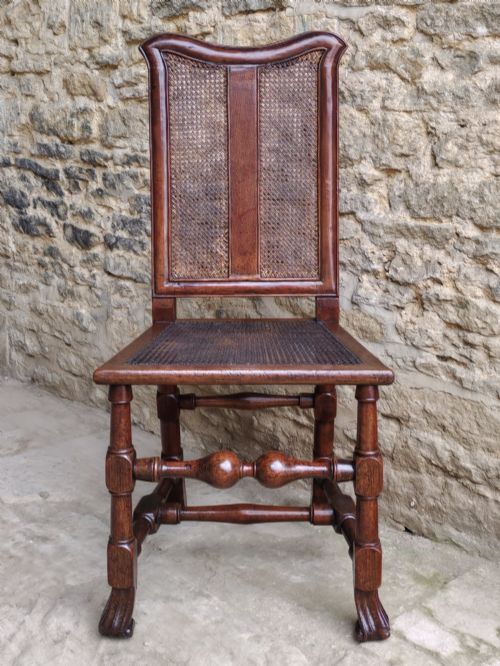
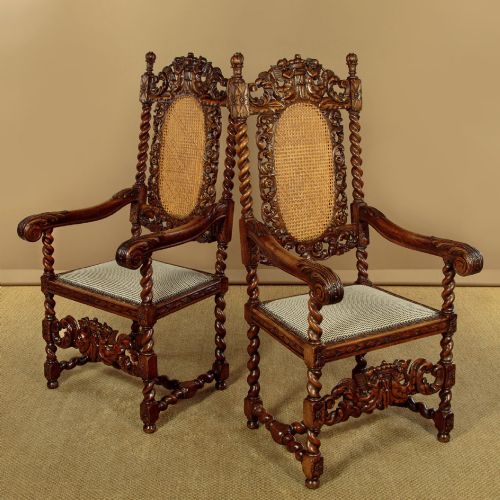
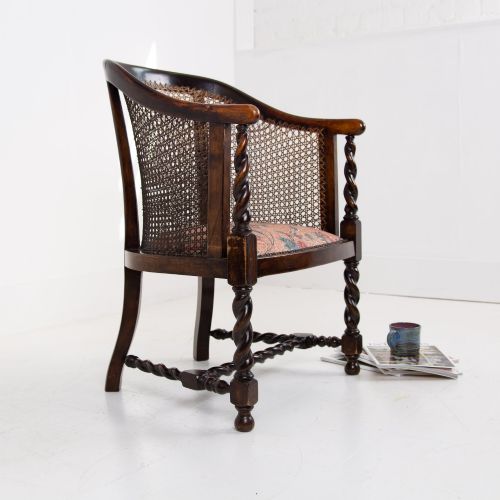
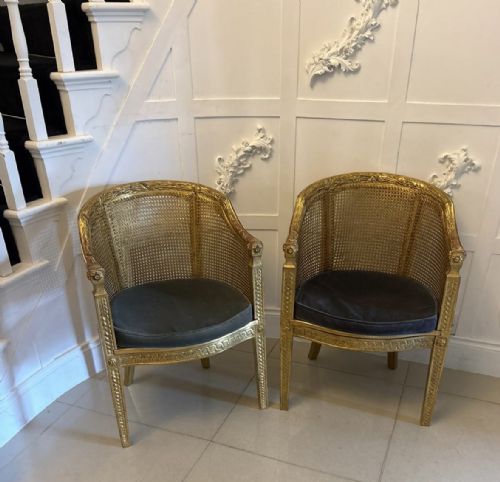
When you search for an antique caned accent chair, you encounter seating built across four centuries, spanning the seventeenth, eighteenth and nineteenth centuries alongside early twentieth-century revivals. The forms range from open armchairs and bergères to side chairs, hall chairs and occasional chairs.
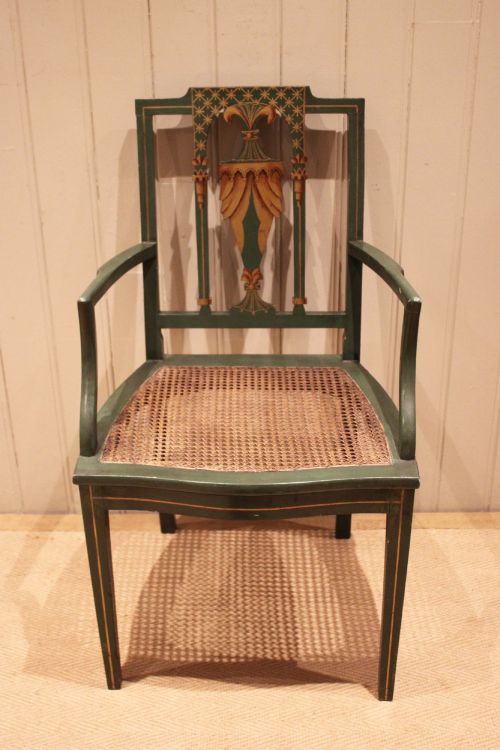
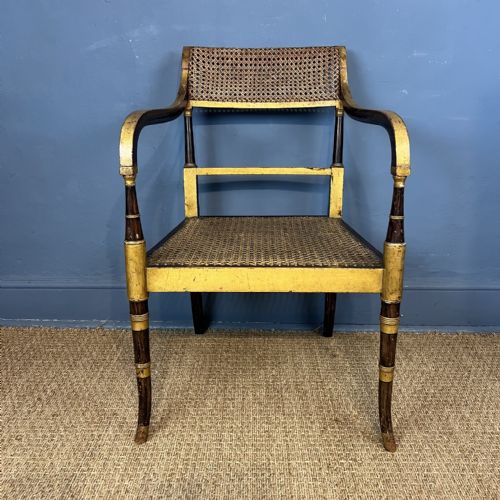
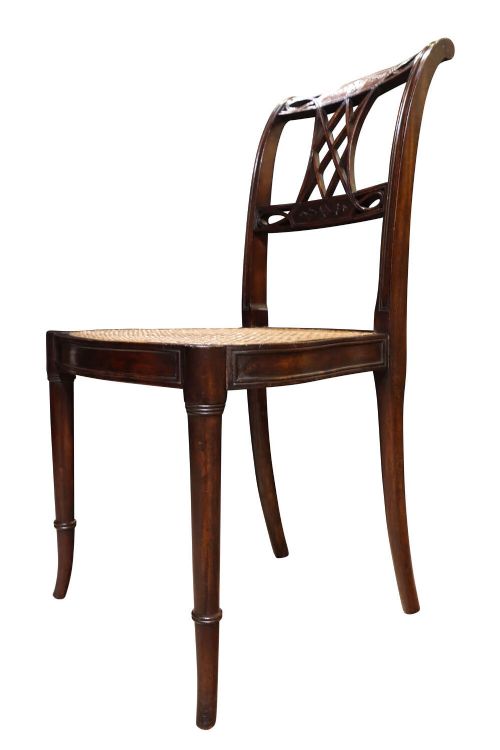
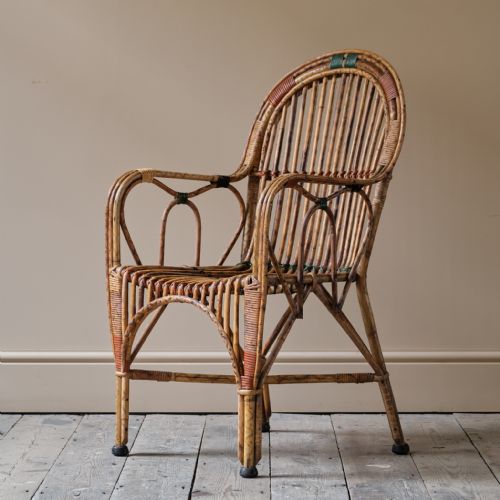
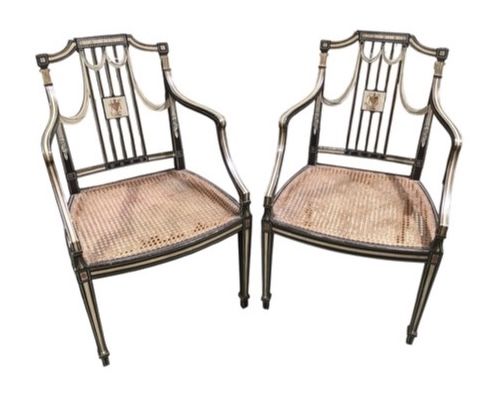
You are most likely to meet pieces from the nineteenth and early twentieth centuries on this page, including Regency, Victorian and Edwardian examples. These items appear in various woods and painted finishes, often featuring woven cane or rattan seats and backs.
How they were made
Frames are constructed from solid hardwoods such as walnut, mahogany, oak and satinwood, alongside softer woods finished with paint, gilding or faux rosewood. Joinery relies on traditional carpentry techniques appropriate to each period, from seventeenth-century mortise and tenon joints to nineteenth-century turned and sabre legs.
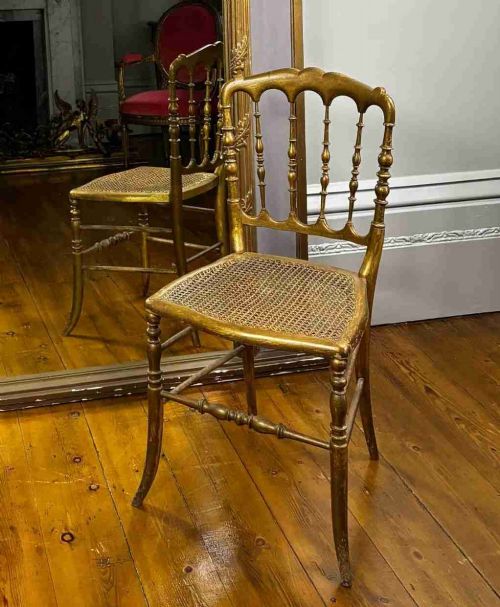
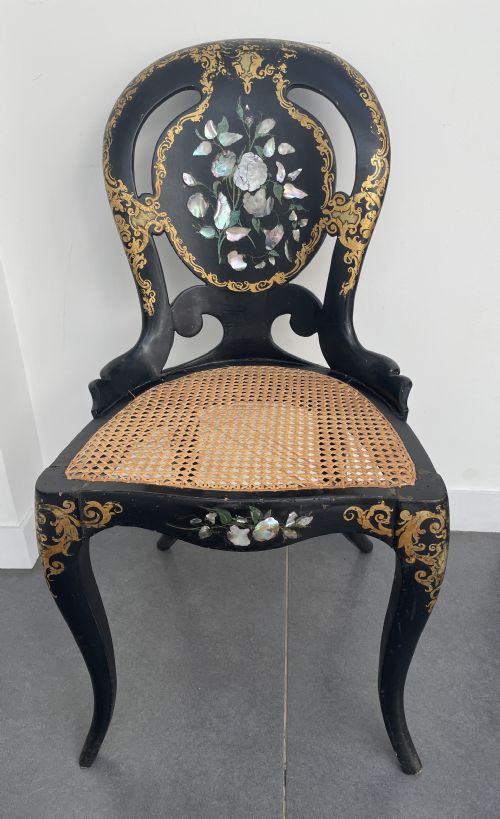
Seating and back panels utilise handwoven cane, split cane or rattan, threaded through drilled holes in the wooden frames. Decorative elements incorporate carving, inlay, mother of pearl and parcel gilding to enhance the structural woodwork.
Antique Caned Accent Chair Retail Price Guide 2026
Typical asking prices for caned accent chair among the pieces listed under this phrase on Sellingantiques today, from the lower quarter to the upper quarter. They describe what is for sale here now, not the wider market.
Some chairs crossed oceans before arriving, hailing from as far away as the Coromandel Coast of India.
What varies in quality
The execution of the cane work marks another division, with tightly woven, uniform handweaving commanding greater respect than loose or uneven replacements. Harmony between the period of the frame and the refinement of applied gilding or paint finishes dictates the standing of an individual piece.
Dryad of Leicester·Waring & Gillow
The Antique Caned Accent Chair Glossary
- Bergère
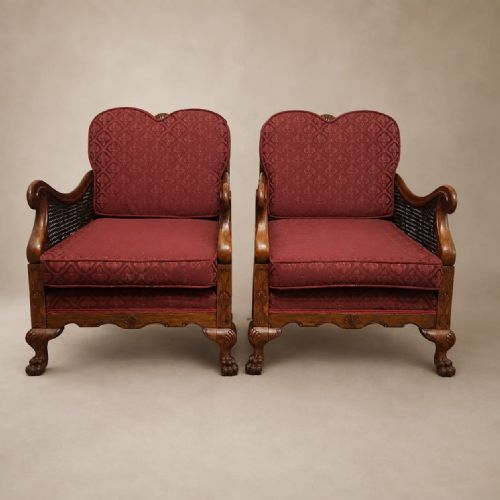
- An enclosed upholstered armchair with a wooden frame, frequently incorporating caned back and side panels. These seats often feature loose squab cushions.
- Cane
- Strips of material derived from the rattan palm, used in traditional weaving for chair seats and backs. It provides flexible yet durable support.
- Ebonised
- Wood treated with a dark stain or finish to imitate ebony. This technique was widely utilised during the Regency and Victorian periods.
- Klismos
- An ancient Greek chair shape characterised by curved, flaring legs and a concave curved backrest. Revival versions appeared in nineteenth-century seating.
- Split cane
- Cane sliced lengthwise to create a flat ribbon used in traditional chair caning patterns. It offers a smooth surface texture.
Antique Caned Accent Chair: Frequently Asked Questions
How do I care for caned furniture?
Keep caned chairs away from direct heat sources and radiators to prevent the natural material from drying out and becoming brittle. Light dusting with a soft brush helps maintain the weave.
Periodically dampening the underside of the cane with a damp sponge can restore moisture and tension to the woven strands.
Can broken cane be repaired?
Traditional hand-caned panels can be rewoven by skilled craftspeople using matching rattan strands. This preserves the original wooden frame while restoring structural integrity.
Professional re-caning ensures the tension matches historical methods used on eighteenth and nineteenth-century seating.
Where should I place an accent chair?
These versatile chairs suit bedrooms, hallways and living spaces where a lighter visual footprint is desired. Their open cane backs allow light to pass through.
Pairing a caned armchair with complementary wooden furniture enhances period character without crowding a smaller room.
Are these chairs comfortable for daily use?
Many bergères and armchairs include supportive upholstered cushions paired with the resilient spring of a woven cane base. Their ergonomic proportions vary by period.
Earlier seventeenth and eighteenth-century examples lean towards formal posture, while later twentieth-century designs prioritise relaxed lounging.