
Carved Wood Throne Chair
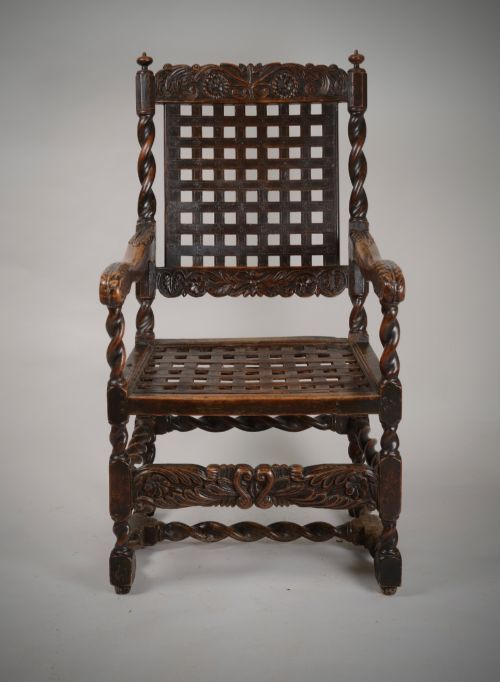
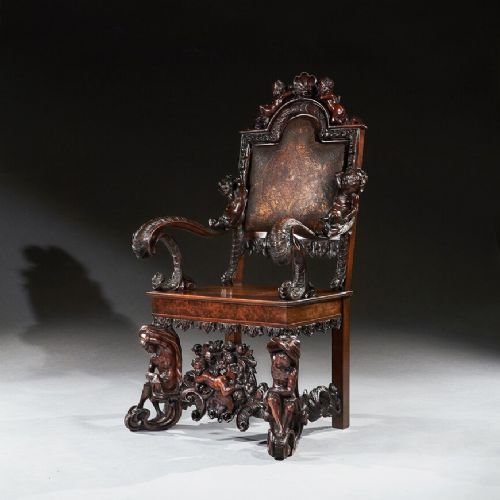
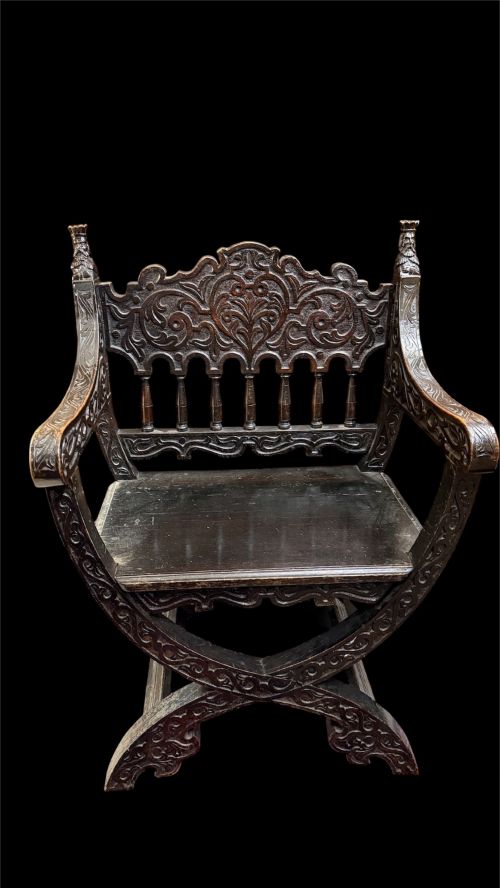
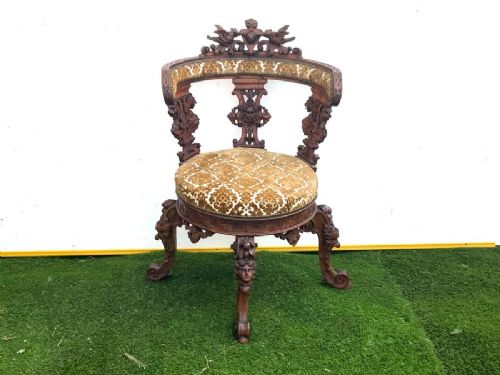
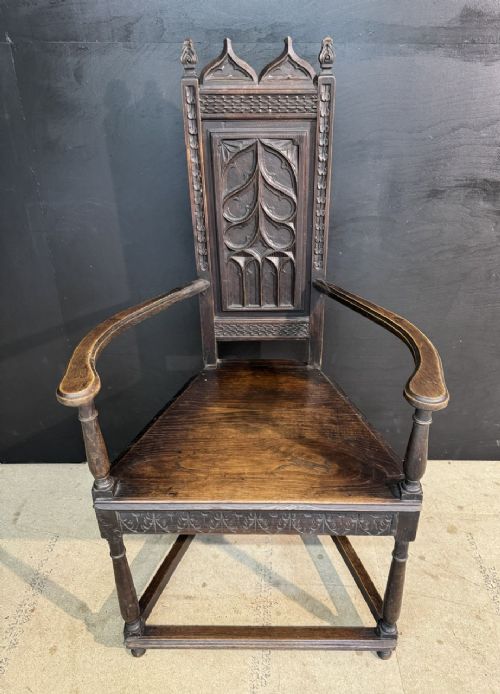
A carved wood throne chair is a commanding seat designed to dominate a room, combining heavy timber construction with elaborate sculptural detail.
Carved Wood Throne Chair
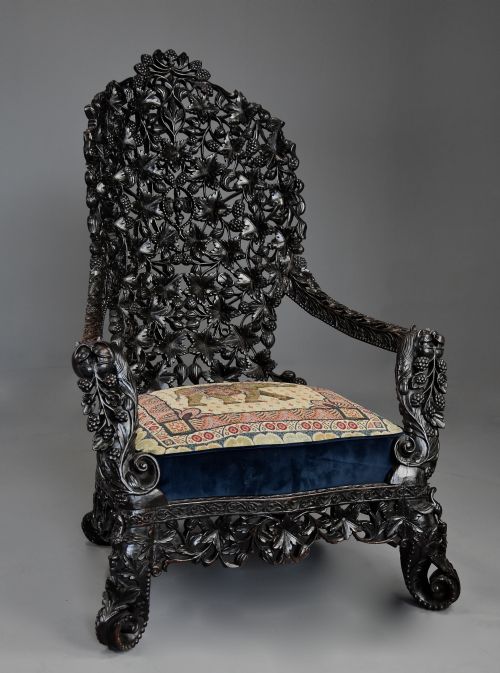
A carved wood throne chair draws the eye immediately through high backs, thick armrests, and deep sculptural relief.
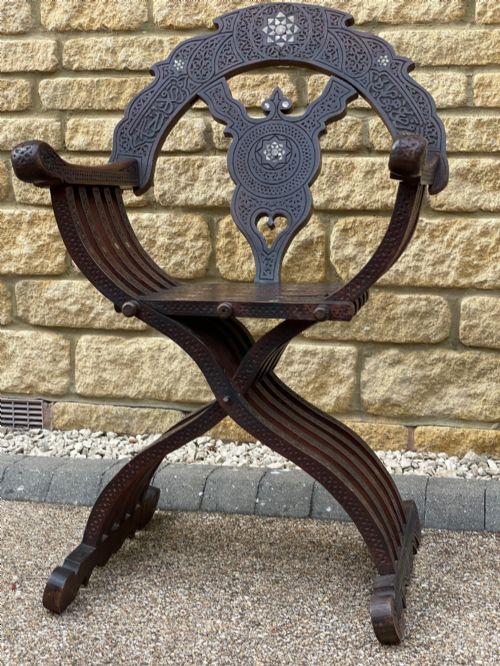
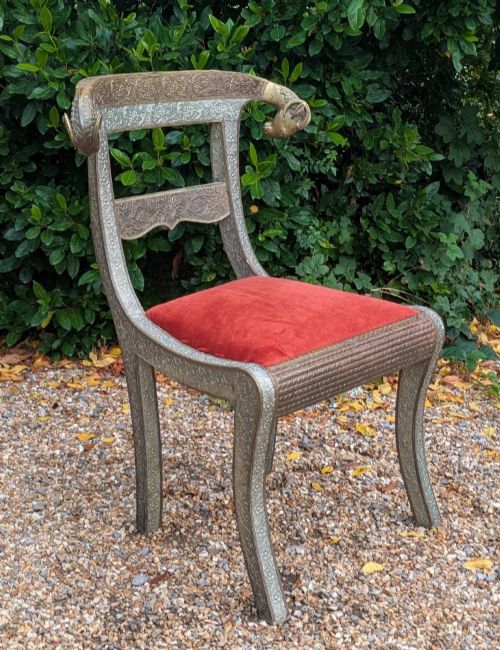
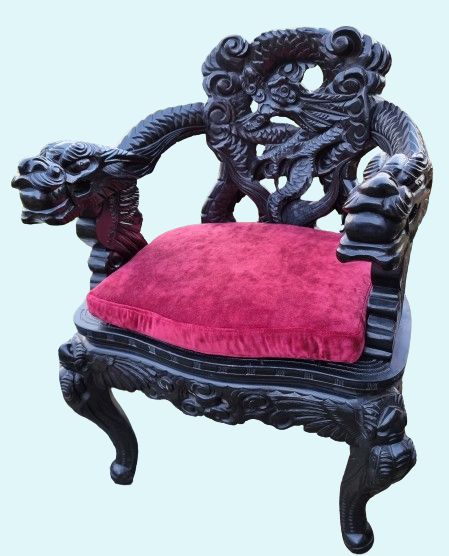
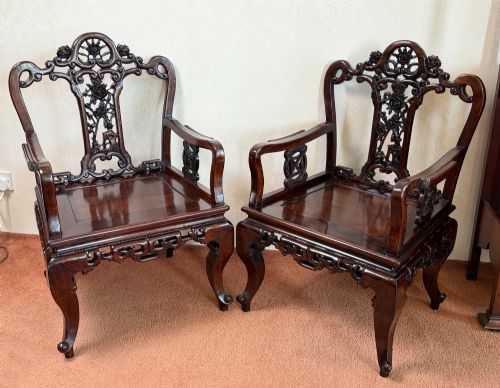
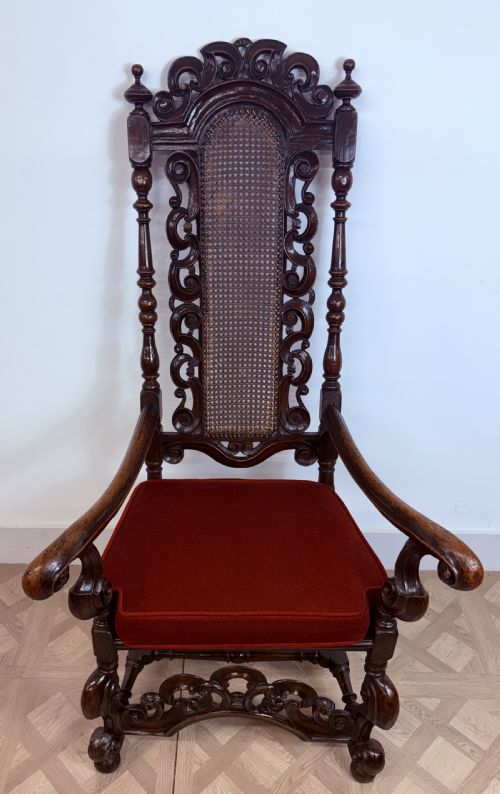
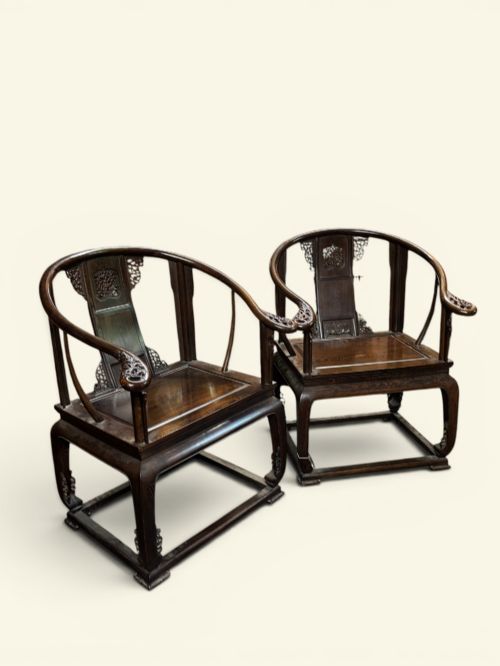
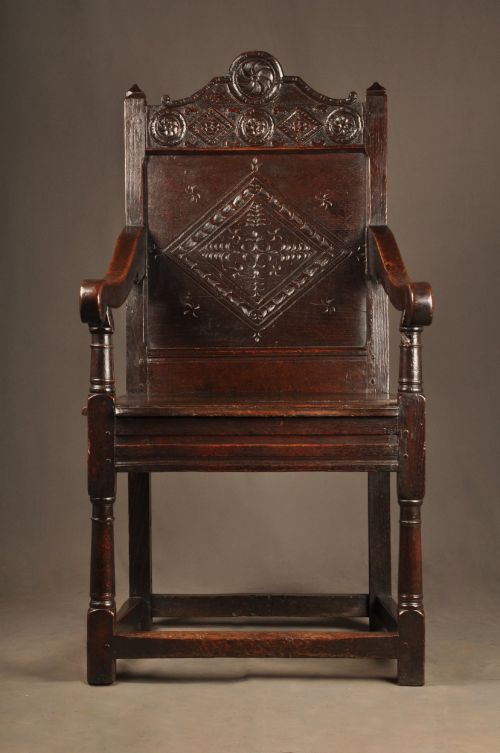
Buyers seeking a carved wood throne chair will encounter various regional interpretations, from British oak wainscot forms to Chinese hardwood dragon seats and Indian blackwood examples.
The selections span multiple centuries, including substantial 17th-century vernacular specimens alongside 19th-century revivalist and colonial workshop productions.
Distinguishing quality factors
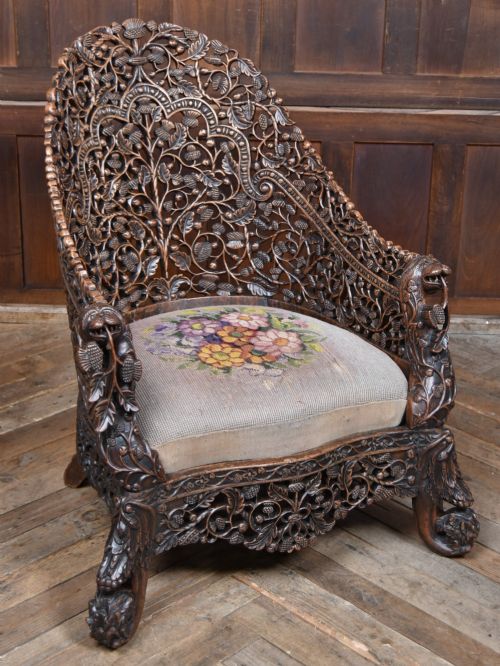
Depth, crispness, and spatial layering of the carved wood elements distinguish standard workshop production from exceptional exhibition-grade carving.
The integrity of the original timber joints and the weight of the primary hardwood structure dictate the long-term structural stability of the seat.
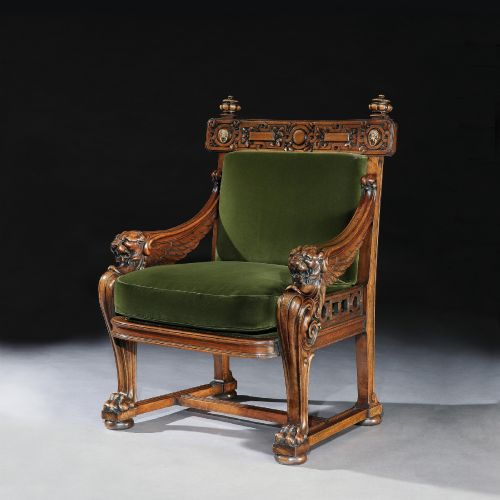
The nuance and balance of figural elements, such as lions, dragons, or armorial crests, separate generic regional pieces from masterworks.
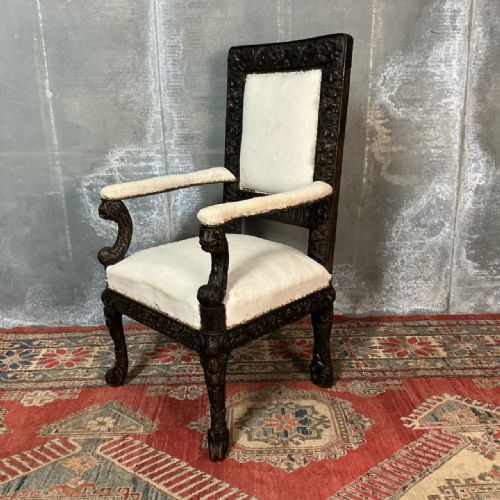
Several examples feature fierce carved dragons and watchful lion heads guarding the armrests against unwelcome visitors.
Andrea Brustolon·Thomas Hope
The Carved Wood Throne Chair Glossary
- Wainscot chair
- A heavy wooden armchair of sturdy proportions, constructed primarily of oak with panelled backs.
- Fauteuil
- An open-arm upholstered chair originating in France, typically featuring exposed carved wooden framing.
- Monopodia
- A carved furniture support taking the form of a single animal leg, frequently ending in a paw or claw.
- Hongmu
- A traditional Chinese term denoting dense, heavy hardwoods used for fine furniture production.
- Settle
- A wooden bench featuring a high solid back designed to block draughts, often incorporating carved storage boxes below.
Carved Wood Throne Chair: Frequently Asked Questions
How do I place a carved wood throne chair in a modern interior?
These imposing seats demand adequate floor space and work best as standalone statement items against neutral walls.
Pair them with minimal modern furnishings to let the heavy sculptural woodwork and grain remain the primary visual focus.
What is the difference between a wainscot chair and a standard armchair?
A wainscot chair utilises traditional panel-construction methods borrowed from wall panelling rather than standard post-and-rung framing.
This makes the piece substantially heavier, stiffer, and rigidly upright in posture compared to later cushioned lounge chairs.
How should I care for historic hardwood frames?
Keep timber seats away from direct heat sources and sudden humidity fluctuations to prevent the ancient wood from splitting.
Apply gentle microcrystalline wax periodically to nourish the surface without building up thick, obscuring layers over the carving.
Can I reupholster a historic throne chair?
Upholstered elements on older seating often require replacement due to natural fibre degradation over the decades.
Utilise traditional textile weights and attachment methods like brass upholstery tacks to maintain historical harmony with the carved frame.