


Red Velvet Accent Chair
A red velvet accent chair brings rich texture and enduring seating style to a room.
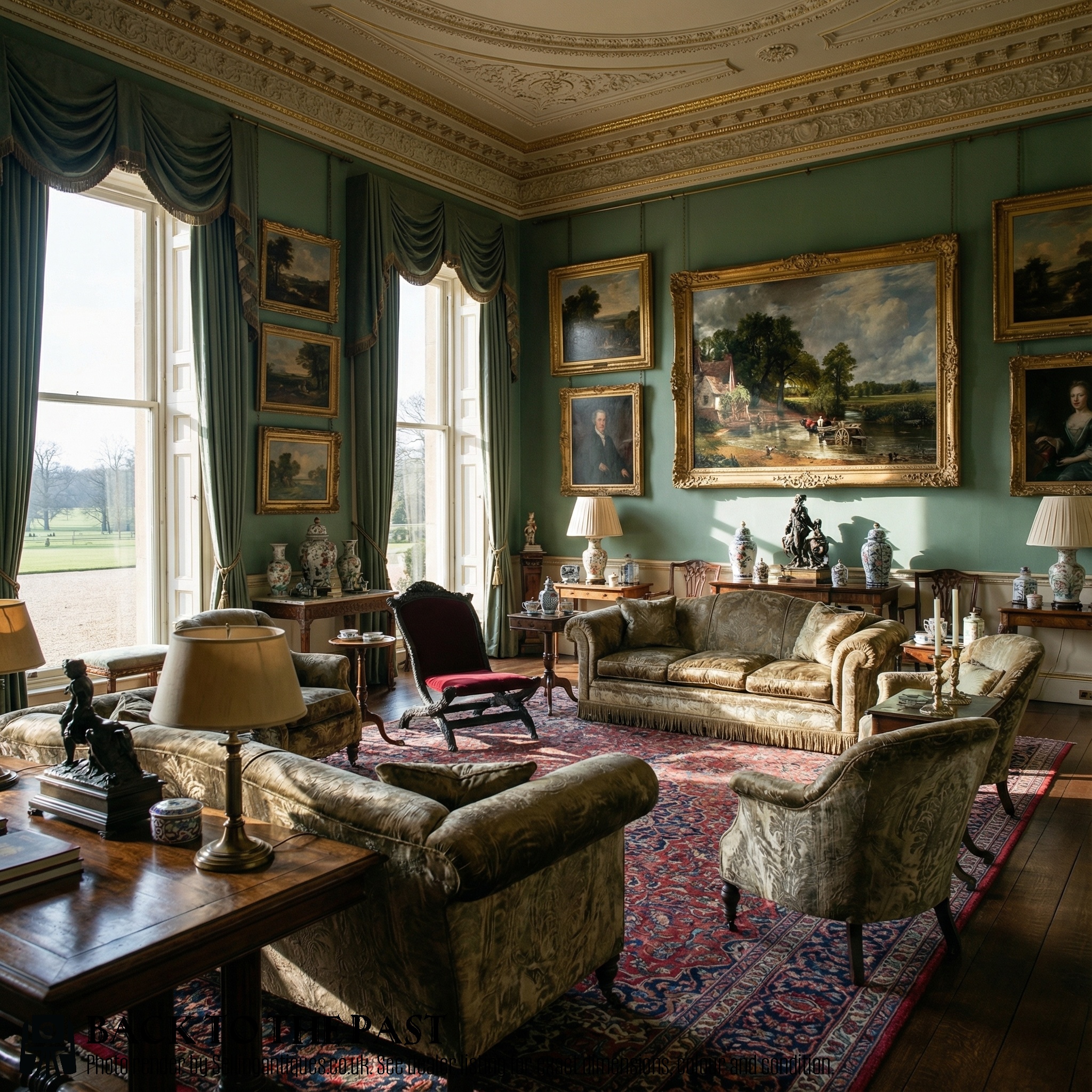
Red Velvet Accent Chair
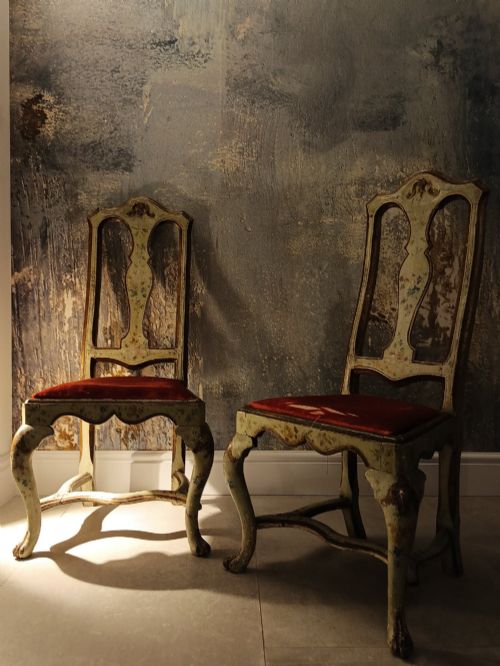
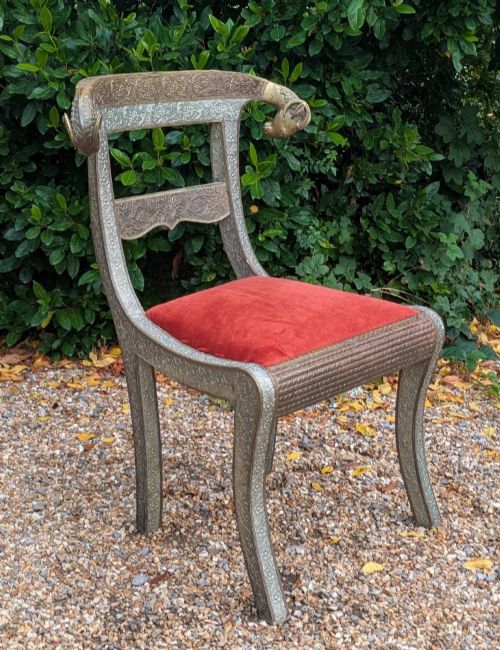
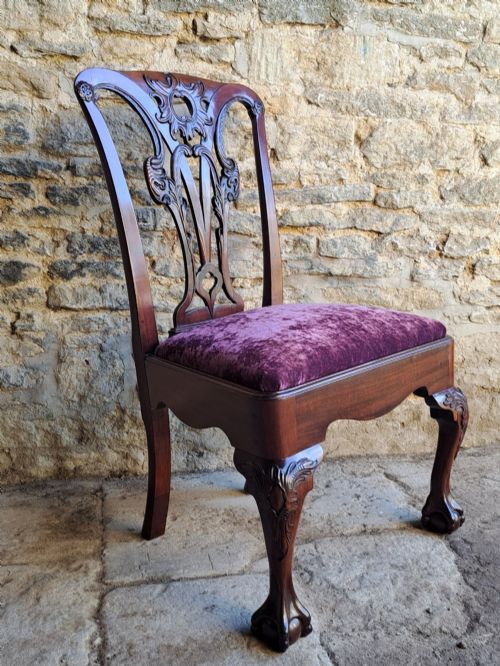
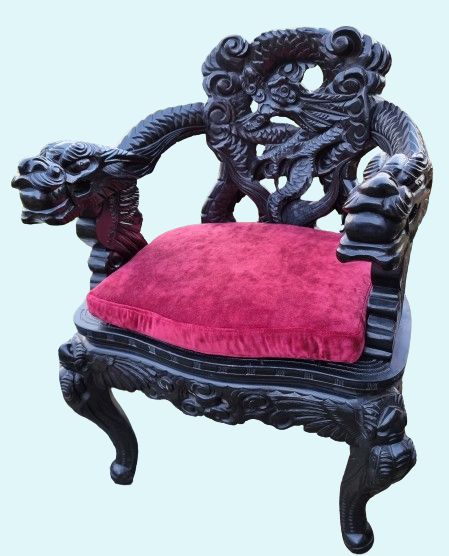
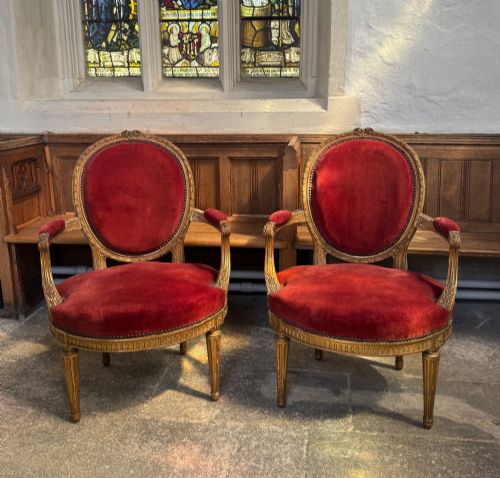
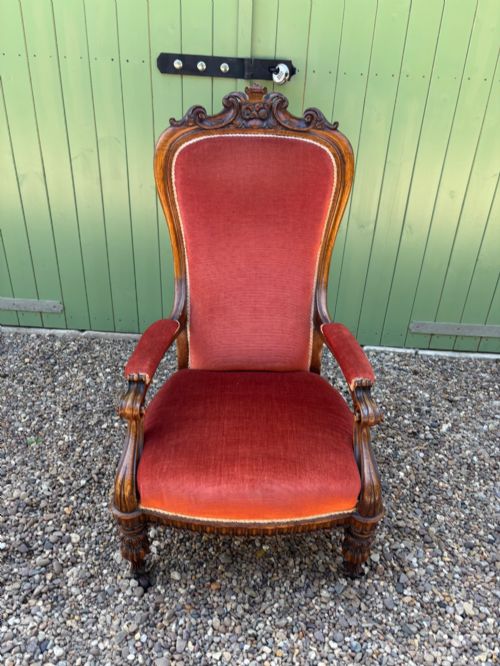
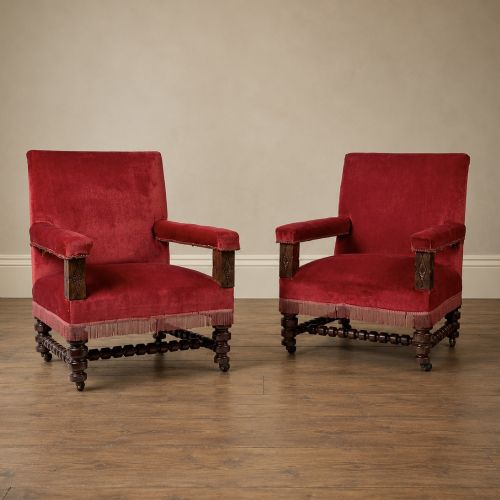
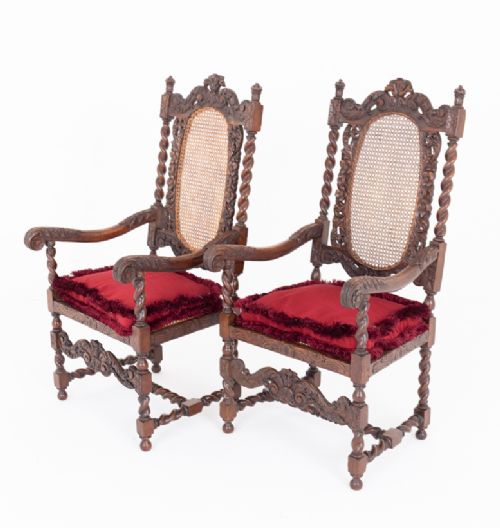
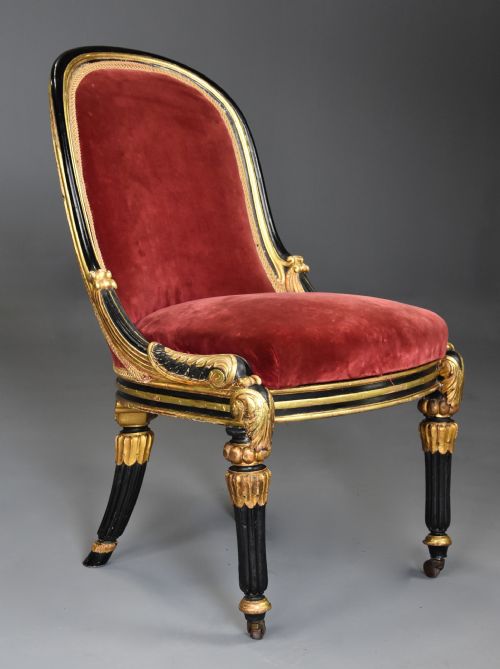
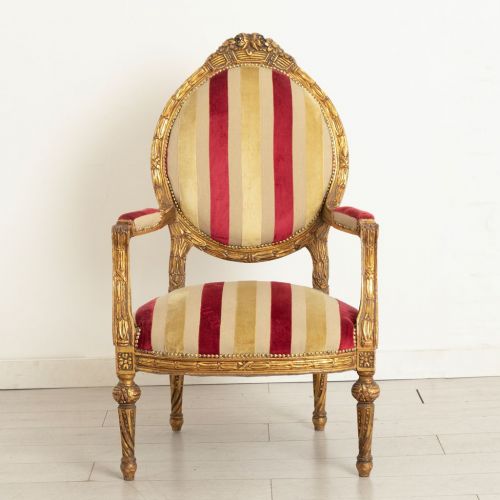
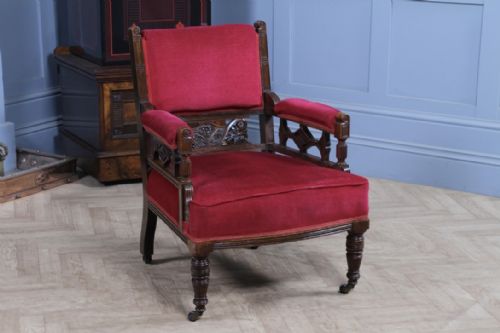
A red velvet accent chair functions as both a practical seat and a strong visual focal point in a room. Buyers searching for a red velvet accent chair encounter various forms ranging from generous Victorian armchairs to compact Edwardian occasional seats.
The selection includes pieces spanning from the eighteenth century through the twentieth century, encompassing styles such as Regency, Georgian, and Louis XVI. Forms vary widely from open armchairs and wingbacks to side chairs and slipper chairs.
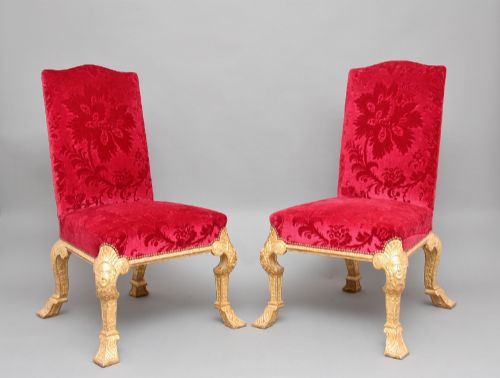
Origin points are diverse, covering English, French, Italian, and Continental workshops. Many examples appear in matched pairs rather than as single items.
Materials and construction
Carpenters utilised sturdy timber frames built from mahogany, walnut, oak, and beech, alongside exotic hardwoods and giltwood. Structural stability relied on traditional joinery methods suited to each specific period.
Upholstery centres on velvet fabric paired with supportive interior stuffing and webbing. Decorative embellishments often include carved woodwork, brass accents, and detailed inlay work.
Object types span armchairs, side chairs, hall chairs, nursing chairs, and slipper chairs originating from English, French, and Italian makers.
Distinguishing quality
The standard of carving and timber selection determines the baseline merit of each frame. Crisp execution in giltwood or hardwood ornamentation separates ordinary seating from superior examples.
Proportion and balance dictate the visual success of the piece. Chairs with harmonious lines and integrated upholstery show greater design integrity than those with awkward proportions.
The Red Velvet Accent Chair Glossary
- Giltwood
- Timber coated with a thin layer of gold leaf or powder. This finish was favoured for formal salon chairs across various European periods.
- Wingback
- An armchair with side panels designed to shield the sitter from draughts. These chairs offer substantial upholstered proportions.
- Bergere
- An enclosed upholstered armchair with wooden framing and cane or upholstered sides. They provide deep, comfortable library seating.
- Prie Dieu
- A devotional chair designed for kneeling, featuring a low seat and a tall upper rest. Victorian examples often incorporate rich upholstery and carved mahogany.
Red Velvet Accent Chair: Frequently Asked Questions
Where should I place a red velvet accent chair?
These chairs suit sitting rooms, reading corners, and bedrooms where they can act as a focal point. Their rich textile finish pairs well with neutral walls and traditional wooden furniture.
Consider the scale of the room and surrounding pieces to ensure the chair has adequate clearance. Open armchairs work effectively in conversational groupings.
How do I identify the period of an armchair?
Examine the timber, carving style, and structural joinery methods used in the frame. Stylistic markers such as cabriole legs or reeded rails point to specific design eras.
Comparing the proportions and decorative motifs against documented period examples helps confirm the date of manufacture.
Are these chairs comfortable for daily use?
Many styles, particularly Victorian wingbacks and library armchairs, were built for extended seating. The depth of the seat and height of the back influence daily comfort.
Upholstery support varies depending on the internal webbing and padding condition of the specific piece.
What is the difference between a side chair and an armchair?
Side chairs lack armrests and are typically lighter in scale, designed to sit beside tables or along walls. Armchairs feature structural supports for the arms, offering a more enclosed seat.
Both types were utilised across dining rooms, parlours, and halls in various historical periods.