

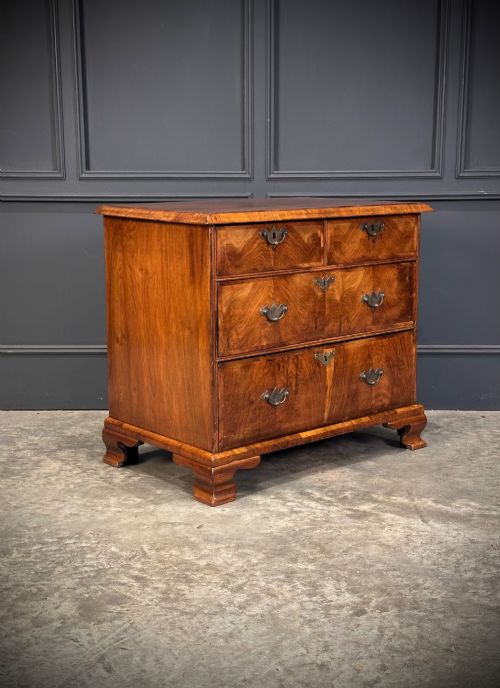
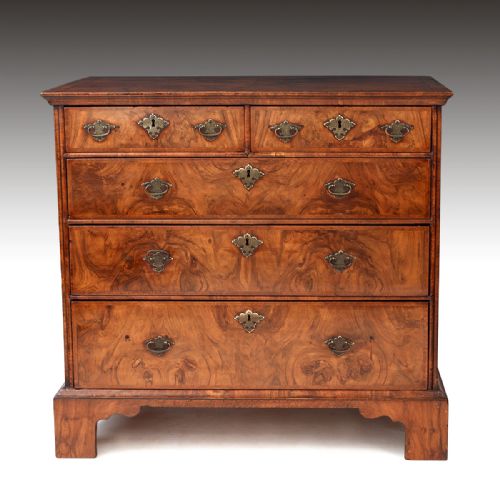
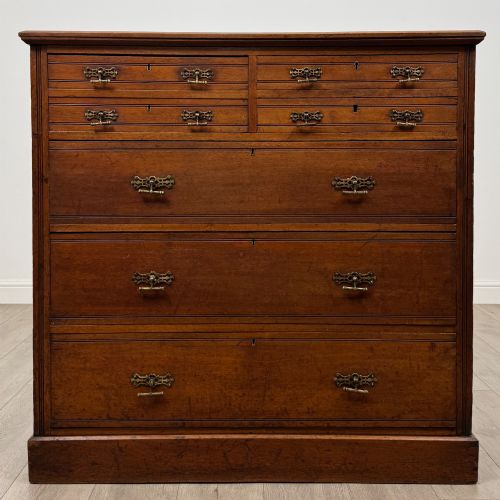
Brown Walnut Tallboy Chest
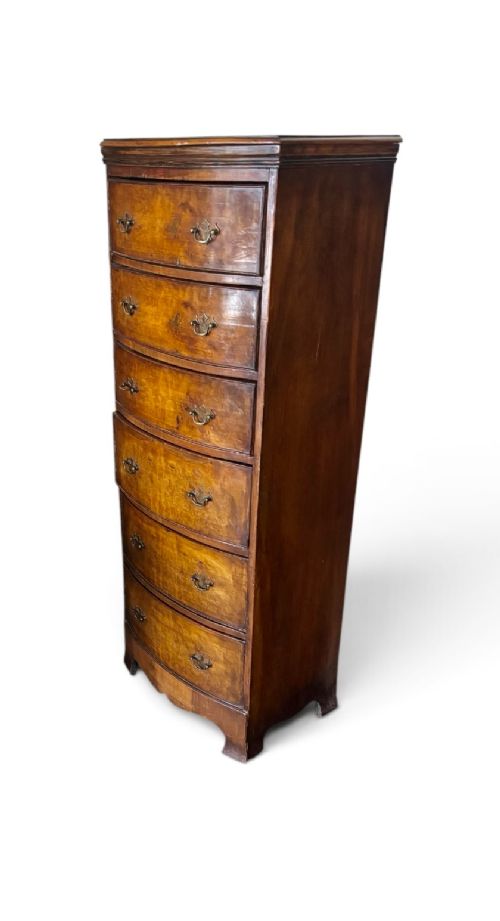
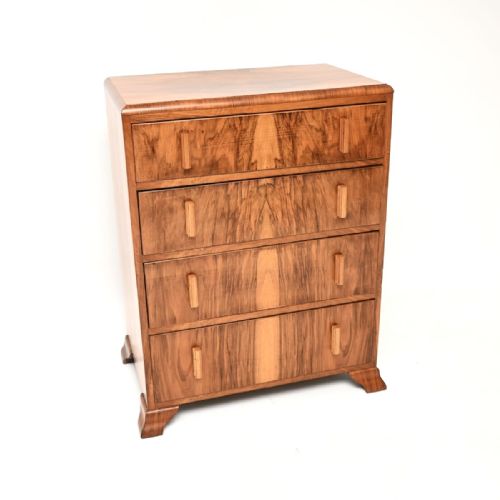
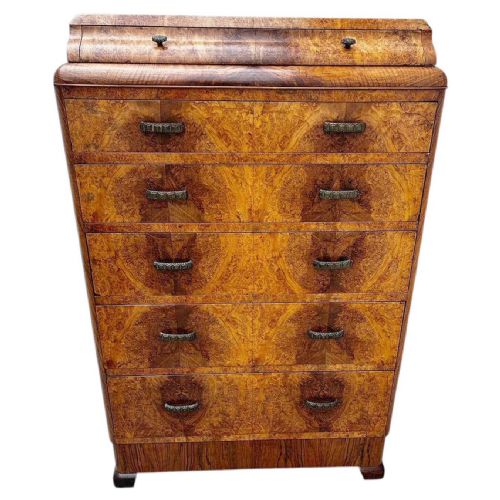
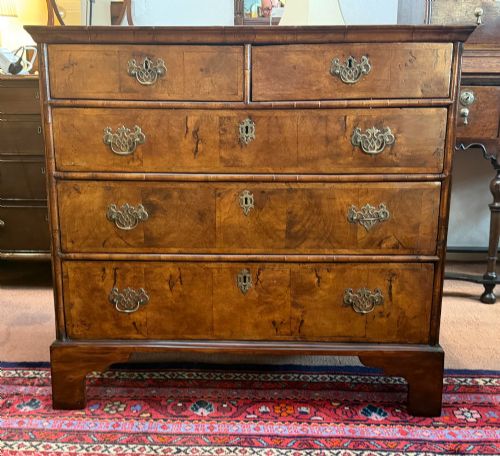
A brown walnut tallboy chest combines vertical capacity with rich timber grain, offering a commanding presence for storage.
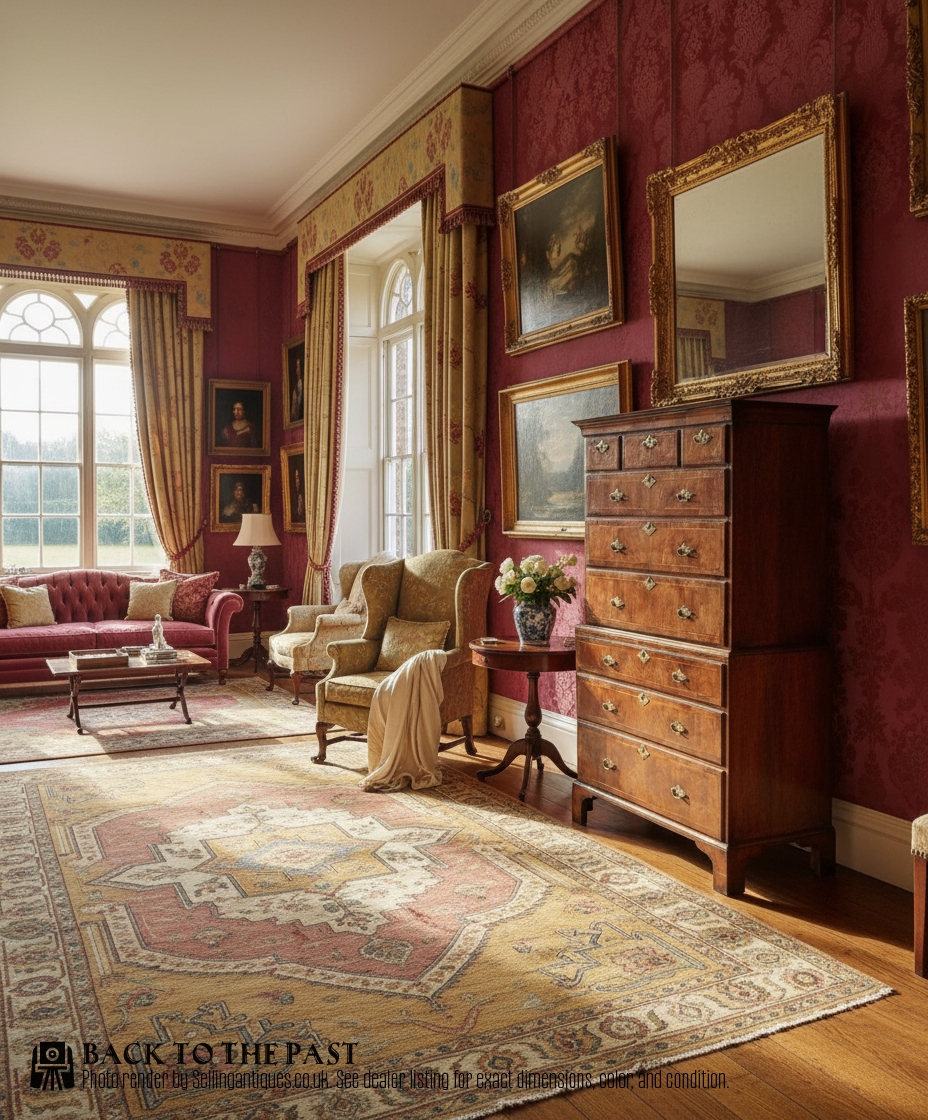
Brown Walnut Tallboy Chest
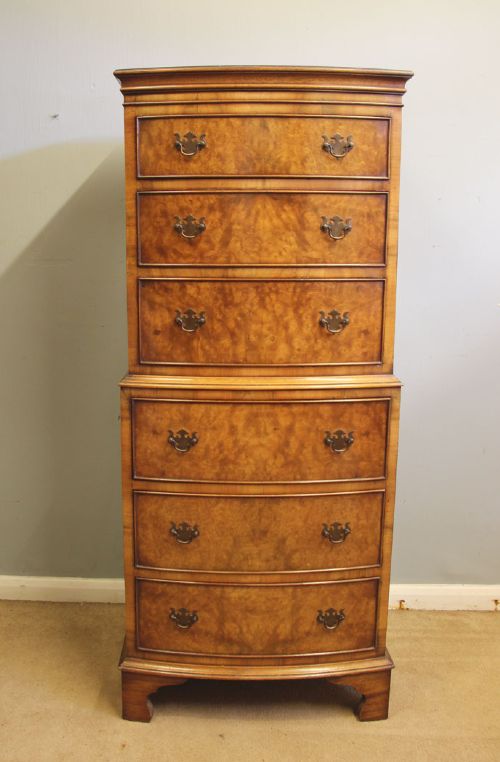
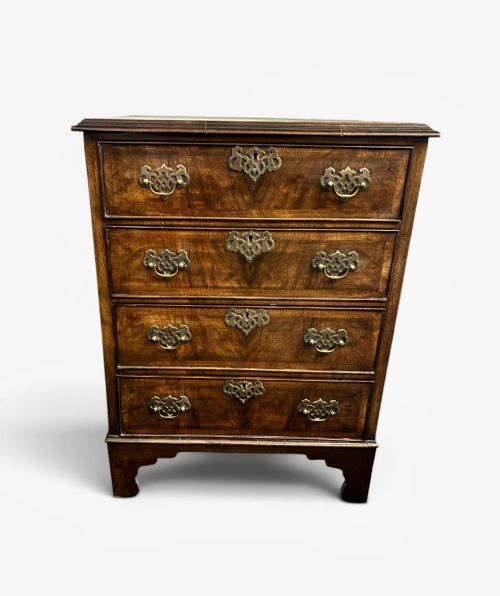
A brown walnut tallboy chest stands as a commanding vertical storage piece, often taking the form of a chest on chest or a tall cabinet configuration. These pieces provide deep drawer capacity while occupying a compact floor footprint within a room.
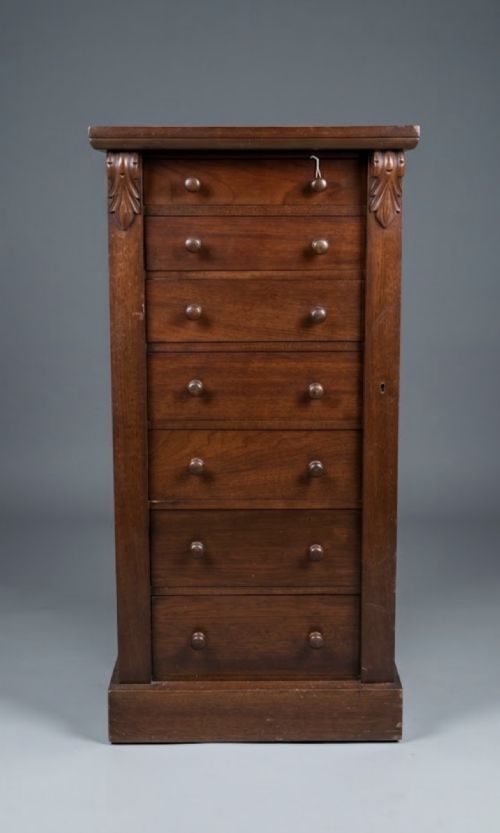
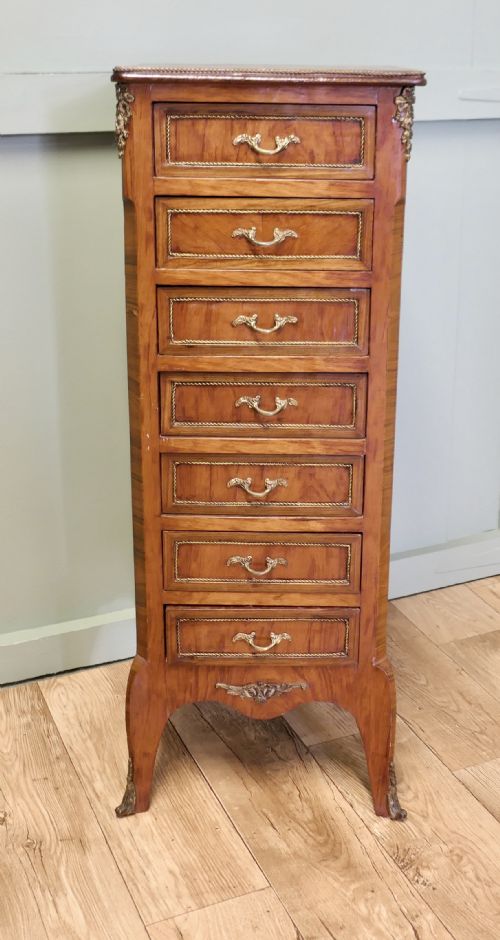
The selections span from early eighteenth century Queen Anne and George periods through to later twentieth century revivals. Buyers encounter traditional two-piece tallboys alongside bow front, serpentine, and Wellington variations.
Origins stretch across English workshops, Dutch makers, and French ateliers, bringing distinct regional silhouettes to the surface. Oak, pine, and fruitwood frequently appear as secondary timbers supporting the primary walnut facades.
Materials and construction
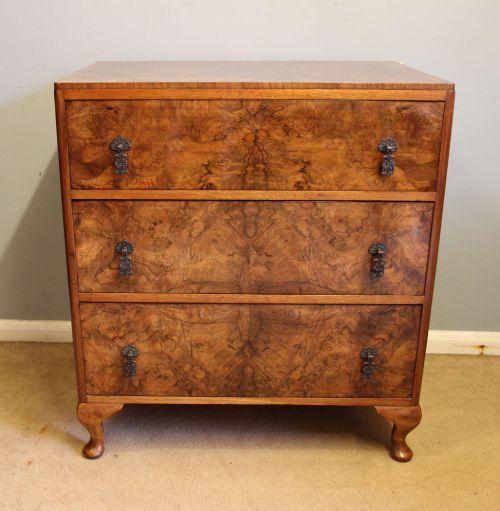
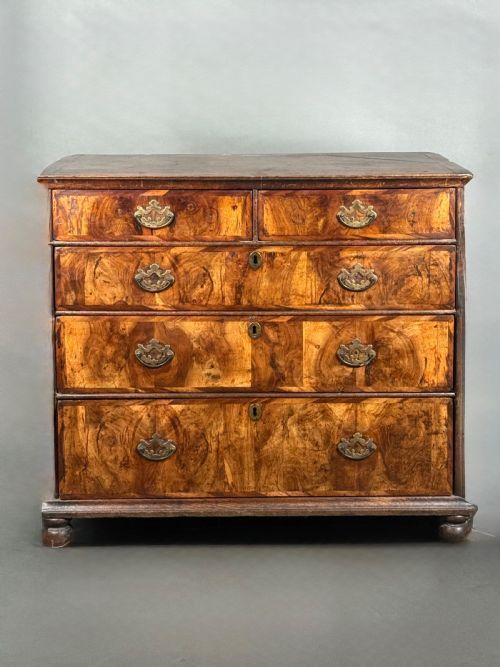
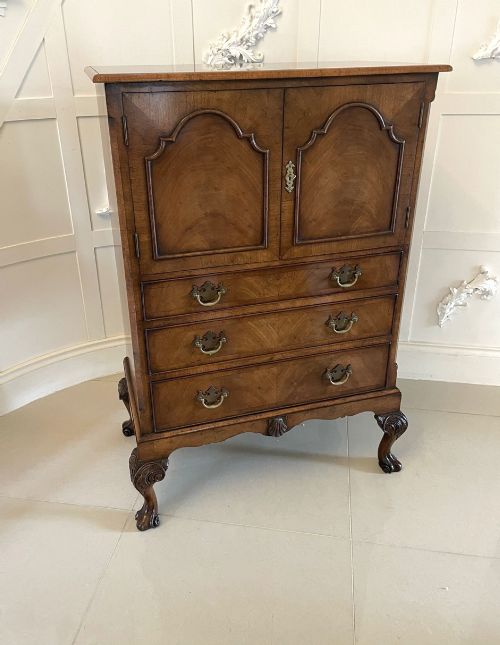
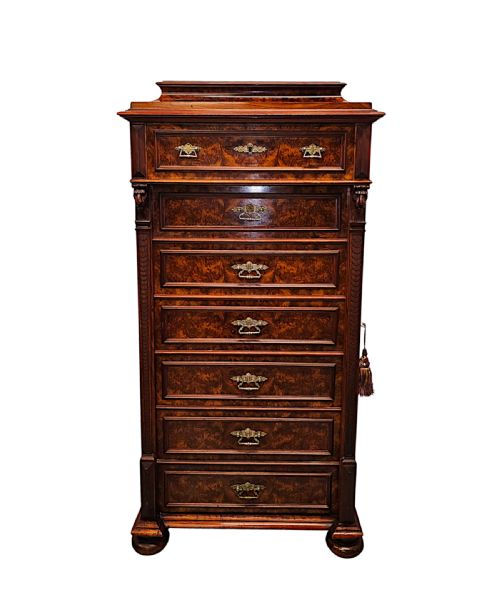
Cabinet makers utilised solid walnut alongside finely figured veneers, burr walnut, and oyster veneers to create striking surface patterns. Herringbone banding, line inlay, and floral marquetry frequently decorate the drawer fronts and top panels.
Brass drop handles, escutcheons, and drawer pulls provide functional contrast to the warm brown timber tones. Secondary structural frames rely on sturdy oak or pine to maintain stability across the tall upright carcass.
Materials recorded across the selection include solid walnut, burr walnut, walnut veneer, brass, oak, pine, and fruitwood.
Judging quality and execution
Quality rests upon the selection of timber figures, where symmetrical burr patterns and matched veneer grains elevate the visual impact of the piece. Crisp execution of inlay work and the preservation of original brass hardware signal superior workshop output.
Structural integrity depends on the precise alignment of the stacked sections in two-piece chests and the smooth operation of deep drawers. The survival of original polished surfaces without heavy modern intervention preserves the historical integrity of the piece.
Jas Shoolbred
The Brown Walnut Tallboy Chest Glossary
- Tallboy
- A tall chest of drawers, often constructed in two separate stacked sections, providing elevated storage capacity.
- Burr walnut
- Timber taken from a tree growth or burl, yielding swirling, highly decorative grain patterns prized by cabinet makers.
- Herringbone banding
- A decorative border made from small veneer strips laid in a V-shaped pattern, framing drawer faces.
- Wellington chest
- A tall, narrow chest of drawers secured by a hinged locking side flap that fastens with a key.
- Oyster veneer
- Circular slices cut across smaller branches of walnut, creating concentric oyster-like patterns across the surface.
Brown Walnut Tallboy Chest: Frequently Asked Questions
What is a brown walnut tallboy chest?
A brown walnut tallboy chest is a tall, upright set of drawers built from walnut timber, designed to maximise storage whilst maintaining a compact floor plan.
These pieces often feature stacked sections or specialised locking mechanisms like a side flap.
How do I identify a Georgian tallboy?
Georgian tallboys typically display figured walnut veneers, herringbone banding, and solid bracket feet or stands. The proportions are balanced, and secondary timbers like oak are visible inside the drawer construction.
Earlier examples often link to the Queen Anne or George I periods, showing distinct cornices and brass drop handles.
Where should I place a tallboy in my home?
A tallboy fits well in bedrooms or dressing rooms where vertical storage is required without sacrificing precious floor space. Their commanding height also suits large hallways or landings.
Ensure the room has sufficient ceiling clearance, particularly for two-piece chest on chest designs.
How do I care for antique walnut furniture?
Keep walnut furniture away from direct sunlight and heat sources to prevent the wood and delicate veneers from drying out. Regular dusting with a soft, dry cloth maintains the polished surface.
Apply occasional appropriate wax feeds sparingly to nourish the timber grain without building up heavy residues.