

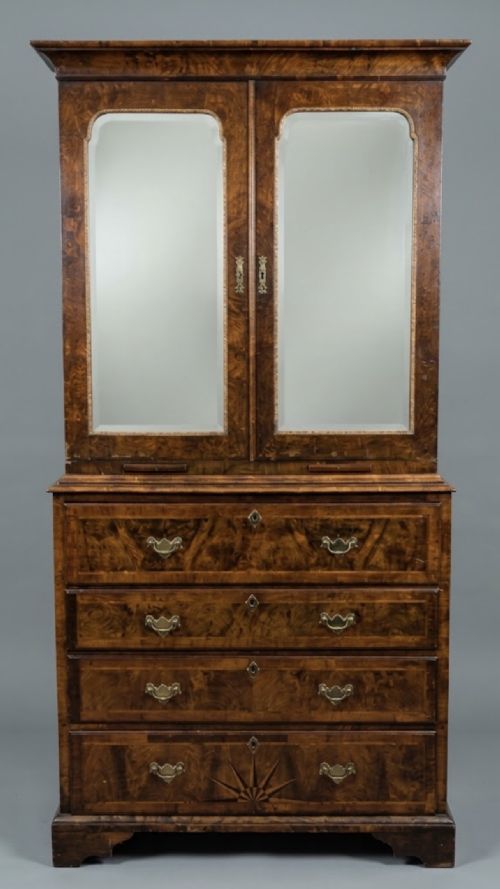
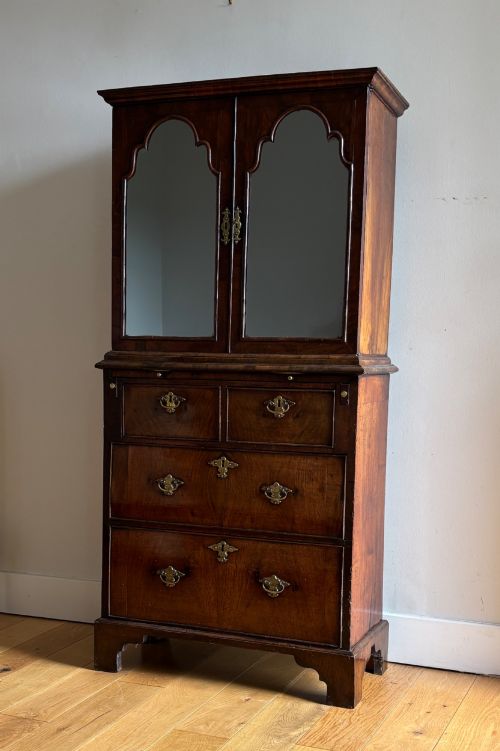
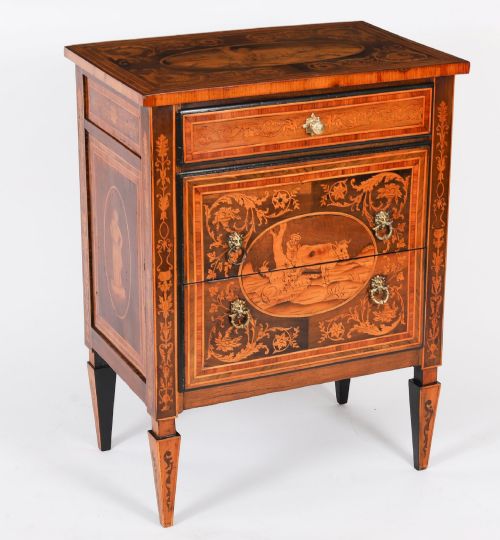
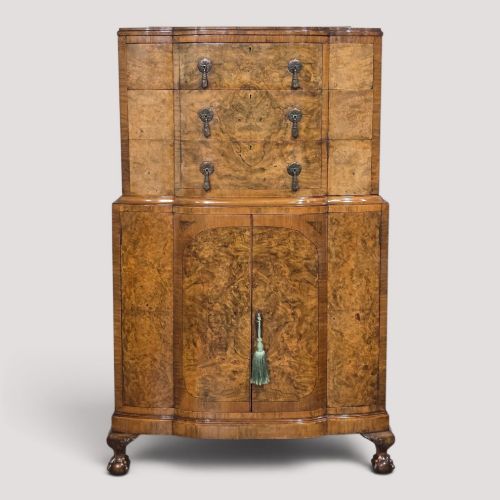
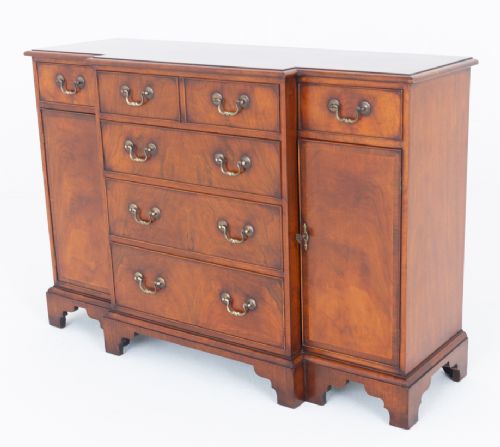


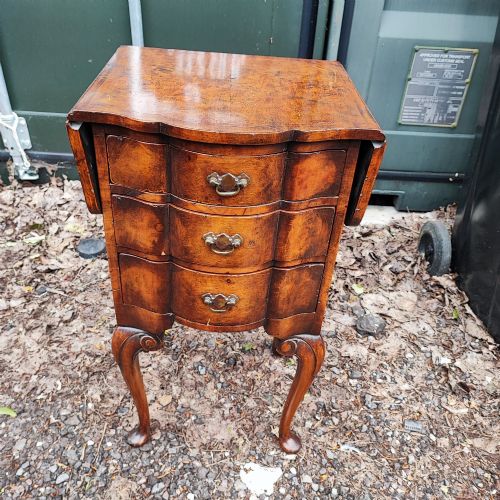


Georgian Walnut Cupboard Chest
A georgian walnut cupboard chest brings rich timber and practical storage together, remaining a cornerstone of traditional interior decoration.
Georgian Walnut Cupboard Chest
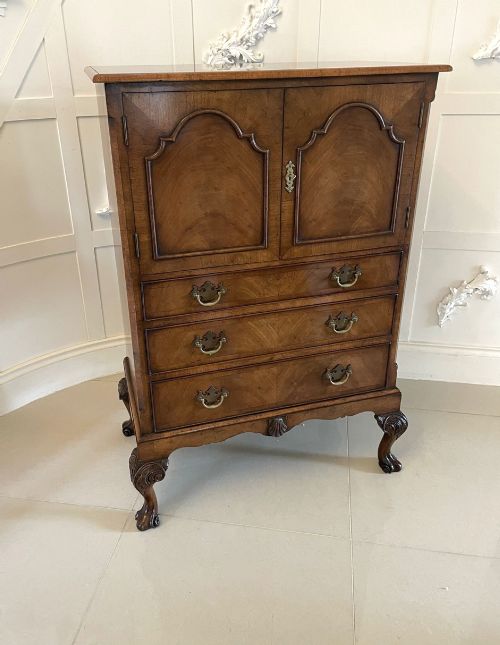
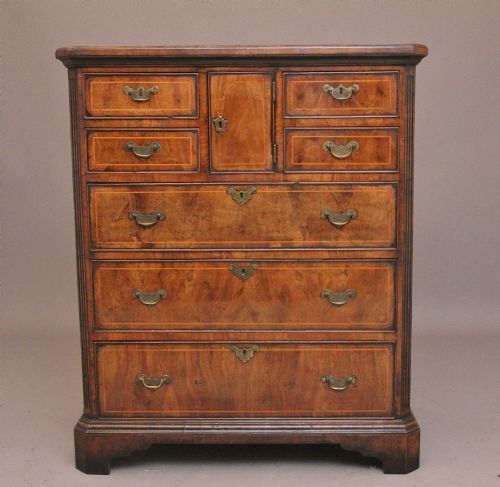
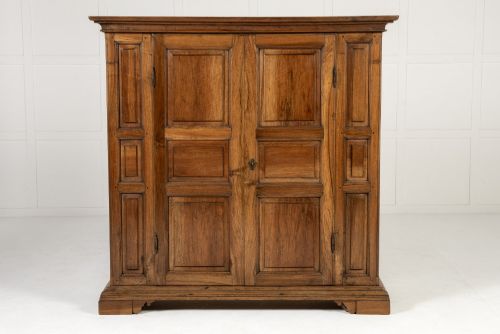
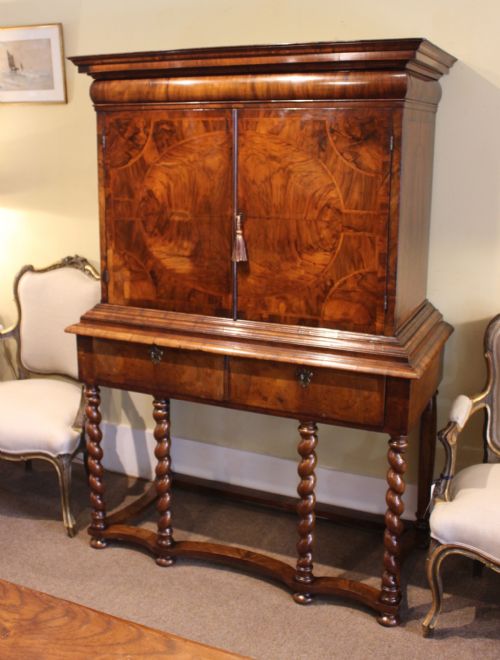
A georgian walnut cupboard chest encompasses sophisticated storage items spanning several centuries, ranging from cabinet on chest forms to bedside tables and desks. The listings show a strong presence of pieces originating from the eighteenth century alongside later revivals from the early twentieth century.
Buyers will encounter various configurations including linen press cupboards, secretaire cabinets, and traditional chests on stands. The variety extends from early pieces associated with the George I and George II periods to twentieth-century interpretations executed in walnut and burr walnut veneer.
Materials and technique
Constructed primarily from solid walnut and burr walnut veneer, these pieces often feature contrasting secondary timbers such as oak and mahogany. Cabinetmakers utilised figured grain patterns to create decorative facades on doors and drawer fronts.
Metalwork played a functional and decorative role, with brass handles and escutcheons fitted to drawers and cabinet doors. Iron hardware and leather inserts also appear in specific desk and cabinet variants.
Georgian Walnut Cupboard Chest Retail Price Guide 2026
Typical asking prices for georgian walnut cupboard chest among the pieces listed under this phrase on Sellingantiques today, from the lower quarter to the upper quarter. They describe what is for sale here now, not the wider market.
Listings feature items spanning the seventeenth, eighteenth, nineteenth, and twentieth centuries, including Georgian and Queen Anne Revival styles.
Quality and construction
The choice of timber veneer dictates much of the visual appeal, with highly figured burr walnut commanding attention for its intricate grain patterns. Cabinets displaying consistent matching veneers across multiple drawers and doors demonstrate superior craftsmanship.
Proportion and scale distinguish finer examples, particularly smaller proportions seen in miniature chests and secretaire cabinets. Original brass hardware and well-preserved surface patination contribute further to the distinction between standard items and exceptional works.
The Georgian Walnut Cupboard Chest Glossary
- Burr walnut
- A wood harvested from the abnormal growth of a walnut tree, yielding swirling patterns prized for decorative veneer work. It appears extensively across cabinet doors and drawer fronts in high-status furniture.
- Cabinet on chest
- A two-part furniture form featuring an upper cabinet seated upon a lower chest of drawers or stand. This configuration maximised storage capacity while maintaining a vertical footprint.
- Secretaire cabinet
- A desk form incorporating a drop-front writing flap that conceals a collection of small interior drawers and pigeonholes. It combines the utility of a writing desk with the enclosed storage of a cabinet.
- Linen press
- A tall cupboard traditionally used for storing folded linen and garments on sliding trays or shelves. Eighteenth-century examples frequently combine upper cupboard doors with lower drawer sections.
- Kneehole desk
- A compact desk featuring a central recessed space for the user's knees, flanked by pedestals of small drawers. George II examples often include a concealed drawer or cupboard within the central arch.
Georgian Walnut Cupboard Chest: Frequently Asked Questions
What is a cabinet on chest?
A cabinet on chest is a tall storage furniture form consisting of an upper enclosed cupboard section mounted on a lower base of drawers or a stand. This construction allowed owners to store textiles or valuables securely behind doors while keeping smaller items in drawers.
Such pieces date predominantly from the seventeenth and eighteenth centuries, evolving through various stylistic periods including Queen Anne and George I. They remain practical focal points for traditional interiors.
Are these pieces suitable for modern bedrooms?
These items offer versatile storage solutions that integrate well into contemporary homes as wardrobes, side tables, or linen cupboards. Bedside cabinets and small chests provide functional surfaces alongside bed frames.
The enduring warm tones of walnut timber complement both traditional and modern interior colour palettes. Their robust construction ensures they withstand daily domestic use.
What distinguishes a George I piece?
Furniture from the George I era often displays clean architectural lines combined with rich figured walnut veneers and subtle crossbanding. Makers during this reign focused on balanced proportions and understated decorative elements.
Pieces from this time frequently utilise cabinet on chest or secretaire formats with fitted desk interiors. The craftsmanship reflects an evolution towards refined interior comfort.
How do I care for antique walnut?
Antique walnut furniture requires protection from direct sunlight and sudden humidity changes to prevent timber movement and veneer lifting. Regular dusting with a soft, dry cloth maintains the surface without chemical buildup.
Applying traditional beeswax polish occasionally helps nourish the wood and preserve its historic patination. Avoid placing items near direct heat sources such as radiators.