

Brown Walnut Storage Cabinet
A brown walnut storage cabinet brings rich timber grain and practical containment to an interior, drawing on centuries of fine cabinet-making traditions.
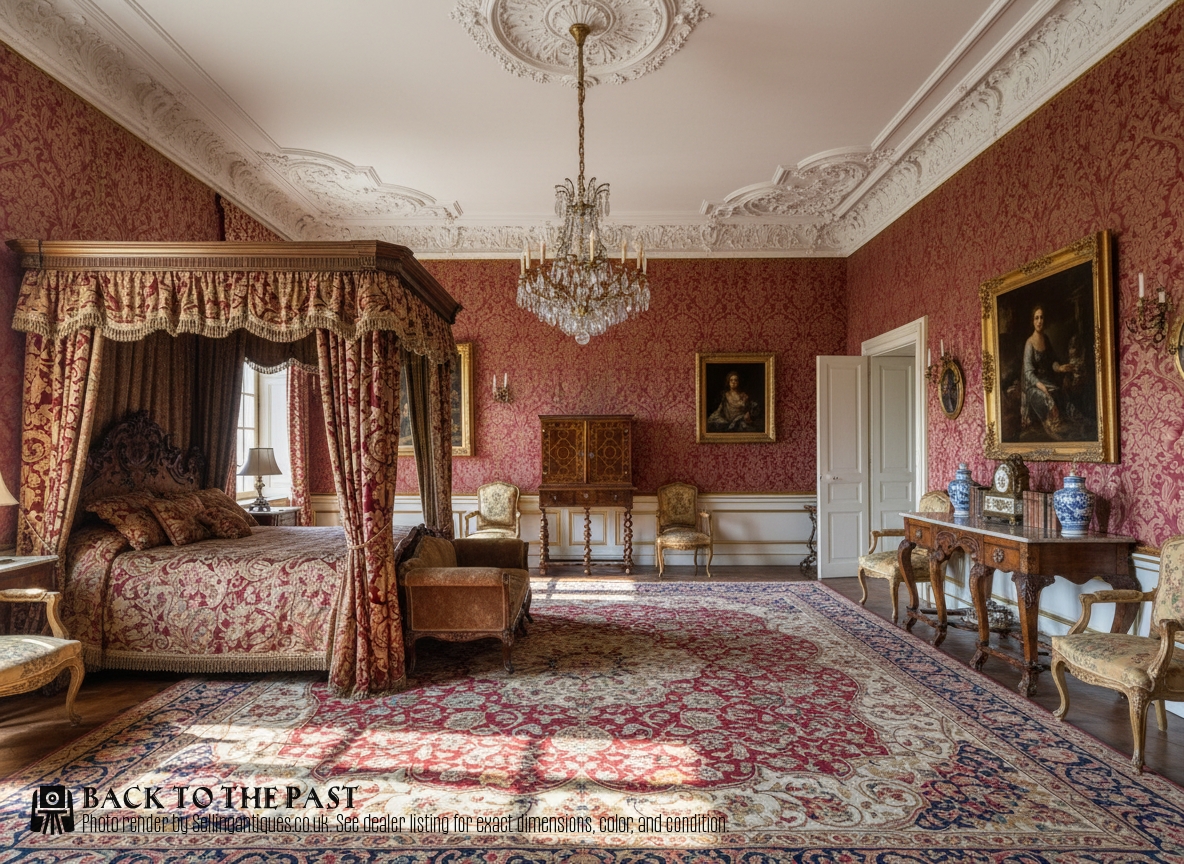
Brown Walnut Storage Cabinet
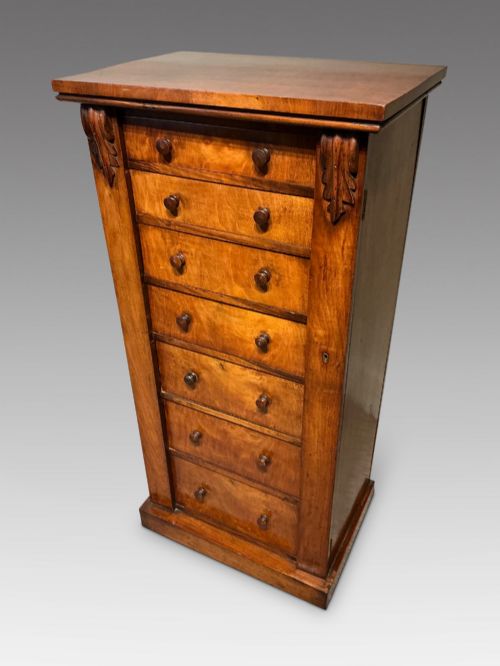
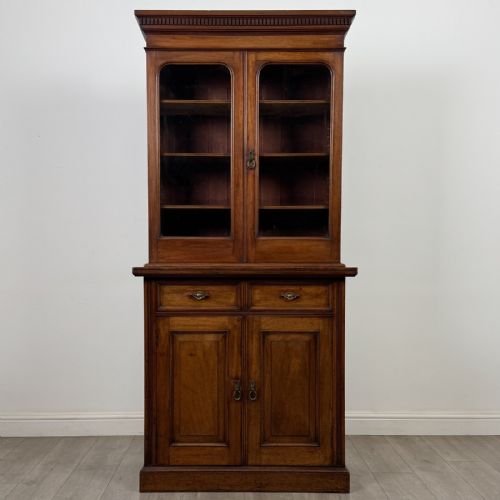
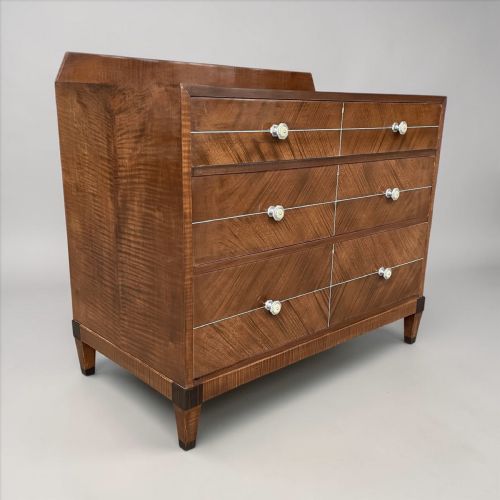
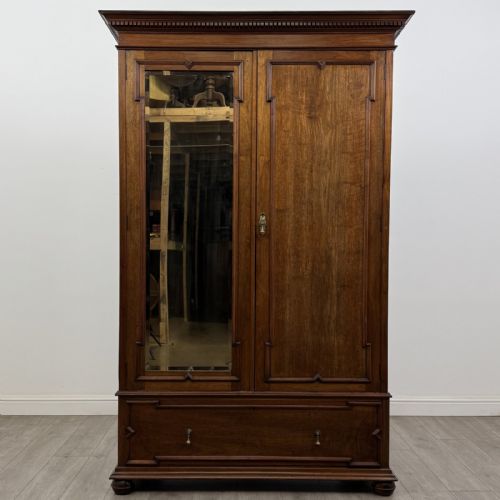
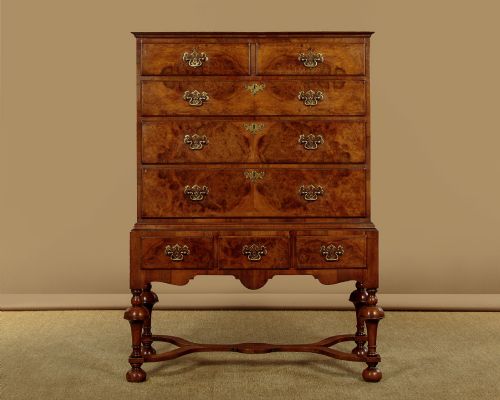
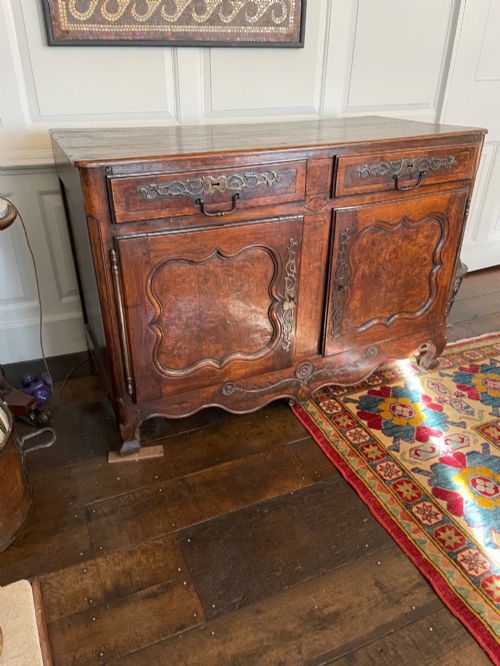
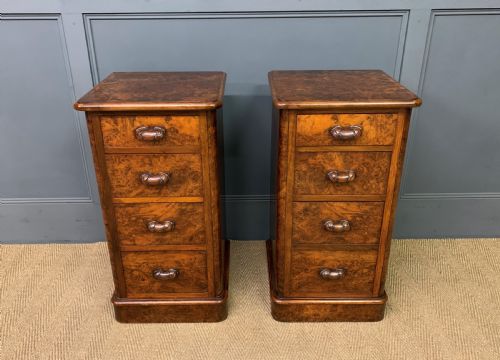
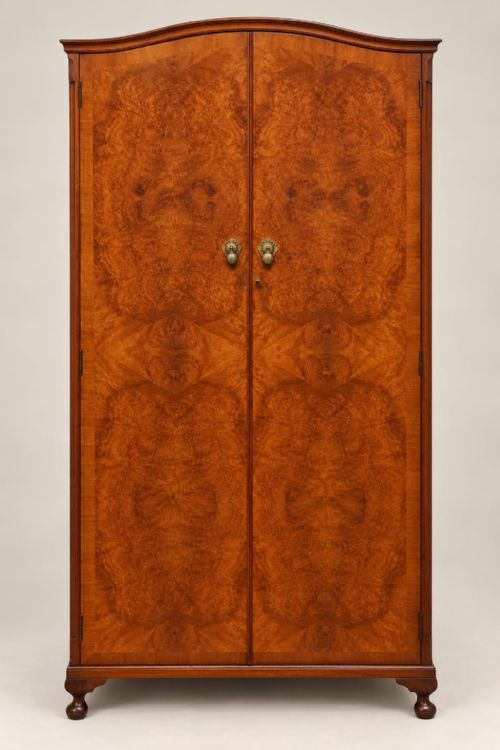
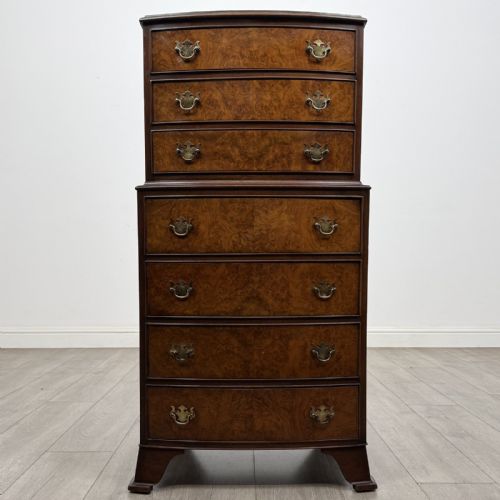
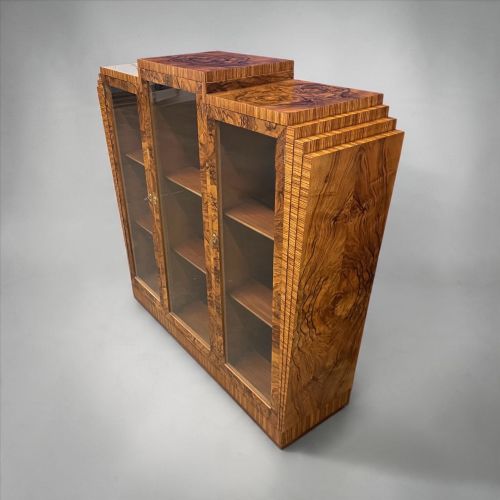
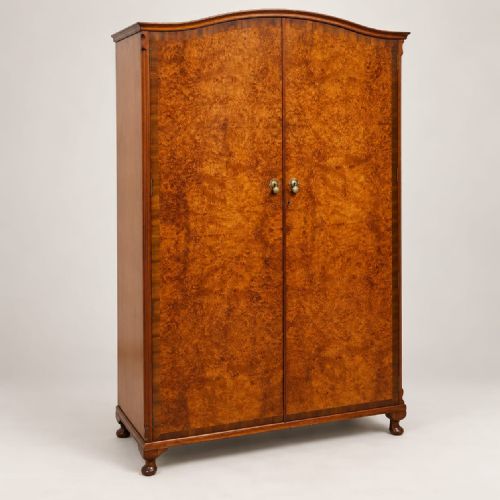
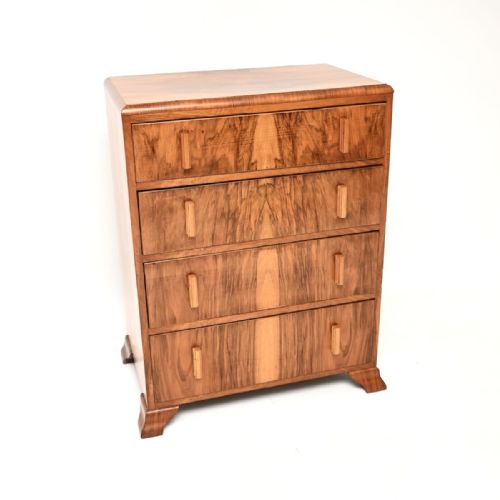
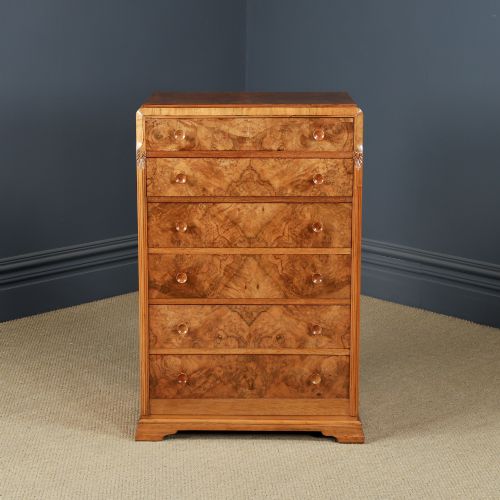
A brown walnut storage cabinet encompasses a diverse range of furniture forms designed for domestic organisation, spanning centuries of British and continental design. Buyers seeking this phrase encounter functional storage items such as chests of drawers, wardrobes, credenzas, tallboys, bookcases, and specialised music cabinets.
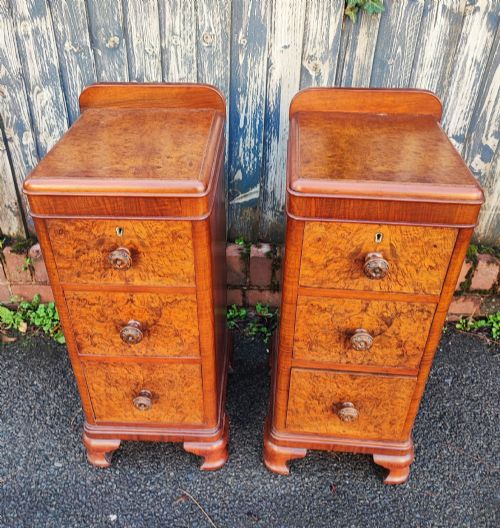
Victorian and Edwardian iterations sit alongside geometric Art Deco designs and earlier eighteenth-century Queen Anne examples. Buyers most frequently meet pieces utilising figured and burr walnut veneers, often shaped with bow fronts or fitted with internal shelving and drawers.
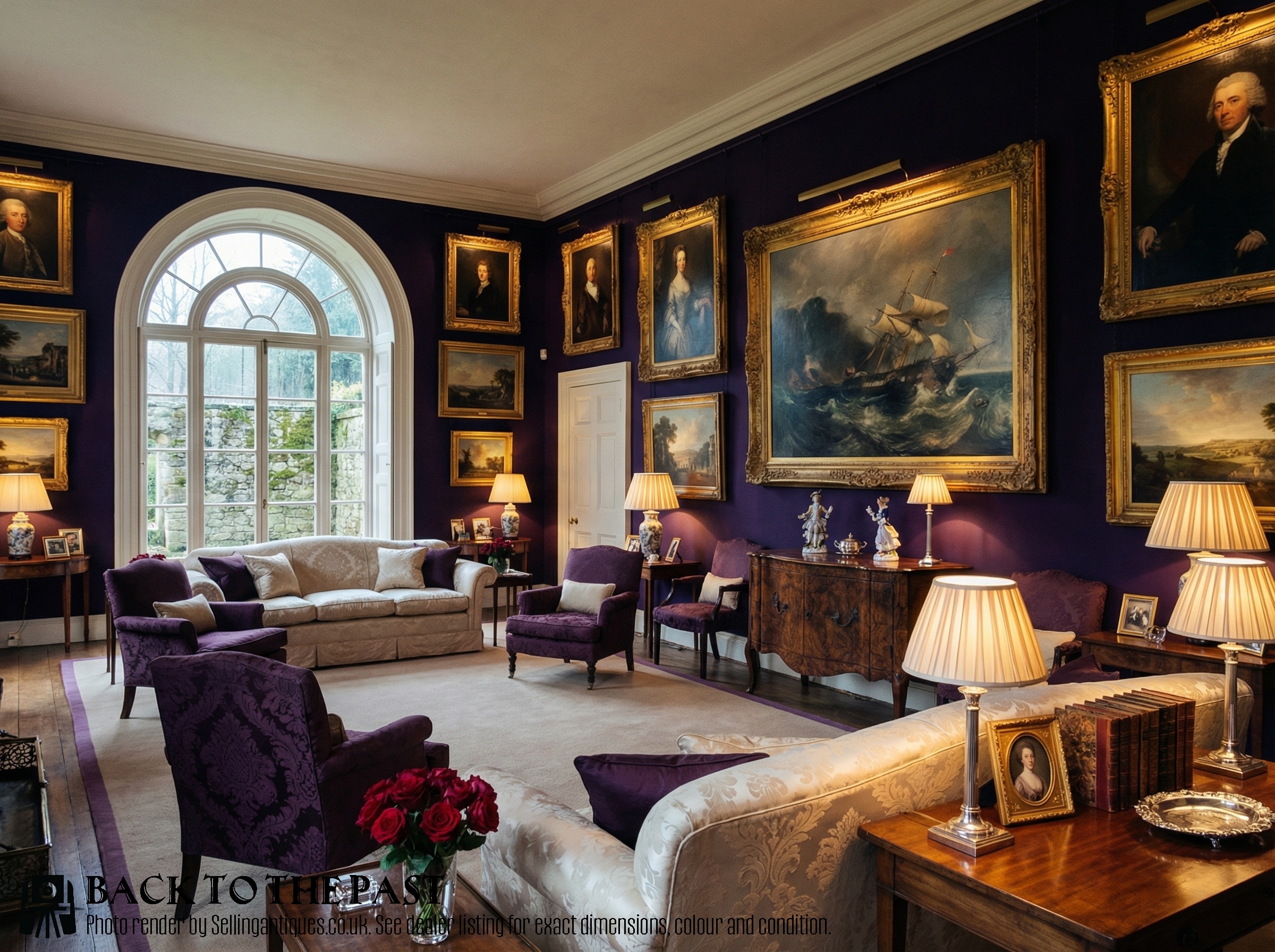
How they were made
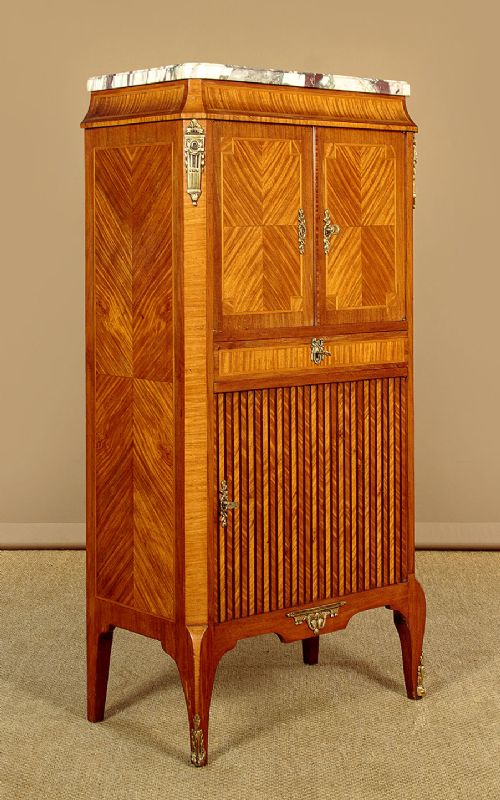
Cabinet-makers relied upon solid timber frameworks overlaid with carefully selected walnut and burr walnut veneers to create striking decorative patterns across flat and curved surfaces. Figured grain sections were booked-matched or quarter-matched to produce symmetrical visual effects on drawer fronts and doors.
Brass hardware, glass panels, and cast or gilt ormolu mounts supplemented the timber construction, particularly on nineteenth-century credenzas and cabinets. Inlay techniques such as floral marquetry integrated lighter and darker woods into the primary walnut body, while carving defined structural details on Victorian and continental pieces.
Brown Walnut Storage Cabinet Retail Price Guide 2026
Typical asking prices for brown walnut storage cabinet among the pieces listed under this phrase on Sellingantiques today, from the lower quarter to the upper quarter. They describe what is for sale here now, not the wider market.
Sheet music cabinets preserve the exact wooden partitions once used to sort polite evening piano scores.
What varies in quality
Quality rests in the selection and application of the timber veneers, where balanced grain patterns and meticulous matching elevate a piece significantly. Superior examples display seamless integration of secondary timbers and precise joinery that maintains structural integrity over centuries of use.
The refinement of internal fittings, original brass fixtures, and the crispness of applied ormolu mounts or hand-carved elements distinguish higher workshops from standard commercial production. Preservation of the original surface finish and honest patination carry substantial weight in determining the standing of any given piece.
Shoolbred & Co.·Maison Gagneau
The Brown Walnut Storage Cabinet Glossary
- Burr walnut
- A veneer sliced from the irregularly grained growth burls of a walnut tree, prized for its complex swirling patterns. It forms the primary decorative surface on many high-status nineteenth and twentieth-century cabinets.
- Ormolu
- Gilded bronze mounts applied to the exterior of furniture, particularly popular on Victorian and continental pieces. This decorative metalwork accents corners, friezes, and panel borders.
- Marquetry
- The art of applying pieces of veneer to a structure to form decorative patterns and pictures. Floral motifs and geometric borders feature frequently on continental and eighteenth-century examples.
- Tallboy
- A tall piece of furniture consisting of a chest of drawers elevated on a stand or stacked into a double-body configuration. This form maximises vertical storage capacity within a compact floor footprint.
- Credenza
- A low sideboard or cabinet featuring central doors flanked by curved or straight side compartments. Victorian iterations often incorporate glass doors and elaborate ormolu mounts.
Brown Walnut Storage Cabinet: Frequently Asked Questions
How do I identify a burr walnut finish?
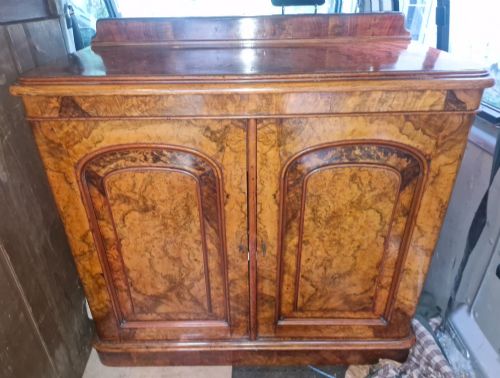
Burr walnut is recognisable by its dense, swirling grain clusters and knot formations that create intricate natural patterns across the surface. This timber veneer differs significantly from straight-grained walnut through its dramatic, mottled appearance.
Cabinet-makers deliberately selected these figured sections for the primary visual panels of doors and drawer fronts to draw the eye. The resulting patterns remain distinct from painted or printed finishes due to the natural depth within the wood.
Where were these cabinets used originally?
These storage pieces served various domestic functions across reception rooms, bedrooms, hallways, and libraries depending on their specific form. Wardrobes and tallboys provided bedroom garment storage, while credenzas and side cabinets furnished formal living spaces.
Specialised pieces like sheet music cabinets and collectors' drawer units catered to specific hobbies and refined household organisation. Their placement reflected the social hierarchy and functional zoning of historic homes.
How do I care for walnut furniture?
Walnut furniture requires placement away from direct sunlight and excessive heat sources to prevent timber splitting and veneer lifting. Maintaining stable indoor humidity levels preserves the structural stability of the underlying carcase.
Routine dusting with a soft, dry cloth maintains the surface without the need for heavy chemical polishes. Occasional application of appropriate wax feeding helps nourish historic finishes and maintain a natural lustre.
What distinguishes an Art Deco cabinet?
Art Deco cabinets display clean geometric lines, stepped architectural forms, and highly figured walnut veneers arranged in bold symmetrical layouts. Ornamentation is minimal compared to earlier Victorian or Edwardian revival pieces.
These twentieth-century designs favour streamlined silhouettes and functional integration into modern domestic interiors. The aesthetic prioritises the natural beauty of the wood grain over applied surface decoration.