

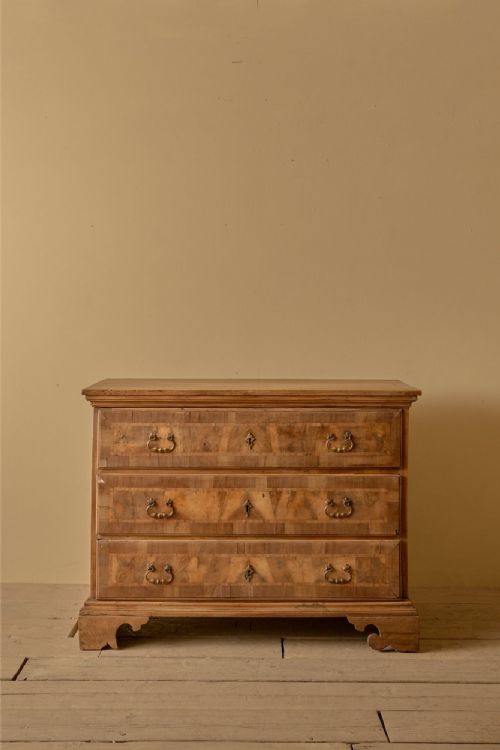
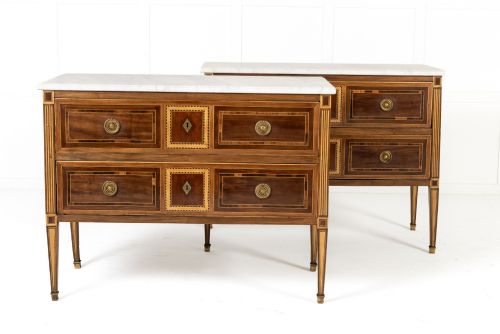
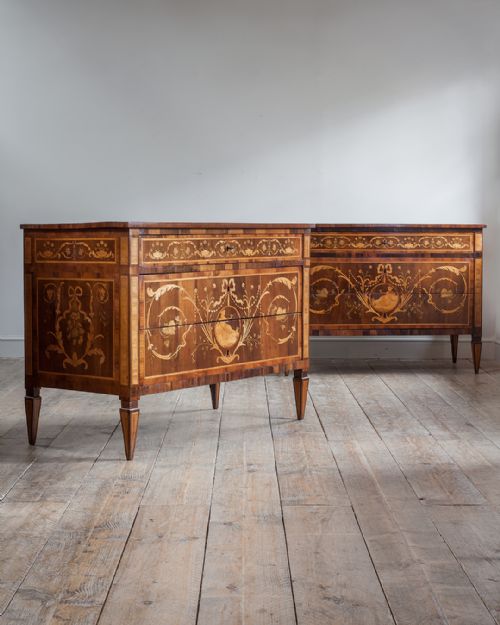

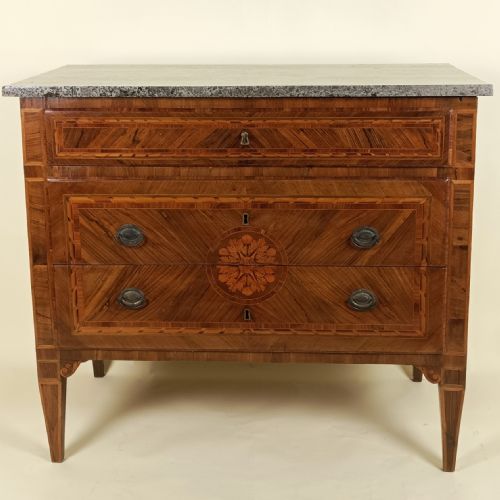


18th Century Italian Commode
An 18th century Italian commode brings sculptural timber and regional continental flair to an interior.
18th Century Italian Commode
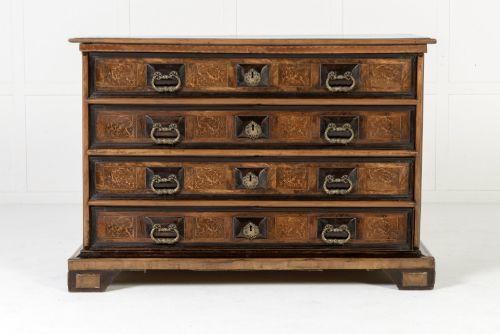
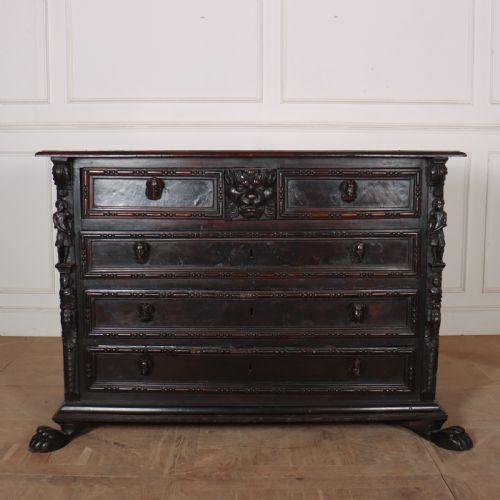
An 18th century Italian commode is a substantial low storage chest featuring generous proportions and continental lines. When exploring this selection, buyers frequently encounter walnut timbers alongside painted finishes, serpentine outlines and marquetry detailing.
The objects span provincial fruitwood constructions and refined Lombard or Venetian pieces. Regional variations emerge across North Italian workshops, taking the form of bedside chests, bureau bookcases and classic two-drawer storage forms.
Makers utilised local woods alongside imported veneers, mounting many examples with marble tops. The surviving pieces bridge baroque exuberance and neoclassical restraint.
Materials and construction
Cabinet makers constructed these chests using solid walnut, burr walnut, olive-wood and various fruitwoods, often applying intricate kingwood, rosewood, yew and cherrywood marquetry or parquetry veneers across the carcase. Surfaces received hand-mixed paint finishes or clear polish to highlight the natural grain.
Carved wooden details and shaped serpentine drawer fronts required skilled joinery, while many upper surfaces integrated fitted marble slabs. Brass hardware frequently secured drawers and doors, completing the continental construction.
18th Century Italian Commode Retail Price Guide 2026
Typical asking prices for 18th century italian commode among the pieces listed under this phrase on Sellingantiques today, from the lower quarter to the upper quarter. They describe what is for sale here now, not the wider market.
The listings show pieces spanning the eighteenth and nineteenth centuries, utilising walnut, fruitwood, marble, paint and brass across serpentine chests and bedside tables.
Assessing quality and craftsmanship
Quality rests in the precision of the veneer work, the fluidity of the serpentine contour and the integrity of the original timber. Superior examples display balanced grain matching across drawer fronts and crisp marquetry inlay.
The presence of original painted decoration, integrated marble tops and period brass mounts distinguishes finer regional pieces from simpler provincial output.
The 18th Century Italian Commode Glossary
- Serpentine
- A curved outline featuring a convex centre flanked by concave sides. This rhythmic shape defines many finer continental chests.
- Marquetry
- Decorative patterns formed by fitting together thin slices of various coloured woods and veneers. Artisans applied these geometric or pictorial designs to drawer fronts and tabletops.
- Parquetry
- A geometric mosaic of wood pieces used for surface decoration. It differs from marquetry through its strict reliance on repeating angular shapes.
- Fruitwood
- Timber sourced from fruit-bearing trees such as pear, apple or cherry. Cabinet makers valued these dense woods for fine inlay work and smaller provincial items.
- Neoclassical
- A late eighteenth-century style drawing inspiration from classical antiquity. It introduces symmetrical lines and restrained ornamentation.
18th Century Italian Commode: Frequently Asked Questions
Where were these commodes made?
These chests originated in various regions across Italy, with significant numbers emerging from northern workshops in centres such as Lombardy and Venice.
Craftsmen in different provinces utilised local timber supplies and regional aesthetic traditions, leading to distinct stylistic variations between northern and southern pieces.
How do I style a commode at home?
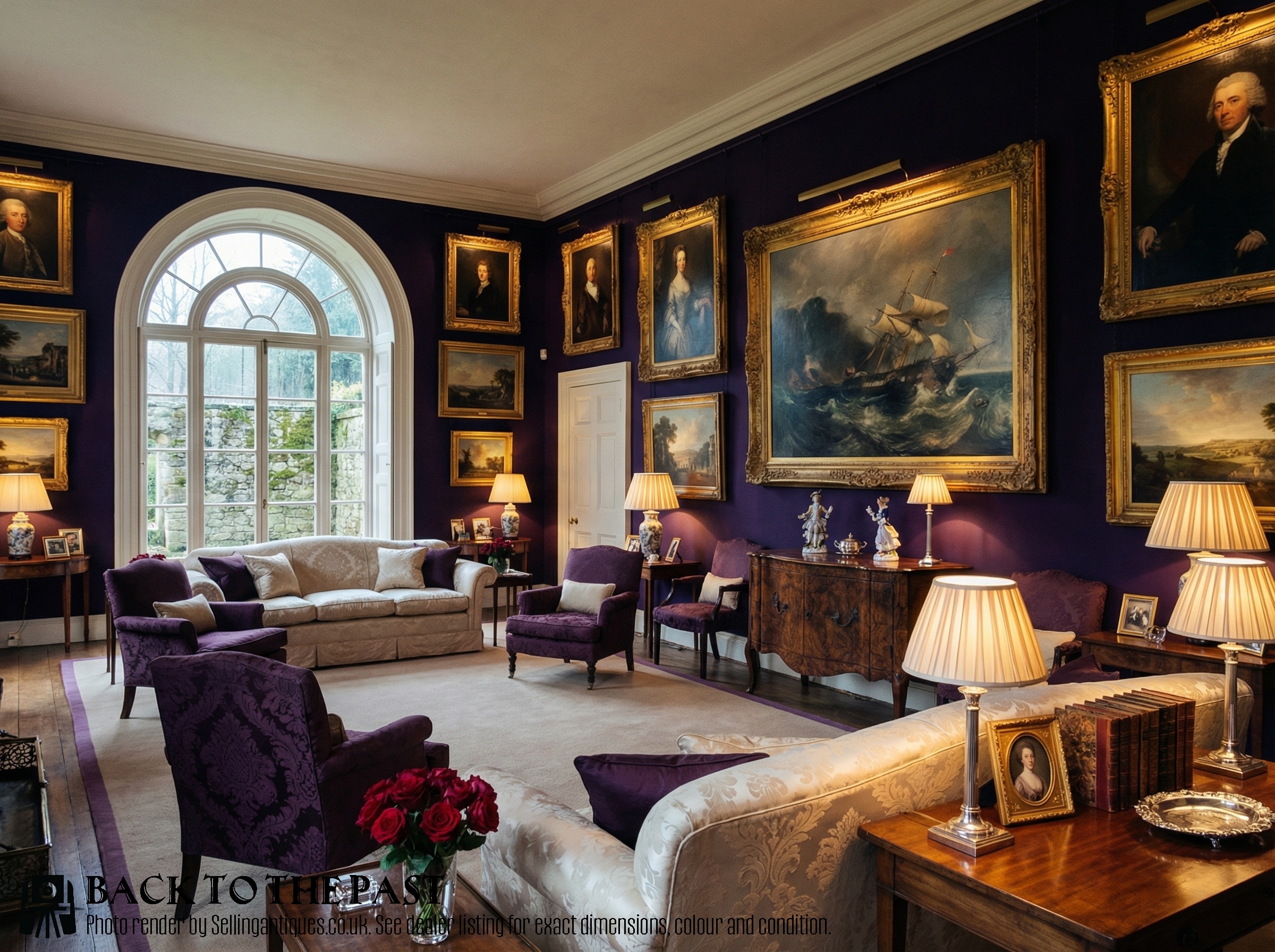
An 18th century Italian commode works effectively as a focal point in a hallway, drawing room or bedroom. The generous surface accommodates lamps, mirrors or curated decorative objects.
Allow sufficient clearance around the serpentine outline so the carved wood and marble tops remain fully visible within the room.
Are marble tops original?
Many Italian commodes from this period were fitted with marble slabs to provide a durable and luxurious upper surface. Surviving examples frequently retain their original stone tops, though replacements occurred over centuries of use.
The integration of marble varied by region and the specific commission requirements of the workshop.
How do I distinguish baroque from neoclassical pieces?
Baroque and early rococo pieces tend to feature exuberant, highly curved serpentine shapes, deep carving and dynamic movement. These forms emphasise theatrical display and dramatic silhouette.
Neoclassical examples introduce straight lines, symmetrical marquetry patterns and architectural restraint, reflecting a shift in European taste towards classical antiquity.