
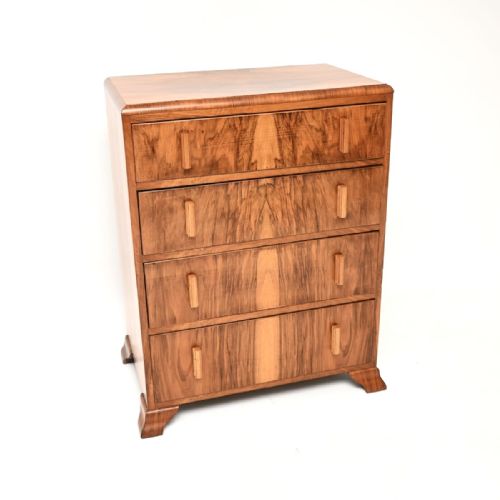
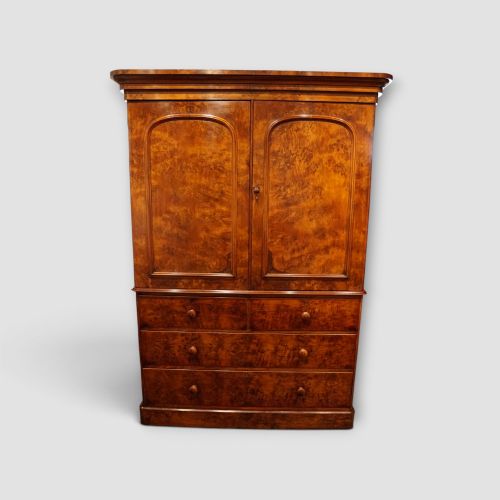
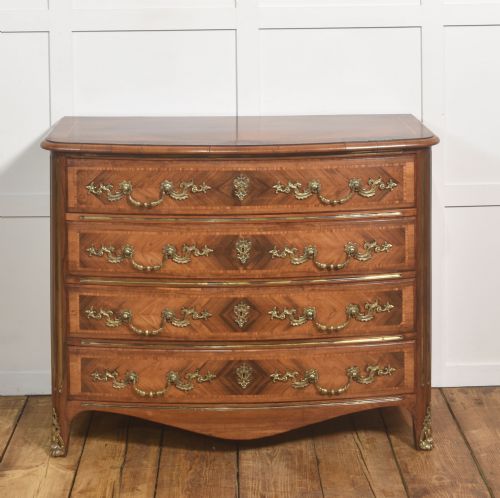
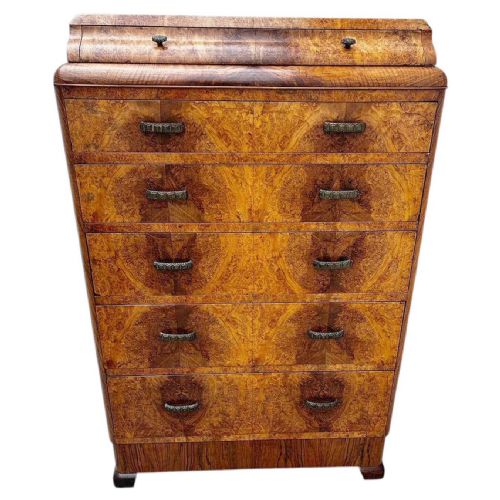
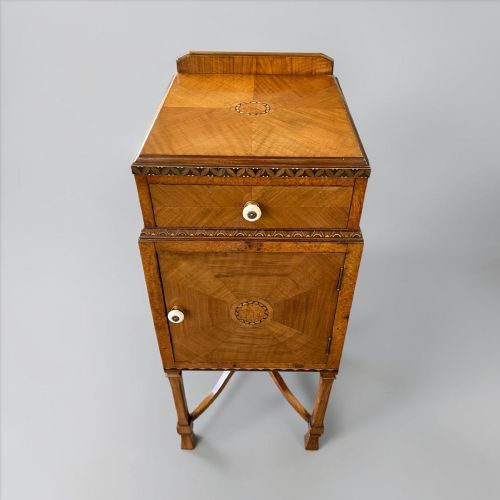
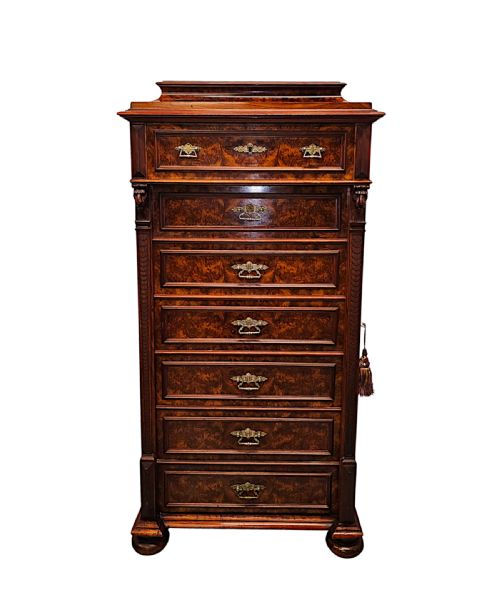
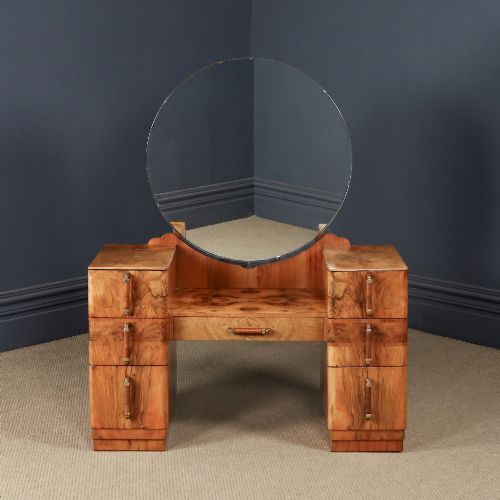
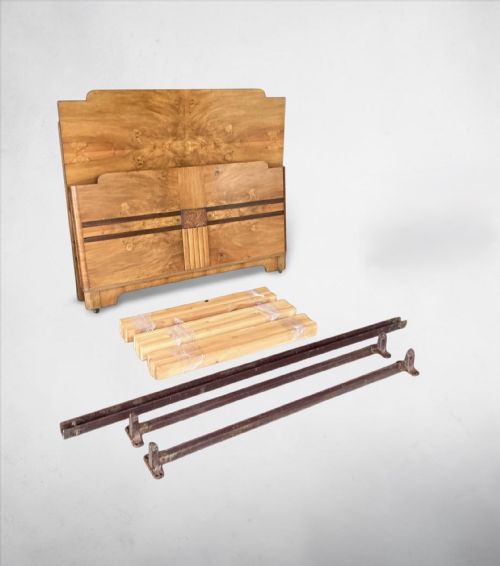
Antique Walnut Bedroom Furniture
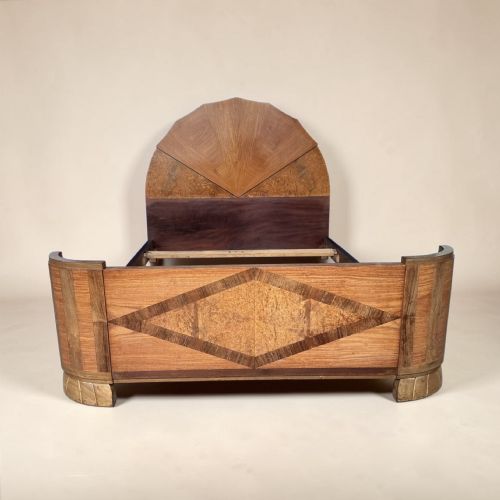
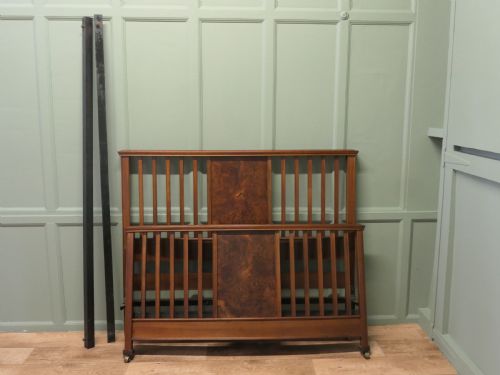
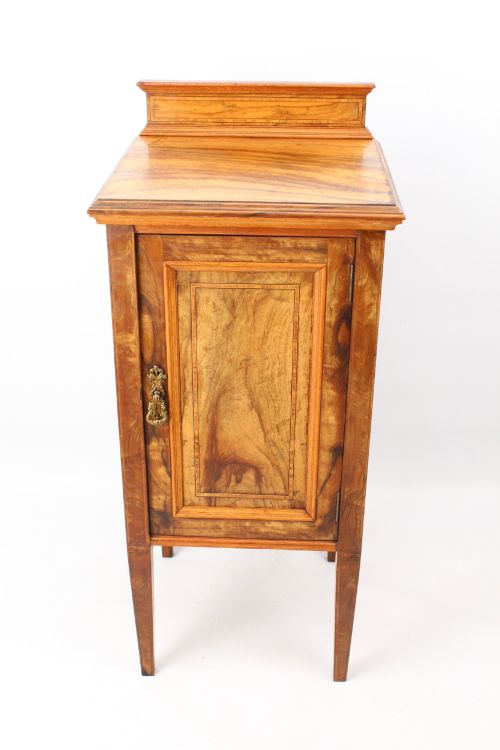
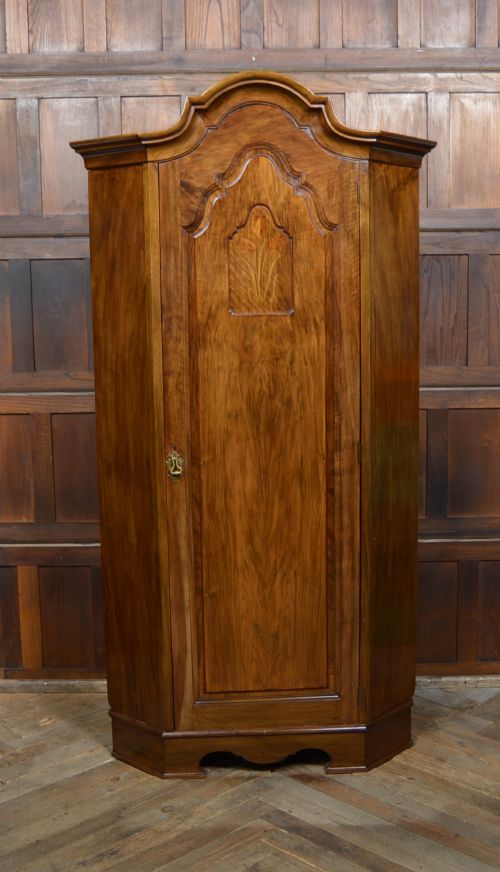
These antique walnut bedroom furniture pieces offer rich timber tones and classic forms to anchor any sleeping quarters.
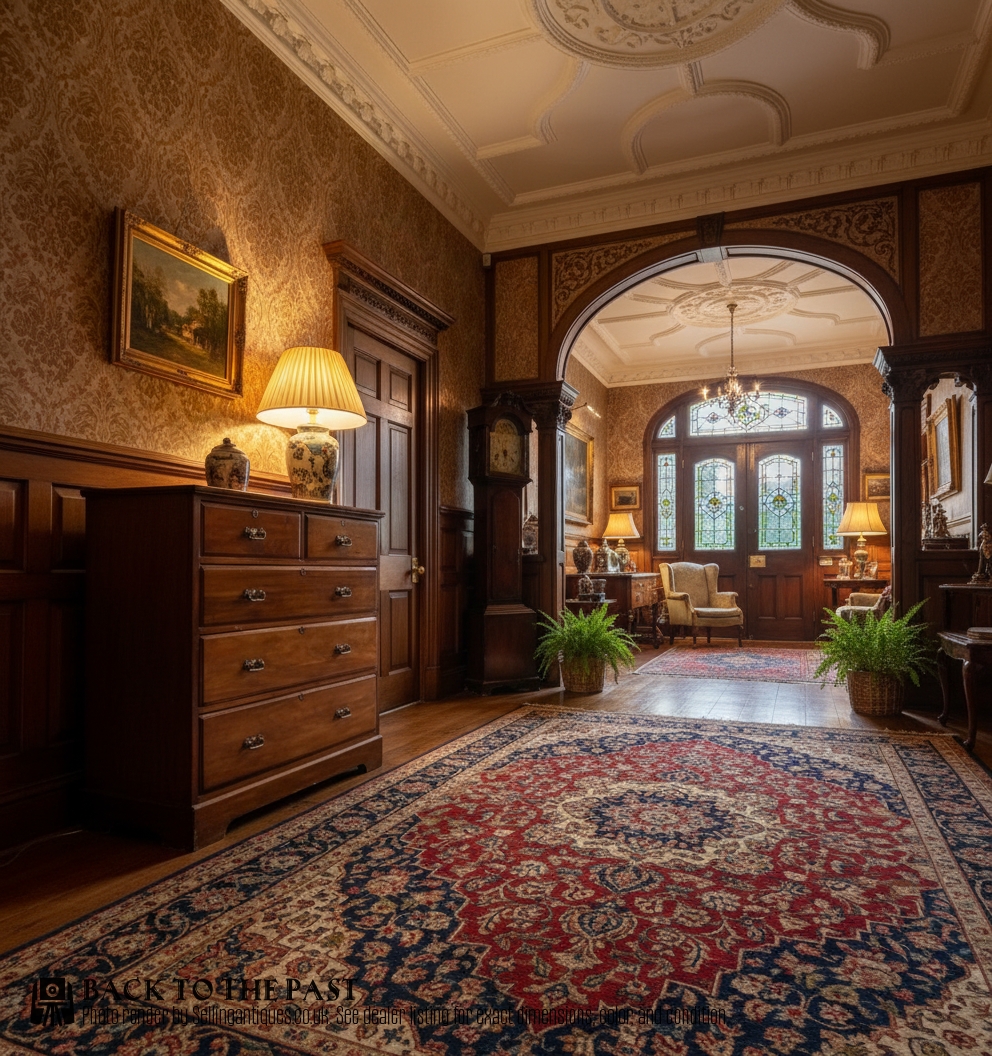
Identifying Antique Walnut Bedroom Furniture
Buyers most frequently encounter pieces dating from the nineteen-twenties through to the Victorian era on these pages. These items span various iterations including Georgian revival pieces and North Italian commodes inlaid with kingwood.
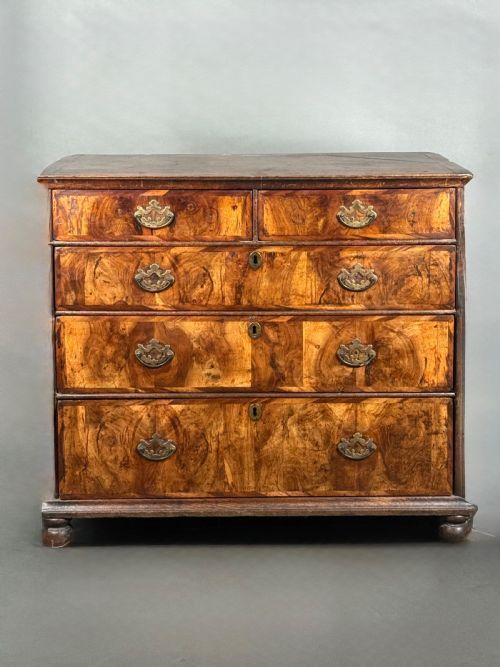
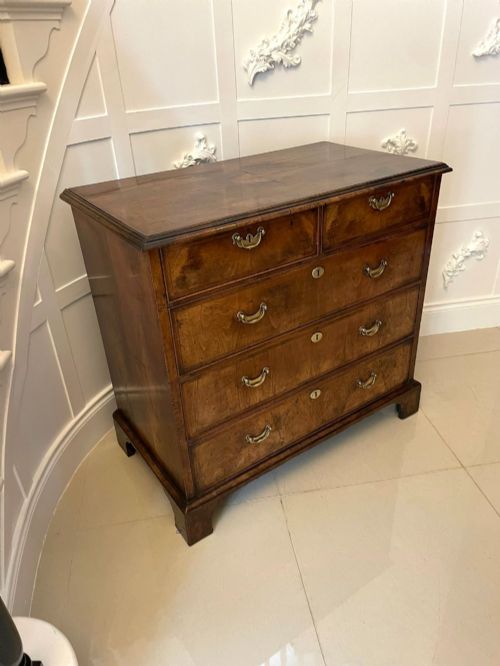
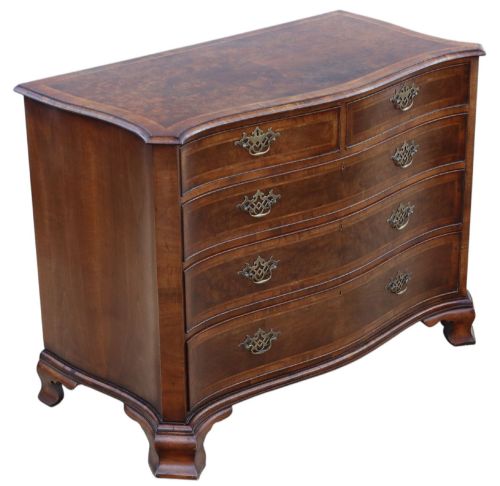
The material forms the primary unifying thread across these objects, utilising solid timbers alongside highly figured veneers. Forms vary from single chests of drawers to expansive bedroom suites and smaller companion pieces.
Construction and Materials
Secondary elements incorporate brass hardware, marble tops, and mirror glass. Inlaying techniques sometimes combine kingwood alongside walnut to create contrasting borders and panel details.
Retail Price Guide 2026
Typical UK retail prices for walnut bedroom furniture, calculated from the Sellingantiques database of over a million retail prices indexed since 2003. This retail price guide relies exclusively on Sellingantiques data; no external sources or auction records are used, so the figures do not describe the wider market.
Materials recorded across the inventory include solid walnut, burr walnut, brass, marble, mirror glass, kingwood, fruitwood, and oak.
Distinctions in Quality
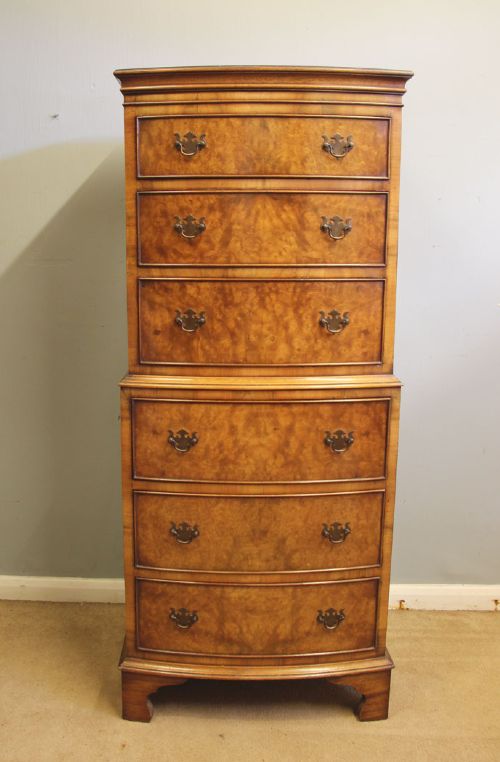
The grade of timber selection dictates the visual impact, particularly in how burr veneers are matched across drawer fronts and cupboard doors. Superior examples display thoughtful grain continuity rather than random patchwork.
Construction methods reveal the underlying craftsmanship through tight joinery, substantial drawer linings, and the integration of original brass fittings. Period specific assembly details separate authentic early examples from later revival pieces.
The Antique Walnut Bedroom Furniture Glossary
- Burr walnut
- A veneer sliced from the grotesque growths on walnut trees, yielding complex swirling grain patterns. This material was historically reserved for the most prominent surfaces of high-end cabinetry.
- Chest on chest
- A tall storage unit comprising one chest stacked directly upon a slightly larger base chest. This form maximises vertical capacity while offering numerous drawer tiers.
- Kingwood
- A dense, richly coloured exotic timber utilised for contrasting stringing and banding on finer cabinets. It provides a dark border that frames lighter walnut panels.
- Commode
- A low decorative cabinet or chest of drawers, often associated with continental craftsmanship. These pieces frequently feature sophisticated marquetry and shaped fronts.
Frequently Asked Questions
How do I date an antique walnut chest?
Dating relies upon examining construction methods, timber thickness, and hardware fixings. Early pieces utilise hand-cut dovetails and native secondary woods.
Stylistic cues such as bracket feet, cornice details, and specific veneer treatments further narrow down the era of manufacture.
Can I mix different walnut tones together?
Walnut naturally varies in shade from deep browns to golden honey tones depending on age and exposure. Mixing these variations works successfully because the underlying warmth of the timber ties different pieces together.
Matching the grain intensity matters more than achieving an exact colour match across a room.
How should I care for burr walnut surfaces?
Protect burr walnut from direct sunlight and excessive temperature fluctuations to prevent veneer cracking or fading. Regular dusting with a soft, dry cloth maintains the finish without needing heavy polishes.
Applying microcrystalline wax occasionally helps nourish the wood and preserve the lustre of the grain.
What defines a George II chest on chest?
A George II chest on chest originates from around the mid-eighteenth century, combining structural height with architectural proportions. These pieces frequently pair walnut drawer fronts with oak carcases.
They represent a pinnacle of formal English cabinet making from that era.