
Brown Walnut Seating
Brown walnut seating brings deep, dark timber tones and rich period character into a room through armchairs, dining sets, and stools.
Brown Walnut Seating
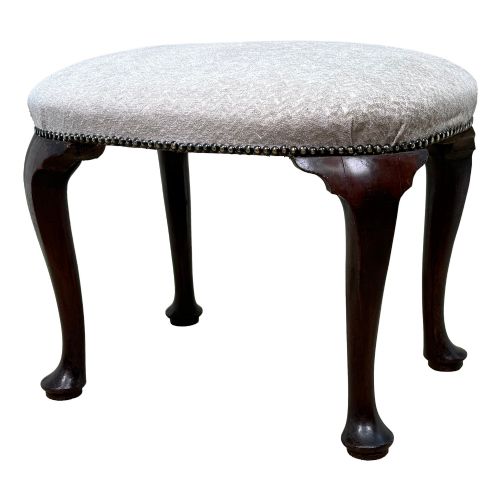
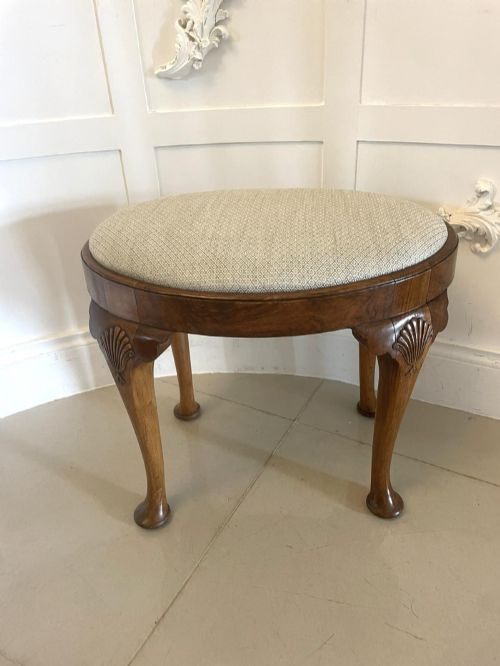
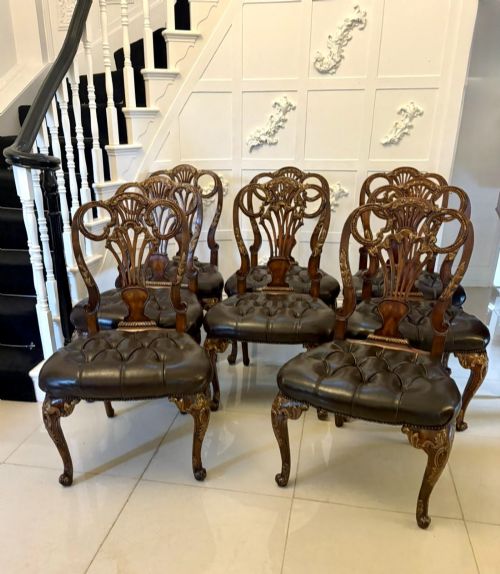
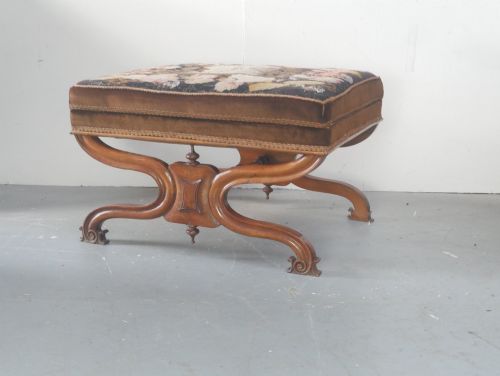
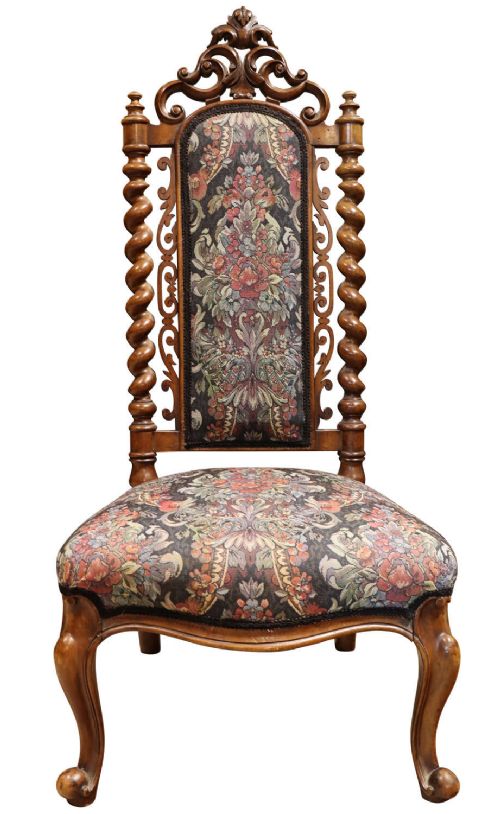
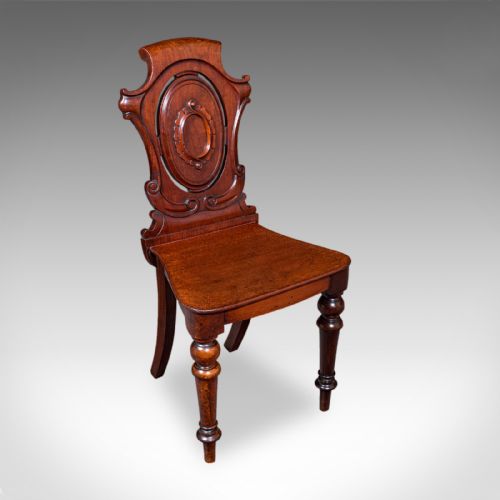
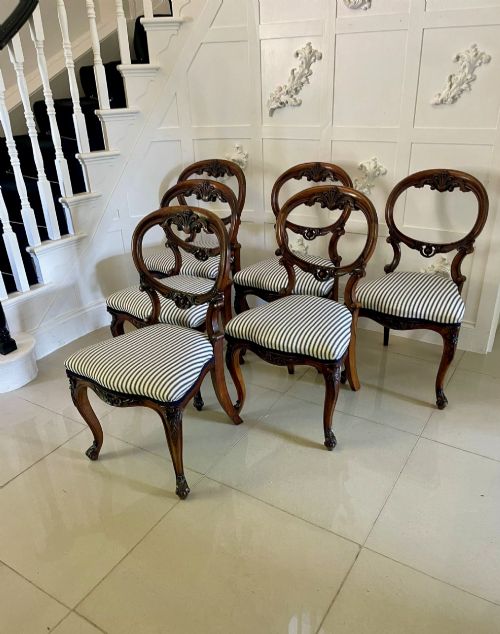
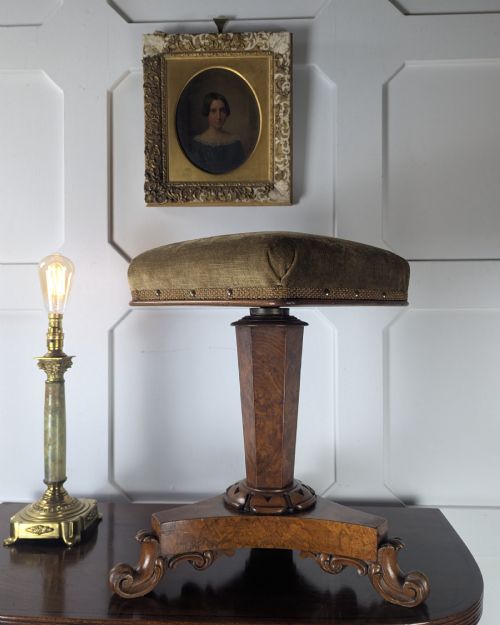
Brown walnut seating encompasses a wide variety of historical forms designed for sitting, resting, and working. You will encounter everything from formal dining chairs and library armchairs to piano stools and nursing seats across this selection.
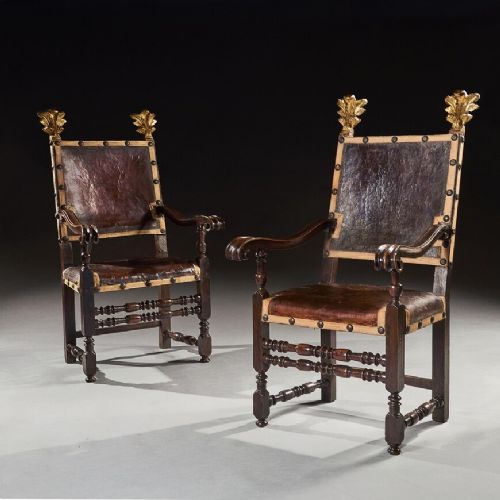
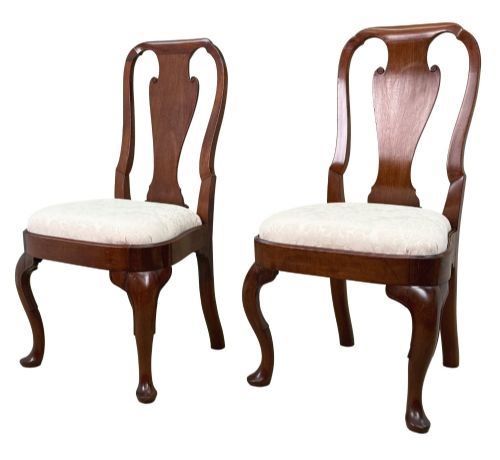
The objects span multiple centuries and stylistic revivals, with pieces originating from English, French, Scottish, and Italian workshops. Victorian examples and Queen Anne style revivals appear frequently alongside pieces from the early eighteenth century.
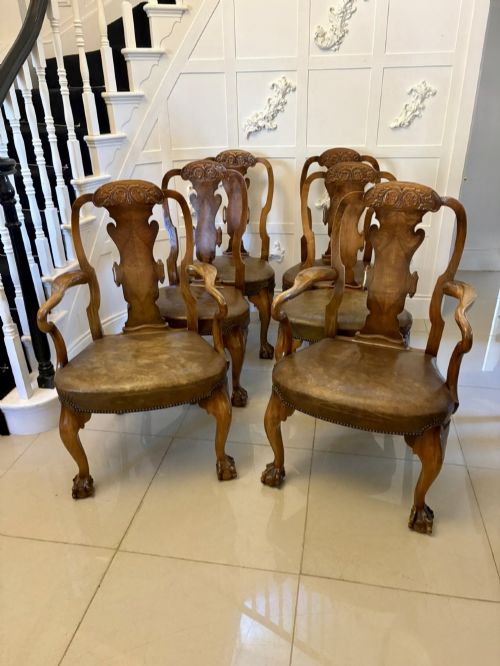
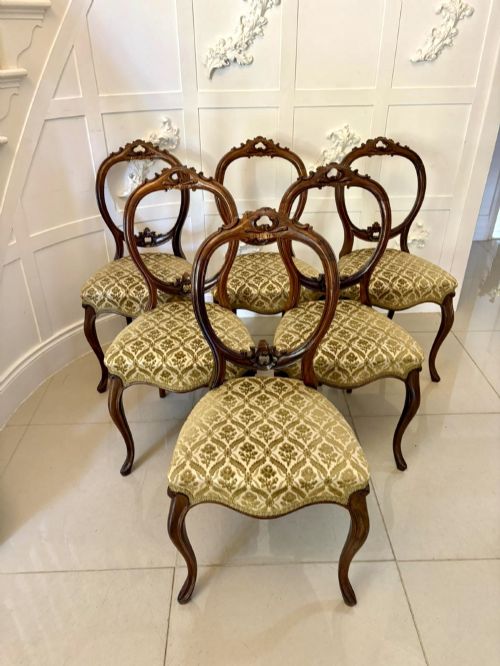
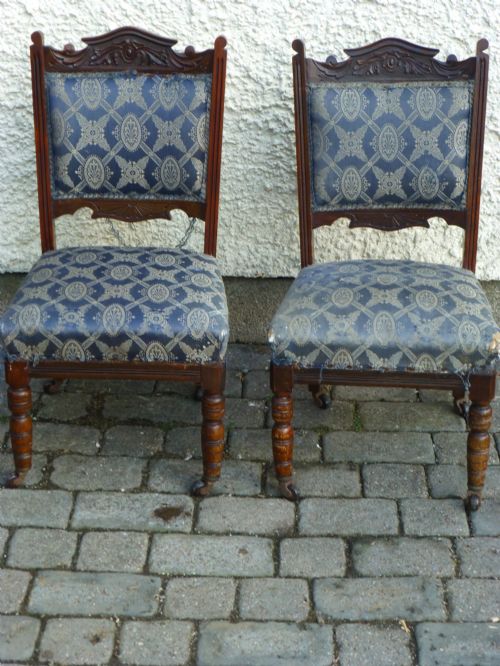
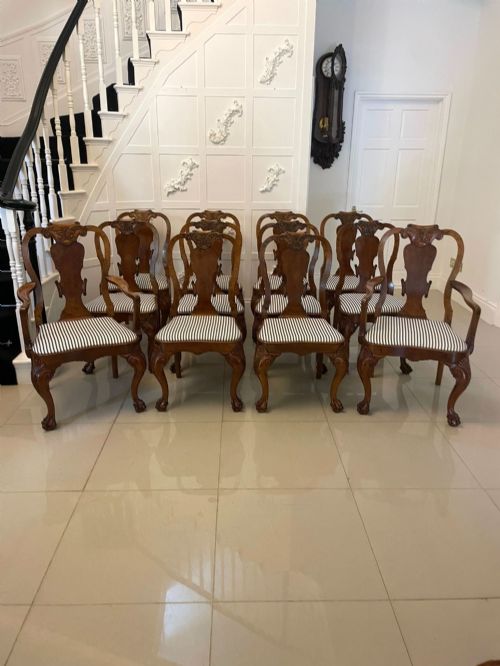
Dining chairs often survive in matched sets of various sizes, while armchairs, stools, and desk chairs tend to appear as single items or pairs. Each form reflects the domestic habits and interior fashions of its specific period.
Materials and Construction
The primary structural material across these listings is walnut, frequently utilised in both solid form and decorative figured or burr veneers. Timber frames provide the structural skeleton for forms ranging from early baroque armchairs to art deco club seats.
Upholstery materials play a vital role in the finish of these seats, incorporating leather, velvet, fabric, textile, and tapestry coverings. Brass hardware occasionally appears on mechanical desk chairs and adjustable piano stools for functional movement.
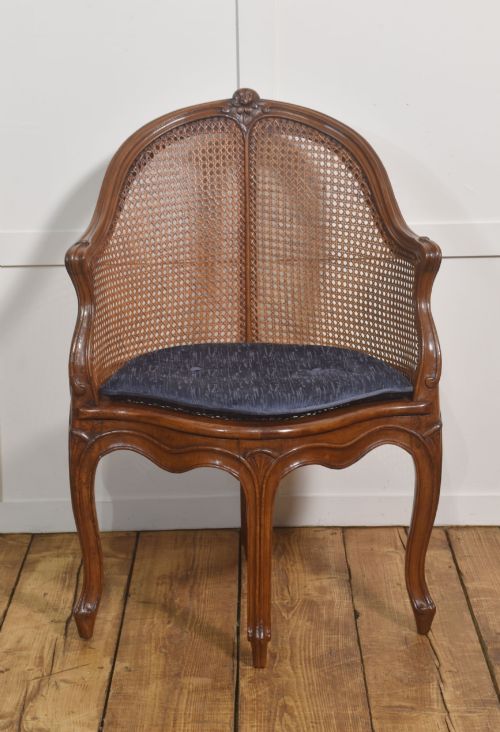
Carving and gilding techniques distinguish ornamental frames, particularly on Italian baroque pieces and Victorian dining sets. Caning is also employed on specific French style tub chairs to create lighter open back panels.
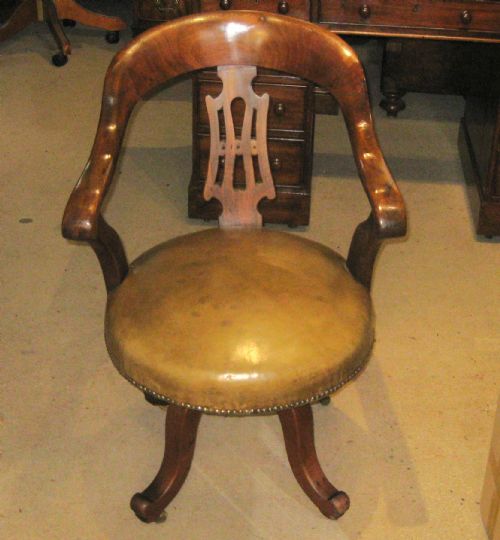
Several Victorian desk chairs allow you to spin around in style while pondering your correspondence.
Distinguishing Quality
Quality in these walnut frames rests upon the crispness of the carving, the selection of figured timber grain, and the integrity of the original construction. Superior examples display deeply articulated detail and substantial timber weight without excessive modern rebuilding.
The sophistication of the silhouette defines the upper tier of the range, whether expressed through elegant cabriole legs, disciplined Queen Anne proportions, or complex parcel-gilt ornament. Secondary timbers and joinery methods inside the frame reveal the underlying standard of workshop execution.
Harry and Lou Epstein
The Brown Walnut Seating Glossary
- Cabriole leg
- A furniture leg that curves outward at the knee and tapers inward at the ankle, ending in a pad or claw foot. This form draws inspiration from animal limbs and defines much eighteenth-century design.
- Burr walnut
- A timber veneer sliced from abnormal growths on walnut trees, yielding highly swirling and mottled grain patterns. Cabinet makers prized this figured surface for prominent chair backs and tabletops.
- Bergere
- An enclosed upholstered armchair with wooden framing exposed around the sides and back. These seats originated in France and often feature cane panels.
- Drop in seat
- A removable upholstered frame that fits into a recess within a chair rail. This construction method allows for straightforward re-covering without dismantling the primary timber structure.
- Parquetry
- Geometric mosaic woodwork formed by small pieces of timber veneer arranged in patterns. It decorates the surfaces of distinct nineteenth-century imported frames.
Brown Walnut Seating: Frequently Asked Questions
How do I identify a Queen Anne walnut chair?
Queen Anne walnut chairs typically feature spooned backs, solid vase-shaped splats, and cabriole legs terminating in pad feet. The timber exhibits a warm brown tone with distinct grain patterns characteristic of early eighteenth-century English cabinet making.
Later nineteenth and twentieth-century revivals copy these exact silhouettes. Examining the interior joinery and timber oxidation helps separate original period production from subsequent copies.
What is a revolving desk chair?
A revolving desk chair is a swivel seat designed for study or office work, allowing the user to turn freely. Victorian examples in walnut often incorporate adjustable height mechanisms and leather upholstery for sustained comfort.
These pieces combine functional nineteenth-century mechanical innovation with domestic woodworking styles. They function well at traditional writing tables or modern workspaces.
How should I care for antique walnut upholstery?
Care for upholstered walnut seats involves regular dusting of the timber frame with a dry cloth and gentle vacuuming of fabric surfaces. Avoid placing antique wood in direct sunlight or near heat sources to prevent timber splitting and veneer lifting.
Leather and fabric coverings require specialised cleaning products suited to their specific textile type. Professional conservation ensures the structural integrity of the frame remains undisturbed.
Are walnut dining chairs sturdy enough for daily use?
Walnut dining chairs possess strong structural timbers capable of supporting regular daily seating when properly maintained. Sets from the nineteenth century are generally robust, though older eighteenth-century examples benefit from careful handling.
Checking the joints underneath ensures the frame stays tight over years of use. Periodic checks by a specialist keep the glue blocks and dowels secure.