
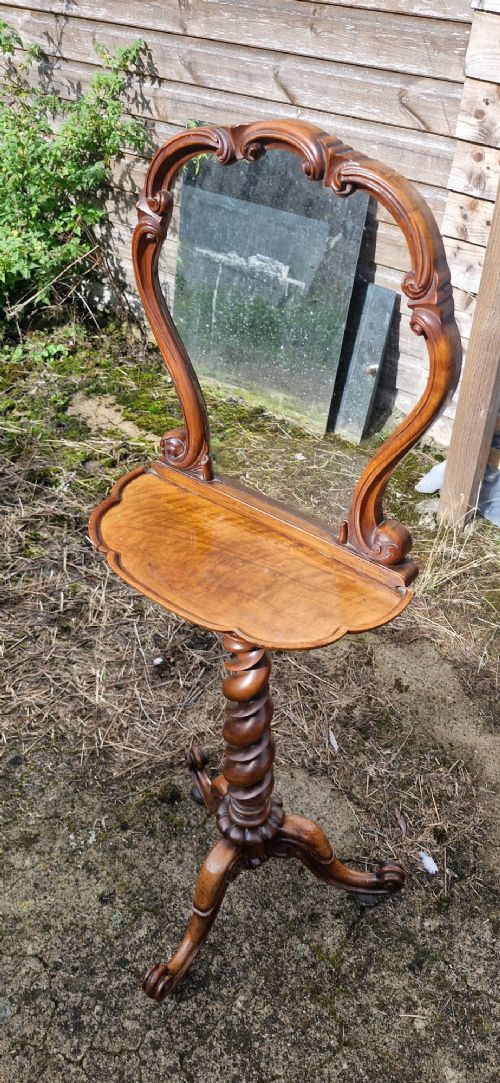
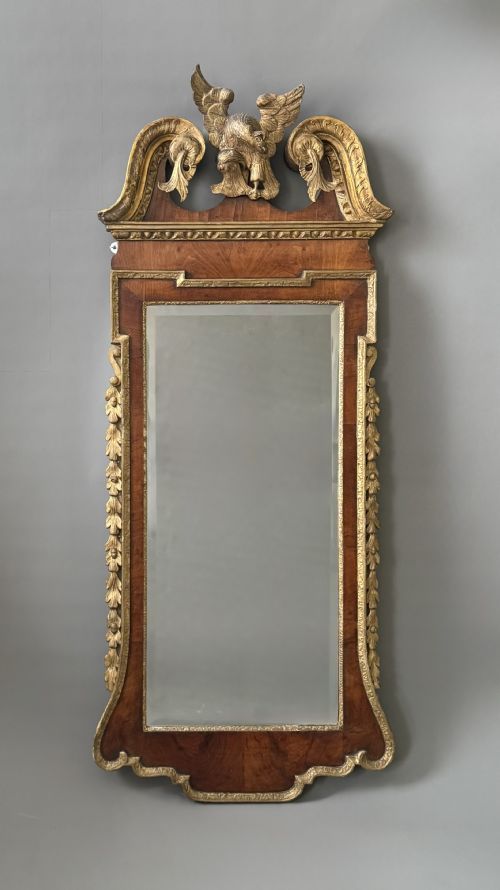
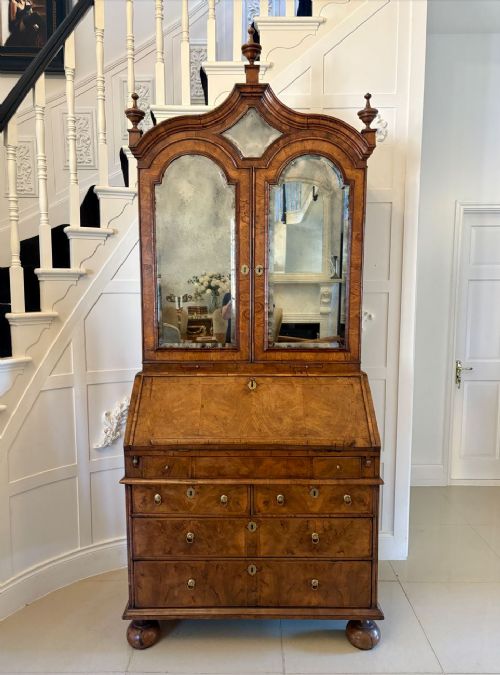
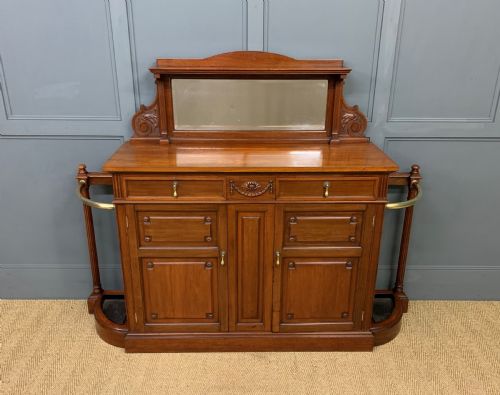
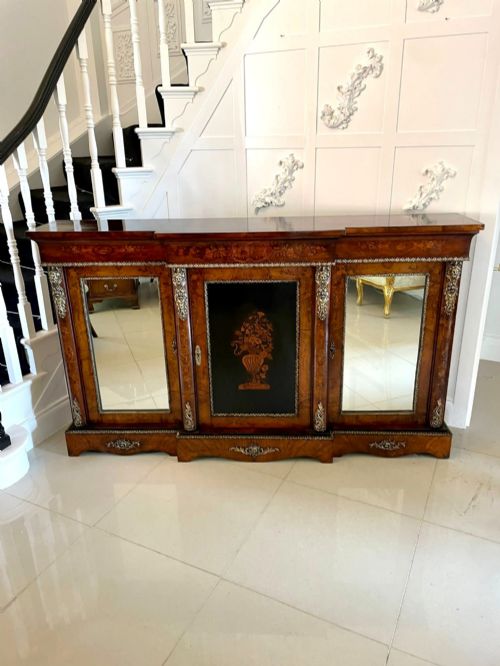
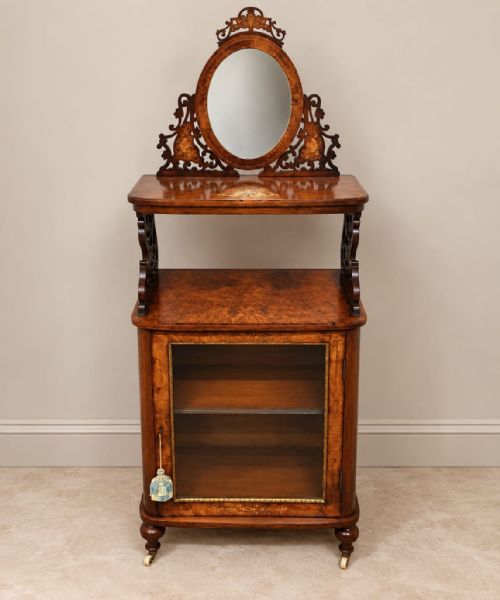
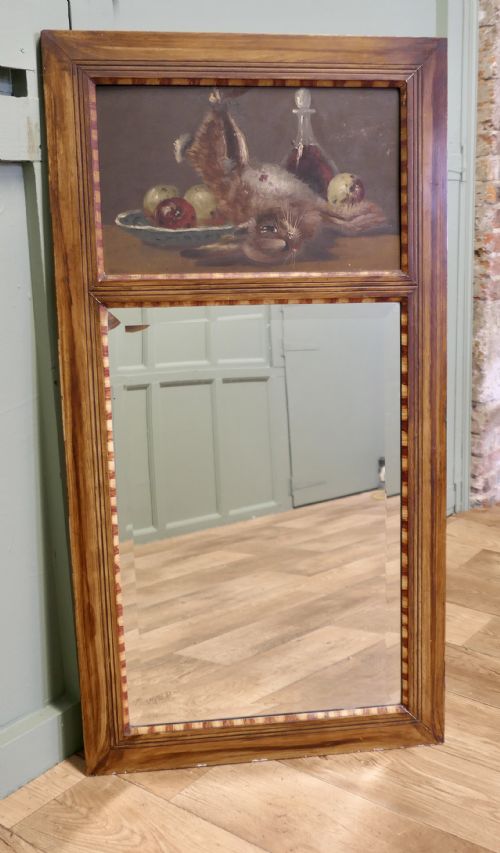
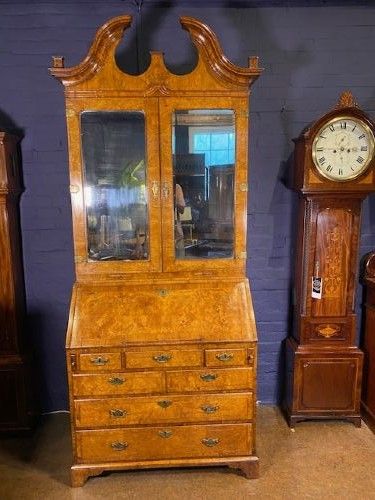
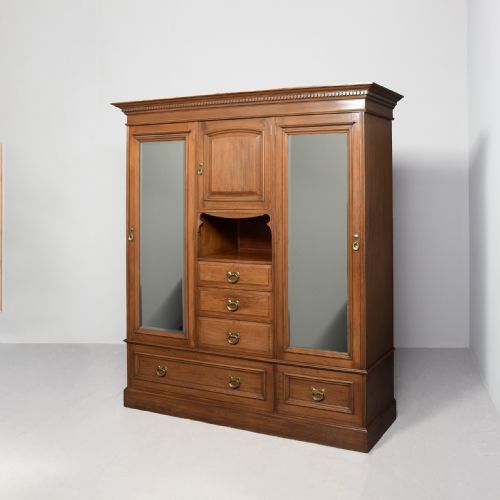
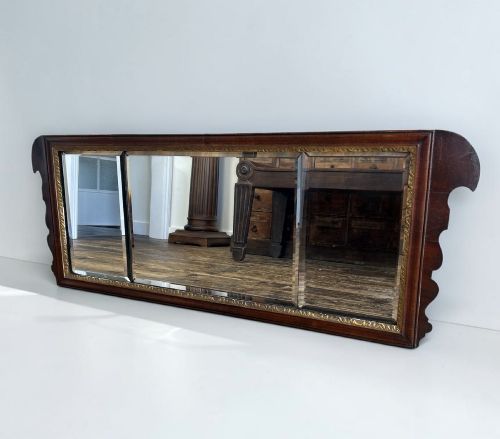
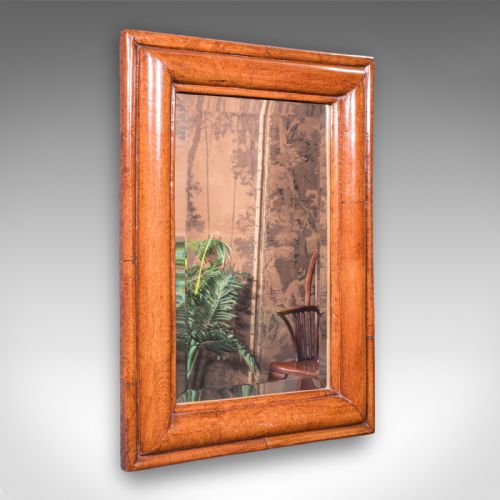
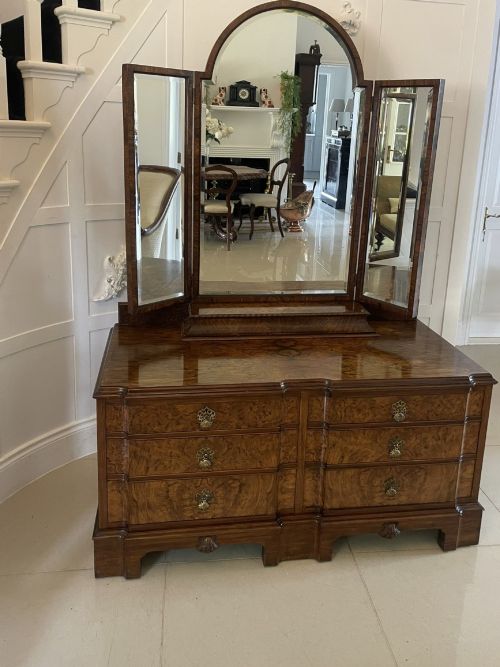
Brown Walnut Mirror
A brown walnut mirror brings warmth and deep grain pattern to an interior, offering a rich historic focal point for any room.
Understanding brown walnut mirror pieces
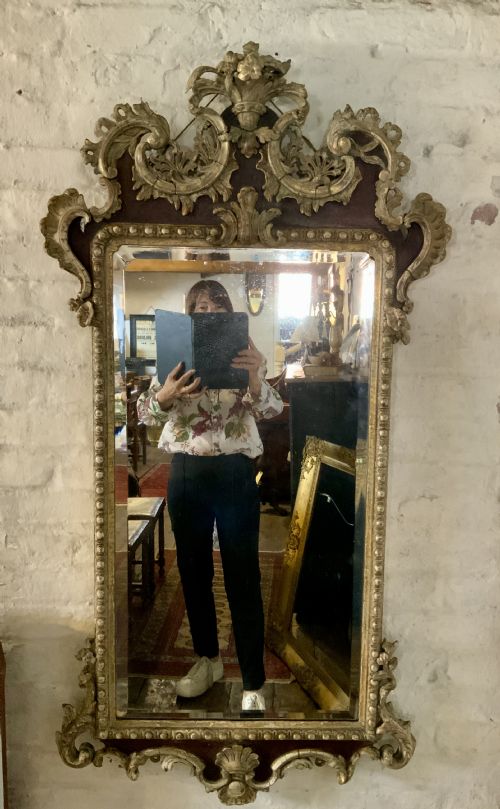
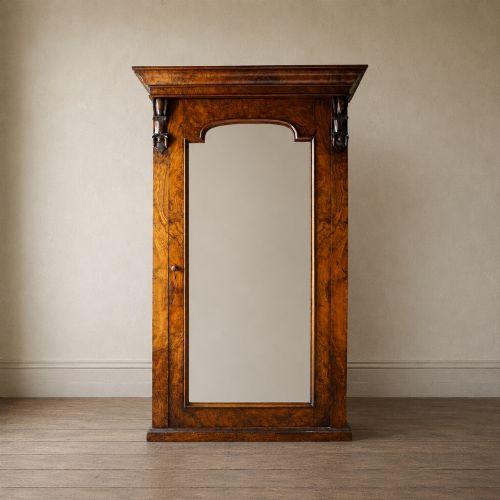
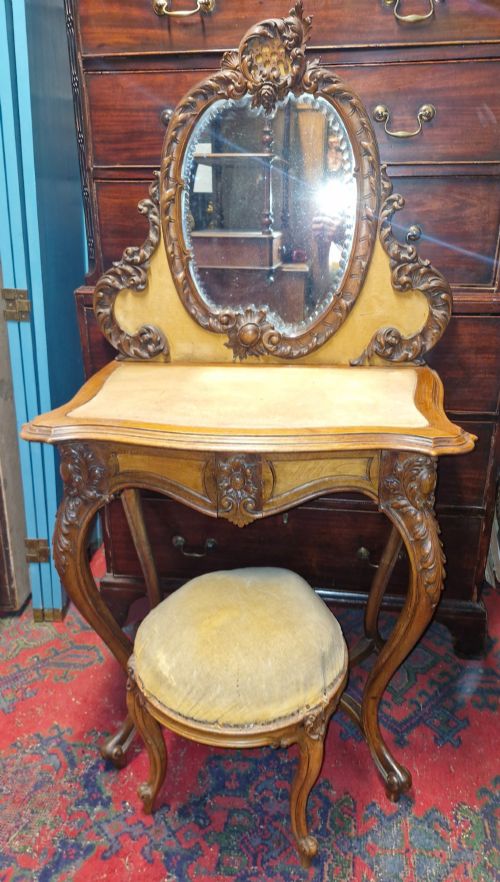
When you search for a brown walnut mirror, you encounter wall mirrors spanning several historic periods and revival styles. The selection includes Georgian originals alongside later interpretations from the nineteenth and early twentieth centuries.
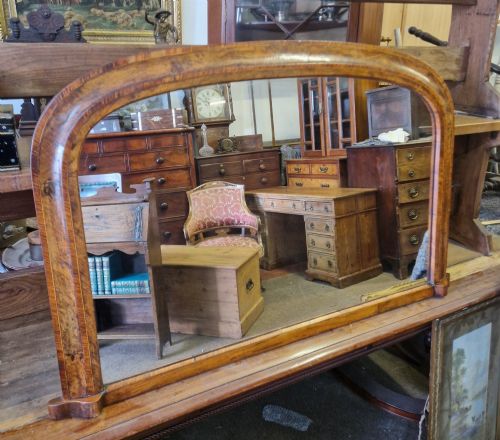
Forms range from hanging wall mirrors and pier glass mirrors to small overmantel mirrors. These pieces demonstrate how walnut remained a favoured timber for domestic looking glasses across multiple eras.
Materials and construction methods
The primary material visible across the pieces is walnut, complemented by glass, giltwood, and gilded wood accents. Timber selection focused on rich grain figures, often shaped into traditional wall mirror frames.
Construction techniques span cabinetmaking traditions from the eighteenth century through to revival craftsmanship of the Victorian and Edwardian periods.
Retail Price Guide 2026
Typical UK retail prices for brown walnut mirror, calculated from the Sellingantiques database of over a million retail prices indexed since 2003. This retail price guide relies exclusively on Sellingantiques data; no external sources or auction records are used, so the figures do not describe the wider market.
The wall mirrors available span multiple design movements, including George II style and Grand Regency forms.
Markers of quality
Quality in these mirrors rests upon the depth of the walnut timber and the preservation of original components, such as early glass plates. Period examples show refined proportions and joinery that distinguish them from later revival pieces.
The handling of gilded details and the clarity of the timber grain separate standard decorative items from finer examples of walnut cabinetwork.
The Brown Walnut Mirror Glossary
- Walnut
- A dense, hard timber prized for its rich brown colour and complex grain patterns. It was widely utilised in fine cabinetmaking during the Georgian era.
- Pier glass
- A tall mirror designed specifically to hang on the wall space between windows. These pieces often reflected light back into darkly panelled rooms.
- Giltwood
- Wood that has been coated with gold leaf or a gold-coloured finish. It frequently highlights architectural details on walnut frames.
- Overmantel mirror
- A wide mirror designed to be positioned directly above a fireplace mantelpiece. They anchor the domestic interior scheme.
Frequently Asked Questions
How do I hang a heavy walnut mirror?
Heavy wall mirrors require secure fixings anchored directly into masonry or structural studs. Professional mirror hangers utilise heavy-duty brackets rated for the weight of timber and glass.
Ensuring the wall mount distributes the load evenly prevents stress on the antique frame and protects the glass plate.
Are these mirrors suitable for bathrooms?
Historic timber and original mirror glass respond poorly to high humidity and direct water exposure. Steam and moisture can damage antique walnut and cause the silvering behind the glass to degrade.
Dry interior rooms such as hallways, living spaces, and bedrooms provide a safer environment for antique looking glasses.
How do I clean an antique glass plate?
Cleaning antique glass requires a gentle touch and mild cleaning solutions applied to a cloth rather than directly to the mirror. This prevents moisture from seeping behind the frame and damaging the backing.
Avoid harsh chemical sprays that can etch old glass or discolour the surrounding walnut timber and giltwood details.
How do I date a walnut mirror?
Dating relies on examining construction methods, timber characteristics, and the bevelling or flatness of the glass plate. Georgian pieces show distinct joinery methods compared to nineteenth-century and revival examples.
Comparing the secondary woods and framing style helps place the piece within its correct historical period.