

Brown Walnut Cabinet Desk
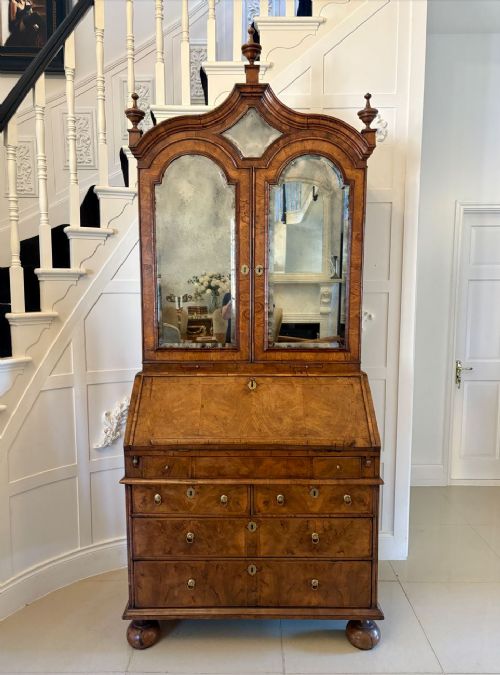
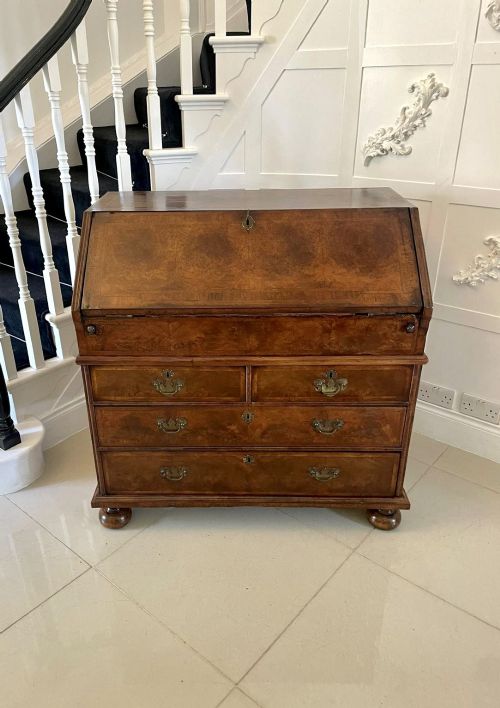
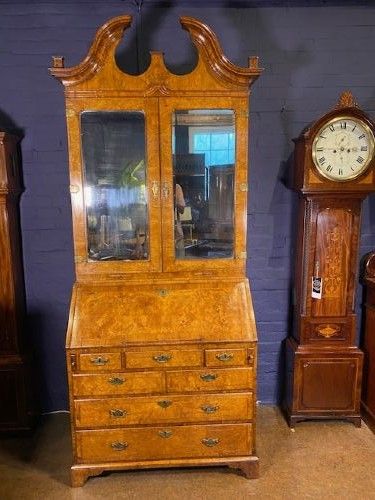
These brown walnut cabinet desk pieces combine fitted writing compartments with enclosed storage, offering practical workspace and period character.
Brown Walnut Cabinet Desk
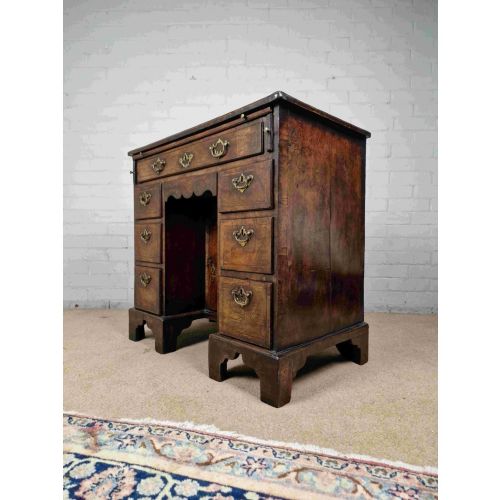
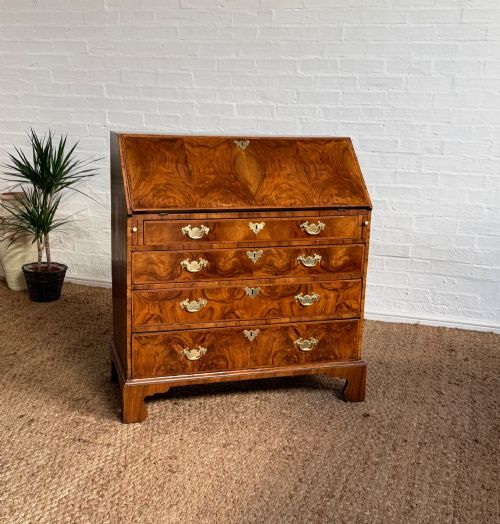
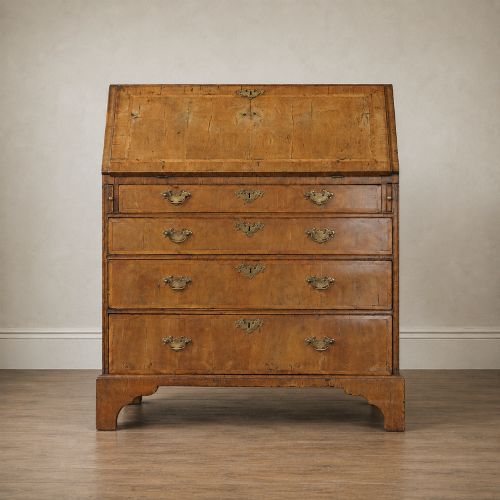
When you search for a brown walnut cabinet desk, you are looking at writing furniture designed with enclosed shelving, fall fronts or upper bookcase sections. These pieces span centuries of cabinet making, originating in domestic and formal settings where secure correspondence storage mattered.
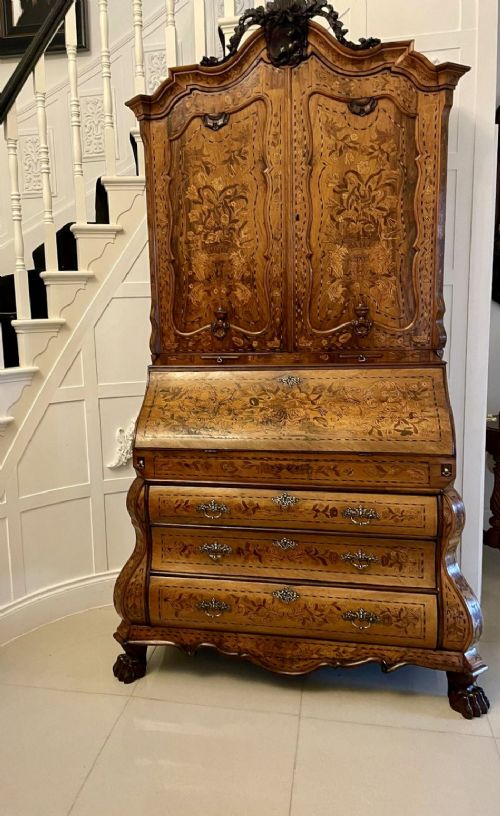
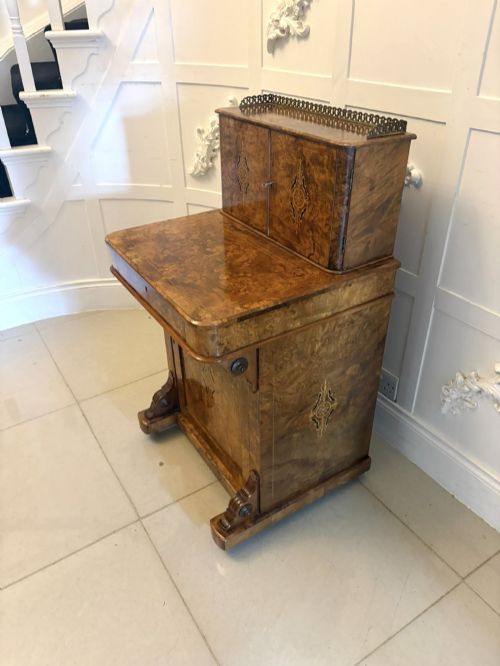
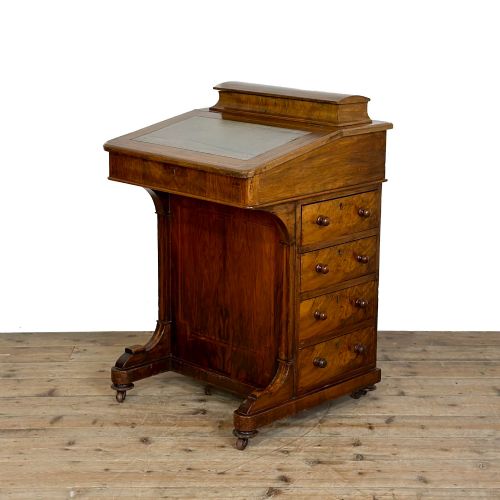
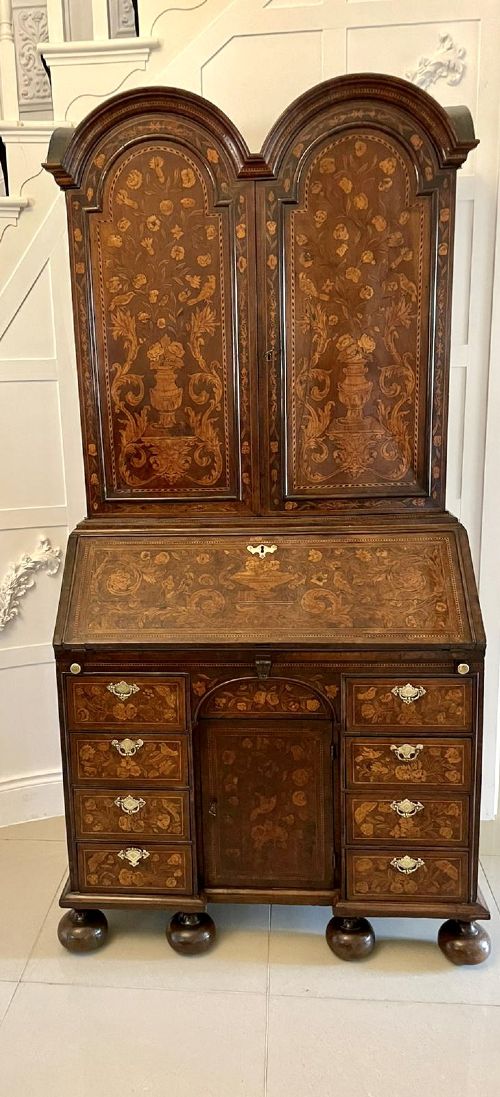
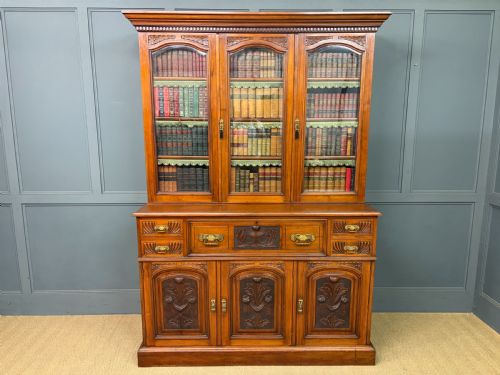
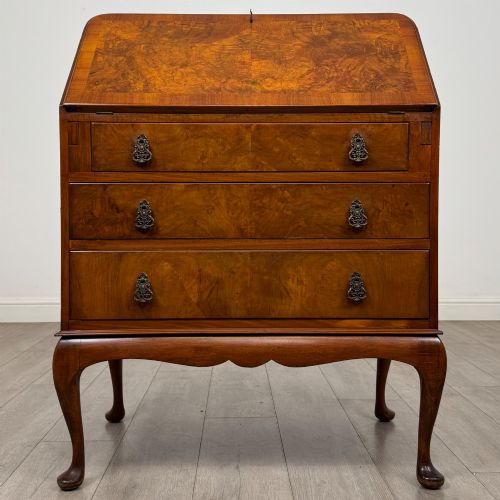
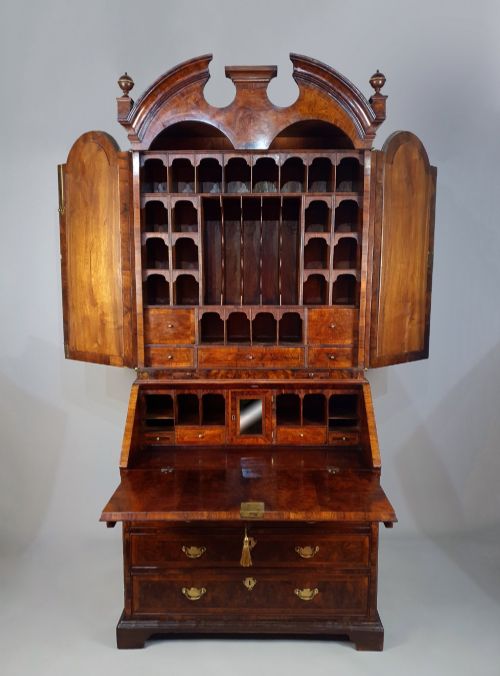
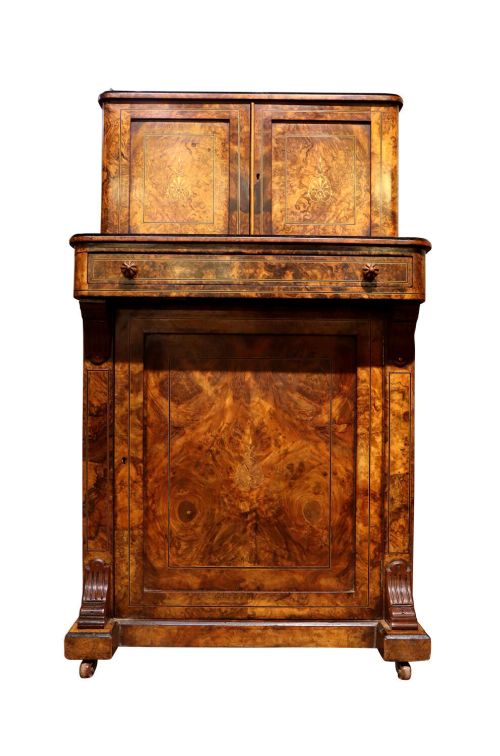
The most common versions on this page range from early Georgian and Queen Anne bureau bookcases to Victorian Davenport desks and Edwardian writing cabinets. They combine lower writing surfaces with compartmentalised interiors, often concealed behind sloping falls or vertical doors.
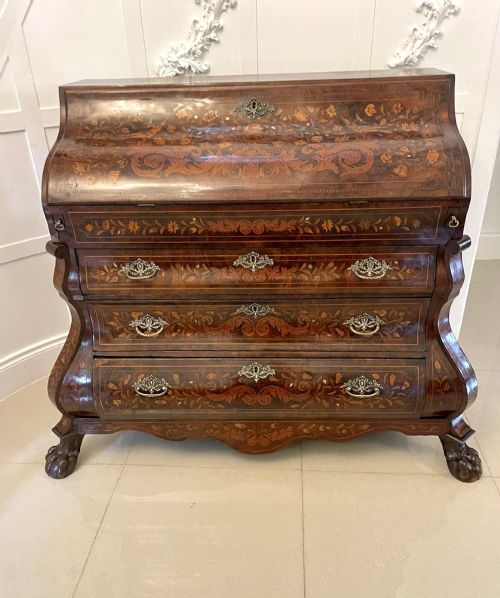
Makers utilised various forms, including tall escritoires, bureau bookcases with double-dome tops, and compact compact cylinder desks. Each variation provides a distinct method of housing papers while displaying timber grain.
These items originate from diverse periods such as the seventeenth century, the Georgian era, and later Victorian and Edwardian revivals. Buyers encounter distinct regional characteristics, including English, Dutch, and Italian craftsmanship.
How they were made
Cabinet makers constructed carcasses using solid oak or pine timbers as a foundational structure, applying walnut veneers across exterior surfaces. They selected figured walnut, burr walnut, and oyster veneer to create decorative grain patterns on drawer fronts and fall flaps.
Advanced techniques included floral marquetry, herringbone inlay, and featherbanding to edge panels and drawer borders. Workshops integrated brass hardware, including escutcheons, hinges, and carrying handles, to secure and accent the cabinetry.
Writing surfaces frequently incorporated inset panels of red leather, whilst internal compartments utilised fruitwood for smaller drawers and pigeonholes. Joinery relied on traditional dovetailing for drawer construction and pegged mortise and tenon frames for larger carcasses.
Admiral's writing stations provide compact folding compartments for maritime correspondence.
What varies in quality
Quality rests primarily on the selection of the walnut timber and the precision of the veneer matching across the facade. Pieces featuring symmetrical burr walnut or intricate floral marquetry display a higher grade of craftsmanship than plain grain variations.
The interior arrangement dictates the distinction between standard production and superior examples. Finer pieces incorporate well-proportioned secret drawers, stepped pigeonholes, and sliding wells behind fitted writing compartments.
Originality of hardware and glass panels significantly influences standard. Cabinets retaining period brass drawer pulls, working locks, and original mirror plate or leaded glass in upper bookcases command greater regard.
F.H. Marshall & Co Glasgow
The Brown Walnut Cabinet Desk Glossary
- Burr walnut
- A figured timber harvested from walnut tree growths, producing swirling, intricate grain patterns prized for decorative veneer work. Cabinet makers used it on prominent exterior surfaces.
- Bureau bookcase
- A dual-purpose furniture form featuring a sloping writing desk base beneath an upper glazed or panelled shelving cabinet. These tall pieces dominate room elevations.
- Escritoire
- A tall writing cabinet equipped with a drop-front writing flap that conceals numerous internal compartments. This form emerged during the seventeenth century.
- Featherbanding
- A decorative banding technique using thin strips of veneer arranged in a herringbone or chevron pattern around drawer edges. It frames the central burr walnut panels.
- Fall front
- A hinged writing flap that pulls down to create a horizontal desk surface. It conceals pigeonholes and small drawers when closed.
- Oyster veneer
- Circular cross-sections sliced from small branches or roots, arranged to resemble oyster shells across a flat surface. This technique appears on seventeenth-century pieces.
Brown Walnut Cabinet Desk: Frequently Asked Questions
How do I identify a Queen Anne walnut desk?
Queen Anne walnut desks typically feature simple lines, book-matched veneer panels, and harmonious proportions. They date from the early eighteenth century and often display herringbone banding.
Unlike later Victorian revivals, these earlier pieces utilise native walnut timbers and traditional hand-cut dovetails. Interiors display small pigeonholes and sliding well covers characteristic of the period.
What is an escritoire?
An escritoire is a tall writing cabinet featuring a vertical fall-front flap that drops down to form a desk surface. It provides substantial enclosed storage above a chest base.
Originating in the seventeenth century, these cabinets hide complex internal compartments behind a single large locking door. They suited formal drawing rooms and studies.
How should I care for antique walnut furniture?
Protect antique walnut from direct sunlight and dramatic humidity changes to prevent veneer lifting and timber splitting. Maintain stable indoor temperatures in rooms housing these pieces.
Apply traditional wax polish sparingly to nourish the timber and preserve the historic patina. Avoid silicone-based modern sprays that damage antique finishes.