
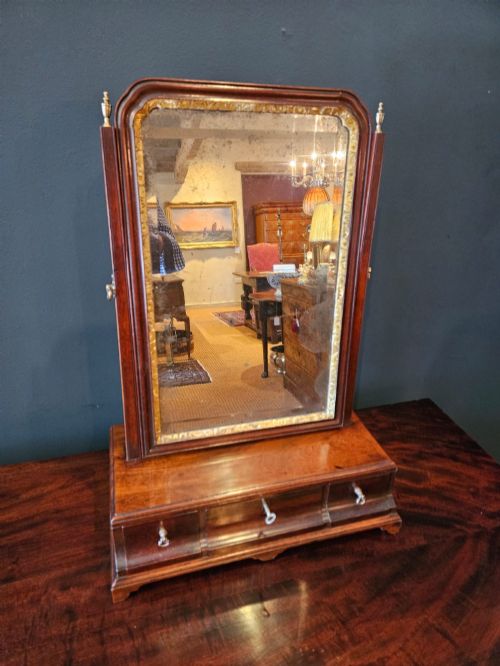
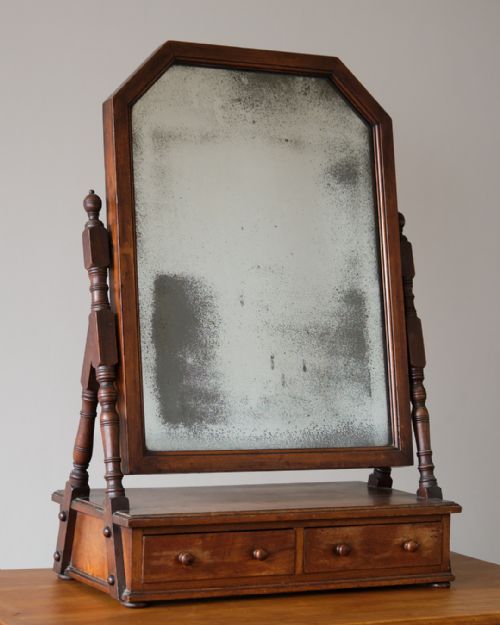
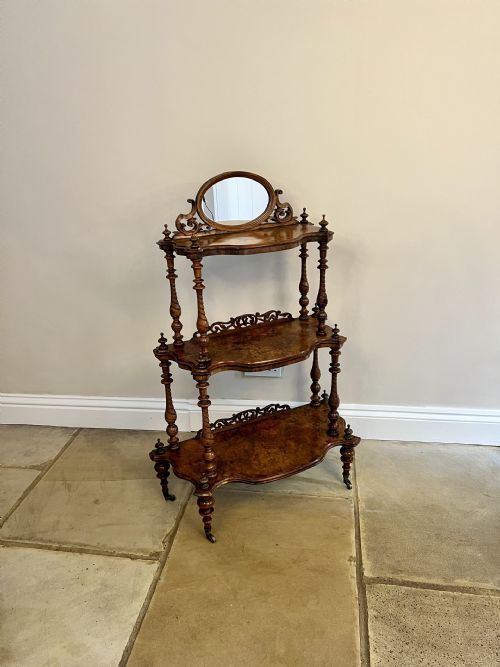
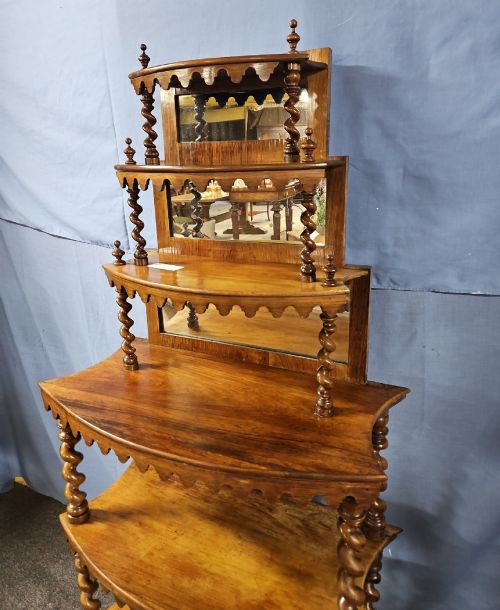
Brown Standing Mirror
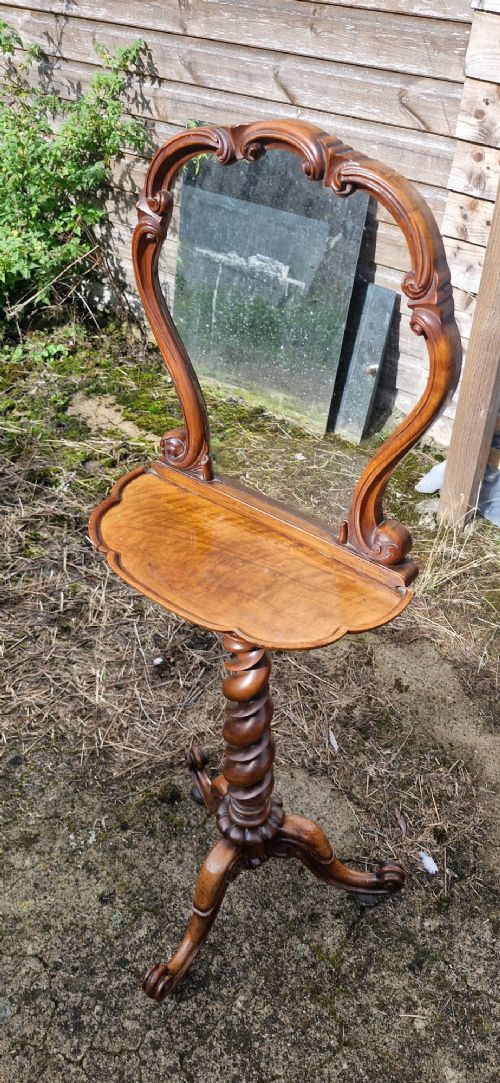
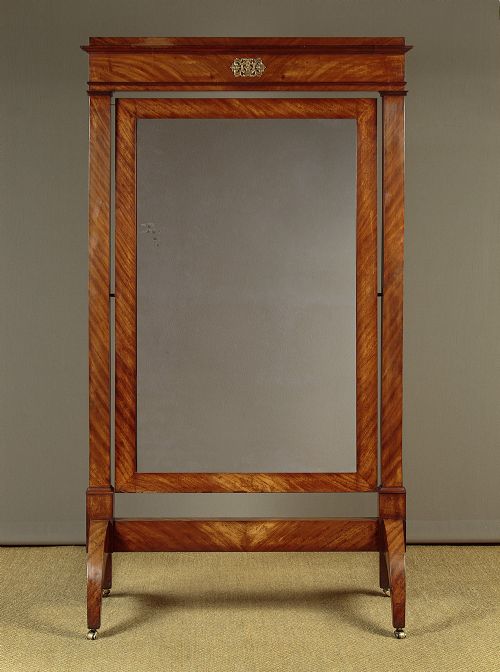
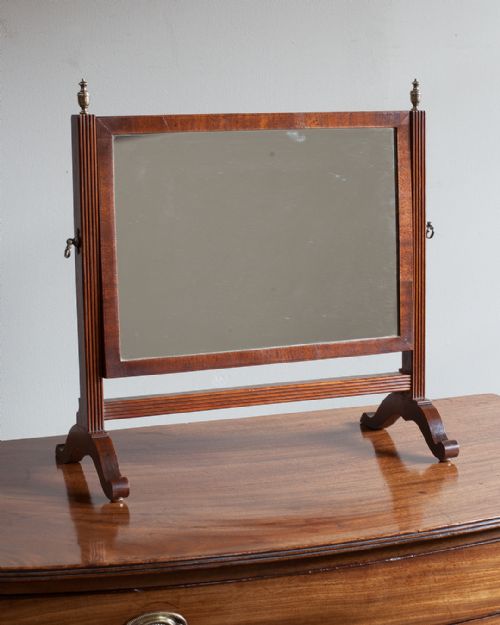
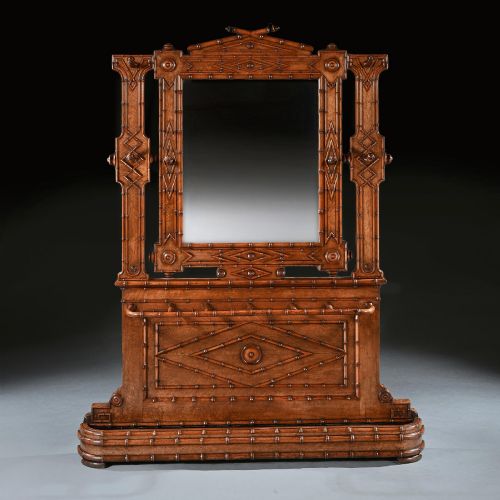
These brown standing mirror examples are handsome mahogany cheval glasses built to anchor a dressing room.
What they are
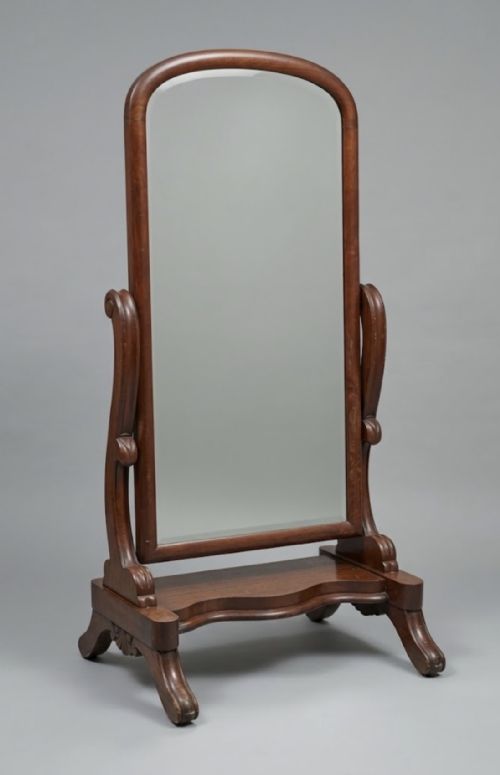
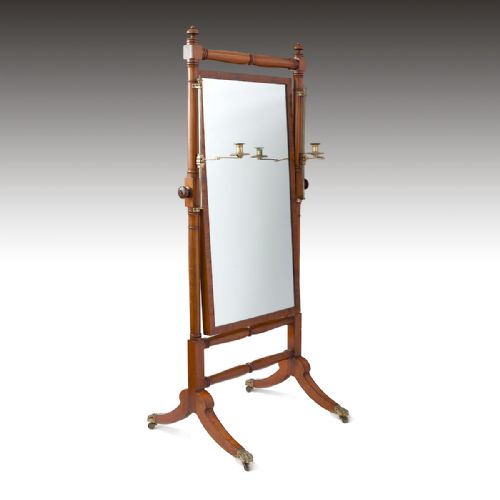
A brown standing mirror, more formally known as a cheval mirror, is a floor-standing dressing glass designed to swivel within a vertical frame. The pieces on this page span the Regency, 1860, and Edwardian periods, bringing substantial scale and timber warmth to an interior.
Mahogany is the dominant wood across these listings, occasionally enriched with satinwood inlay. The architectural forms range from clean Regency framing to carved Victorian proportions and inlaid Edwardian elegance.
Most examples function as dressing mirrors, standing upright on paired feet or trestle supports. The pivoting glass plate allows the user to adjust the angle from head to toe.
How they were made
Cabinet makers constructed these standing frames from solid and veneered mahogany, often selecting timber with rich grain patterns. Brass fittings, including pivot screws and candle sconces or wheel castors, provide both structural movement and decorative contrast.
The mirror glass itself is held securely within a secondary frame that swings between two sturdy upright pillars. Satinwood stringing and inlay appear on later Edwardian pieces to create subtle surface contrast.
Retail Price Guide 2026
Typical UK retail prices for brown standing mirror, calculated from the Sellingantiques database of over a million retail prices indexed since 2003. This retail price guide relies exclusively on Sellingantiques data; no external sources or auction records are used, so the figures do not describe the wider market.
Mahogany serves as the primary timber across all current standing mirror listings.
What varies in quality
Quality in a brown standing mirror rests on the depth of the mahogany grain and the proportion of the upright frame. Finer examples display crisper carved details, heavier brass mounts, and well-balanced swivel mechanisms that hold the glass steady at any angle.
The sophistication of the timber preparation distinguishes standard production from exceptional cabinet work. Richly figured mahogany veneers and precise inlay demonstrate the maker's hand.
Gillows
The Brown Standing Mirror Glossary
- Cheval mirror
- A large standing mirror that swings within a vertical frame. The term originates from the French word for horse, referring to the four-legged support trestle.
- Regency
- A British design period spanning the early nineteenth century. Furniture from this era is characterised by classical restraint, architectural lines, and dark mahogany.
- Edwardian
- A stylistic period covering the early twentieth century up to the First World War. Pieces often incorporate lighter satinwood inlay alongside traditional mahogany.
- Satinwood
- A durable, yellowish-glowing timber utilised for contrasting stringing and decorative inlay. It brightens darker mahogany surfaces.
Frequently Asked Questions
Where should I place a cheval mirror?
These tall standing mirrors suit a bedroom or dressing room where full-length reflection is practical. Placing them near a window helps bounce natural light deeper into the space.
Ensure the floor beneath is reasonably level so the heavy frame remains stable when the glass is pivoted.
How do I date a mahogany standing mirror?
Examine the framing style and timber characteristics to determine the period. Regency examples favour classical lines, while 1860 pieces show heavier Victorian proportions and Edwardian items often feature satinwood inlay.
Hardware such as brass pivot screws and castors also provides clues to the manufacturing decade.
Can the mirror angle be adjusted?
Yes, the glass frame hangs on two side pivots designed for tilting. Tightening or loosening the brass screws regulates the tension of the swivel movement.
A properly adjusted frame holds its position without slipping forward or backward.
What maintenance do these wooden frames need?
Dust the mahogany regularly with a soft cloth to protect the polished surface. Avoid harsh chemical polishes that can degrade the traditional finish over time.
Check the brass pivot fittings occasionally to ensure they remain secure within the upright pillars.