
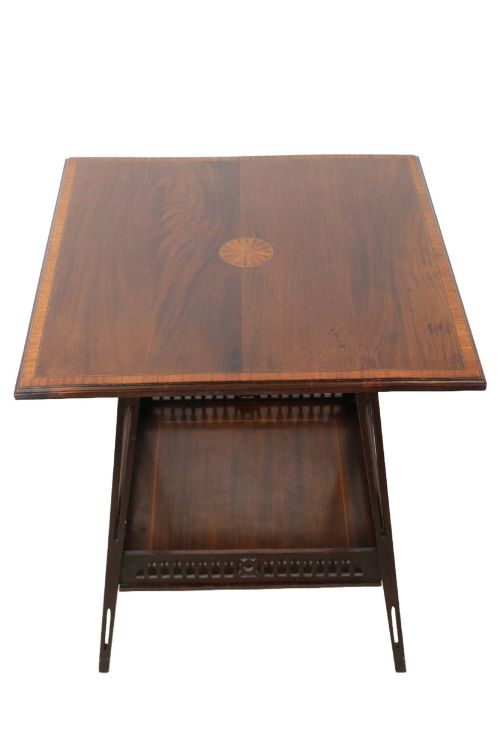
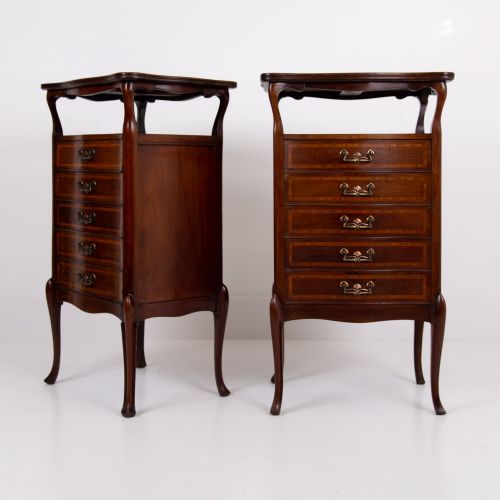
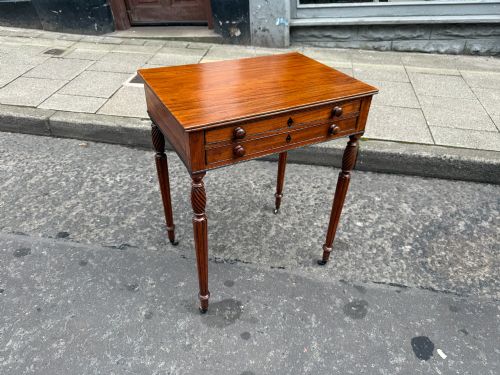
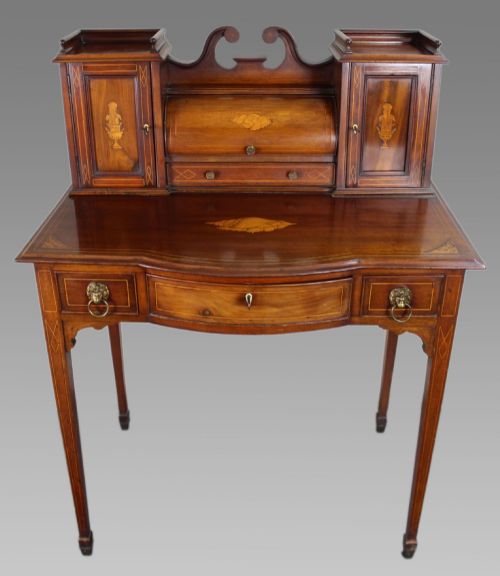
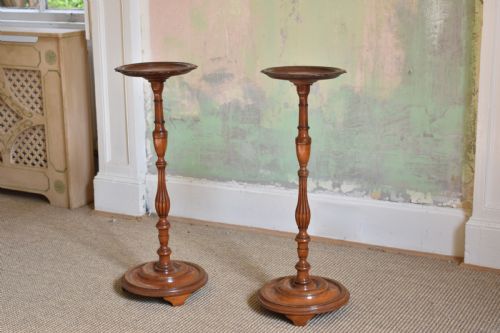
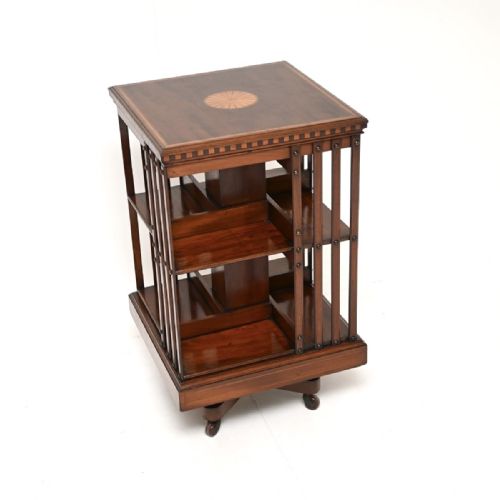
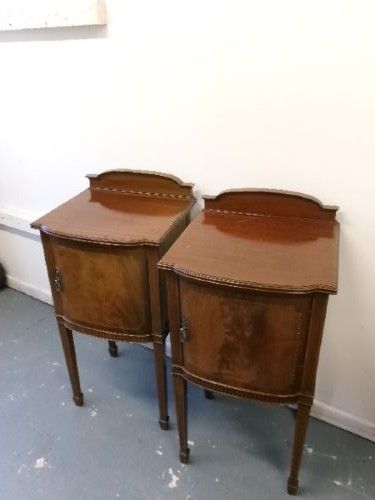
Brown Satinwood Table
A brown satinwood table brings figured timbers and delicate stringing into a room, offering a functional surface shaped by Georgian and Edwardian cabinet-makers.
Brown Satinwood Table
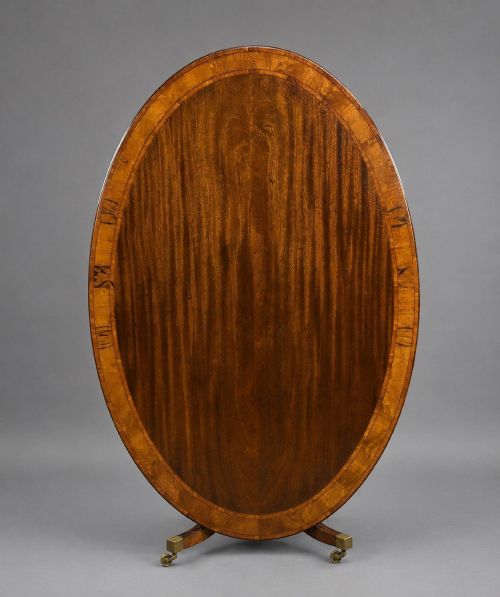
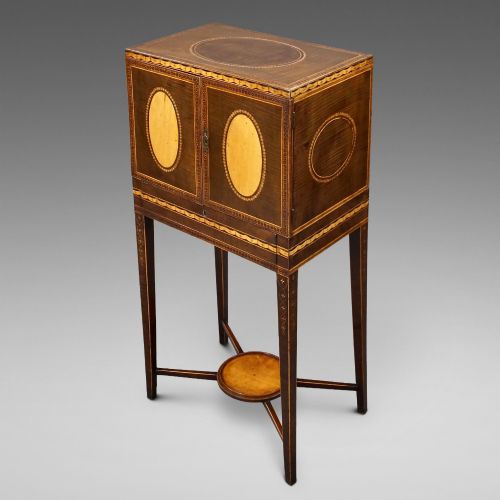
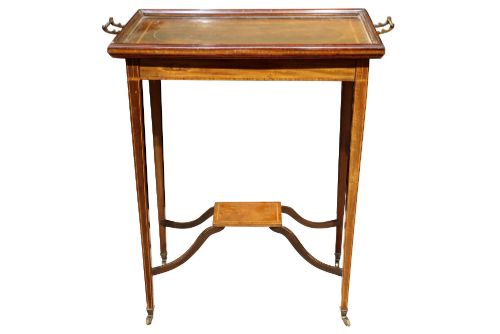
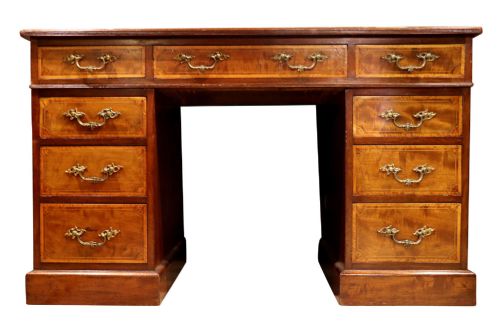
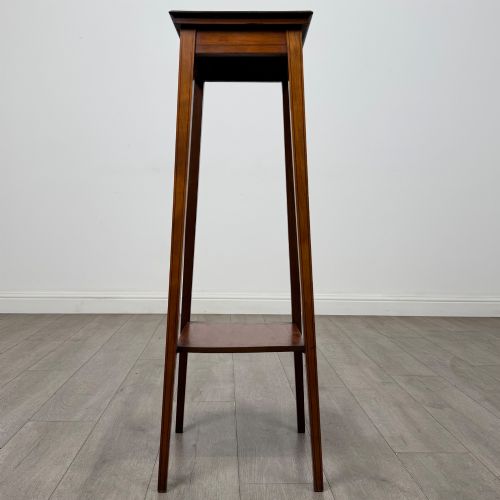
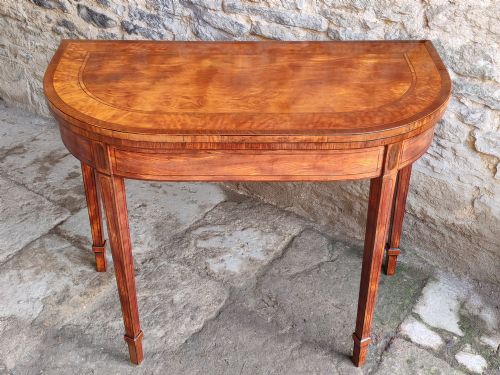
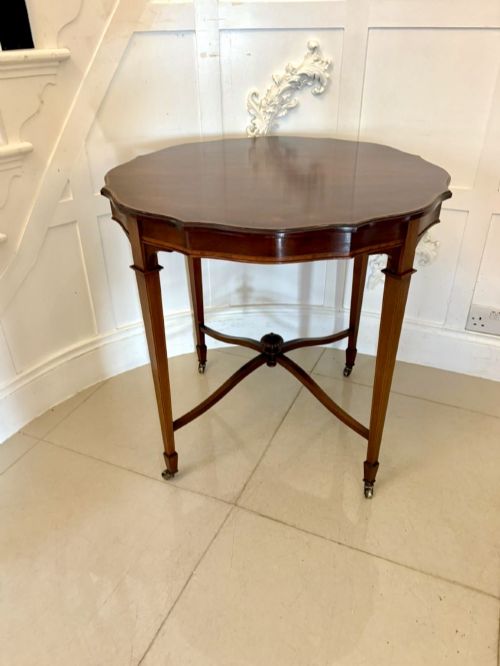
A brown satinwood table encompasses a range of domestic forms, from occasional and lamp tables to writing desks and folding tea tables. The selection relies heavily on Edwardian and nineteenth-century interpretations of earlier Georgian designs, particularly Sheraton Revival pieces.
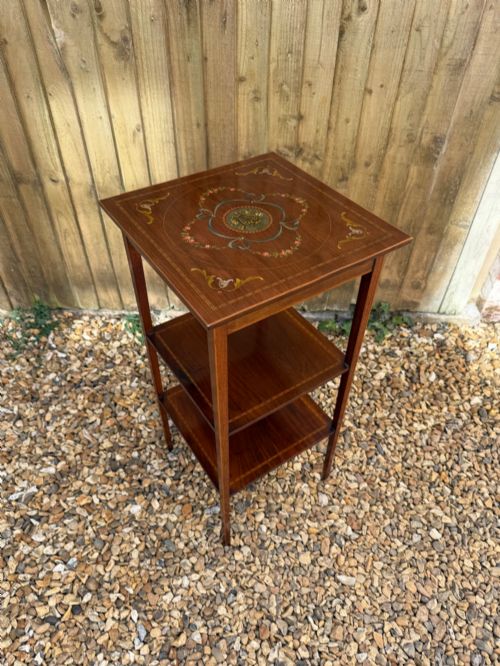
Buyers meet occasional tables, nests of tables, and side tables most frequently on this page. These pieces often combine satinwood with contrasting mahogany, boxwood, and painted details to create refined surfaces for the home.
How they were made
Cabinet-makers constructed these items using solid timbers and fine veneers applied to secondary woods such as mahogany. Satinwood provided the primary figured ground, while boxwood and darker woods formed delicate inlaid stringing and marquetry motifs.
Workshops utilised crossbanding and framing techniques to stabilise the timber and accentuate the natural lustre of the grain. Brass fittings, leather inserts, and hand-applied paint completed the construction of desks and tables.
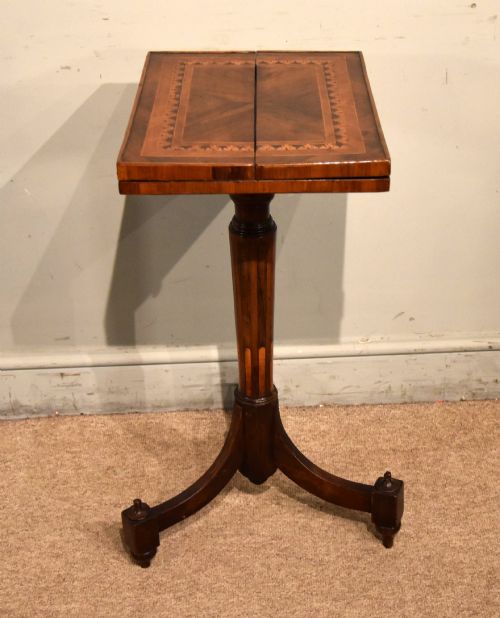
Patience tables allowed solitary Victorians to play card games in style, often featuring clever folding mechanisms and inlaid satinwood surfaces.
What varies in quality
Quality rests in the crispness of the inlay and the selection of the satinwood veneer. Finer examples display symmetrical grain patterns and precise contrasting stringing that remains flush with the surrounding timber.
The sophistication of the secondary woods and the retention of original brass handles or leather writing surfaces separate standard production from exceptional cabinet-work.
Trevor Page & Co·Edwards & Roberts·Waring & Gillows·Peters of Genoa·Maison Giroux
The Brown Satinwood Table Glossary
- Satinwood
- A dense, highly figured tropical timber known for its golden sheen and smooth texture. It serves as the primary decorative veneer on many tables and desks.
- Crossbanding
- A border of veneer laid around the edge of a table top with the grain running perpendicular to the centre. This technique frames the primary wood and protects the edges.
- Marquetry
- The art of creating decorative patterns on furniture using thin pieces of wood veneer and other materials. Craftsmen assemble these pictorial designs before gluing them to the carcase.
- Stringing
- Thin lines of contrasting wood inlaid into channels cut into the surface of a piece. It outlines panels, drawers, and table tops to add linear definition.
- Sheraton Revival
- A late nineteenth and early twentieth-century style inspired by the furniture designs of George Sheraton. These pieces appropriate neoclassical forms, painted decoration, and satinwood veneers.
Brown Satinwood Table: Frequently Asked Questions
What is a brown satinwood table?
A brown satinwood table is a piece of furniture finished with veneers of the golden satinwood timber, often accented with mahogany or boxwood inlay. These items include writing desks, tea tables, and occasional stands.
They reflect historical cabinet-making traditions, particularly the Georgian and Edwardian periods when figured exotic woods gained popularity in domestic interiors.
How do I care for satinwood furniture?
Maintain satinwood surfaces by keeping them away from direct sunlight and excessive heat, which can dry out the timber and fade the golden colour. Dust gently with a dry cloth and apply occasional high-grade wax.
Avoid using modern liquid polishes or silicone sprays, as these can build up a residue and dull the natural chatoyancy of the wood grain.
Are these tables from the eighteenth century?
While some examples date back to the eighteenth century and the Georgian period, many items found here stem from later revivals. The Edwardian era and the late nineteenth century produced a large volume of satinwood furniture.
Makers of those later decades drew heavily on Sheraton designs, employing similar marquetry and crossbanding techniques to emulate earlier pieces.
How do I distinguish Edwardian from Georgian pieces?
Georgian tables generally exhibit the structural integrity and tool marks characteristic of eighteenth-century workshop production, utilising native secondary woods. Edwardian revivals often feature machine-sawn veneers and specific retailer labels or stamps.
Examining the construction methods beneath the top and inside the drawer linings helps clarify the true period of manufacture.