
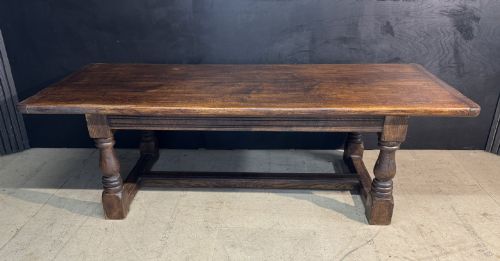
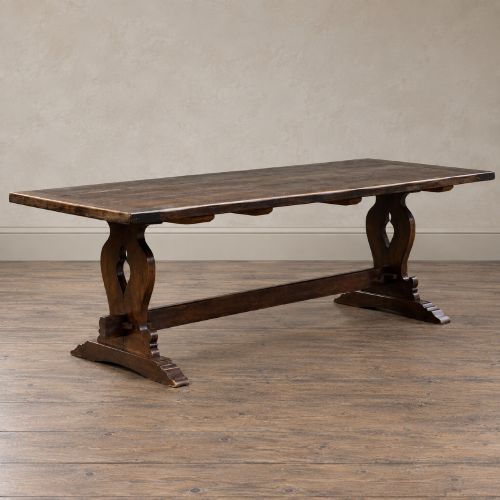
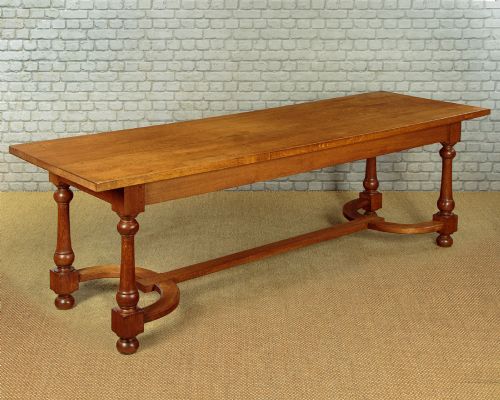
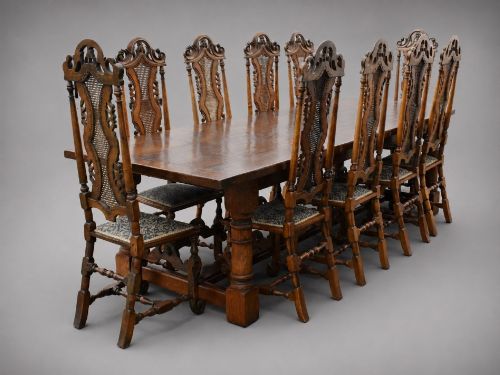
Brown Refectory Table
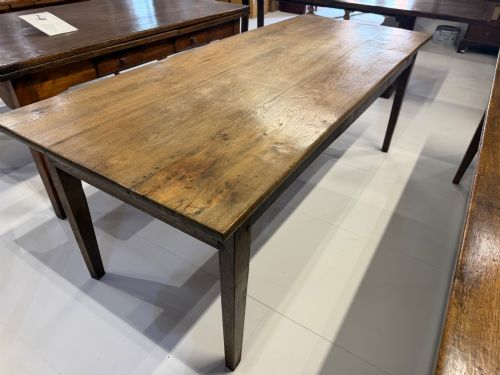
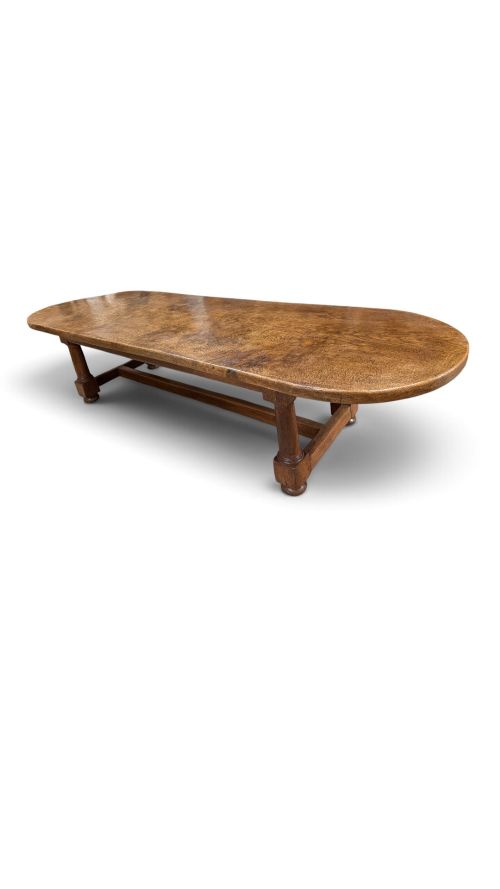
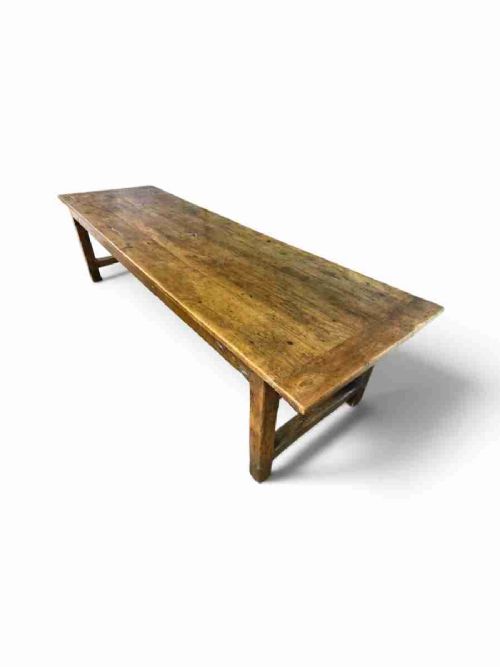
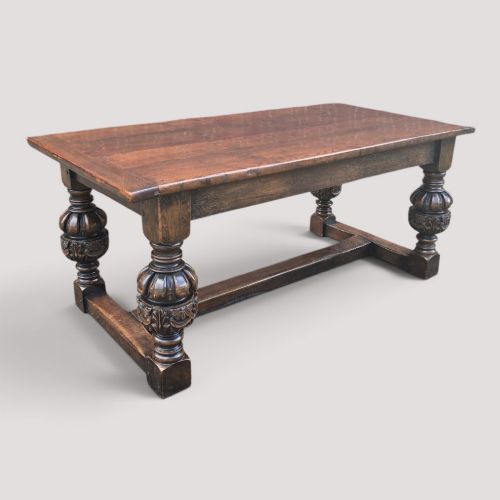
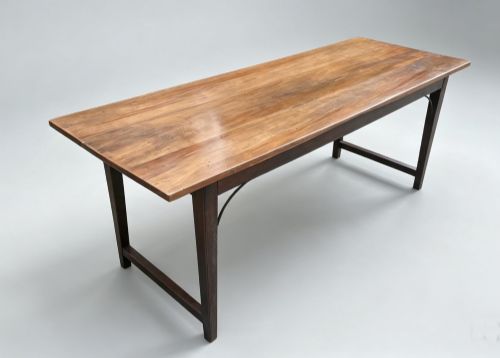
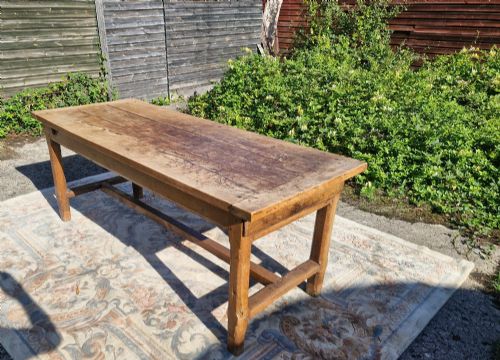
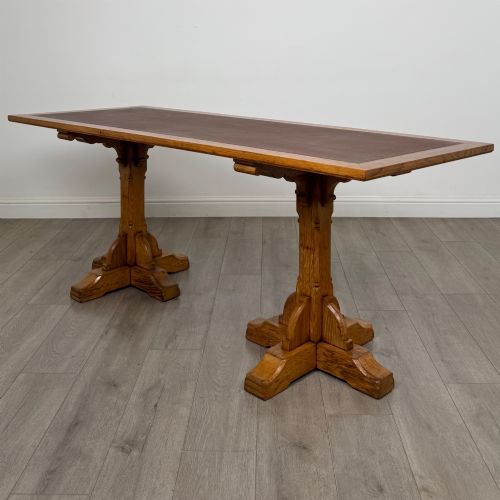
A brown refectory table grounds a dining room with centuries of timber character.
Brown Refectory Table
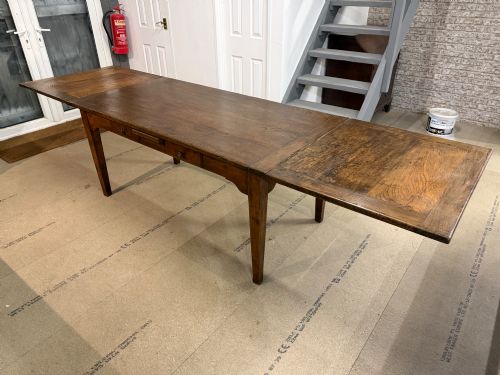
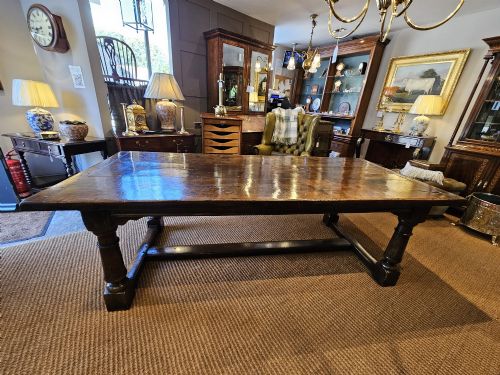
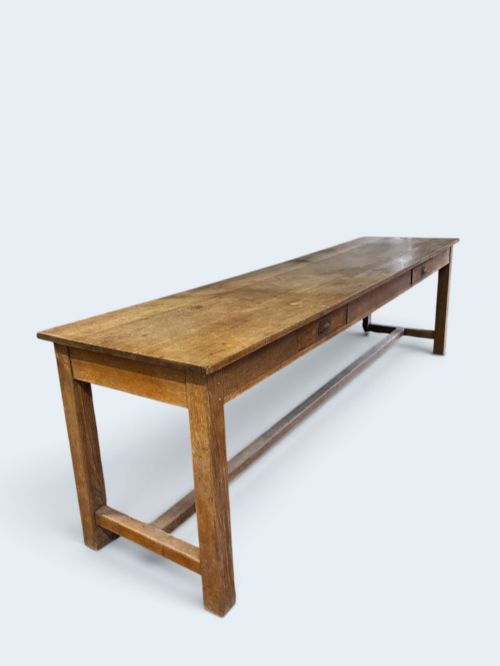
When you search for a brown refectory table, you encounter substantial dining pieces designed for communal gatherings, primarily spanning the seventeenth century through the early twentieth century. These tables emerge in forms such as long dining tables, draw-leaf extending variants, and tavern tables, reflecting centuries of domestic utility.
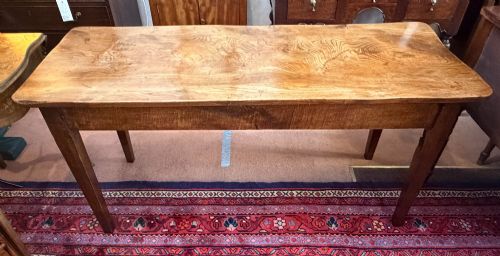
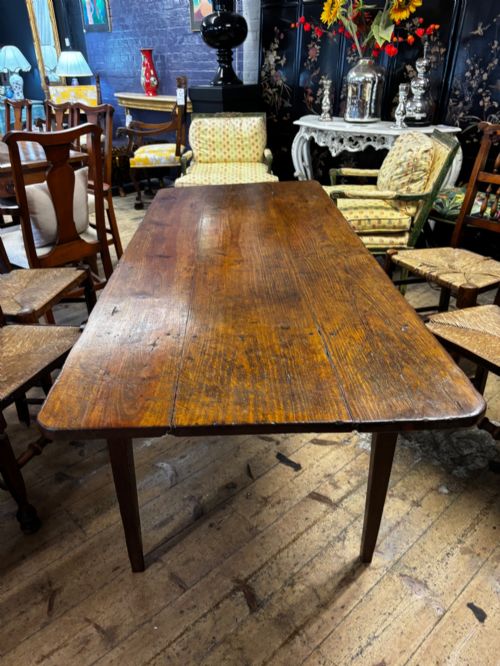
The pieces appearing on this page lean heavily towards heavy oak construction, supplemented by fruitwood, cherrywood, and walnut examples. Stylistically, they draw upon rustic farmhouse traditions, Jacobean revivals, and French provincial designs, offering deep, warm wood tones built to anchor large rooms.
How they were made
The construction relies predominantly on solid oak, fruitwood, and cherrywood timbers, frequently joined by hand and pegged to withstand heavy daily use. Master joiners utilised thick single planks or modular draw-leaf mechanisms to allow tables to extend for larger feasts.
Secondary materials such as iron, wrought iron, and beech appear in braces, stretchers, and structural supports, adding stability to the substantial wooden frames. Surfaces were finished to highlight the natural grain of the timber rather than masking the material underneath.
The furniture styles recorded range from Jacobean and Tudor revivals to French provincial and Arts and Crafts designs.
What varies in quality
The distinction between ordinary and exceptional pieces lies in the integrity of the timber selection, such as the use of single-plank oak versus joined boards. Superior examples retain original surface patination and historical joinery techniques rather than later restorations.
Proportion and scale dictate the hierarchy of these tables, where balanced leg placements, stretcher configurations, and restrained carving denote higher workshop standards. Pieces showing consistent ageing across the entire wooden structure command greater appreciation from collectors.
The Brown Refectory Table Glossary
- Refectory table
- A long, narrow dining table traditionally used in monasteries and large halls for communal meals. They typically feature strong underframe stretchers for stability.
- Draw-leaf table
- An extending table equipped with two hidden leaves tucked beneath the main top that pull out from each end. This mechanism lengthens the surface without removing the central runner.
- Draw-leaf
- The sliding leaf component built into extendable dining tables. It operates smoothly on internal runners to provide extra seating space on demand.
- Stretcher
- A horizontal support beam connecting the legs of a table to prevent lateral movement. In older dining tables, these often sit low to the floor as footrests.
- Tavern table
- A compact, sturdy wooden table historically used in public houses and smaller domestic spaces. They often incorporate utilitarian drawers or simple turned legs.
Brown Refectory Table: Frequently Asked Questions
What is a refectory table?
A refectory table is a long, narrow wooden dining table traditionally designed for communal dining in large halls.
These pieces feature sturdy legs connected by low stretchers to provide maximum stability during daily gatherings.
How do draw-leaf tables work?
Draw-leaf tables contain two concealed leaves stored directly beneath the main surface.
Pulling these leaves outward causes the main top to rise slightly and lock flat into an extended dining position.
Are these tables made of solid wood?
The listings consist primarily of solid oak, fruitwood, cherrywood, and walnut construction.
Joiners utilised these dense hardwoods to ensure the structural longevity required for heavy household use.
How do I style a large oak table?
Pairing these tables with high-back chairs or benches allows them to anchor large dining rooms or open kitchens.
Their rich wood tones complement both rustic farmhouse settings and traditional interior schemes.