
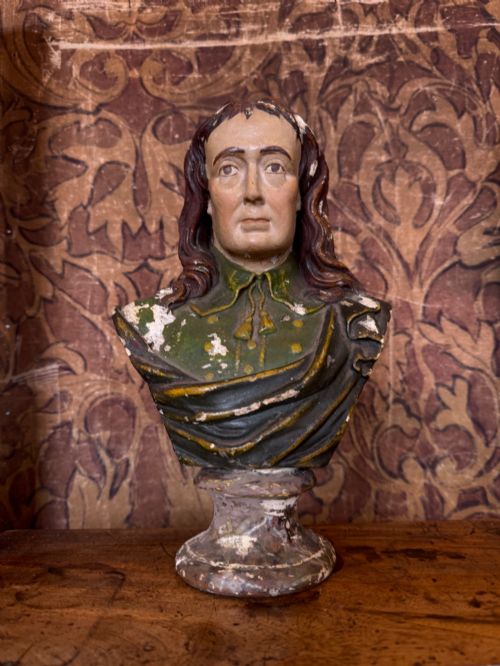

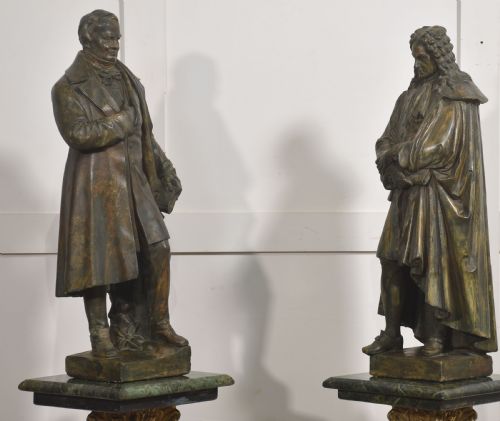

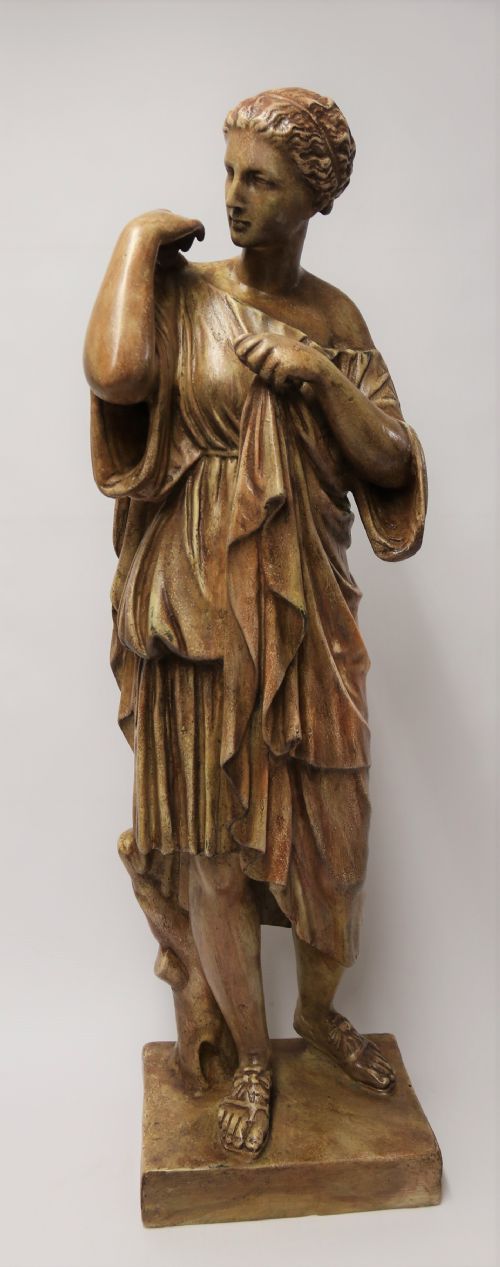


Brown Plaster Sculpture
These brown plaster sculpture works bring substantial classical presence and rich historic character into a room without the weight or cost of metal.
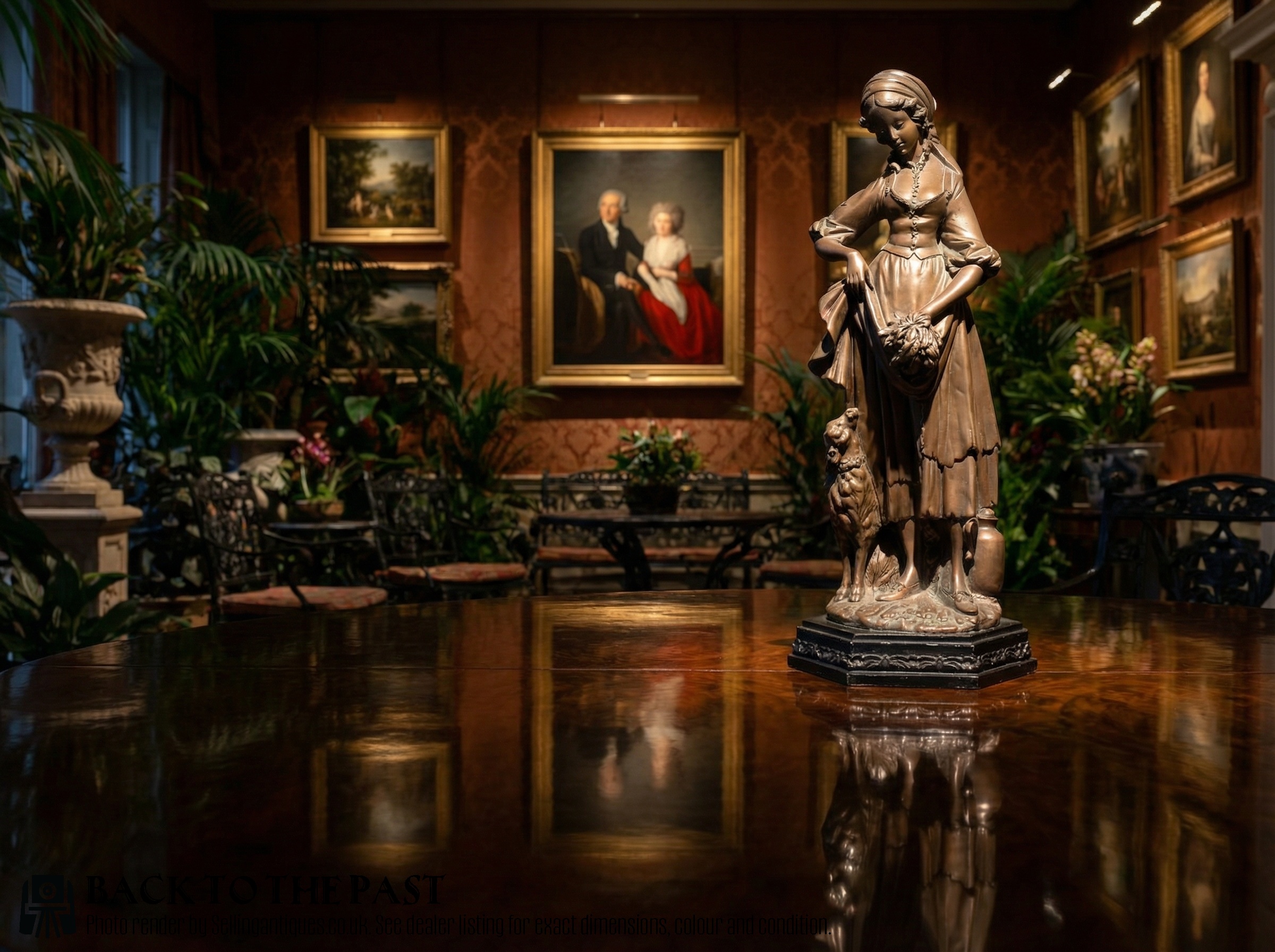
Brown Plaster Sculpture
When someone searches for brown plaster sculpture, they are looking for figurative and portrait works cast in gypsum and finished to resemble bronze, terracotta, or aged stone. The examples seen on this page span the Victorian and Edwardian eras through to the nineteen thirties, covering diverse subjects from classical deities to orientalist figures.
The version most commonly met here is the nineteenth century patinated piece, often taking the form of a portrait bust or a mythological figure such as Diana or the Dancing Faun. These objects range from Grand Tour souvenirs to substantial decorative statues produced in European workshops.
The selection also includes wall plaques and figural stands created in styles stretching from neoclassical and academic realism to early twentieth century expressionism and art deco. Each piece demonstrates how makers utilised straightforward materials to achieve sophisticated visual effects.
Materials and methods
These works are formed primarily from plaster or chalkware poured into moulds, sometimes incorporating wood or other structural elements to support larger figures. Once set, the surfaces received finishes including paint, pigment, gold leaf, and specialised patination to create the appearance of bronze or aged metal.
Listings feature works from the nineteenth century, Victorian era, and nineteen thirties, utilising plaster, chalkware, terracotta, and bronze patina.
Assessing quality
The sophistication of the patination or pigment application also dictates the visual success of the piece. Masterful handling of bronzed finishes or polychrome details creates convincing depth and catches the light properly, elevating a simple cast into a striking focal point.
Dopmeier·Octave Galliard-Sansonetti
The Brown Plaster Sculpture Glossary
- Plaster
- A building material based on calcium sulphate hemihydrate, mixed with water and poured into moulds to set hard. It provides a versatile medium for detailed sculptural casting.
- Chalkware
- A type of moulded gypsum product similar to plaster, frequently painted and popular for decorative figures during the nineteenth and early twentieth centuries.
- Patination
- The surface appearance or coloration developed on an object over time or applied artificially to simulate age and bronze metalwork. It adds visual texture and depth.
- Grand Tour
- A traditional trip of Europe undertaken by upper class European young men of means, resulting in the acquisition of classical art and souvenir sculptures.
- Polychromed
- Decorated or executed in several colours. This technique brings realism and visual warmth to figurative casts and architectural ornaments.
Brown Plaster Sculpture: Frequently Asked Questions
Are these brown plaster sculpture pieces solid?
Most of these sculptures are cast with hollow interiors or built around supportive armatures to reduce weight while maintaining structural integrity. Solid plaster casts would be excessively heavy and prone to cracking during the drying process.
Larger statues often utilise wooden supports or heavier base structures to ensure stability when displayed on furniture or mantels.
How do I clean a plaster sculpture?
Dusting should be performed gently with a soft, dry brush or a clean microfibre cloth. Avoid using water or liquid cleaners, as moisture can penetrate porous plaster and damage the paint or patination.
If stubborn grime is present, consult a professional conservator rather than attempting chemical cleaning at home, to preserve the original surface finish.
Where were these brown plaster figures made?
The pieces originate from various European centres, including British, French, Austrian, and Italian workshops. Many reflect the academic training of the nineteenth century or cater to the demand for classical art souvenirs.
Maker marks, workshop stamps, or inscribed signatures occasionally appear on the reverse or base, helping to identify the specific origin.
How should I display a plaster bust?
Plaster sculptures benefit from stable indoor environments away from direct sunlight, dampness, and significant temperature fluctuations. Placing them on sturdy tables, pedestals, or dedicated brackets ensures they remain secure.
Because the material is susceptible to impact damage, position them where they will not be brushed against or knocked by passing foot traffic.