

Austrian Bronzed Sculpture
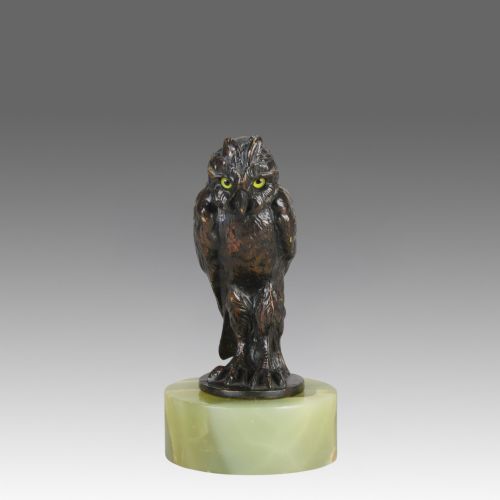
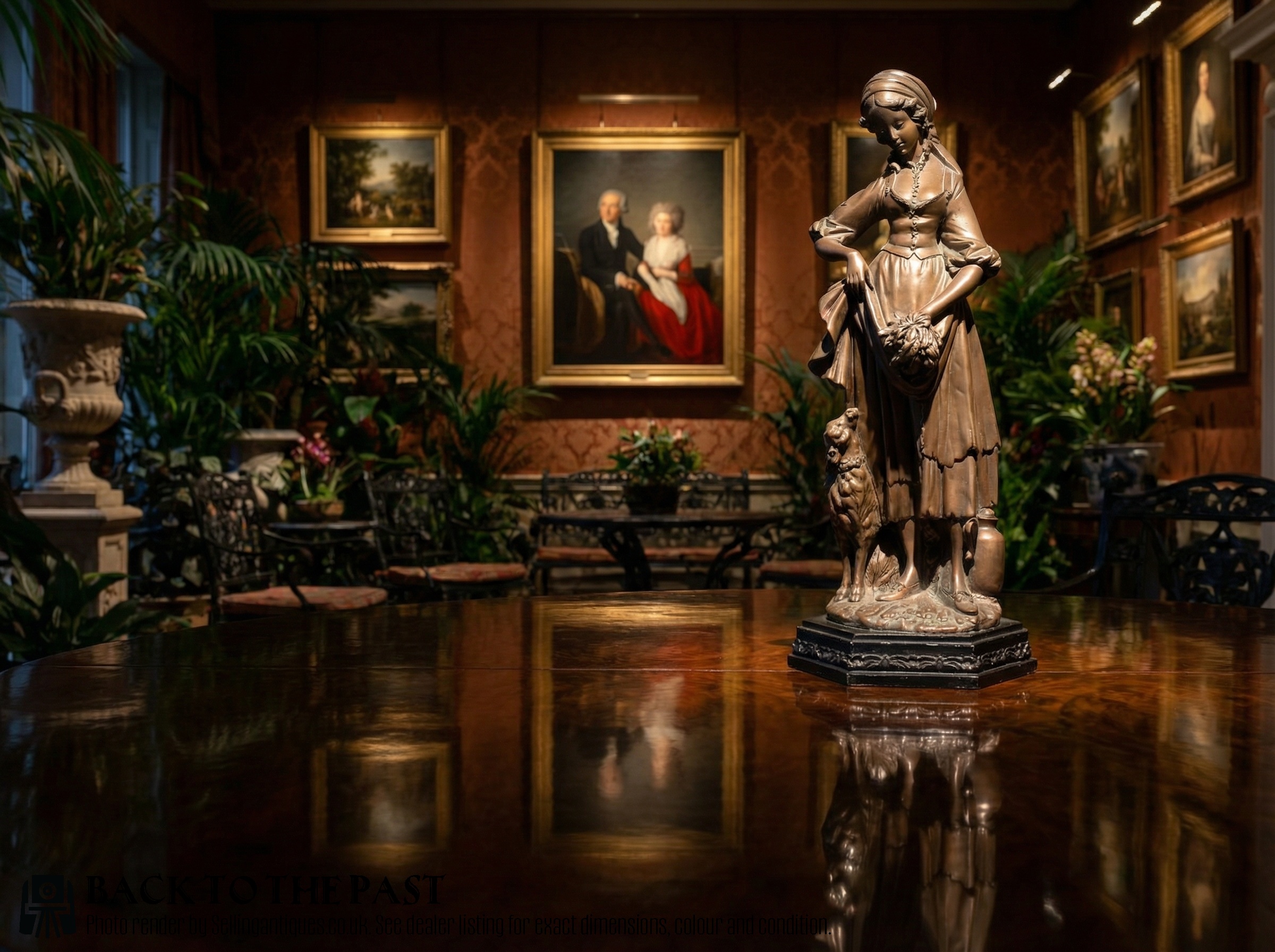
An austrian bronzed sculpture brings a dynamic blend of metallic patination and European foundry work into an interior.
Austrian Bronzed Sculpture
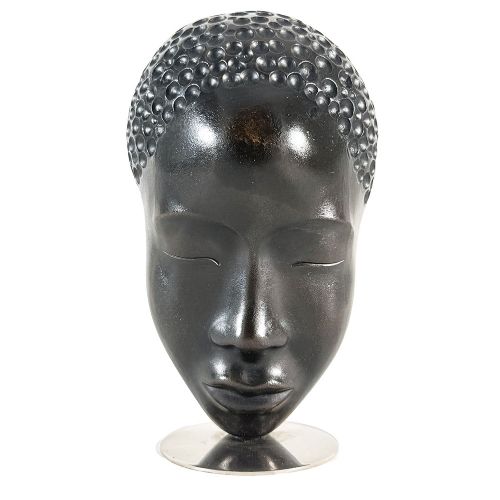
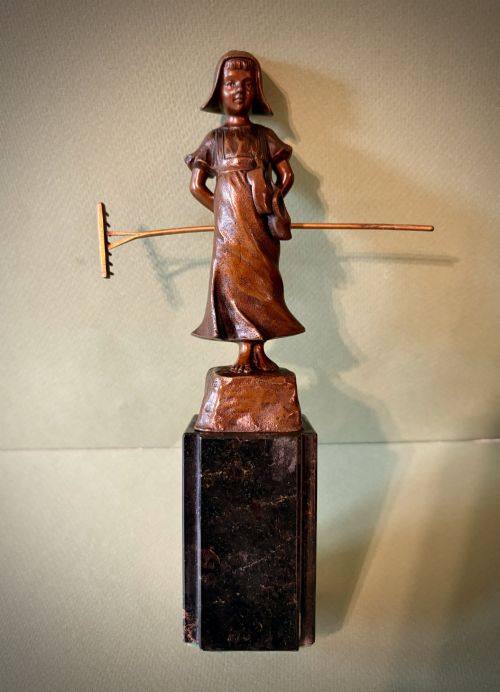
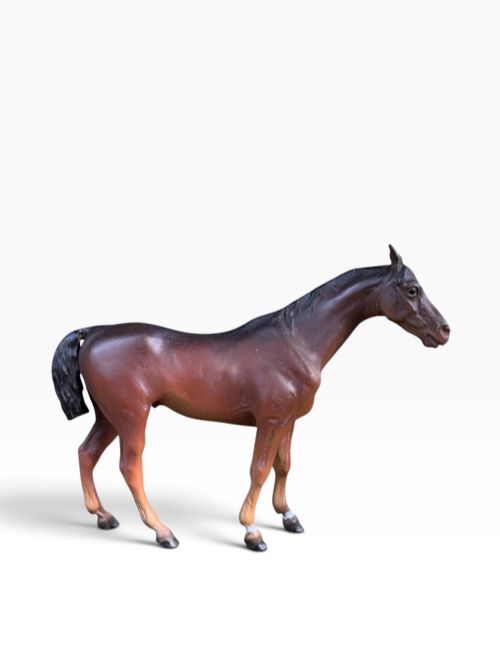
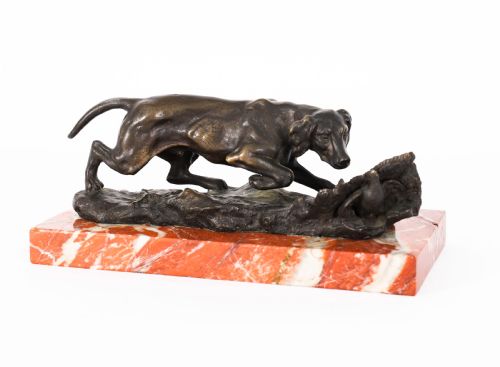
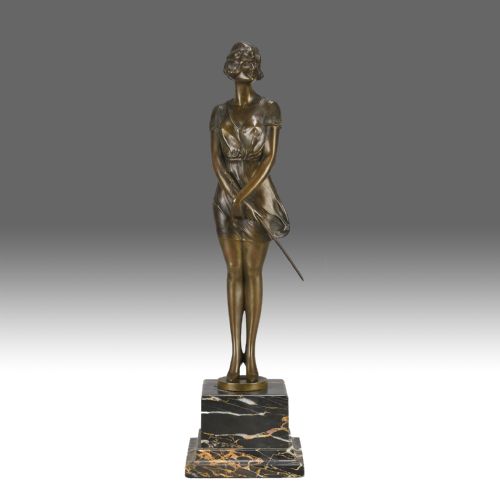
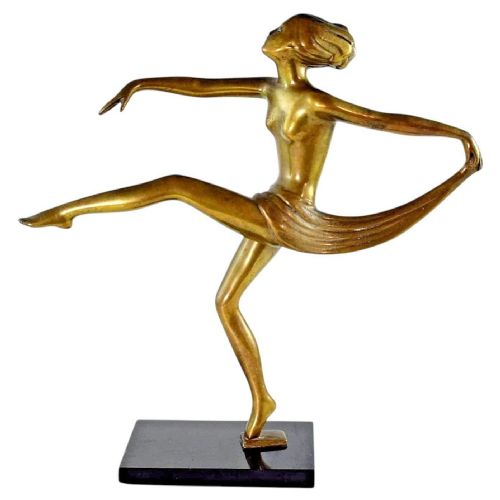
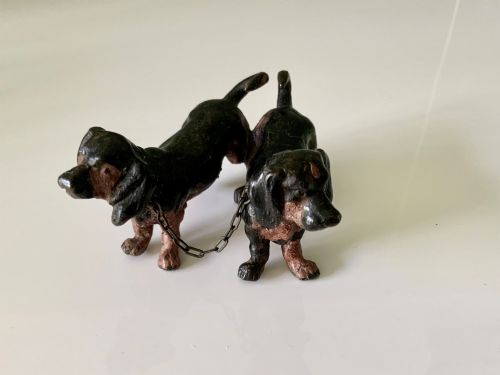
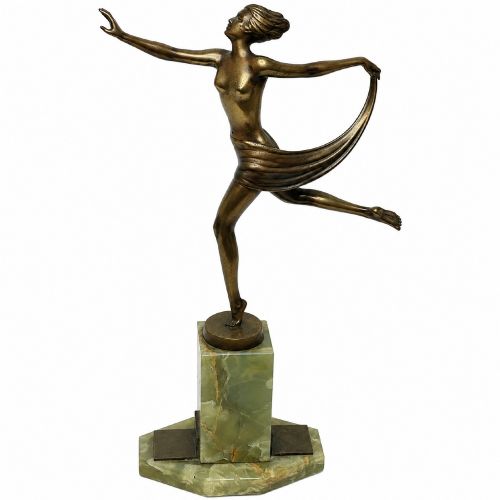
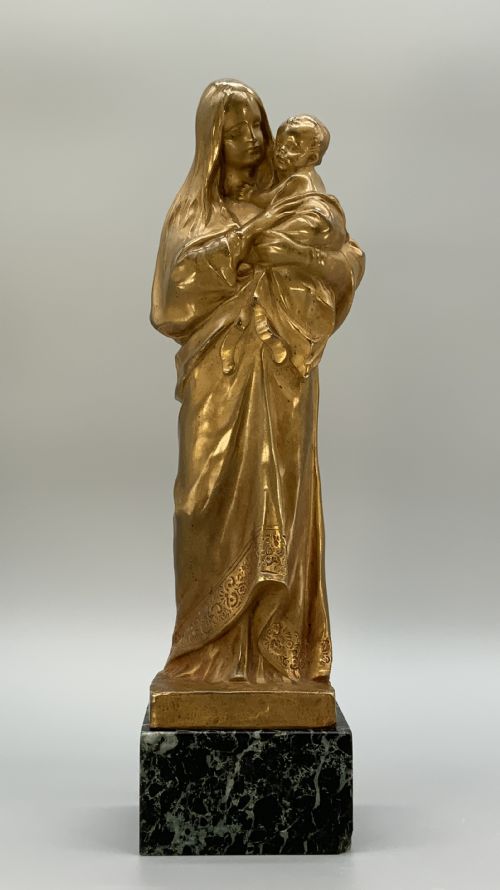
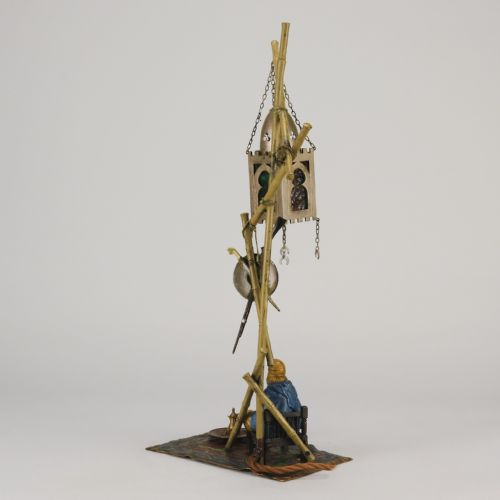
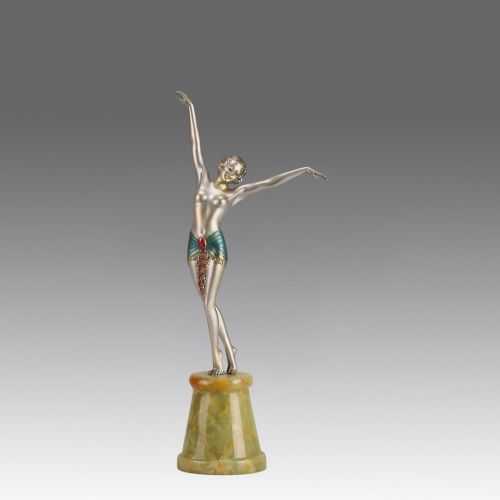
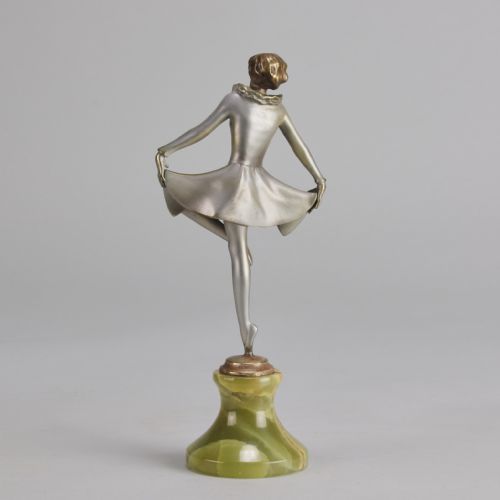
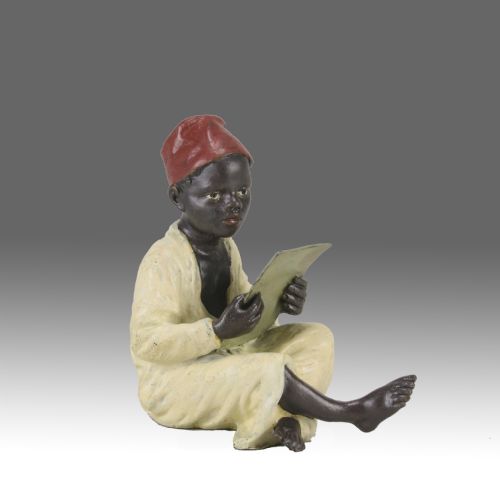
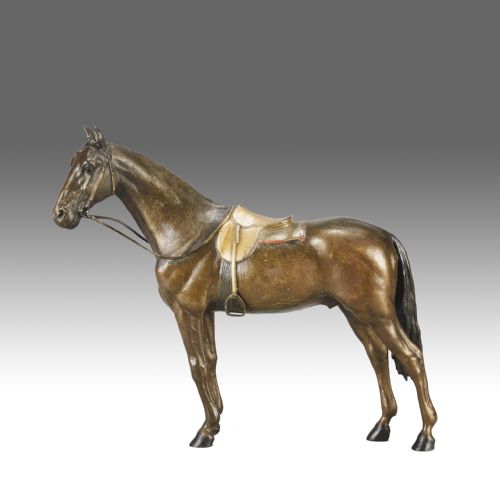
When you search for an austrian bronzed sculpture, you encounter small cabinet figures, animal studies, and larger table lamps produced across the nineteenth and twentieth centuries. These pieces capture distinct cultural movements, ranging from classical animalier subjects to intricate orientalist scenes and stylized dancers.
The objects commonly appear as standalone figures or mounted upon contrasting mineral plinths such as green onyx and marble. Many examples demonstrate the specific foundry traditions associated with Vienna workshops, prioritising expressive characterisation over monumental scale.
How they were made
Foundries utilised traditional casting methods to shape bronze before applying detailed surface treatments, including cold-painting, enamel paint, and gilt bronze highlights. Cold-painted works received multiple layers of polychrome paint applied directly to the unheated metal surface, allowing for fine chromatic nuance.
Mounting techniques frequently integrated natural stone bases like marble and onyx to provide stability and visual contrast to the dark metalwork. Artisans also combined metal casting with carved crystal or glass elements in specific decorative compositions.
Dwarf miners and whimsical animals frequently share cabinet space with elegant dancers.
What varies in quality
Quality rests upon the crispness of the initial cast and the preservation of the applied surface pigments. Superior examples retain intricate chisel work beneath the paint layers and display anatomical precision in animal and human forms.
The handling of the polychrome finish distinguishes workshop output, where master painters achieved subtle shading on plumage, textiles, and skin tones. The integration of the sculpture with its original stone base further indicates the standard of production.
Franz Bergman·Josef Lorenzl·Carl Kauba·Friedrich Goldscheider·Hans Müller
The Austrian Bronzed Sculpture Glossary
- Cold-Painted Bronze
- A method where polychrome paint is applied to a bronze casting without subsequent firing. This technique allowed makers to achieve vibrant, lifelike colours across intricate subjects.
- Vienna Bronze
- A style of small-scale bronze casting originating in Austrian workshops during the late nineteenth and early twentieth centuries. These figures are celebrated for humour, realism, and exotic themes.
- Animalier
- A nineteenth-century artistic genre dedicated to the realistic depiction of animals. Sculptors in this tradition focused on the natural movement and anatomy of wildlife.
- Orientalism
- An artistic movement depicting Middle Eastern and North African subjects with theatrical detail. Works in this category often feature figures in traditional dress within narrative settings.
- Spelter
- A zinc alloy frequently utilised as a substitute for bronze in decorative figures. It accepts metallic patination and paint finishes similar to higher-cost metals.
Austrian Bronzed Sculpture: Frequently Asked Questions
How do I clean cold-painted bronze?
Dust surfaces gently using a soft, dry brush without applying water or chemical solvents. Moisture can lift the delicate paint layers applied by early workshops.
Keep pieces away from direct sunlight to prevent pigment fading over time. Professional conservation is recommended for any deeper maintenance.
What periods do these sculptures cover?
The pieces span the nineteenth and twentieth centuries, capturing major shifts in European design. Early examples lean toward naturalistic animalier and orientalist themes.
Later decades introduce streamlined Art Deco figures and stylized dancers. Stylistic traits help differentiate the Victorian era from the interwar period.
Where were these sculptures displayed?
Owners originally placed these small bronzes on desks, mantelpieces, and cabinet tops within middle-class and elite European interiors. Their compact scale suited intimate domestic spaces rather than grand halls.
Specific forms like table lamps also served functional lighting purposes while maintaining sculptural decorative value.
How do I spot a replacement base?
Examine the mounting points where the bronze secures to the marble or onyx plinth for modern fixings. Original pieces typically utilise period screws and snug channel fittings suited to the stone.
Discrepancies in the wear between the metal figure and the mounting stone can indicate a later marriage of components.