




Decorative Female Figurine
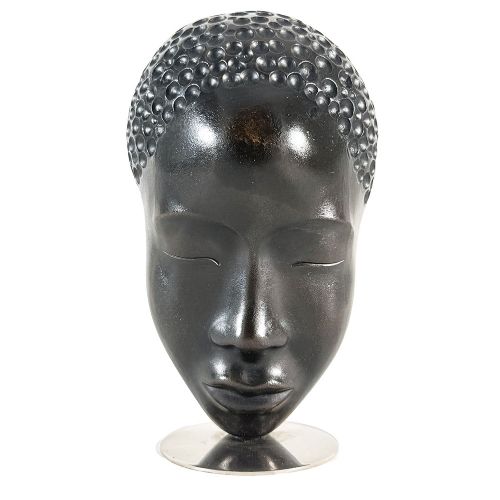
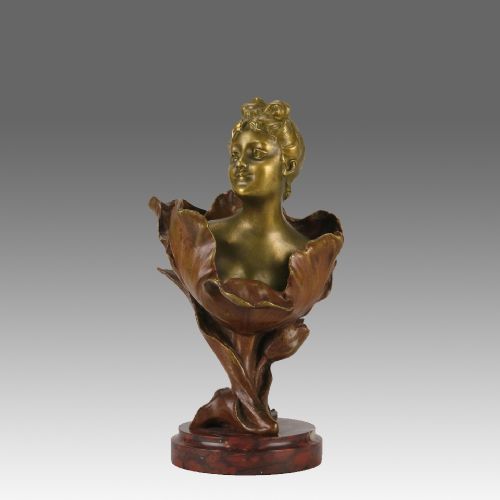
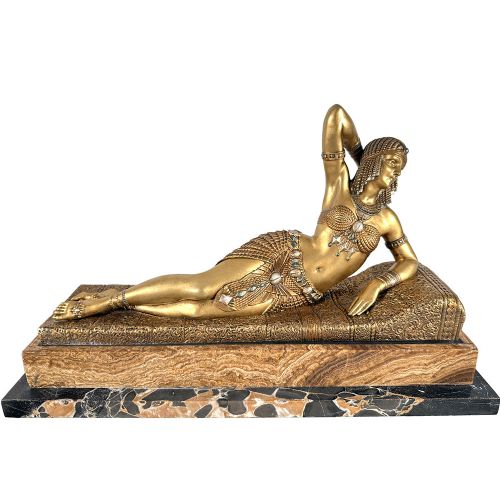
A decorative female figurine captures the grace of an era, bringing sculptural elegance and expressive detail to a room.
Decorative Female Figurine
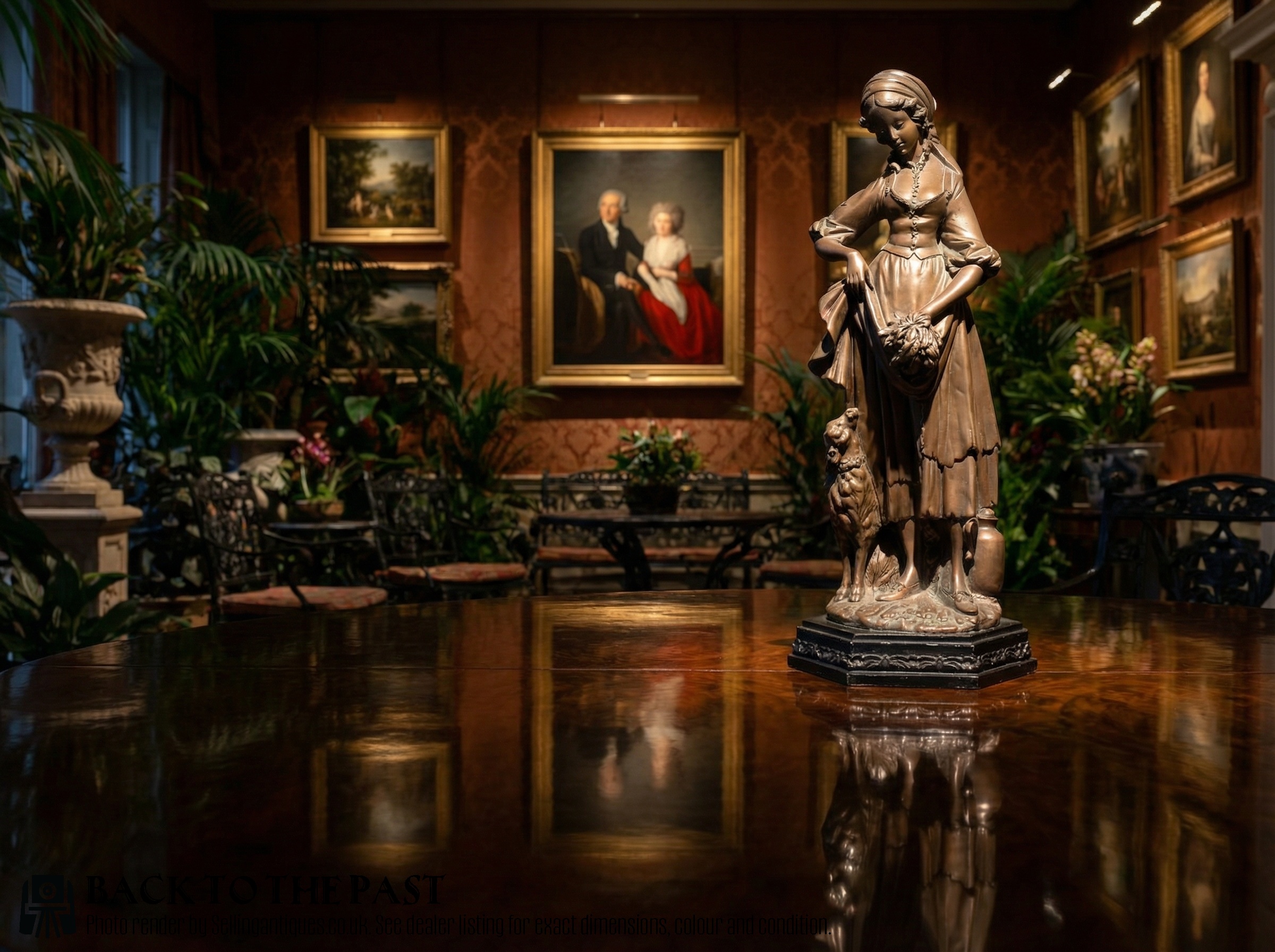
A decorative female figurine encompasses a diverse array of sculptural works depicting women, ranging from classical subjects to modern dancers. These pieces emerge from periods spanning the Victorian era through the early twentieth century, incorporating Art Nouveau and Art Deco aesthetics.
The selections available include porcelain figures, bronze table lamps, terracotta busts, and carved depictions of dancers or mythological subjects. Originating from workshops across Europe and beyond, these items reflect both classical revivalism and avant-garde modernist movements.
How They Were Made
Makers utilised traditional foundry methods such as lost-wax casting for bronze and gilt bronze figures, frequently mounting them on solid marble or onyx bases. Cold-painting and silvering techniques added rich surface detail to metals and spelter.
Ceramic and porcelain pieces relied on slip casting and intricate hand-painting, often enhanced with enamel colours or gold leaf accents. Wood and alabaster sculptures demonstrated skilled hand-carving traditions applied to organic materials.
Plaster and terracotta models provided alternative mediums for sculptural forms, treated with bronze-like finishes or left in their natural state to highlight the fluidity of the drapery and hair.
Several figures hold items ranging from fruit and water jugs to garlands and starfish, capturing everyday moments alongside theatrical dance.
What Varies in Quality
Materials dictate much of the character, with dense marbles and heavy patinated bronzes commanding greater presence than hollow spelter or painted plaster. The fidelity of the paintwork, the preservation of the original surface patina, and the integration of the figure with its base define the upper tier of the market.
Ferdinand Preiss·Henri Godet·Demetre Chiparus·Hans Müller·Josef Lorenzl·Royal Dux·Ernst Wahliss·Marius Ernest Sabino·Ugo Cipriani·Pierre le Faguays
The Decorative Female Figurine Glossary
- Spelter
- A zinc-based alloy commonly utilised as a less costly alternative to bronze for sculptural figures during the nineteenth and early twentieth centuries. It is frequently given a bronze-like or silvered surface coating.
- Caryatid
- A sculpted female figure serving as an architectural support taking the place of a column or pier. This classical form appears in both architectural contexts and decorative glass or metal objects.
- Cold-painted
- A technique where paint is applied to bronze without subsequent firing, allowing for vibrant polychrome surfaces. This method was widely favoured by Viennese foundries in the early twentieth century.
- Patina
- The surface sheen and coloration developed on metal, wood, or stone over time or through artificial chemical treatment. A well-preserved original patina enhances the visual depth of a sculpture.
- Terracotta
- Fired clay used for sculptural modeling, ranging from unglazed reddish earth tones to painted and sealed finishes. It allows for expressive, immediate detail captured directly from the artist's hand.
Decorative Female Figurine: Frequently Asked Questions
How do I distinguish between bronze and spelter?
Bronze is heavier, denser, and colder to the touch than spelter, displaying a deeper metallic resonance when tapped gently. Spelter is softer and may show grey metal beneath worn spots in the surface finish.
Examining the underside or mounting points often reveals the lighter, more brittle nature of spelter compared to the robust durability of genuine bronze.
Were these figures meant for lighting?
Certain examples, particularly from the Art Deco period, were designed specifically as table lamps incorporating glass shades or holding light sources. Other figures were purely decorative sculptures intended for mantelpieces or display cabinets.
Conversion of figures into lamps occurred frequently in later decades, so original wiring and fittings require careful inspection to determine period integrity.
How do I care for antique ceramic figurines?
Ceramic and porcelain pieces require gentle dusting with a soft, dry brush to prevent accumulation in crevices and painted details. Direct sunlight should be avoided to prevent fading of enamel colours and hand-painted decorations.
Harsh cleaning solutions and water immersion must be avoided, particularly on pieces with cold-painted surfaces or gold leaf highlights which can lift easily.
What defines an Art Deco dancer figure?
Art Deco dancer figures capture dynamic movement, rhythmic poses, and modern fashion influenced by the ballets russes and jazz age culture. They frequently feature outstretched arms, flowing garments, and striking materials like silvered bronze or ivory.
These sculptures emphasise stylised geometry and theatrical energy rather than strict classical proportions.