
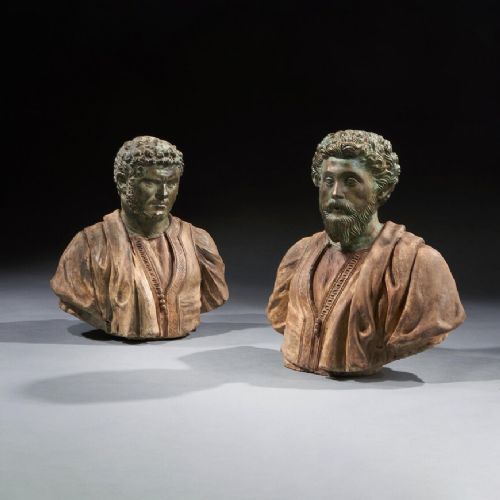
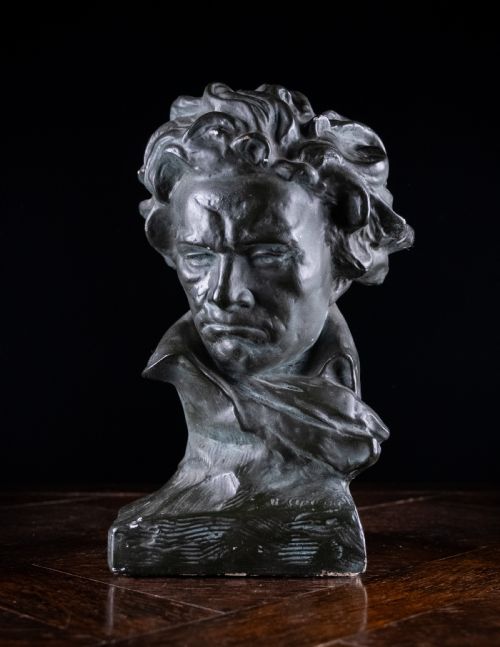

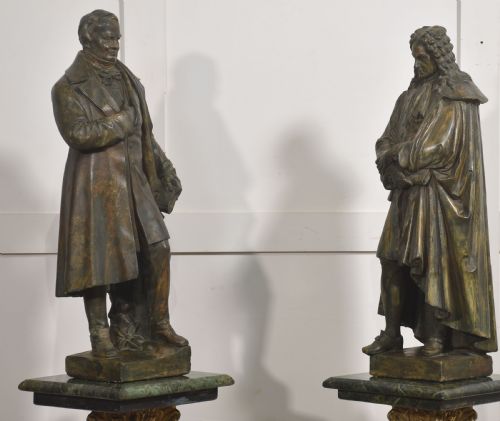


Bronzed Plaster Statue
These bronzed plaster statue pieces offer the rich presence of cast bronze through clever surface finishing, giving collectors classical dignity without the heavy weight or cost.
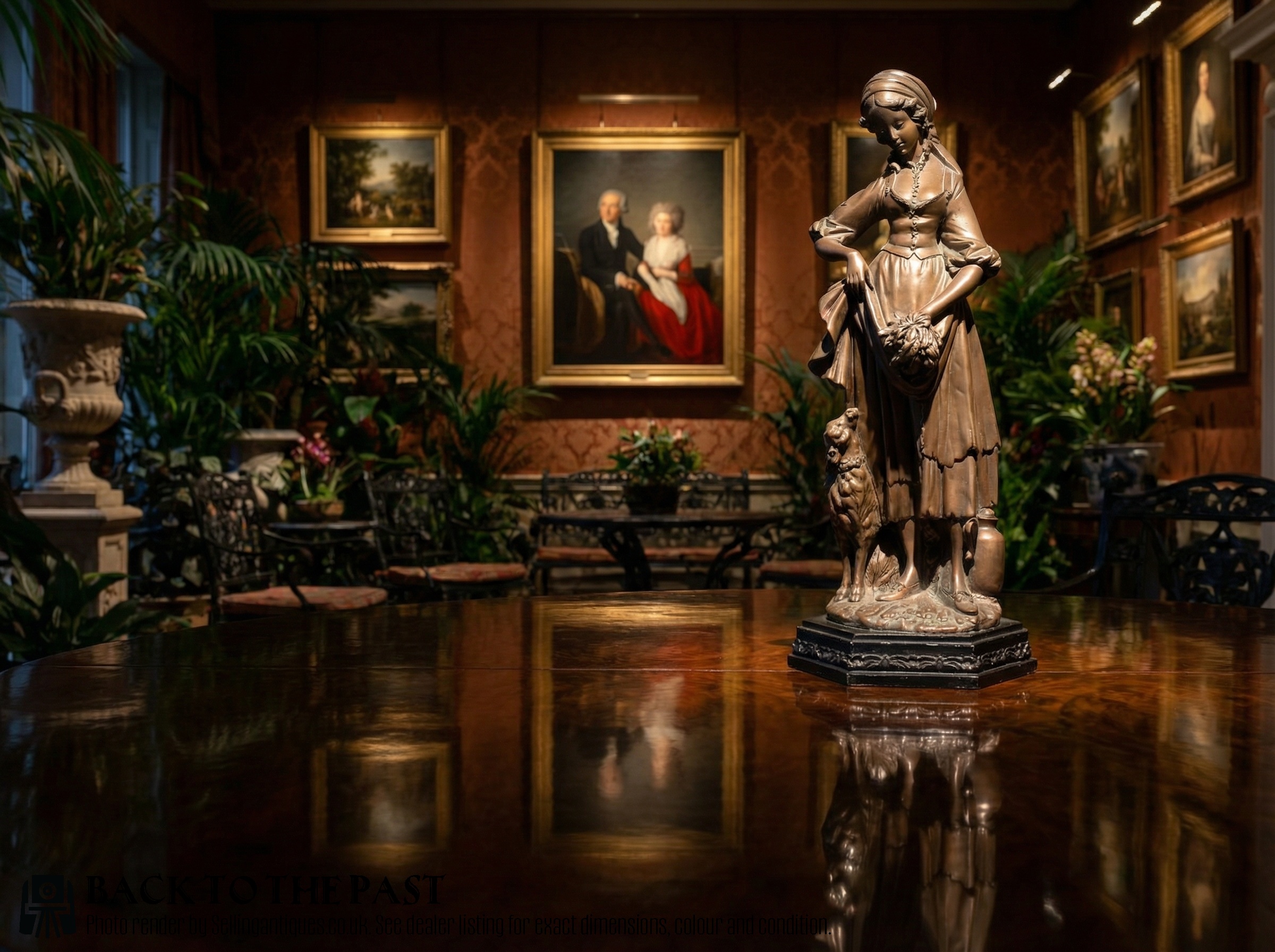
Bronzed Plaster Statue
A bronzed plaster statue represents a sculptural tradition focused on portrait busts, classical figures, and historical subjects designed to emulate more expensive metals. When buyers search for a bronzed plaster statue, they encounter works ranging from severe Neoclassical portraits of Roman emperors to expressive figures from the Art Deco era.
The most common examples on this page date from the nineteenth and early twentieth centuries, spanning periods such as Regency, Victorian, and Edwardian. These pieces often take the form of library busts, mythological figures, or decorative mannequins created for both domestic display and commercial interiors.
Originating from diverse European workshops, these statues include Grand Tour souvenirs, classical studies of youths and muses, and larger decorative figures. The selection reflects a persistent Victorian and Edwardian appetite for bringing antique sculpture into domestic spaces through accessible sculptural media.
Materials and Method
Makers formed a bronzed plaster statue by pouring liquid plaster of Paris into moulds, capturing fine details from original models or classical sculptures. Once set and thoroughly dried, the plaster core received specialised surface treatments to simulate aged bronze or verdigris patination.
Artisans applied dark pigments, metallic paints, and verdigris finishes directly onto the chalkware or plaster surface, often sealing the work to protect the delicate skin. This layered application achieved the metallic sheen and subtle tonal variations characteristic of genuine cast metal objects.
One cheerful mannequin from Paris once spent its days modelling lingerie before retiring into the dignified company of classical emperors.
Evaluating the Workmanship
The distinction between ordinary and exceptional pieces also lies in the hand-finishing work applied after casting, where skilled modellers chased the plaster surface to remove seam lines and sharpen hair, drapery, and anatomical details.
Humphrey Hopper·Dopmeier·Antoine-Felix Bouré·L Maurer
The Bronzed Plaster Statue Glossary
- Plaster
- A building and sculpting material made from calcined gypsum mixed with water, setting hard when dry. It serves as the primary medium for affordable sculptural casts.
- Chalkware
- A type of moulded gypsum or plaster material painted to imitate more costly substances like porcelain, bronze, or terracotta. It gained popularity for decorative figurines and souvenirs.
- Patination
- The surface coloration and ageing applied to an object to simulate long exposure to the elements. In these pieces, it mimics the dark oxide layer found on aged bronze.
- Grand Tour
- A traditional trip through Europe undertaken by upper-class young men in the eighteenth and nineteenth centuries. Travellers frequently collected plaster casts and small statues as cultural souvenirs.
- Torchere
- A tall ornamental stand or pillar designed to hold a light or a sculptural figure. Several examples combine this architectural form with classical plaster figures.
Bronzed Plaster Statue: Frequently Asked Questions
Are these statues heavy?
Plaster is substantially lighter than solid bronze or marble, yet larger busts and full figures still possess a solid, reassuring weight.
Ensure that any shelf or furniture top supporting a large piece is structurally sound and stable enough to bear the distribution of weight.
How can I tell plaster from bronze?
Tap the surface very gently with a fingernail or check the temperature; plaster feels neutral to the touch and sounds dull, whereas metal feels cold and rings clearly.
Examining the base or any minor chips will immediately reveal the white chalky plaster beneath the dark metallic paint layer.
Where should I display my statue?
Place your piece away from direct sunlight, radiators, and areas of high humidity to protect the brittle plaster and prevent the paint finish from fading or flaking.
A stable indoor environment on a sturdy mantelpiece, bookcase, or pedestal provides the ideal setting for long-term preservation.