


Antique Child Bust
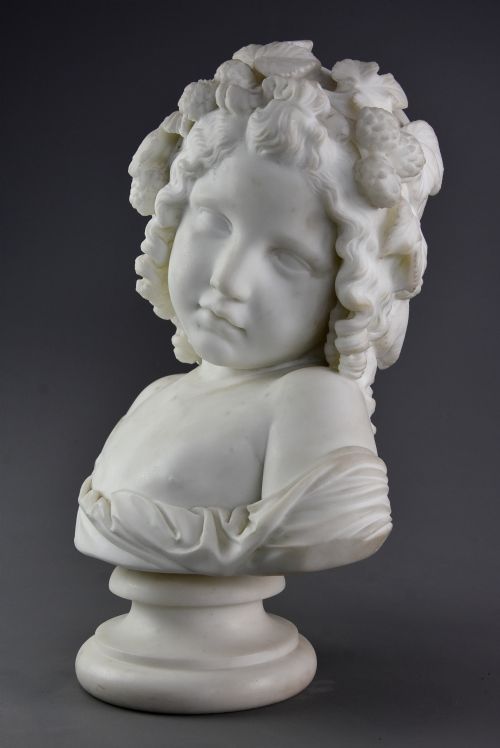
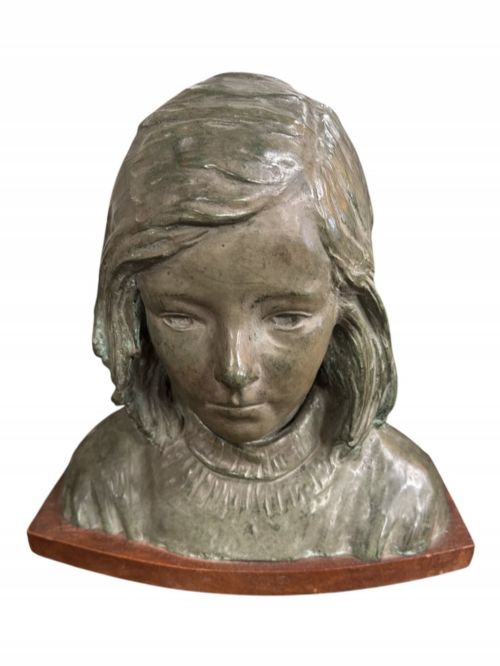
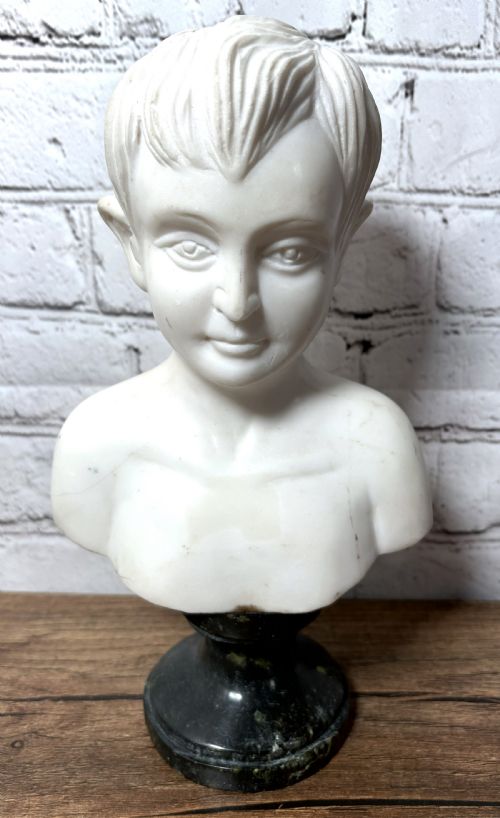
An antique child bust captures youth in marble, bronze or terracotta, bringing character and classical presence to a room.
Antique Child Bust
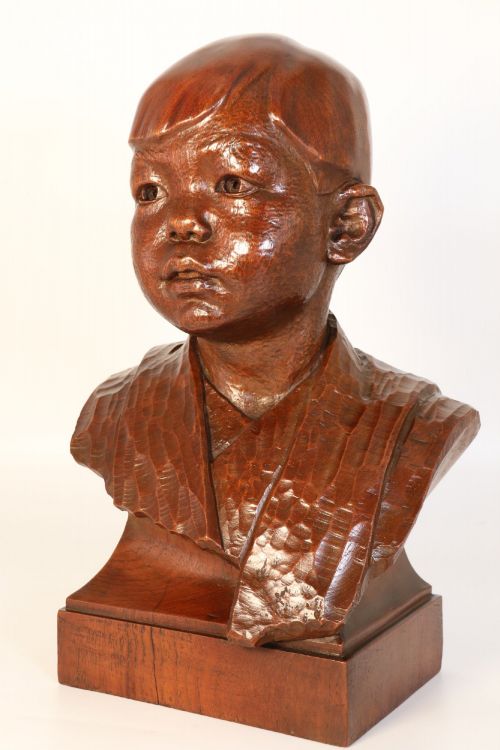
An antique child bust portrays a young girl or boy in materials ranging from white stone to cast metal. These sculptures appear in forms from small library ornaments to garden pieces and shop mannequins.
The versions met most often on this page date from the nineteenth and early twentieth centuries. They reflect classical revivals, Renaissance influences and French sculptural traditions.
Makers and sculptors captured children in thoughtful repose, spirited expression or gentle play. Each piece preserves a distinct personality through the sculptor's handling of form.
How they were made
Carved pieces emerge from blocks of Carrara marble, alabaster or walnut using chisels and rasps. Sculptors polished the stone to varying degrees to suggest soft skin or flowing hair.
Cast works utilise molten bronze, brass or terracotta poured into moulds before receiving patination or paint. Plaster and composition materials allowed workshops to produce detailed figures efficiently.
One bronze child arrived with an expression so fierce the archive recorded it as screaming.
What varies in quality
The choice of material dictates much of the character, with fine Carrara marble or signed bronzes representing the height of the sculptor's art. Signatures by recognised artists elevate a piece, whereas standard trade castings show simpler finishing.
George Henry Paulin·Antonio Rossellino·John Durham·J Camus·Joseph Gott·Pugi
The Antique Child Bust Glossary
- Carrara marble
- A type of white or blue-grey marble from the city of Carrara in Italy, prized by sculptors for its fine grain.
- Terracotta
- Baked red clay used for sculptural figures, often left unglazed to display the warm earthy tone and matte surface.
- Alabaster
- A soft mineral stone, typically translucent and pale, used for detailed portrait carvings.
- Parian ware
- A type of unglazed bisquit porcelain developed in the nineteenth century to imitate carved marble statuary.
- Patina
- The surface sheen and colour acquired by bronze, wood or metal through age and handling.
Antique Child Bust: Frequently Asked Questions
What materials were used for these busts?
Sculptors carved these portraits from Carrara marble, alabaster, walnut and plaster. Others utilised bronze, terracotta and painted metal.
Softer stones like alabaster provided a translucent glow, while metals allowed for intricate casting of hair and drapery.
How do I identify the period?
Dating relies on stylistic clues, mounting methods and material preferences. Nineteenth-century examples often lean toward Neoclassical or Renaissance revival themes.
Twentieth-century pieces introduce art nouveau curves or industrial shop mannequin forms from the nineteen-thirties.
Where should I display a bust?
These sculptures suit library shelves, mantelpieces and dedicated pedestals. Smaller library busts fit neatly into cabinet displays.
Larger stone or terracotta pieces work well on sturdy wooden tables or garden plinths depending on their weather resistance.
Are these pieces signed by artists?
Some sculptures bear signatures, foundry marks or initials carved into the base or shoulder. Signatures connect the piece to named sculptors and European foundries.
Unsigned works remain common, representing commercial studio production from the Victorian and Edwardian eras.