


Terracotta Style Bust
These terracotta style bust sculptures capture classical portraiture and antiquity through moulded clay and painted finishes, bringing sculptural presence into any room.
Terracotta Style Bust
A terracotta style bust represents the human form or historical figures through modelled clay and related sculptural media. When you search for terracotta style bust, you encounter works spanning the nineteenth century, early twentieth century, and earlier periods including pre-sixteenth century examples.
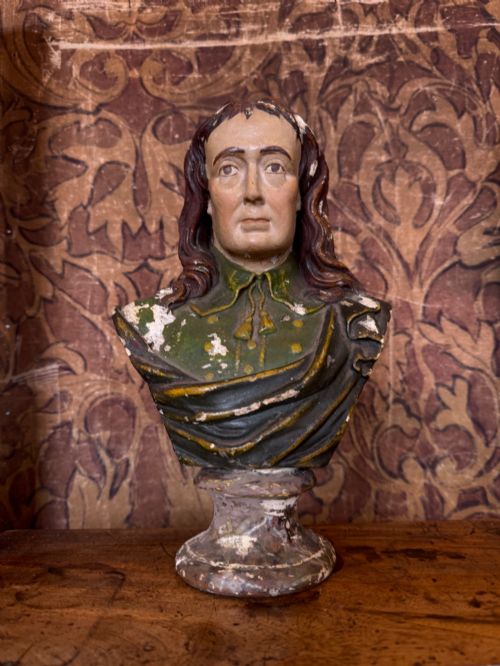
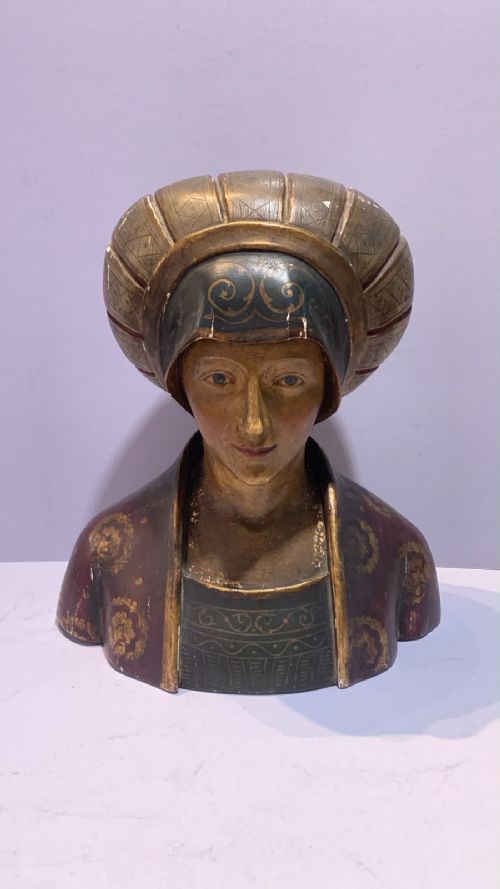
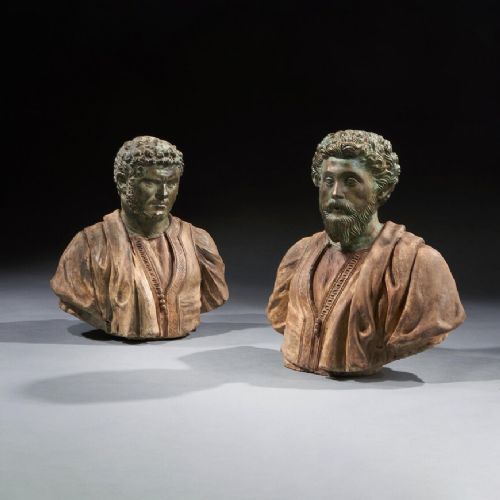
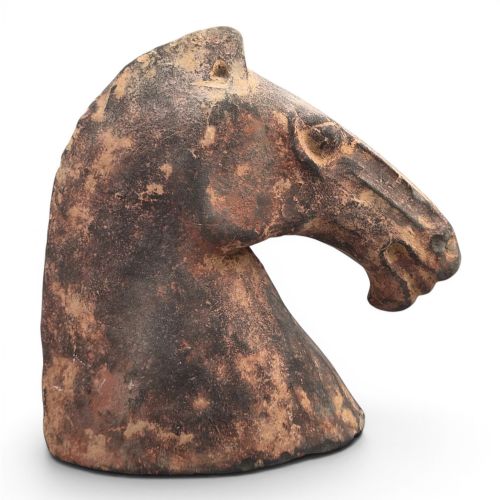
The objects on this page include Grand Tour portraits of noblewomen, classical emperors such as Marcus Aurelius and Caracalla, and depictions of saints after Renaissance masters. You also find mythological or genre subjects like banjo players alongside Chinese Han Dynasty type tomb figures and French art deco interpretations.
Forms range from life-size portrait sculptures to paired busts and smaller decorative heads. Materials extend beyond pure fired clay to encompass painted plaster, pigment, polychrome surfaces, gesso, gold leaf, and verdigris patina.
How they were made
Makers shaped these sculptures from terracotta clay or poured plaster into moulds before finishing the surfaces by hand. Many pieces receive layers of paint, pigment, or polychrome decoration to simulate aged stone, bronze, or natural flesh tones.
Detailing often involves gesso applications, gold leaf accents, and applied verdigris patina to replicate ancient weathering. Some works combine moulded bases with hand-chased surface details that echo Renaissance or classical prototypes.
Listings feature periods from pre-sixteenth century Han Dynasty pieces up to nineteenth-century neoclassical revivals and early twentieth-century art deco sculptures.
What varies in quality
Quality in these sculptures rests upon the crispness of the modelling and the fidelity to the historical source material. Finer examples show sensitive facial expression and well-defined drapery folds, whereas simpler pieces rely more heavily on uniform painted finishes.
The sophistication of the surface treatment, whether through subtle polychrome pigments, gilded highlights, or convincing patination, distinguishes standard decorative castings from more ambitious sculptural works.
The Terracotta Style Bust Glossary
- Terracotta
- Fired clay used for sculptural works, valued for its ability to take fine detail and warm reddish colour. It is often painted or left in its natural state.
- Grand Tour
- Cultural travel undertaken by nineteenth-century Europeans who collected classical sculptures and busts as mementoes of Italy and Greece. These souvenirs often reproduced famous antiquities.
- Polychrome
- Decoration using several colours applied to the surface of sculpture or plaster. This technique enhances realism by imitating natural skin tones and garments.
- Mingqi
- Chinese burial objects placed in tombs, including pottery figures and horse heads designed to accompany the deceased. They provide insight into ancient funerary art.
- Verdigris patina
- A green coating formed naturally on copper alloys or simulated on sculpture surfaces to create an antique appearance. It mimics centuries of atmospheric exposure.
Terracotta Style Bust: Frequently Asked Questions
What periods do these busts represent?
The pieces span nineteenth-century revivals, early twentieth-century art deco works, and pre-sixteenth century influences like Han Dynasty tomb figures. Many draw inspiration from Roman classical models and Renaissance sculpture.
This variety reflects centuries of artistic reinterpretation, where makers copied ancient or Renaissance masterpieces for modern collectors.
Are all these pieces made of terracotta?
Not all pieces consist purely of fired clay, as the selection includes works in painted plaster, glass paste, and media enhanced with gesso and gold leaf. Some listings combine terracotta with applied pigments or patinas.
Makers frequently utilised alternative materials to achieve specific sculptural effects while keeping the appearance of traditional terracotta.
How were portrait busts displayed historically?
Grand Tour busts and classical portraits traditionally stood on libraries, mantelpieces, or dedicated pedestals in nineteenth-century drawing rooms. They served as markers of classical education and refined taste.
Today, they function well as decorative focal points on tabletops or shelves within domestic interiors.
What is a Mingqi tomb figure?
A Mingqi is a Chinese burial artefact created for placement in tombs during dynasties such as the Han, serving the spirit of the deceased in the afterlife. These often take the form of painted terracotta horses or human attendants.
They represent an ancient tradition distinct from European classical revival sculpture found in the same search.
How do I distinguish nineteenth-century revival pieces?
Nineteenth-century revival works often bear specific stylistic traits associated with the Grand Tour or nineteenth-century French and Austrian studios. Makers frequently referenced classical emperors or Renaissance sculptors directly.
Examining the base material, surface pigments, and any workshop markings helps place the object within its proper nineteenth or early twentieth-century context.