
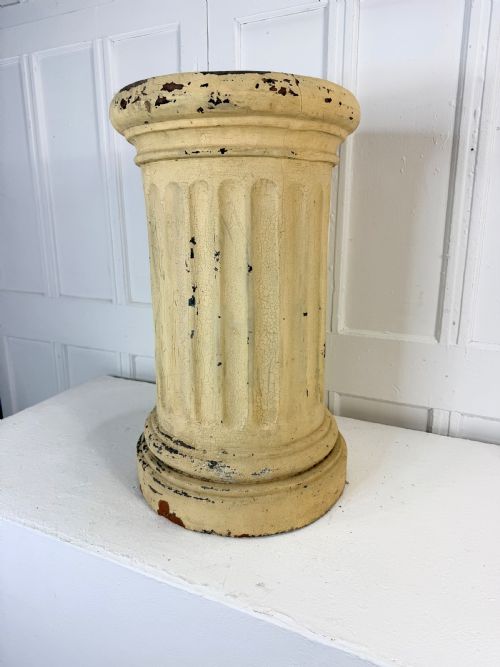


Vintage Painted Bust
A vintage painted bust brings strong character and sculptural presence to a room, ranging from classical plaster figures to folk art creations.
Vintage Painted Bust
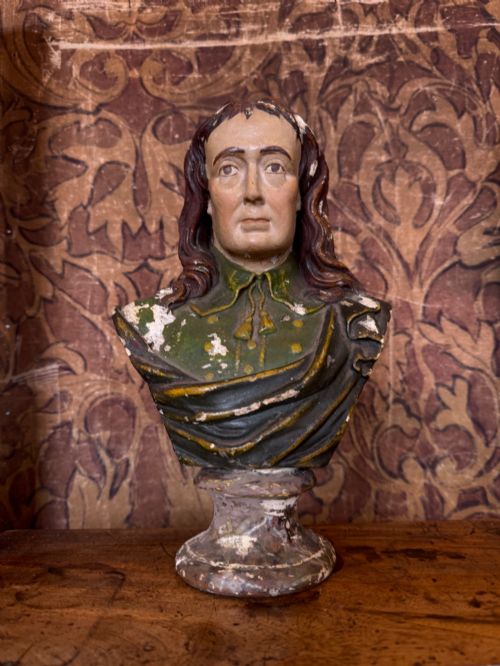
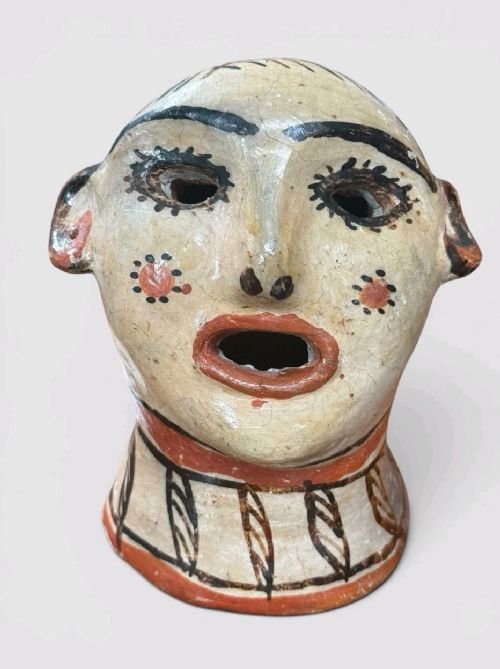
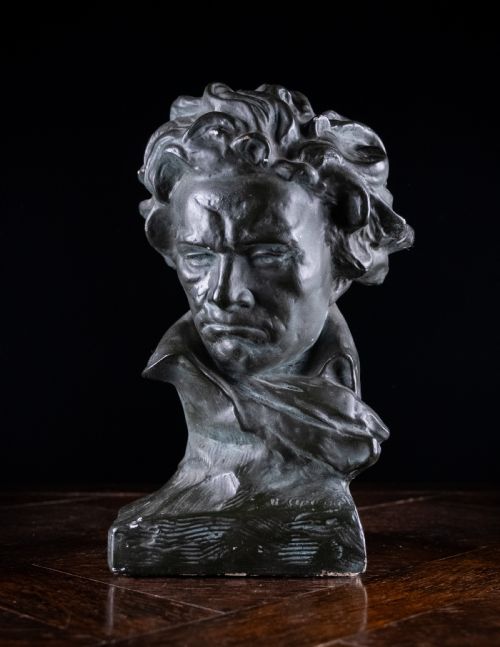
A vintage painted bust spans several periods including the Victorian era, the nineteenth century, and the nineteen-thirties. These pieces encompass plaster composer figures, terracotta classical women, ceramic display heads, and carved wooden folk art.
Buyers seeking a vintage painted bust will encounter materials such as plaster, terracotta, wood, and clay finished with oil paint or polychrome pigments. These objects serve as standalone sculptural ornaments or display pieces.
Materials and Construction
Plaster and terracotta form the structural core of many pieces, often finished with applied paint layers to render facial details and hair. Wood and clay serve similar sculptural purposes in folk art and regional traditions.
Makers applied oil paint, polychrome decoration, or bronzed finishes directly to the sculpted surfaces. These coatings define the expression and clothing of each subject, from classical drapery to period fashion.
Listings feature periods spanning from the Georgian era and nineteenth century through the nineteen-thirties and nineteen-sixties.
Assessing Quality and Execution
Original surface patination and authentic period pigments elevate an object above later repainted examples. The strength of the design, whether in an art deco mannequin or a classical plaster cast, dictates the visual impact.
Ernst Wahliss·William Goebel
The Vintage Painted Bust Glossary
- Polychrome
- Painted in several colours. This term describes surfaces decorated with multiple pigments to create realistic or decorative effects.
- Terracotta
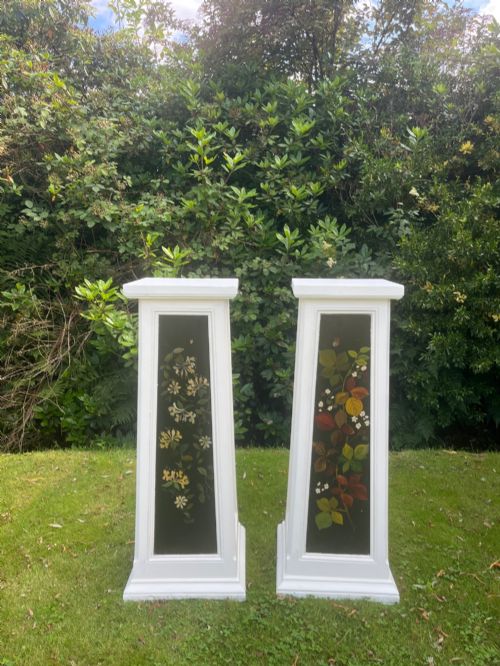
- Baked earth. This brownish-red earthenware material is commonly used for sculptural figures and display columns.
- Plaster
- A workable mixture used for casting sculptures. Plaster is frequently painted to resemble bronze, marble, or natural skin tones.
- Art Deco
- A design style prominent in the nineteen-thirties. It is characterised by streamlined forms and geometric patterns.
- Folk art
- Art produced from an indigenous culture or by untrained artisans. These pieces often display unvarnished charm and regional materials.
Vintage Painted Bust: Frequently Asked Questions
What periods do these busts come from?
The available selection spans from the nineteenth century through the nineteen-thirties and nineteen-sixties. Pieces reflect distinct design movements of their respective decades.
Earlier examples often draw on classical revival styles, while later items embrace art deco aesthetics and folk art traditions.
What materials are used for these sculptures?
Sculptors utilised plaster, terracotta, wood, and clay to form the base structures. These materials are combined with oil paint and polychrome pigments for the surface finish.
Some items also incorporate metal or paper elements depending on the specific object type and origin.
How were these decorative busts used?
Many figures functioned as interior ornaments, artistic studies, or educational models in domestic and studio settings. Others served commercial purposes as shop display mannequins and counter top pieces.
Folk art examples and pin cushion heads fulfilled both decorative and utilitarian roles in period homes.
How do I care for a painted plaster or terracotta bust?
Display these sculptures away from direct sunlight and excessive moisture to protect the underlying material and painted surfaces. Gentle dusting with a dry, soft cloth is sufficient for routine maintenance.
Avoid using liquid cleaners or chemical solvents which can damage the historic pigments.