
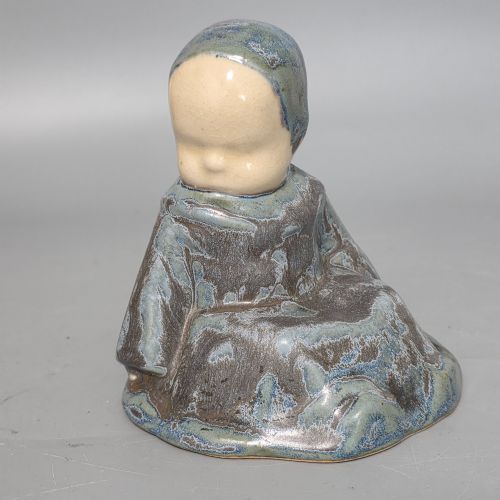


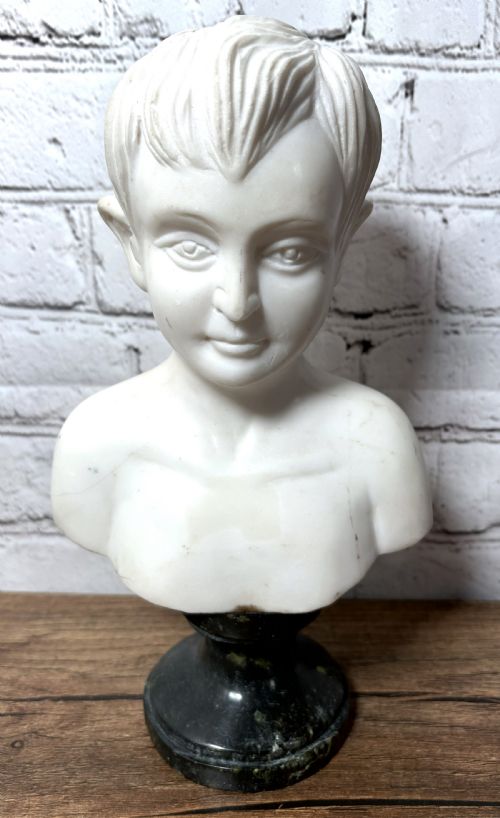


Antique Child Figurine
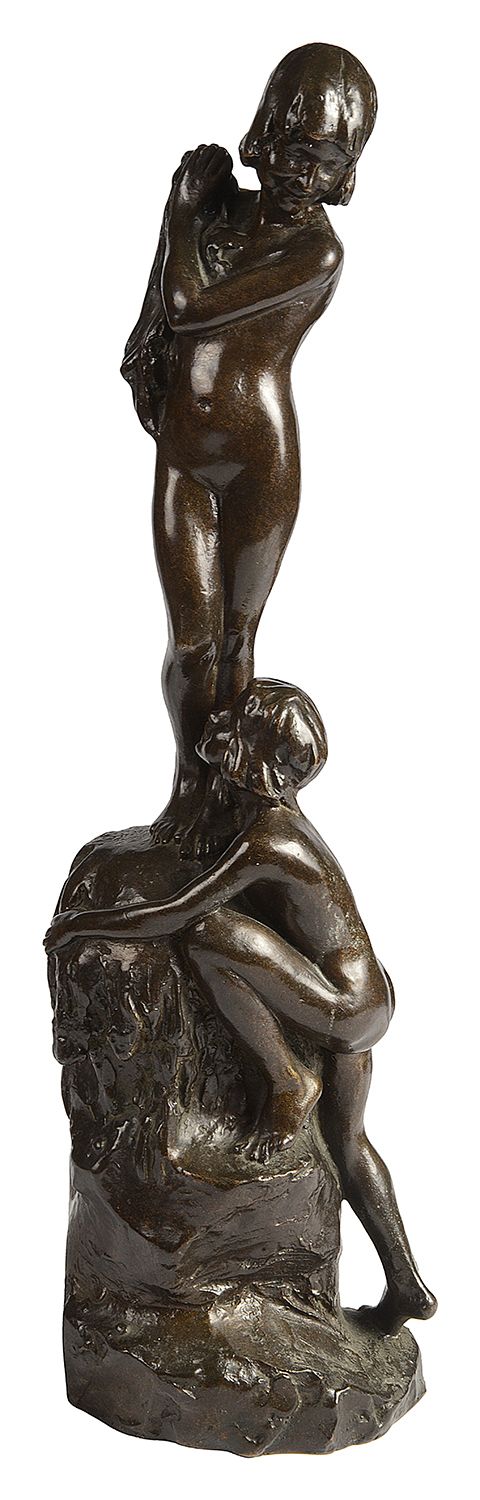
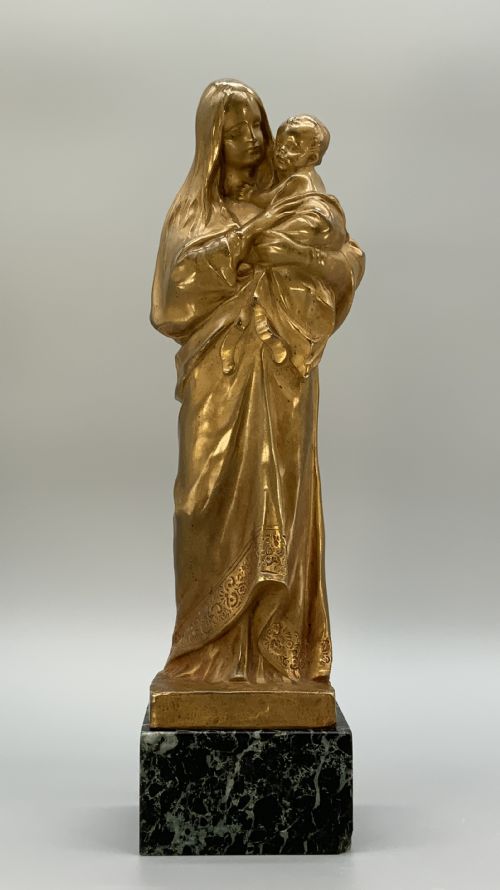
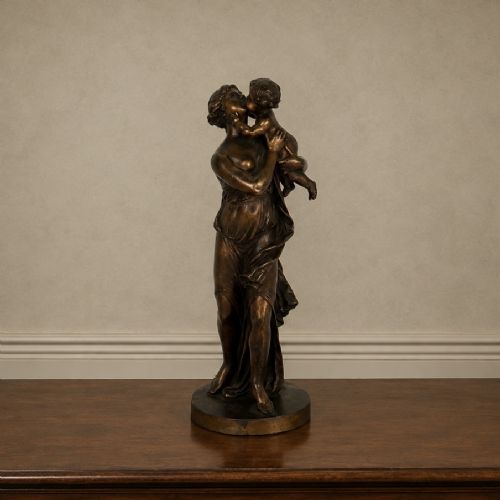
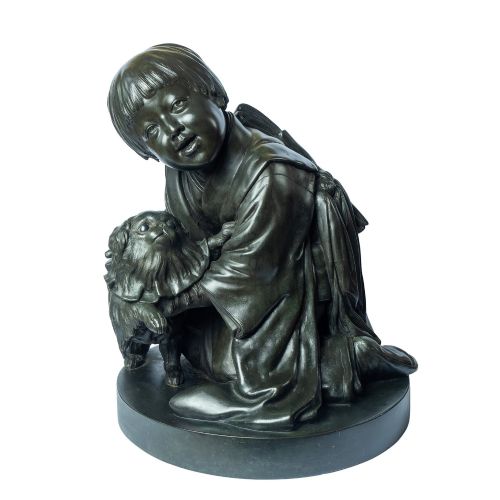
These bronze, porcelain and marble antique child figurine works capture youthful subjects through Victorian and Art Deco forms.
Antique Child Figurine
Collectors seeking an antique child figurine encounter sculptures and decorative figures depicting young subjects, infants, and mother-and-child groups. The selections on this page span the nineteenth century through the early twentieth century, incorporating Victorian, Art Deco, and Neoclassical styles.
Most pieces represent children in everyday scenes, with pets, or in classical allegories executed in ceramic or metal. The forms range from small mantel sculptures to large bronze and marble library busts and figural groups.
Originating from British, French, German, Italian, and Japanese makers, these works reflect the sentimental and decorative tastes of their respective periods.
Materials and methods of construction
The physical evidence demonstrates the use of cast bronze, sometimes patinated or gilt, alongside carved marble and earthenware. Porcelain works include biscuit porcelain, Parianware, and glazed ceramic bodies decorated with hand-painting and enamel.
Makers utilised traditional foundry casting for metal sculptures and specialised ceramic kilns for porcelain figures, often combining media such as stone bases with metal figures or applying gold leaf highlights to bronze.
A monkey shares the scene with a child in one listed porcelain group.
What distinguishes quality in these figures
Quality rests in the crispness of the casting detail in bronzes and the precision of the modelling in porcelain and marble. Finer examples show careful anatomical rendering, delicate facial expressions, and nuanced surface finishing such as hand-painted details.
Signed works by recognised sculptors and established factories demonstrate superior craftsmanship compared to unmarked commercial productions, whilst retaining the distinct stylistic traits of their period.
Hans Müller·Masaaki·Berthe Savigny·Luca Madrassi·H. Chiparus·Auguste Moreau·Carl Kauba·Alexandre Kelety·Ernst Bohne and Söhne·Alois Hampel
The Antique Child Figurine Glossary
- Bisque porcelain
- Unglazed porcelain with a matte, white texture that resembles marble. It was widely used for nineteenth-century portrait busts and figural groups.
- Parianware
- A fine-grained type of biscuit porcelain developed in the nineteenth century to imitate white marble. It is frequently seen in Victorian figural sculpture.
- Okimono
- A Japanese freestanding ornamental carving or sculpture designed for display. These objects are typically cast in bronze.
- Putto
- A representation of a plump, naked child, often winged, derived from classical art. They appear frequently in religious and mythological nineteenth-century compositions.
- Patination
- The surface coloration or film that develops on bronze through age or chemical treatment. Artists intentionally apply patinas to create specific tonal effects.
Antique Child Figurine: Frequently Asked Questions
What materials are used?
The pieces utilise cast bronze, marble, earthenware, and various forms of porcelain including bisque and Parianware. Some examples incorporate gold leaf, enamel, and hand-painted details.
Surfaces range from patinated metal finishes to smooth carved stone and glazed ceramic bodies.
How do I identify the period?
Periods are identified through stylistic markers, such as the ornate detailing of Victorian works or the streamlined geometry of Art Deco pieces. Signatures, factory marks, and material types also indicate the date of manufacture.
Nineteenth-century examples often lean towards classical or sentimental themes, while early twentieth-century pieces adopt more diverse sculptural approaches.
Where were these figures made?
The evidence points to workshops and factories across Europe and Japan. Prominent manufacturing centres include France, Germany, Italy, Austria, and Britain.
Each region developed distinct regional styles, from Meissen and Dresden porcelains to French bronzes and Japanese bronzes.
How should I display them?
These sculptures suit stable, flat surfaces such as mantelpieces, bookshelves, and library desks where their scale can be appreciated. Bronze and marble pieces require stable placement due to their weight.
Keeping them away from direct heat sources and strong sunlight protects delicate painted surfaces and patinas.