


Brown Pedestal Dining Table
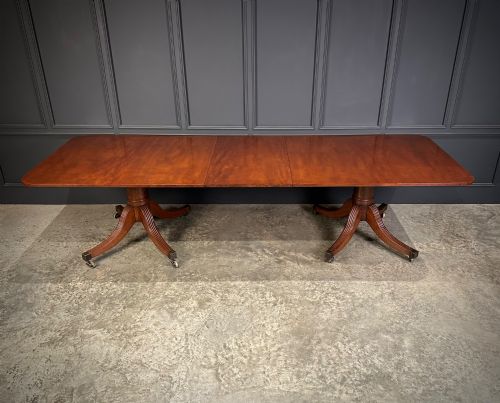
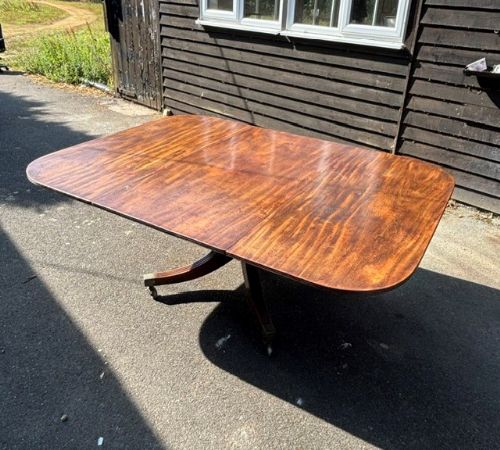
A brown pedestal dining table brings central column support and rich timber tones to a dining room, offering both practical seating and architectural presence.
Brown Pedestal Dining Table
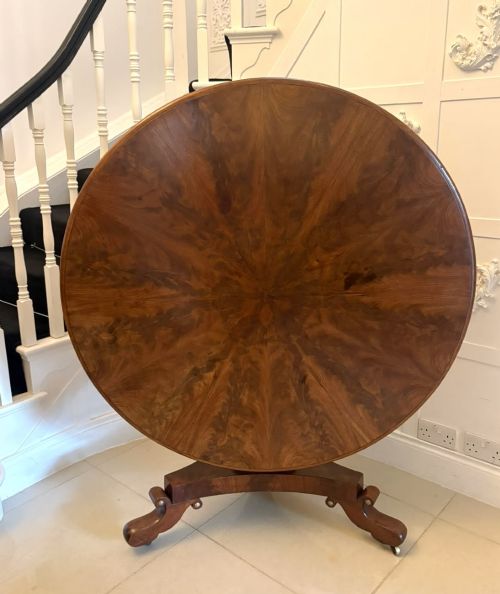
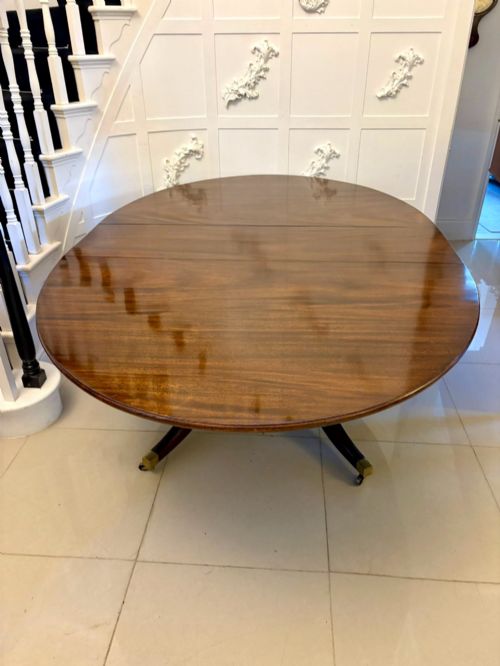
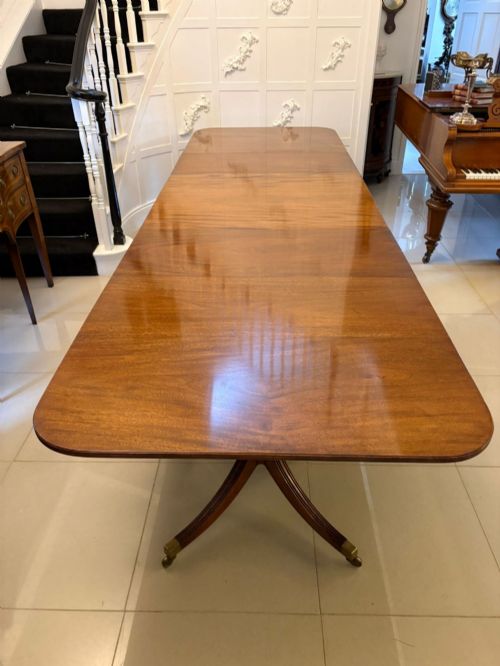
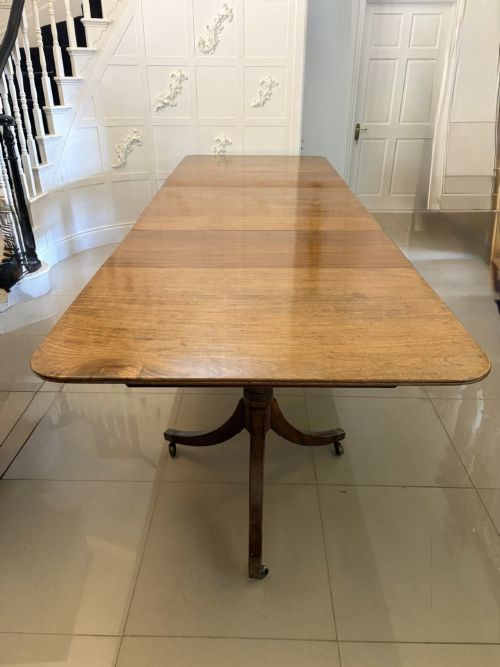
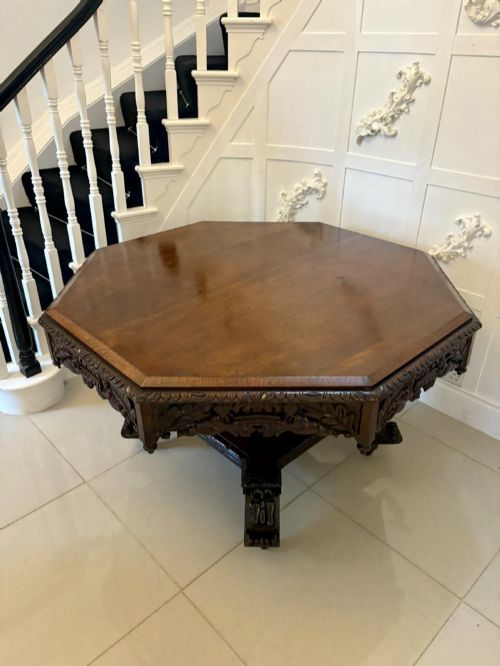
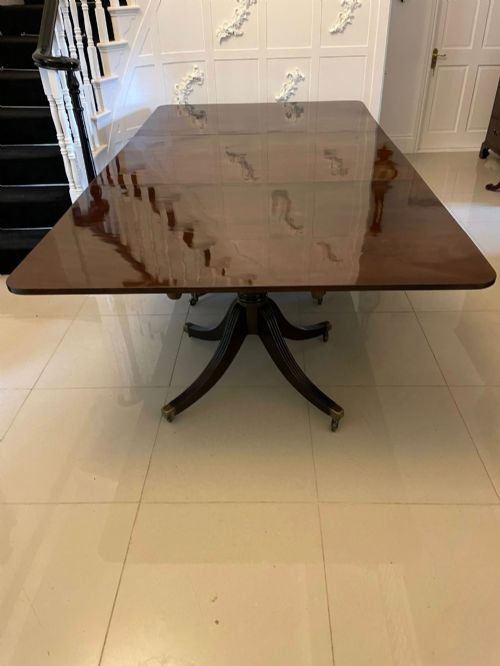
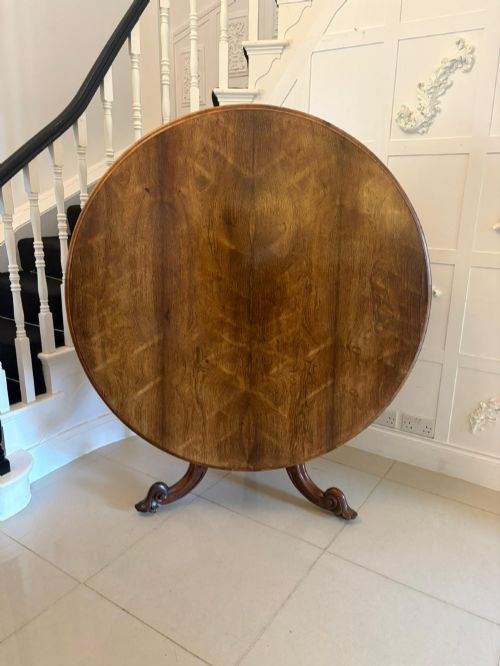
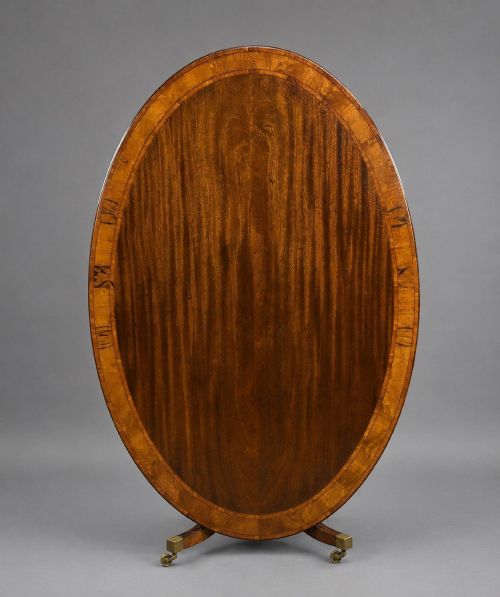
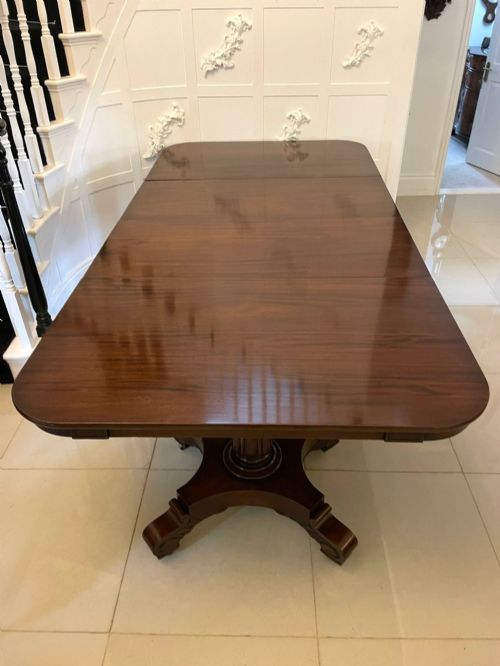
A brown pedestal dining table rests upon a central pillar or multiple pedestals rather than traditional corner legs, providing unobstructed legroom around the perimeter. These pieces range from compact circular breakfast tables to expansive extending formats designed to seat large gatherings.
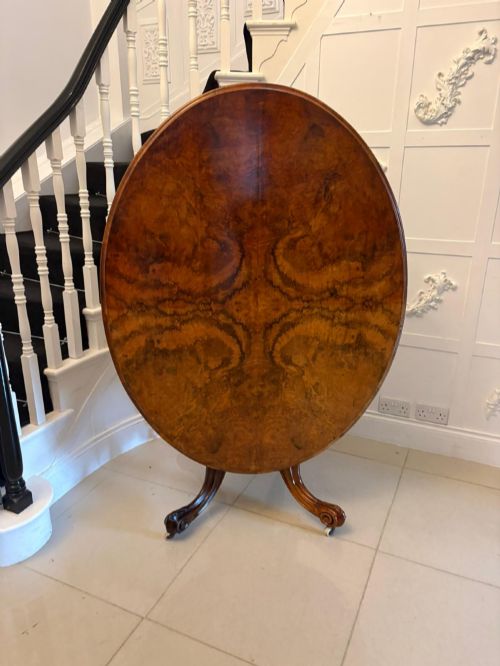
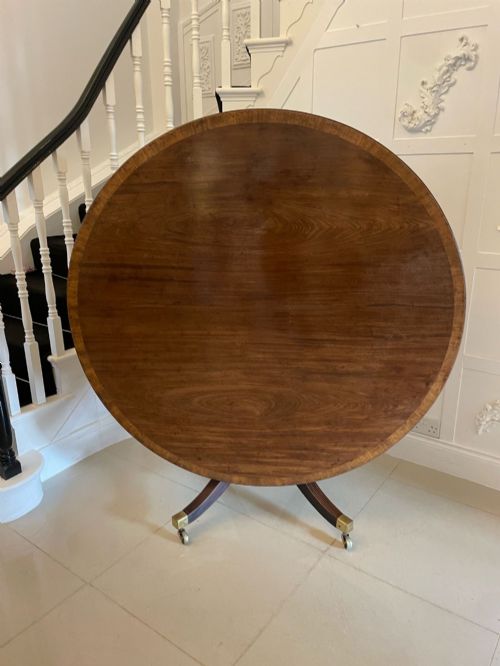
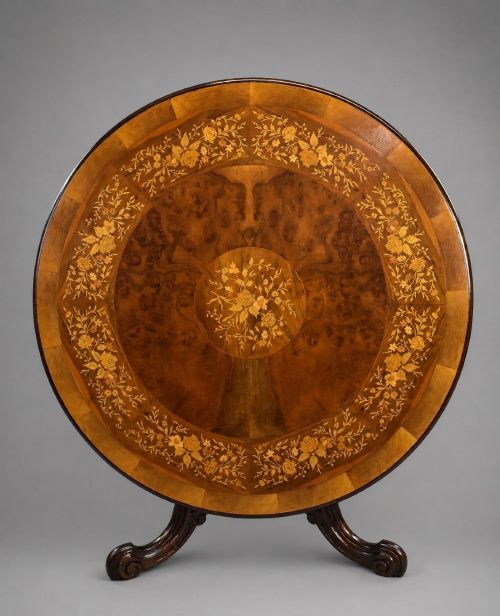
The selections span centuries of cabinetmaking, featuring Georgian, Regency, and Victorian iterations alongside later revivals. Mahogany and burr walnut dominate the forms, offering deep brown colouration and prominent figure to the timber top.
How they were made
Cabinetmakers utilised dense hardwoods such as mahogany, rosewood, and walnut, frequently selecting figured veneers for table tops to display complex grain patterns. Solid oak and burr elm also appear, shaped into circular, oval, or rectangular formats supported by heavy turned or carved pillars.
Pedestal bases frequently terminate in carved tripod or quadrapod legs, sometimes inset with brass castors to allow movement. Extending versions incorporate internal leaf mechanisms supported by additional pillars when opened.
Tilt-top tables let you fold the surface flat against the wall like a giant wooden coin when dinner is finished.
What varies in quality
The distinction rests in the choice of timber figure, the crispness of the pedestal carving, and the engineering of the extending mechanism. Superior examples display matched veneers across multiple leaves and robust pillar joints that maintain stability under heavy loads.
Thomas Butler of London·Wylie and Lochead Glasgow
The Brown Pedestal Dining Table Glossary
- Pedestal
- A central vertical support column replacing traditional corner legs on a table. This structure allows chairs to tuck underneath more easily.
- Tilt-top
- A mechanism allowing the table top to pivot into a vertical position when not in use. This design originated to save space in smaller rooms.
- Three-pillar
- A long dining table configuration supported by three distinct central columns. These pieces generally accommodate extensive extending leaves.
- Marquetry
- Decorative inlay work using various woods to create geometric or floral patterns on the surface. This technique highlights high-status furniture.
- Quadrapod
- A four-legged base radiating from a central pillar. These provide enhanced stability for large circular or oval table tops.
Brown Pedestal Dining Table: Frequently Asked Questions
How do I choose the right size brown pedestal dining table?
Consider the daily seating requirements alongside the maximum capacity needed when hosting guests. Multi-pillar extending formats accommodate large groups, while compact circular models suit smaller rooms.
Ensure adequate floor space remains around the perimeter of the table for chairs to pull out comfortably without hitting surrounding walls.
Can I use a tilt-top table for everyday dining?
Tilt-top tables function effectively for daily meals provided the locking mechanism remains secure and stable. The pivot design originally allowed domestic spaces to be cleared when dining concluded.
Inspect the catch beneath the top to confirm it holds the surface firmly horizontal during use.
How do multiple pedestals affect seating?
Tables featuring two or three pillars distribute weight evenly and support longer timber surfaces without sagging. Position the pedestals carefully to avoid placing columns directly where diners require legroom.
Extending versions add extra pillars when open to maintain structural integrity along the full length.
What is the difference between a breakfast table and a dining table?
Breakfast tables traditionally featured smaller circular or oval tops, often with tilt mechanisms, designed for informal morning use. Dining tables span greater lengths and frequently incorporate multiple pillars and extending leaves.
Both forms utilise rich timbers like mahogany and walnut to anchor the room's aesthetic.