



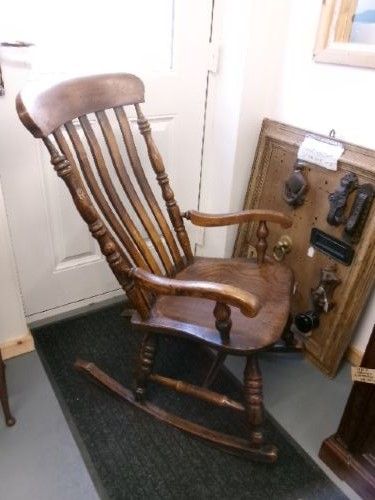
Brown Oak Windsor Chair
A brown oak windsor chair brings tactile warmth and vernacular character to a room, offering sturdy seating shaped by centuries of British rural tradition.
Brown Oak Windsor Chair
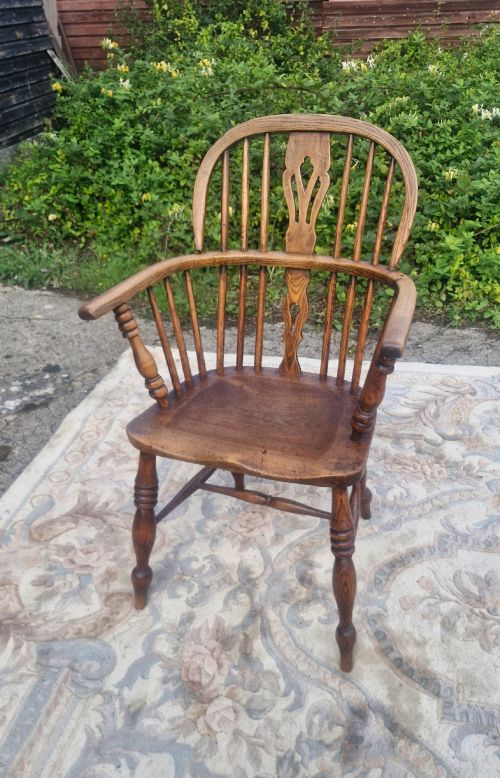
When buyers search for a brown oak windsor chair, they encounter robust wooden seating rooted in British country traditions. These pieces span dining chairs, armchairs, rocking chairs, and high chairs originating across periods from the eighteenth century through to the early twentieth century.
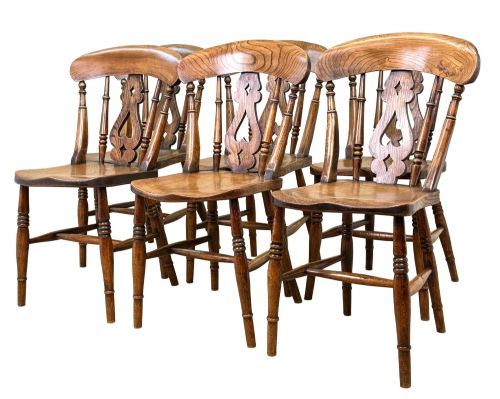
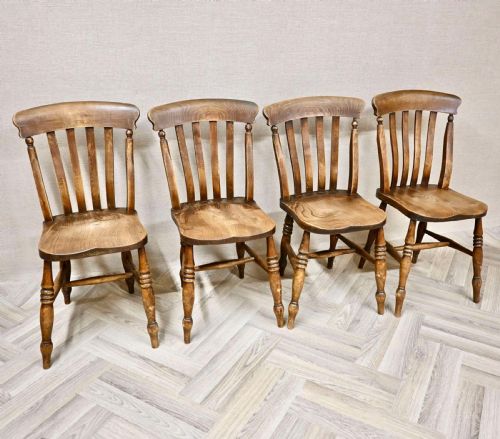
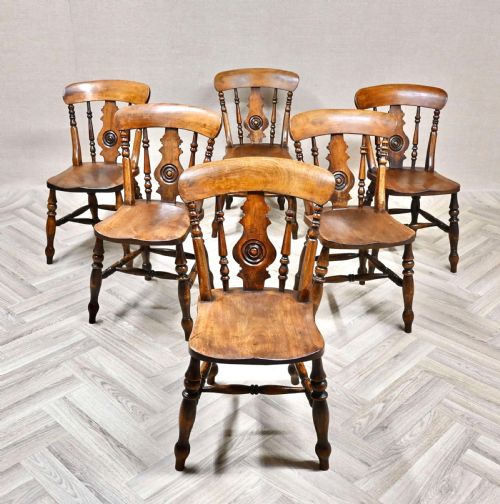
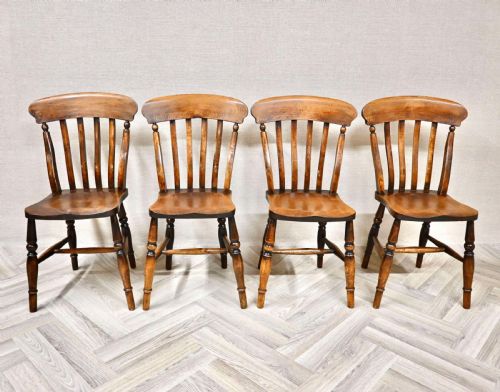
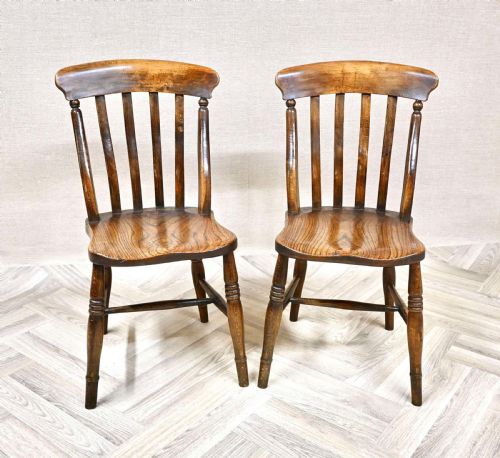
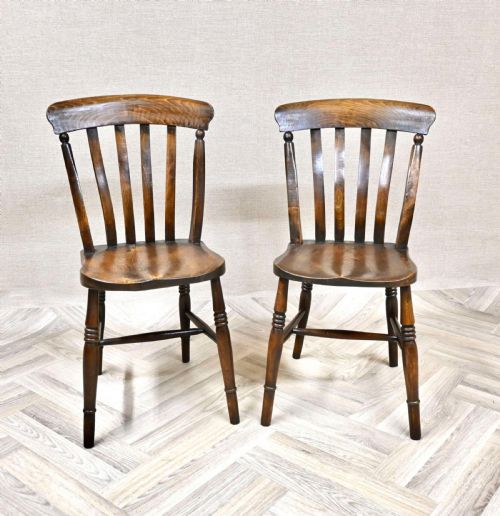
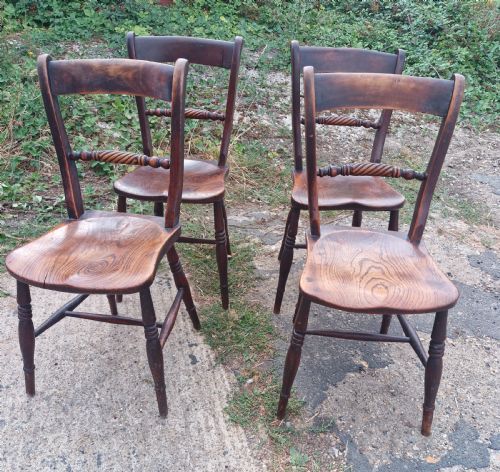
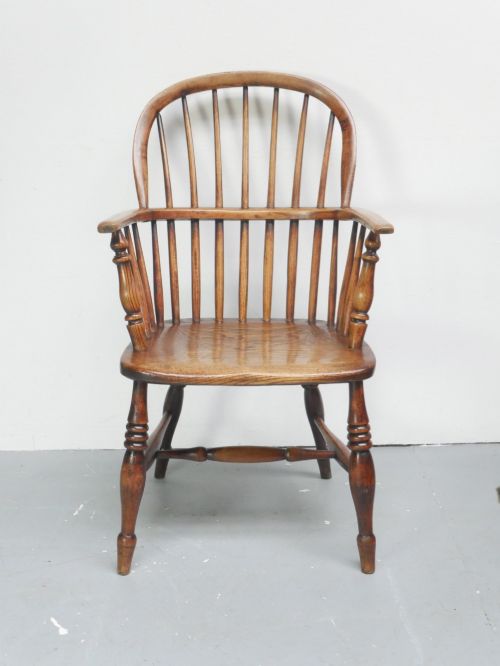
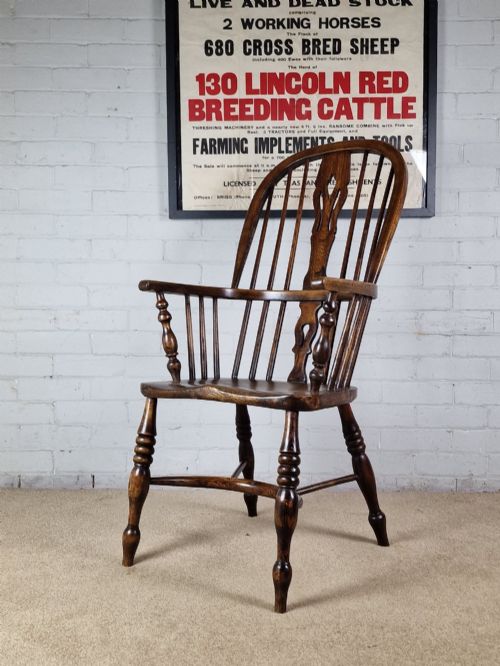
The selections on this page showcase forms shaped by regional British vernacular styles, including low backs, hoop backs, comb backs, lath backs, and wheelbacks. Many examples emerge from farmhouse and kitchen settings, reflecting utilitarian durability combined with expert regional joinery.
Makers utilised a mix of native timbers, shaping seats from solid blocks and steaming spindles into curved backs. While elm, beech, ash, and yew appear frequently, pieces constructed or finished in oak carry a distinct presence that draws collectors seeking traditional British seating.
How they were made
Traditional makers built these chairs using a combination of solid timber seats bored to receive turned legs and bentwood backs. Elm often provided a stable, splitting-resistant seat plank, whilst ash and beech supplied flexible strength for spindles and steam-bent hoops.
Joinery relied on wedged tenon joints where legs and back posts passed completely through the seat slab. Regional workshops utilised pole lathes and steam chests to shape components before assembling the individual parts into a cohesive, rigid structure.
Brown Oak Windsor Chair Retail Price Guide 2026
Typical asking prices for brown oak windsor chair among the pieces listed under this phrase on Sellingantiques today, from the lower quarter to the upper quarter. They describe what is for sale here now, not the wider market.
Some miniature chairs were made as high chairs for tiny tots or as apprentice scale models to test new lathe techniques.
What varies in quality
Quality in these vernacular chairs rests upon the harmony of proportion, the depth of the saddle-moulded seat, and the integrity of the original construction. Superior examples retain their balanced stance, crisp turning on the legs and spindles, and tight joints without excessive modern intervention.
The character of the timber surface further distinguishes the range, where untouched patination, original paint, or deep wax accumulation heightens the visual depth. Lesser examples suffer from heavy limb replacements, over-sanding that softens crisp details, or structural alterations that compromise the historic silhouette.
The Brown Oak Windsor Chair Glossary
- Windsor chair
- A wooden chair constructed with a thick solid timber seat into which the legs and back spindles are separately socketed. This method creates a sturdy, skeletal frame distinct from upholstered parlour furniture.
- Hoop back
- A continuous bentwood bow forming the back and armrest support of the chair in a single graceful curve. This technique distributes weight efficiently and provides comfortable upper back support.
- Comb back
- A Windsor chair design featuring a low backrest topped by a horizontal headboard resembling the teeth of a comb. Vertical spindles rise through the seat to pierce this upper crest rail.
- Smoker's bow
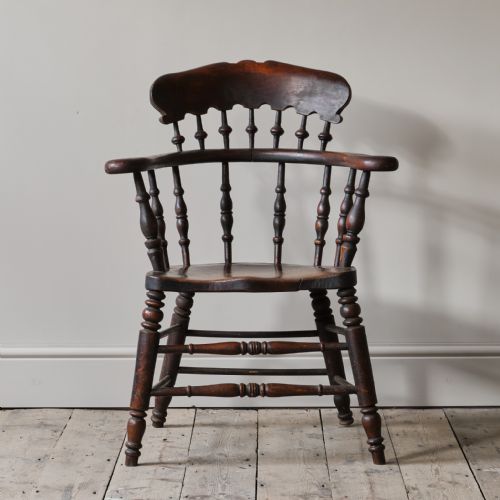
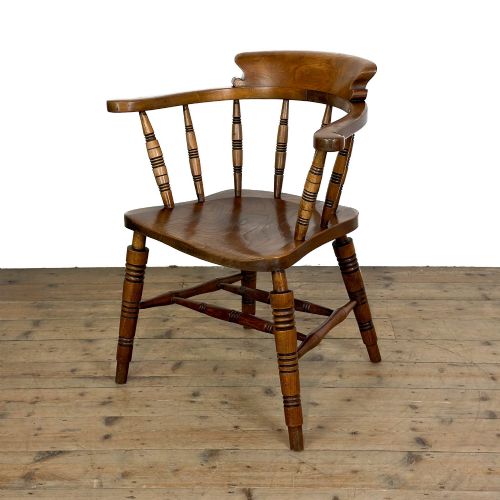
- A low-backed Windsor armchair featuring a rounded continuous arm bow and turned spindles, commonly used in domestic and public interiors. These chairs offer compact dimensions and sturdy elbow rests.
- Wheelback
- A Windsor chair variation featuring a pierced splat carved or shaped in the outline of a spoked carriage wheel. This decorative motif became popular during the nineteenth century.
Brown Oak Windsor Chair: Frequently Asked Questions
How do I identify an eighteenth century windsor chair?
Eighteenth century examples typically display lower, wider proportions with deep saddle seats carved by hand from single elm planks. They often feature regional traits like comb backs or heavy hoop frames constructed entirely from native hardwoods.
Look closely at the underside of the seat for traditional wedge-tenon leg joints and tool marks left by adzes and drawknives. Earlier pieces show a vernacular simplicity and structural honesty distinct from later mass-produced variations.
Are windsor chairs comfortable for daily use?
These chairs are remarkably comfortable for daily dining or desk work due to their ergonomically sculpted saddle seats. The contoured wooden surface distributes weight naturally without requiring padded upholstery.
Pairing an armchair with matching side chairs creates a functional seating arrangement around a kitchen or dining table. Adding a loose sheepskin or a simple linen cushion provides extra softness for extended sitting.
What is a smokers bow chair?
A smoker's bow is a sturdy, low-backed Windsor armchair designed for domestic parlours, inns, and smoking rooms during the nineteenth century. It combines the solid plank seat of a Windsor with a rounded, continuous arm rail supported by turned spindles.
These compact armchairs provide robust support and easily tuck beneath standard table heights. Their versatile scale makes them popular choices for studies, kitchens, and reading corners today.
How should I care for an antique wooden chair?
Maintain the timber by applying a microcrystalline wax or traditional beeswax polish sparingly to nourish the dry wood surface. Avoid placing the chair near direct heat sources, radiators, or strong sunlight, which can cause the timber to split or warp.
Check the leg joints and undercarriage periodically to ensure the wedges remain secure within their sockets. Gentle dusting with a dry cloth keeps the historic patina intact without stripping the aged finish.