

Brown Oak Tea Table
A brown oak tea table brings rich grain and sturdy vernacular character to a room, ranging from early Georgian tripod forms to Edwardian serving trolleys.
Brown Oak Tea Table
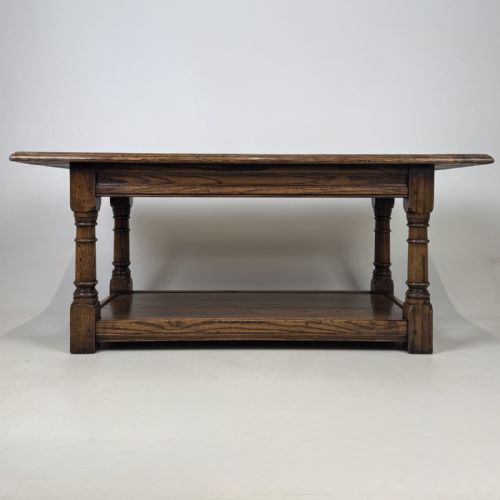
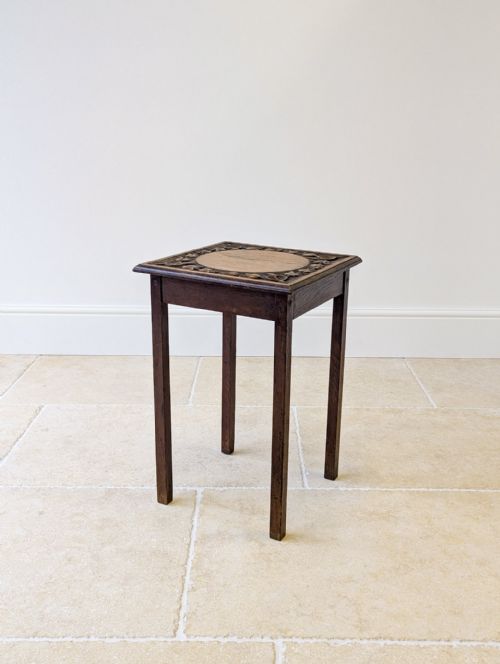
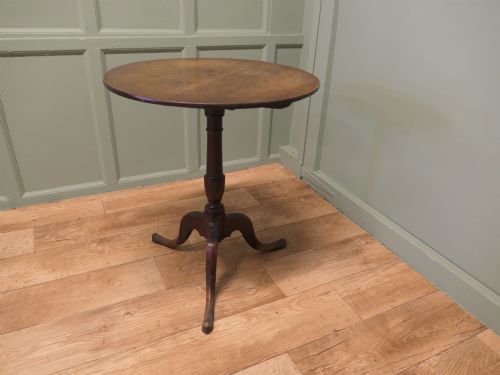
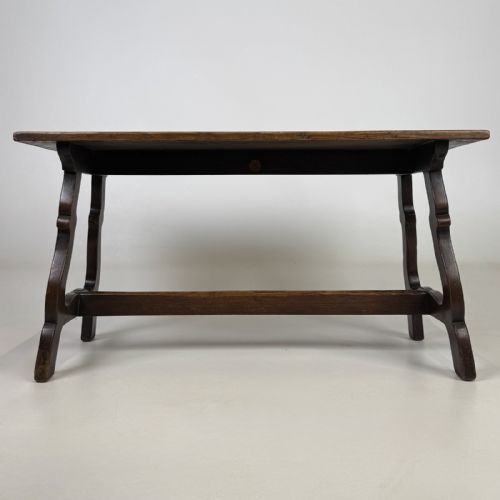
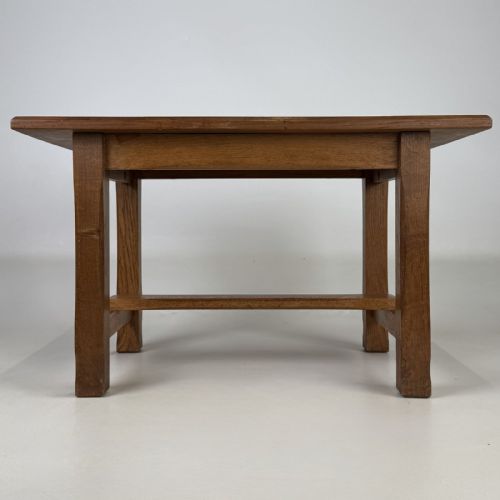
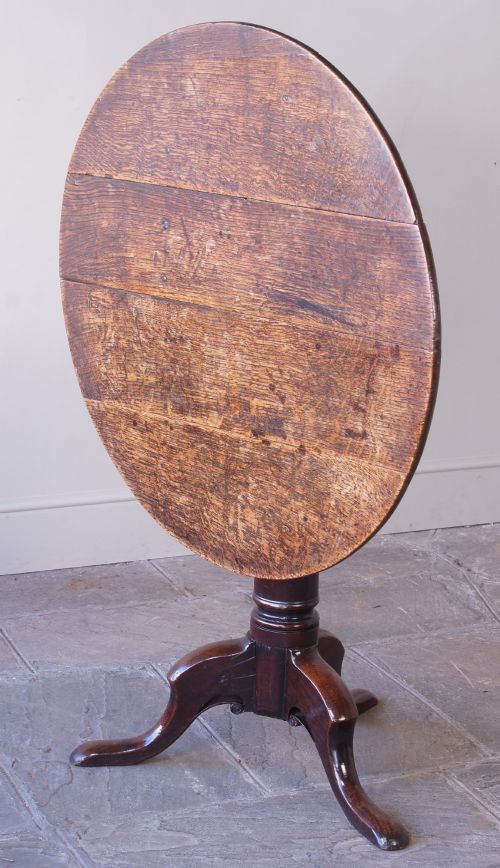
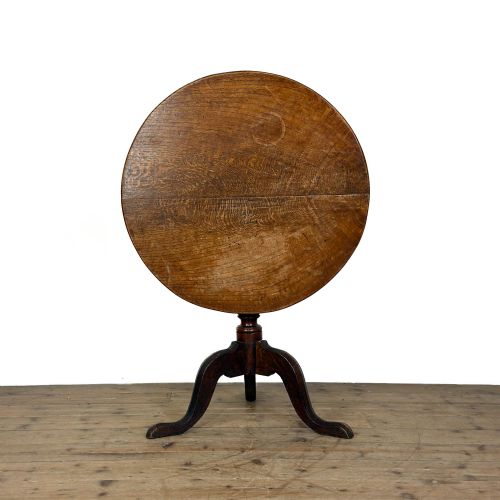
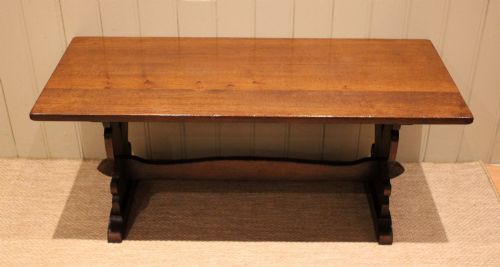
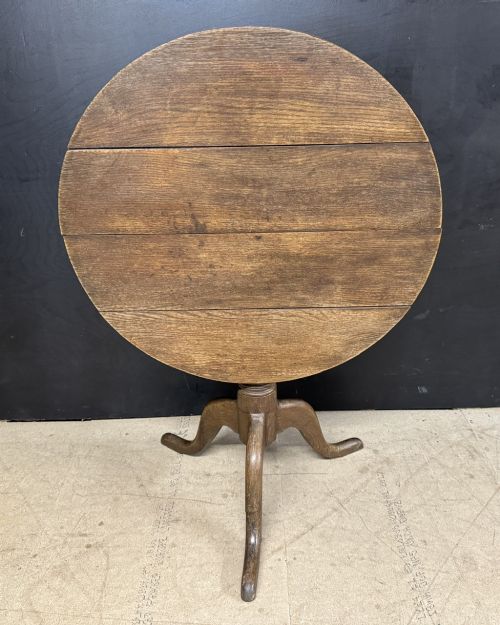
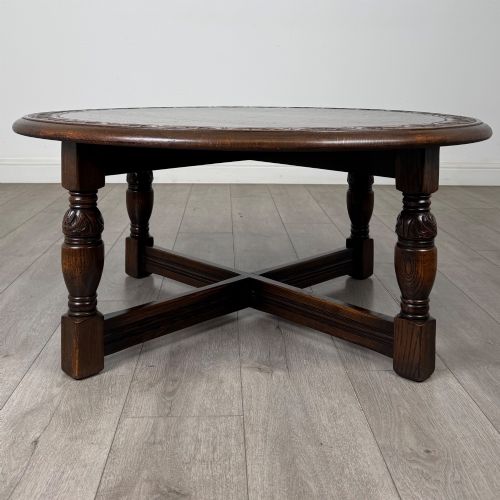
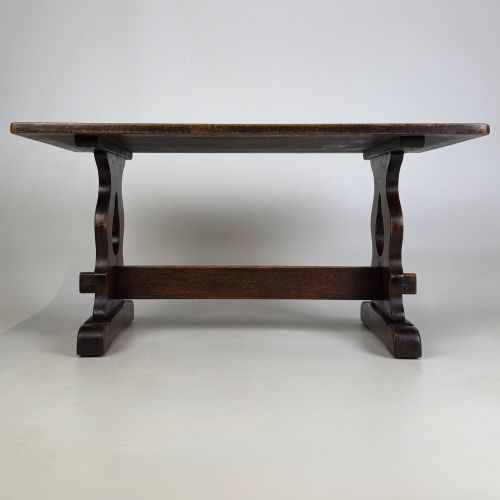
When you search for a brown oak tea table, you encounter a diverse array of domestic timber furniture spanning the eighteenth, nineteenth, and early twentieth centuries. The selection on this page leans heavily towards Edwardian side and coffee tables, alongside Georgian tilt-top tripod pieces and Victorian variants.
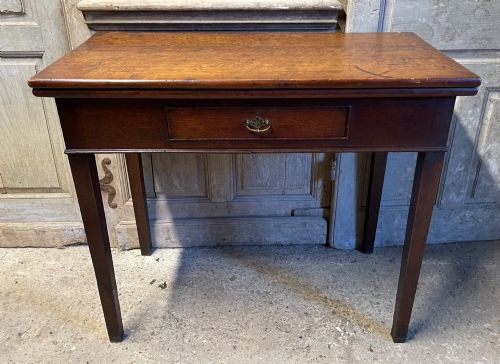
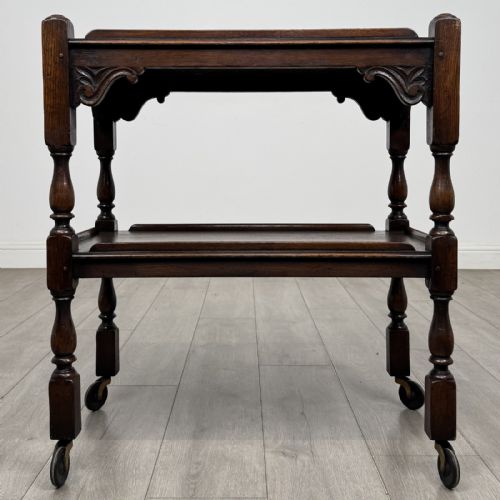
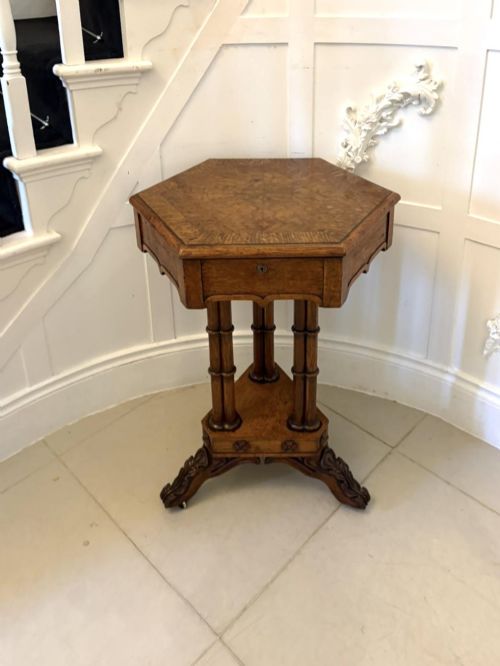
Makers produced these brown oak tea tables in various formats, including serving trolleys, octagonal occasional tables, and folding card tables. Vernacular country pieces sit alongside Glasgow School and Arts and Crafts interpretations, showing how domestic habits changed from formal tea service to casual entertaining.
Assessing Craftsmanship and Condition
The distinction between standard utility items and superior pieces rests in the selection of timber and the crispness of the carving. Tables featuring well-figured pollard oak or deliberate Arts and Crafts detailing command greater attention than plain, mass-produced examples.
Proportion and structural integrity define the upper tier of these tables. Items retaining original tilt mechanisms, unblemished ceramic tiles, and smooth-running trolley wheels demonstrate superior workshop execution.
Brown Oak Tea Table Retail Price Guide 2026
Typical asking prices for brown oak tea table among the pieces listed under this phrase on Sellingantiques today, from the lower quarter to the upper quarter. They describe what is for sale here now, not the wider market.
Several tables feature built-in ceramic tiles, perfect for resting a damp teapot without scalding the timber top.
Liberty's
The Brown Oak Tea Table Glossary
- Pollard oak
- Timber taken from trees that were pollarded, resulting in rich, densely figured knots and swirling patterns across the tabletop.
- Tilt-top
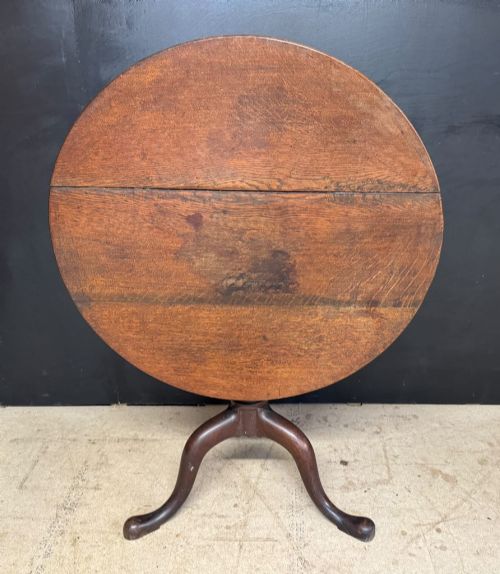
- A table mechanism featuring a catch that allows the top to pivot vertically for storage against a wall when not in use.
- Tripod table
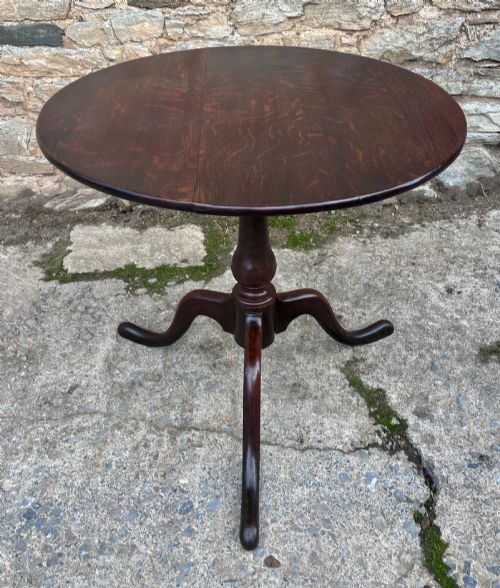
- A small freestanding table supported by a central pillar resting on three spreading feet, common in the eighteenth century.
- Cricket table
- An early three-legged small table with a round top, traditionally balanced on uneven farmhouse floors.
Brown Oak Tea Table: Frequently Asked Questions
What is a brown oak tea table used for?
These tables serve primarily as occasional surfaces for drinks, books, or display within living spaces. Earlier vernacular versions often functioned as tilt-top tables or card tables in country houses.
Later Edwardian iterations include serving and afternoon tea trolleys equipped with wheels for moving refreshments between rooms.
How do I date an oak tilt-top table?
Dating relies on observing the construction of the pedestal, the latch mechanism, and the shaping of the legs. Eighteenth-century examples often feature delicate birdcage actions and slender tripod bases.
Victorian and Edwardian pieces tend to show heavier turned columns, broader legs, and more robust carving styles.
What is pollard oak?
Pollard oak comes from trees pruned decades prior to encourage dense, branching growth, producing a heavily textured wood grain. Cabinetmakers utilised this timber on decorative surfaces such as occasional and centre tables.
The resulting patterns display dark swirling rings and tight clusters that distinguish it from standard straight-grained oak.
Are these tables solid oak?
The listings here consist predominantly of solid oak and pollard oak timbers, occasionally accented with materials like brass, ceramic, and ebony. Craftspeople utilised the dense nature of oak to build sturdy frames that survived centuries of domestic use.
Secondary woods sometimes appear in interior linings, but the primary surfaces remain true to the description.