


Antique Oak Tilt Top
An antique oak tilt top table brings centuries of practical English and continental craftsmanship into a room, folding away neatly when not in use.
Antique Oak Tilt Top
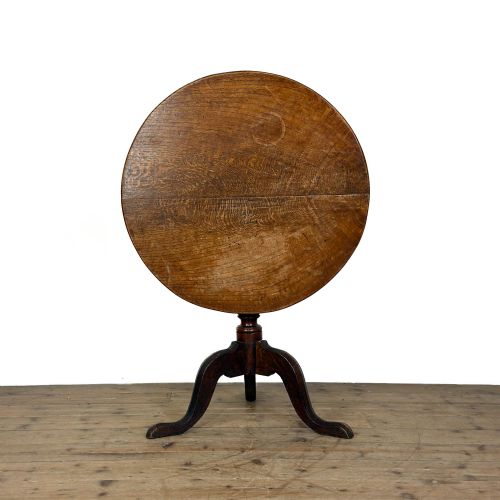
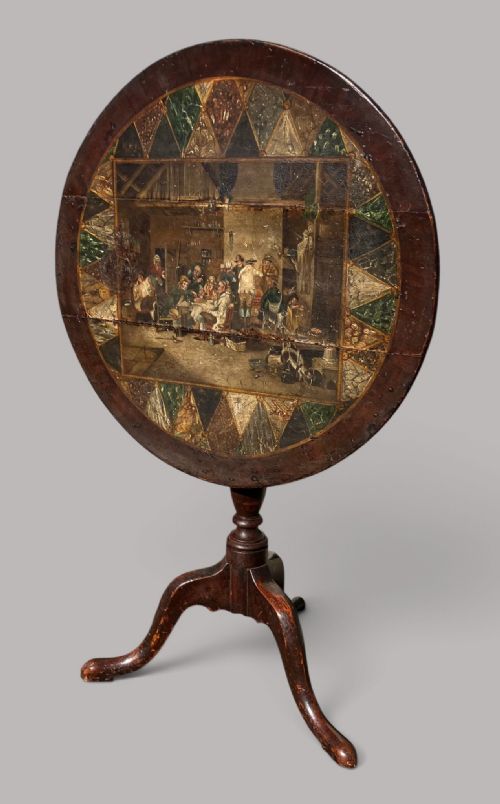
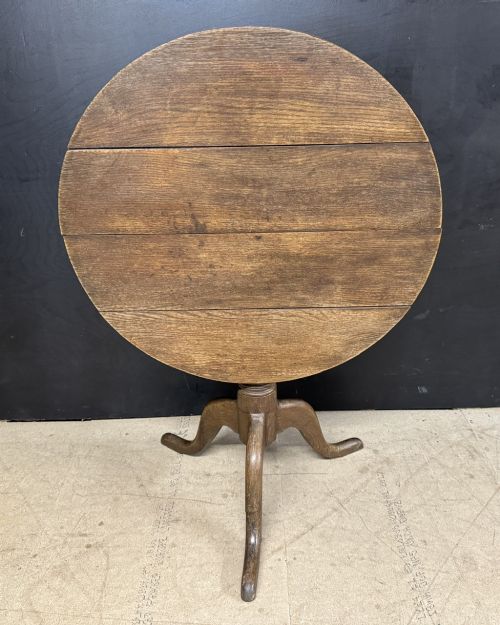
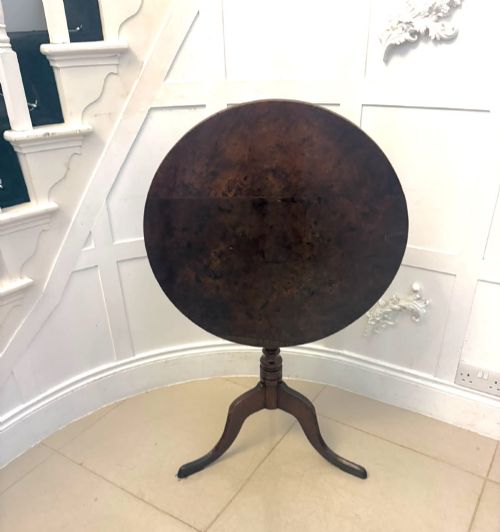
The search for an antique oak tilt top reveals versatile occasional tables, side pieces, and breakfast furniture designed with a hinged mechanism that allows the surface to pivot into a vertical position for storage against a wall.
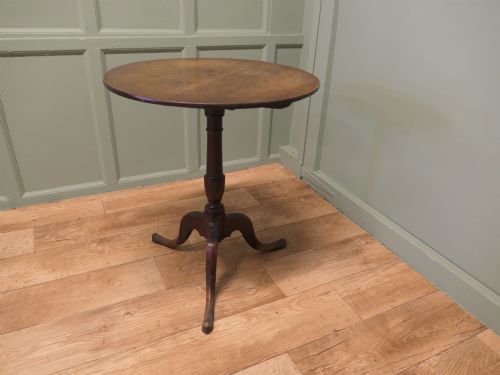
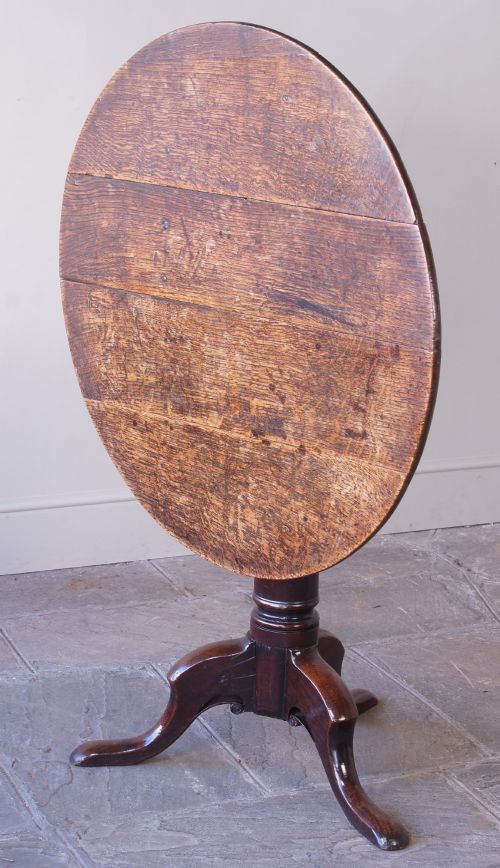
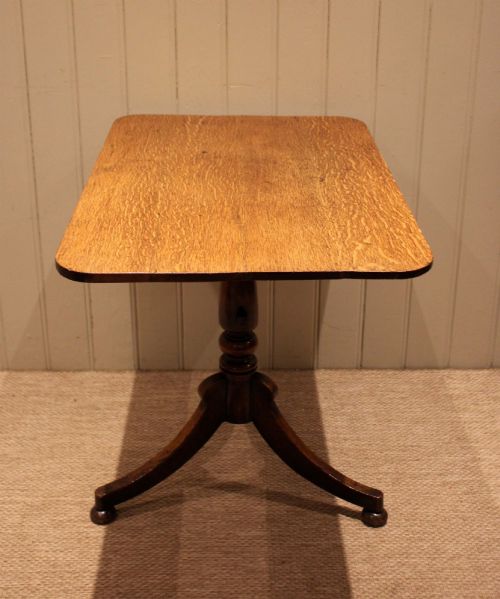
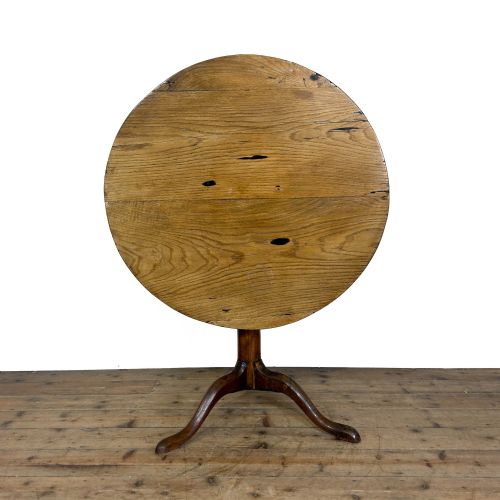
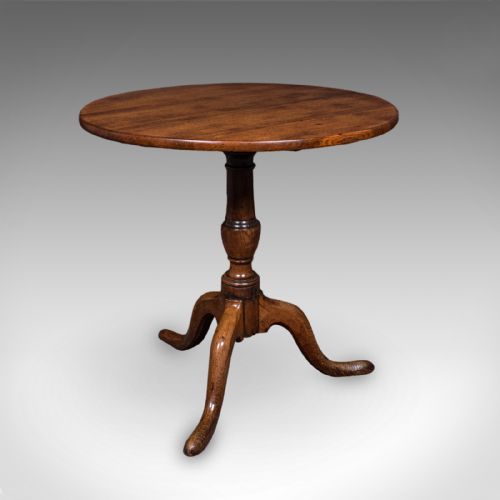
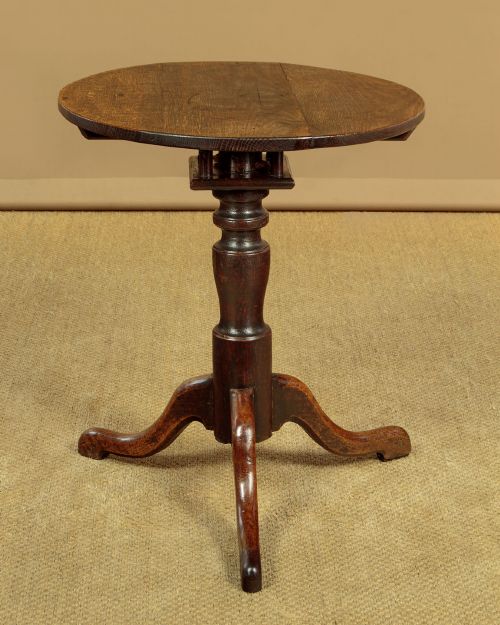
Most examples found here date from the eighteenth and nineteenth centuries, taking the form of circular tripod tables with birdcage or block pivots, alongside broader breakfast and dining formats.
Makers across English, Welsh, Scottish, and French provincial workshops produced these pieces in solid timber, utilising the dense grain of native oak as well as figured variants like burr and pollard.
How they were made
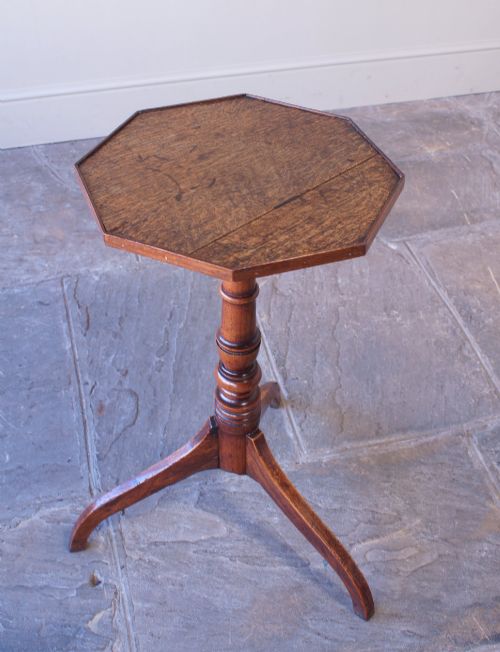
Carpenters constructed these tables using solid oak planks for the tops, often supported by turned pedestals and three-legged tripod bases shaped from fruitwood, beech, or oak itself.
The tilting mechanism relied on simple wooden catches, brass fixtures, and pivoting blocks that allowed the heavy top to lock securely into the horizontal position during use.
Antique Oak Tilt Top Retail Price Guide 2026
Typical asking prices for oak tilt top among the pieces listed under this phrase on Sellingantiques today, from the lower quarter to the upper quarter. They describe what is for sale here now, not the wider market.
Some Victorian parlour tables carry zodiac carvings or felt-lined surfaces intended specifically for late-night card games and fortune telling.
What varies in quality
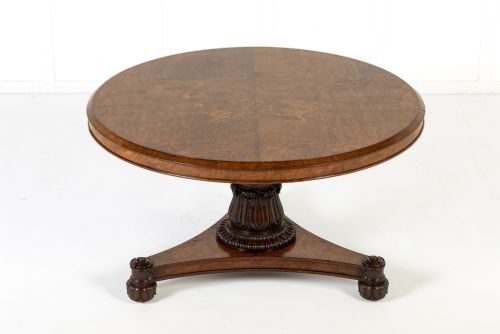
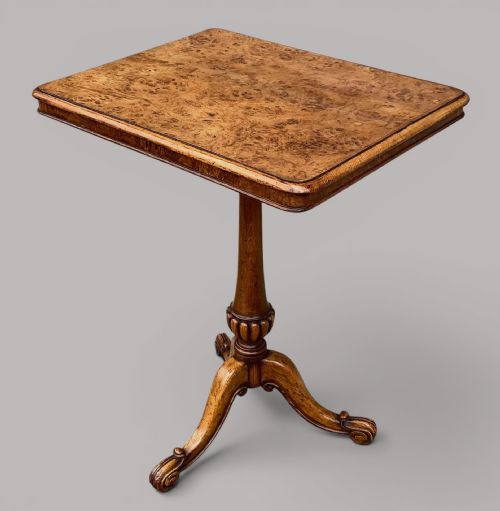
The distinction between standard utility pieces and superior examples lies in the selection of timber, particularly where figured burr oak, pollard oak, or rich fruitwood veneers are employed on the top.
Proportion and turning define the better workshop output, visible in slender, well-balanced pedestal stems and crisply carved tripod legs rather than heavier, plain utility framing.
The Antique Oak Tilt Top Glossary
- Tilt top
- A table mechanism featuring a hinged surface that pivots vertically to save floor space when the piece is not in use.
- Tripod table
- A freestanding small table supported by a central pedestal branching into three feet.
- Burr oak
- Timber taken from the burls or growths on an oak tree, producing a highly figured, swirling grain pattern.
- Pollard oak
- Wood harvested from trees that have been pollarded, creating dense and decorative growth rings across the surface.
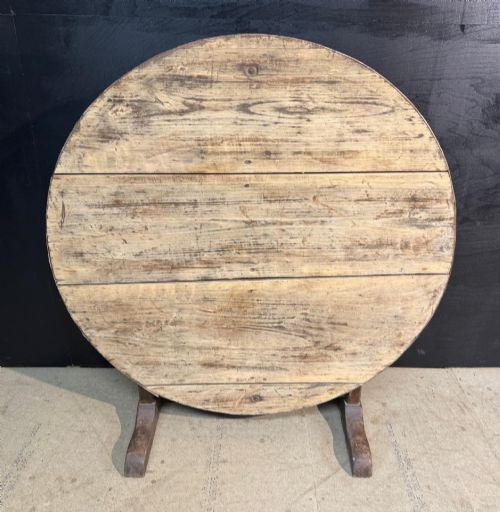
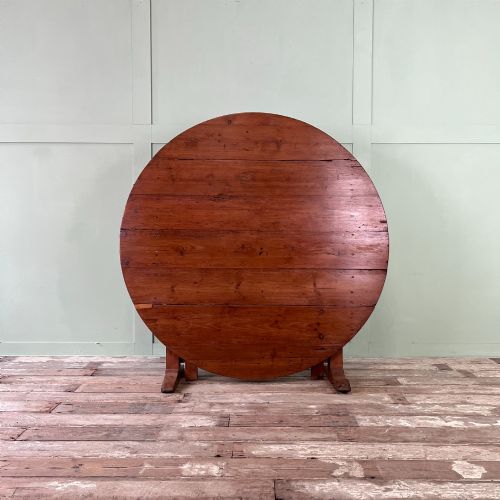
- Vendange table
- A French provincial folding wine or harvest table designed to drop flat for seasonal storage.
Antique Oak Tilt Top: Frequently Asked Questions
What is an antique oak tilt top table?
These are small occasional or breakfast tables featuring a hinged mechanism that allows the wooden surface to stand upright. They were historically used in parlours and drawing rooms where floor space needed to be cleared quickly.
Most surviving examples rest on a central pillar supported by three legs, combining stability during meals with the convenience of compact storage against a wall.
How do you operate the tilt mechanism?
A wooden catch, brass latch, or pivoting block beneath the top secures the surface in its flat, horizontal position. Lifting or sliding this catch releases the pivot so the top swings vertically.
Care should be taken when operating older mechanisms to support the weight of the timber and avoid straining the historical hinges and blocks.
Where were these tables made?
Production spans English, Welsh, Scottish, and French provincial workshops, reflecting regional preferences in turning styles and timber selection. English and Welsh examples frequently employ straightforward native oak and fruitwood.
Continental pieces, such as French vineyard or vendange tables, often incorporate folding frames alongside cherry and oak boards suited to seasonal agricultural use.
How do I date an oak tilt top table?
Dating relies on observing construction methods, leg profiles, and timber preparation. Eighteenth-century versions often feature pegged tenons, pegged tripod joints, and simpler turned pedestals.
Nineteenth-century pieces frequently display heavier Victorian proportions, factory-cut screws, or decorative carving such as the geometric motifs found on parlour and tarot tables.