



Circular Side Table Oak
A circular side table oak piece is a compact timber stand designed for drinks or lamps, prized for its honest grain and versatility.
Circular Side Table Oak
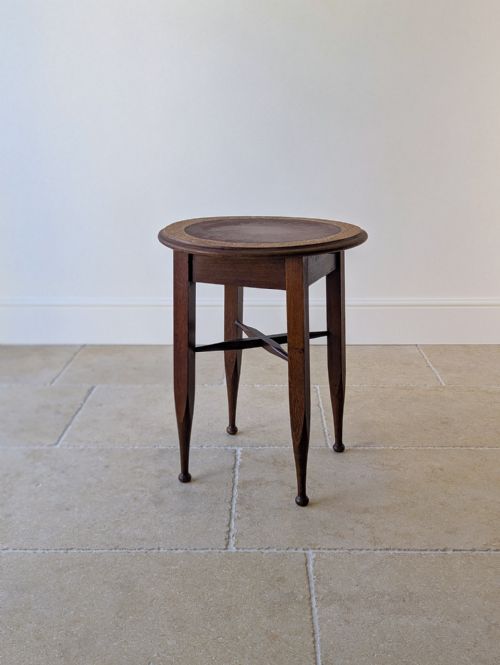
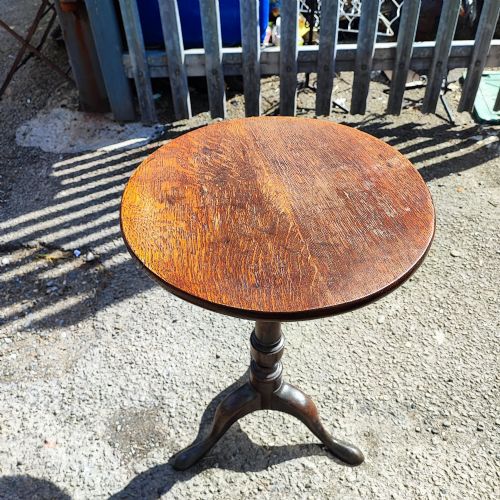
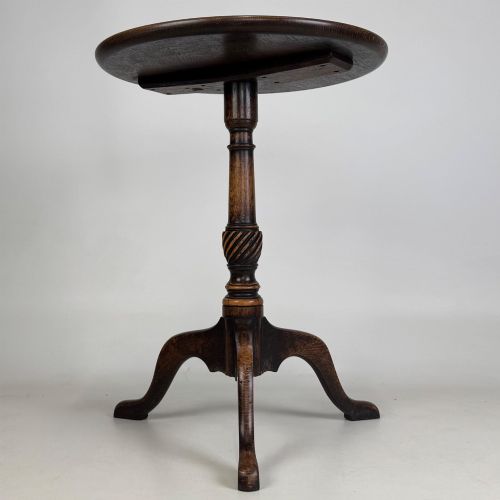
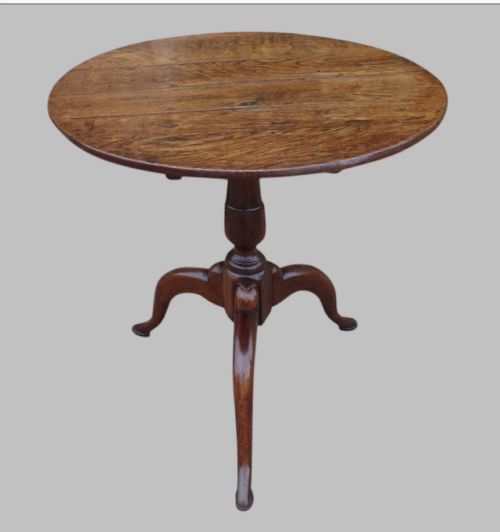
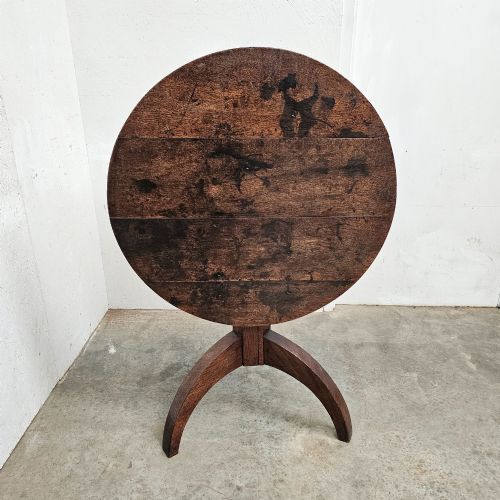
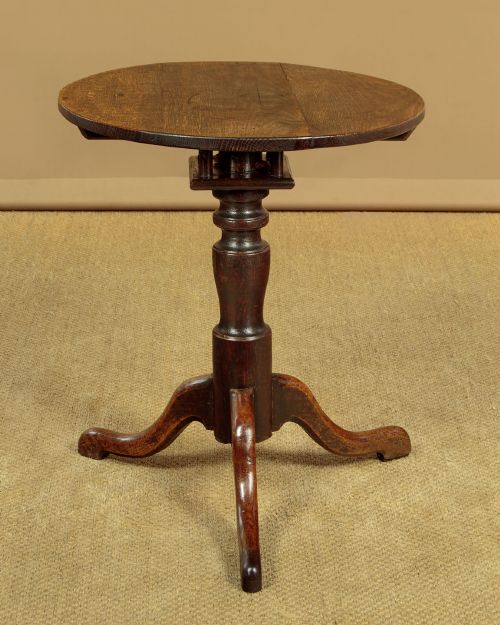
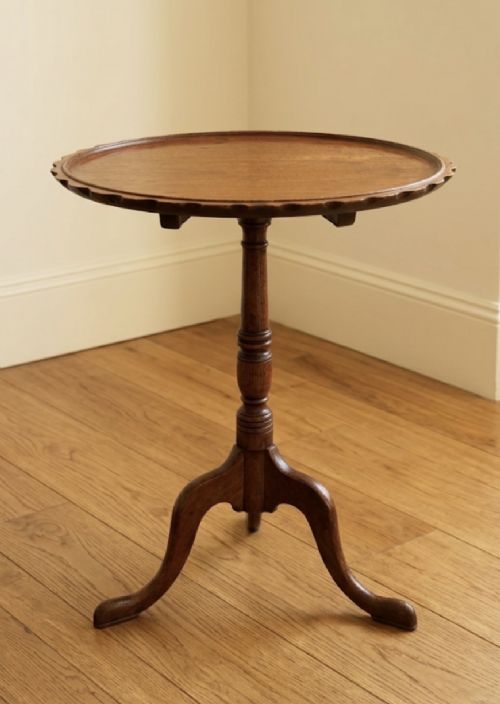
A circular side table oak piece stands on three legs or a central column, offering a compact surface suited for tight corners beside seating.
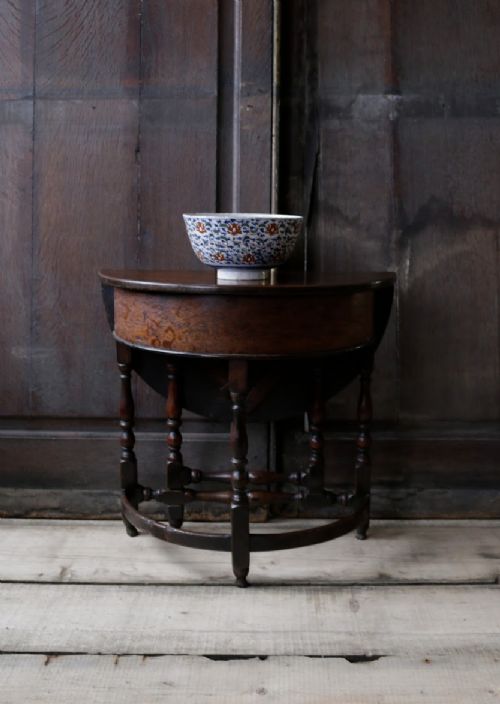
The pieces appearing here span from the 17th century through the Georgian and Victorian eras up to Edwardian and Art Deco designs, taking forms like wine tables, cricket tables, and tilt-top tables.
Country workshops and vernacular makers produced many of these tables, utilising robust regional timber rather than grand formal veneers.
How They Were Made
Cabinet makers constructed these tables primarily from solid oak, sometimes incorporating burr oak, fruitwood, mahogany, or walnut, joined with traditional pegged joints and turned central pedestals.
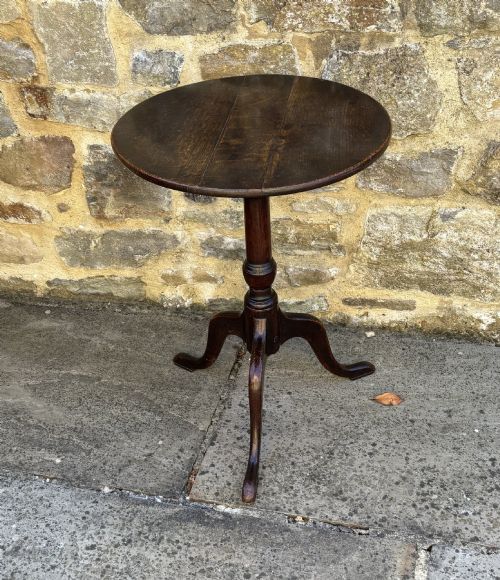
Many 18th-century examples utilise a tilt-top mechanism with a birdcage or catch, allowing the circular top to swing vertically when not in service.
Listings feature oak alongside iron, brass, paint finishes, and fruitwood across Georgian, Victorian, and Arts and Crafts styles.
What Varies in Quality
Quality rests in the weight and selection of the timber, where dense burr figuring or thick solid planks elevate a piece above standard utility items.
The turning of the pedestal and the tightness of the tripod leg joints dictate the structural integrity and the fidelity of the period craftsmanship.
Titchmarsh and Goodwin
The Circular Side Table Oak Glossary
- Tripod table
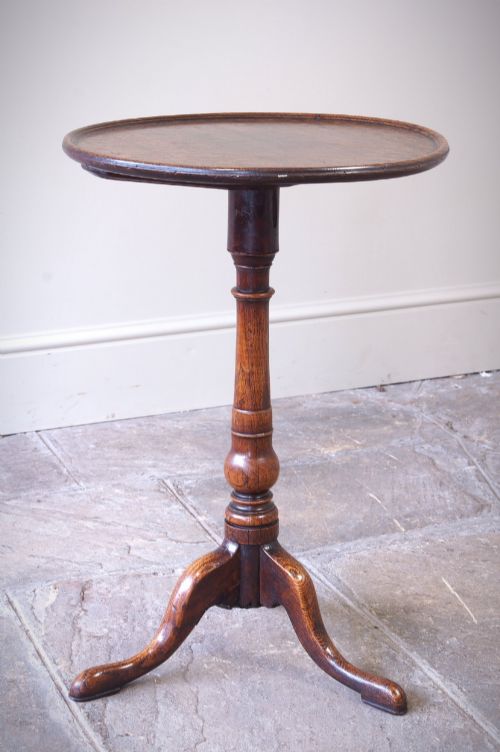
- A small freestanding table supported by three legs radiating from a central pillar. These formats became common during the Georgian period for tea or wine service.
- Cricket table
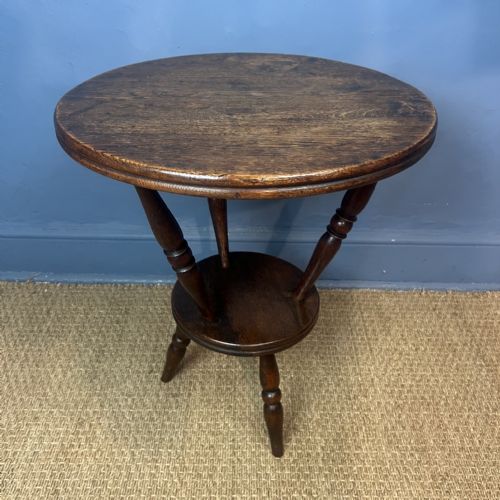
- A small circular table with three splayed legs and often a lower shelf. Early versions appeared in vernacular English contexts.
- Tilt-top
- A hinged table top that pivots to stand vertically. This allowed the furniture to be stored flat against a wall when not in use.
- Vernacular
- Everyday domestic furniture made by local craftsmen for regional use rather than high-style metropolitan workshops.
- Burr oak
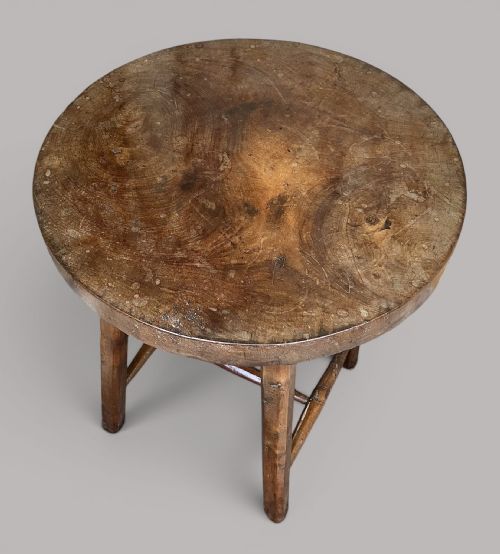
- Timber taken from a tree growth where the grain has swirled into intricate patterns. It produces highly decorative surfaces on table tops.
Circular Side Table Oak: Frequently Asked Questions
What was a circular side table oak used for?
These tables served primarily for holding tea services, wine decanters, or reading lamps beside seating areas in period homes.
Their portable nature meant they could easily move around a room as needed throughout the day.
How do I tell a Georgian oak table from a Victorian one?
Georgian examples often feature simpler, lighter construction with tilt mechanisms and pad feet, dating from the 18th century.
Victorian pieces frequently display heavier turned pedestals, occasional mahogany elements, or more robust revolving mechanisms.
How do I care for an antique oak table?
Keep the timber away from direct heat sources and sudden humidity changes to prevent the solid top from splitting.
Apply a traditional beeswax polish occasionally to nourish the grain and maintain the natural lustre of the surface.
Can I use an antique tripod table as a coffee table?
Most period tripod and wine tables stand too tall for modern low seating, functioning better as lamp or side stands.
Art Deco and later 20th-century oak designs found on this page offer lower profiles suited for modern coffee table use.