


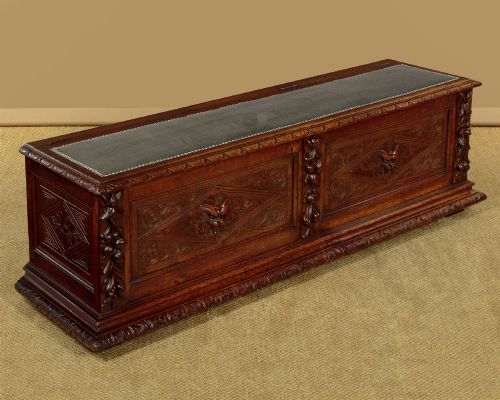
Brown Oak Seating
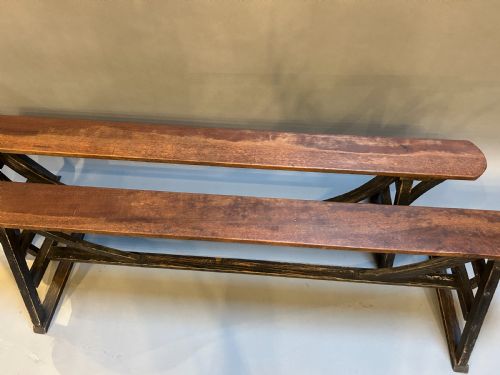
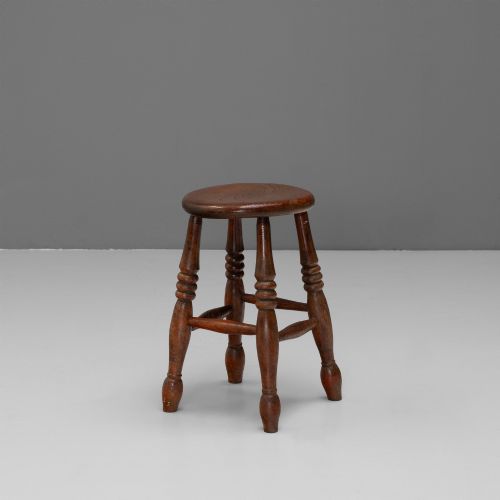
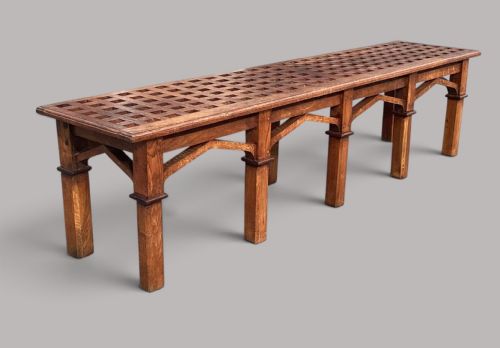
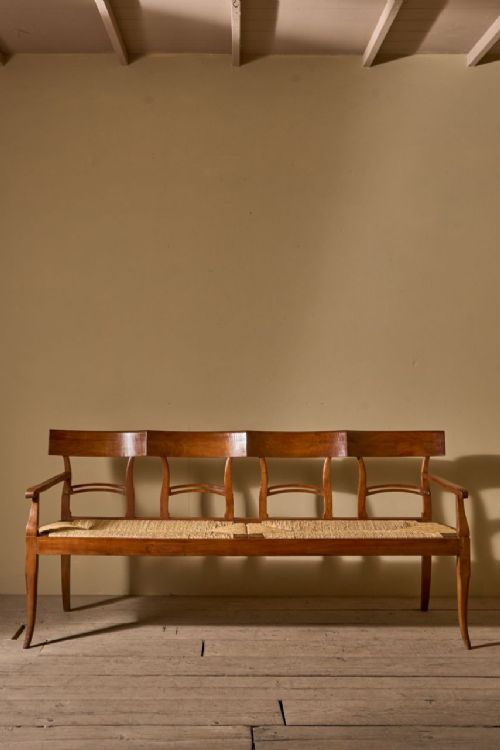
Brown oak seating comprises sturdy chairs, benches, and stools fashioned from characterful timber, prized by collectors for rich grain and historical patina.
Brown Oak Seating
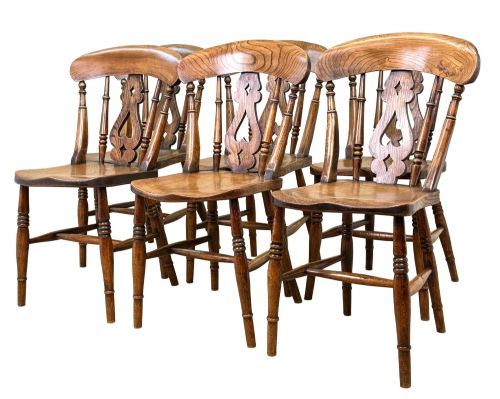
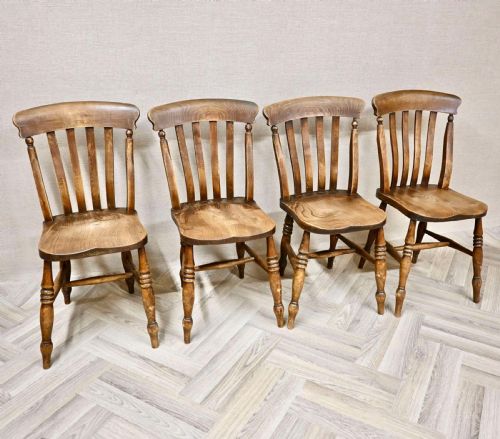
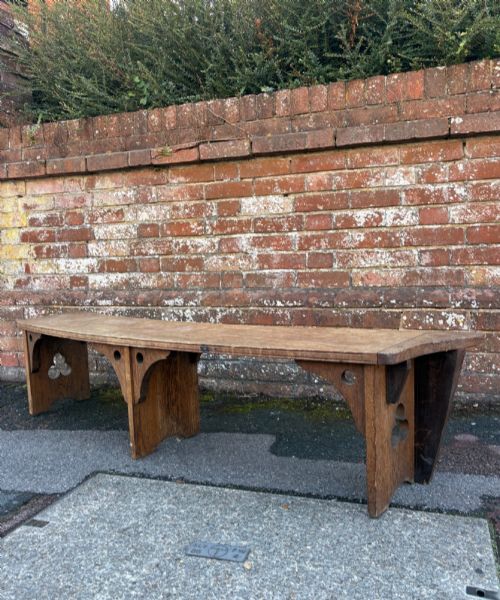
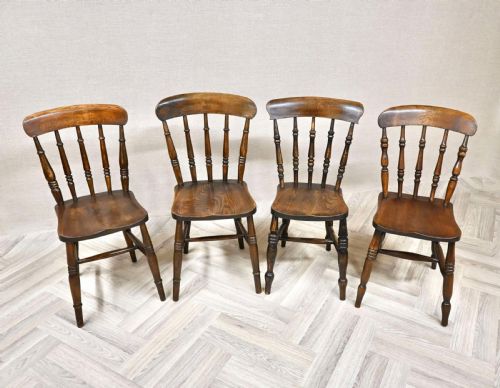
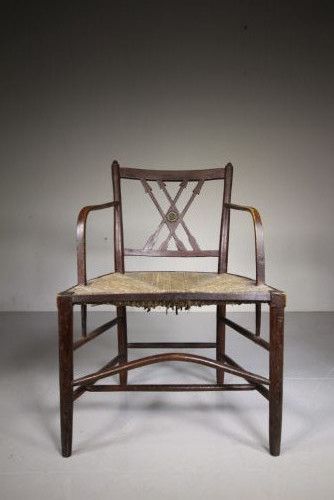
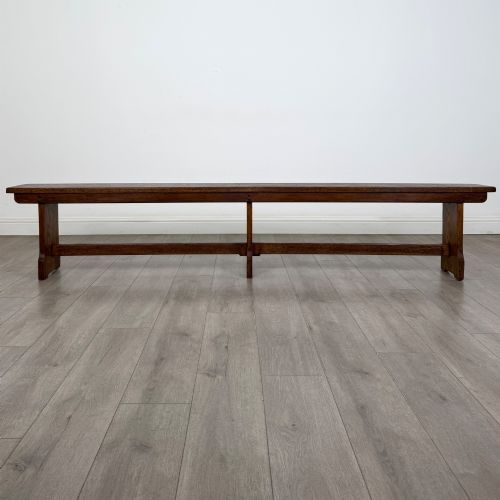
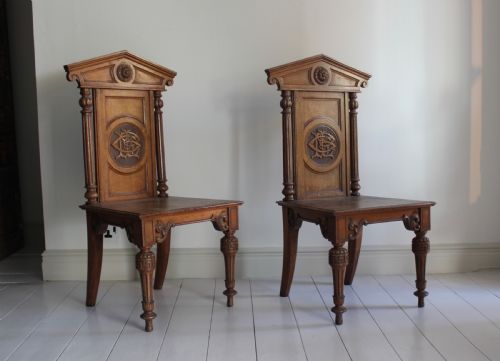
Brown oak seating encompasses a broad array of forms including dining chairs, armchairs, stools, benches, settle seats, and hall chairs. Buyers seeking brown oak seating will frequently encounter nineteenth-century pieces alongside examples from the eighteenth century, the Victorian era, and the Edwardian period.
The domestic and public interiors of past centuries relied heavily on these robust wooden seats, ranging from simple country Windsor chairs and tavern stools to formal Victorian dining sets and carved hall benches. English country traditions and Gothic or Jacobean revivals heavily influence the designs found within this category.
What varies in quality
The integrity of the timber and the depth of the natural colour separation mark the distinction between standard utilitarian items and superior examples. Grain figuration in the oak, alongside crispness in hand-carved details such as trefoil supports or shield backs, dictates desirability.
Original surface treatments, whether aged paint, untouched beeswax polish, or patinated leather upholstery, preserve the historical authenticity far better than modern interventions or excessive cleaning.
Listings feature oak combined with materials such as rush, leather, elm, and brass across periods spanning the eighteenth, nineteenth, and early twentieth centuries.
Liberty Morris And Co·GIllows
The Brown Oak Seating Glossary
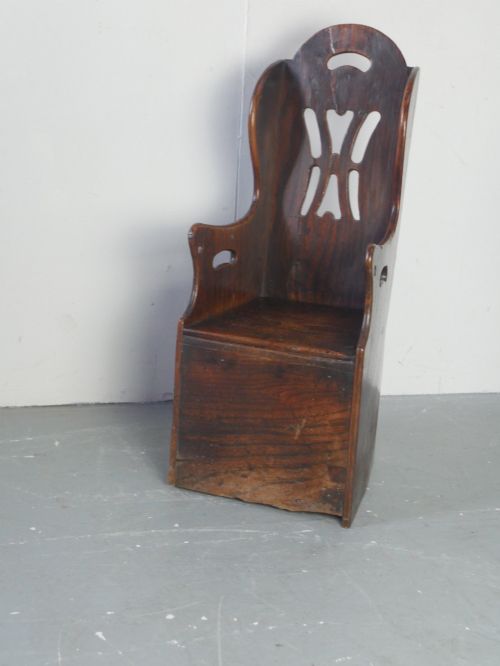
- Settle
- A wooden bench featuring a high back to block draughts and often incorporating a box seat beneath the hinged lid. These pieces served practical purposes in hallways and by hearths.
- Joint stool
- An early form of wooden stool constructed with pegged mortise and tenon joints rather than turned legs inserted into a seat. They provided sturdy seating or tables before chairs became common.
- Windsor chair
- A chair built with a solid wooden seat into which the legs and back spindles are directly fitted. Country makers often shaped these from mixed timbers like oak and elm.
- Lathe back
- A chair back constructed with turned wooden spindles shaped on a lathe. These appear frequently on nineteenth-century kitchen and dining seating.
- Rush seat
- A seating platform woven from dried marsh rushes or sedge over a wooden frame. This technique creates a resilient and flexible surface found on country and Arts and Crafts chairs.
Brown Oak Seating: Frequently Asked Questions
How do I identify a Georgian bench?
Georgian benches and settles typically exhibit simpler lines, heavy pegged joints, and solid oak construction characteristic of the eighteenth century. Details like panelled backs and substantial arm supports help distinguish them from later Victorian revivals.
Examination of the underside and fixings often reveals hand-tool marks and construction methods consistent with eighteenth-century workshop practices.
Were these chairs used outdoors?
Most brown oak seating was designed for interior domestic use in dining rooms, halls, and kitchens, though specific garden room items like Lloyd Loom and oak hybrids appeared later. Using indoor antique seating outside exposes the timber and traditional joinery to damaging moisture.
Historic finishes and natural glues degrade quickly when subjected to weathering, making interior placement essential for preservation.
What is a hall chair?
A hall chair is a rigid wooden seat designed primarily for placement in an entrance hallway rather than for long periods of comfort. These pieces often feature solid wooden seats, carved shield backs, or family crests.
They served to impress visitors upon arrival and provided temporary seating for callers waiting in the hallway.