


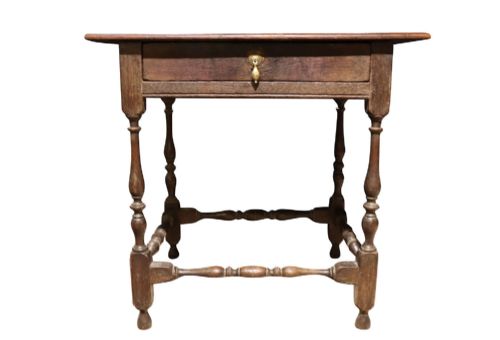
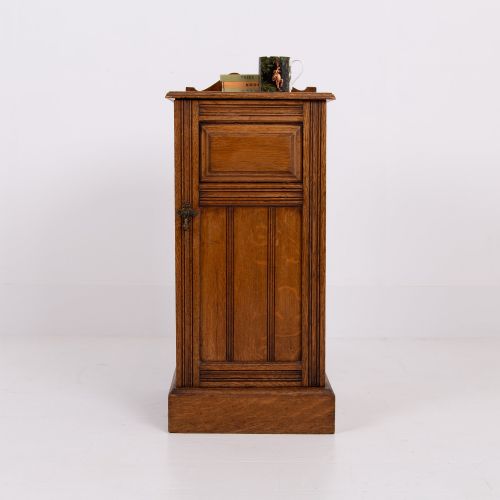
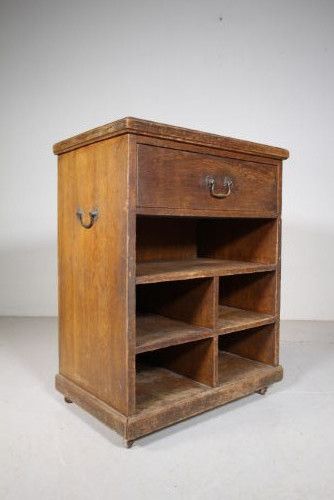
Brown Oak Nightstand
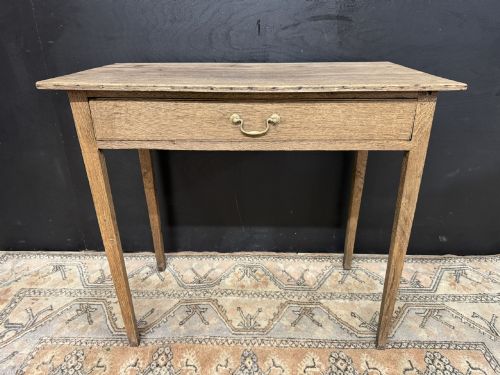
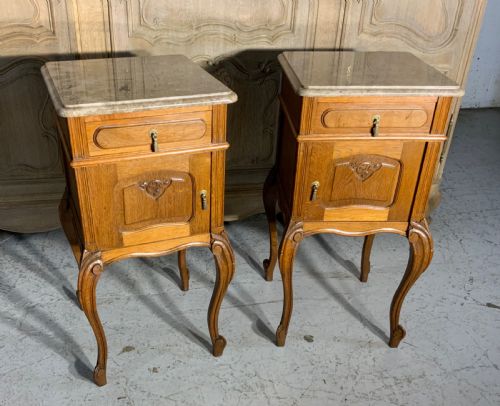
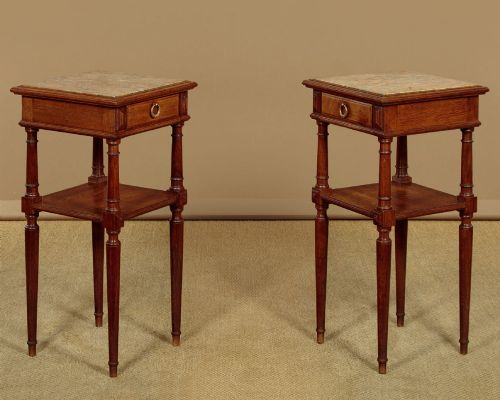
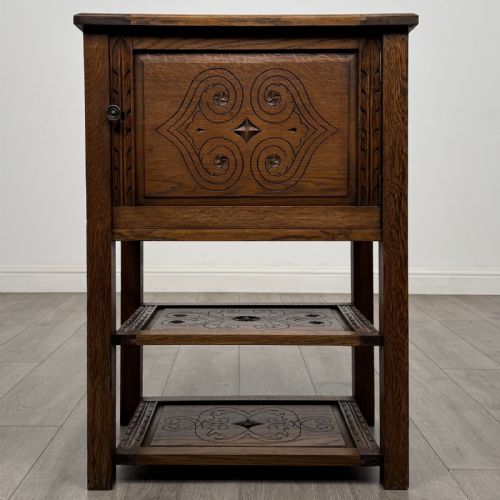
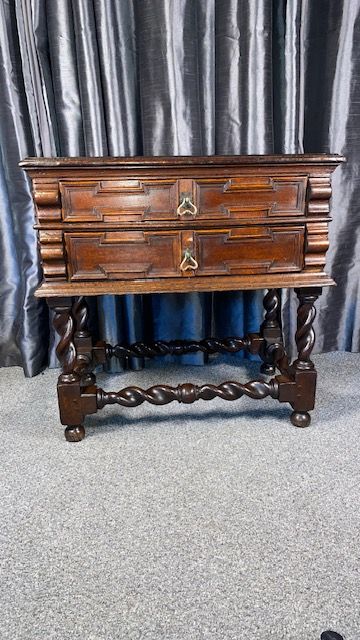
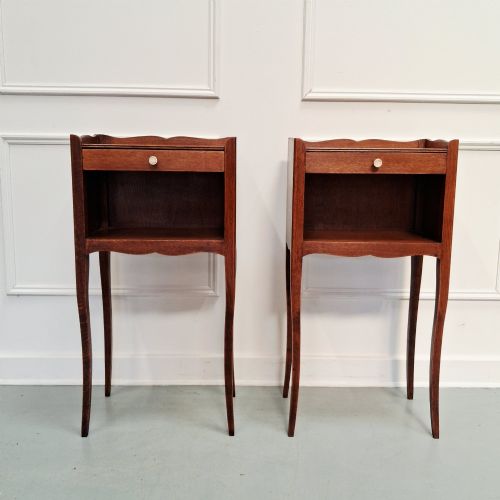
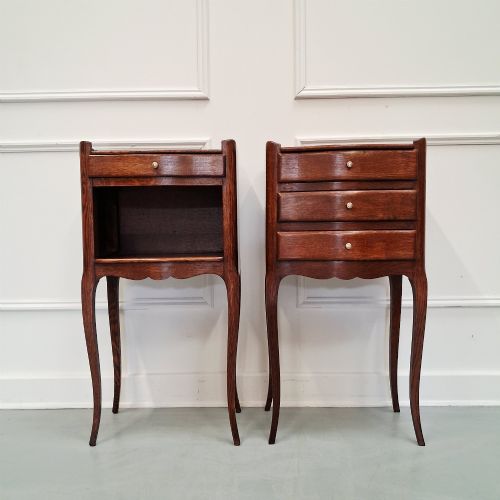
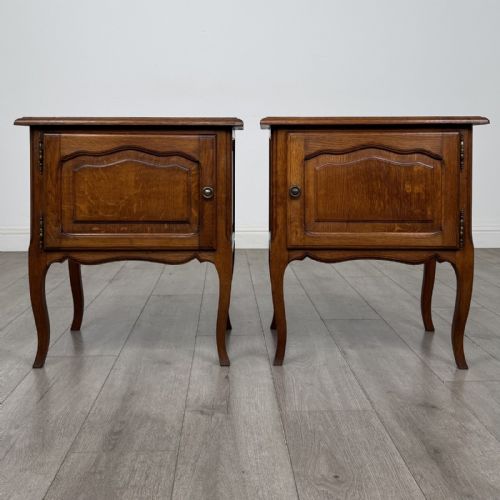
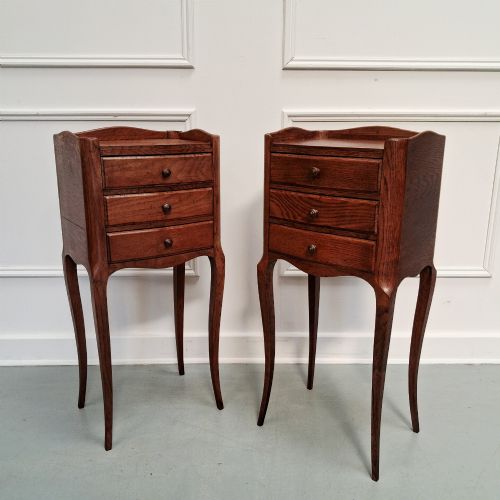
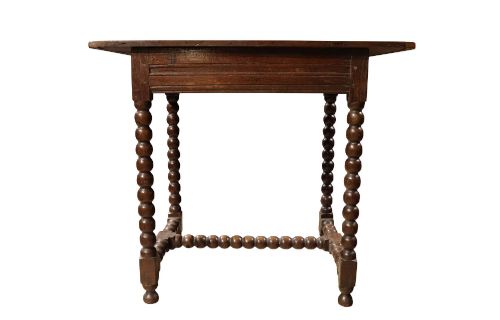
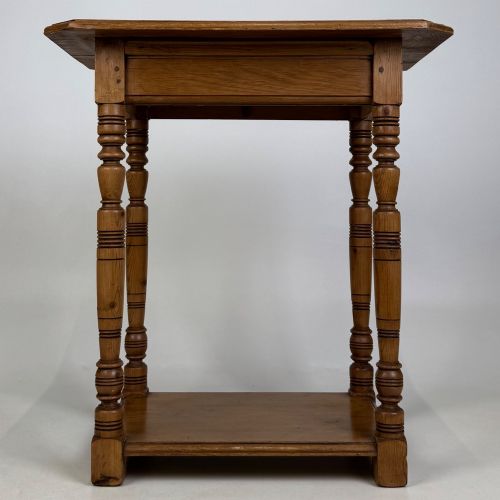
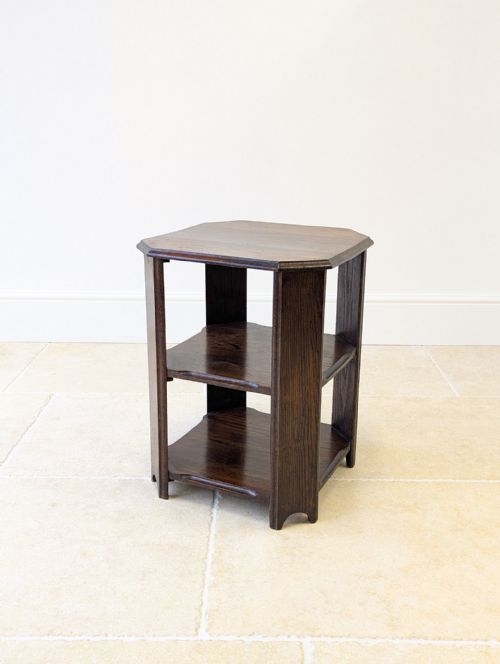
These brown oak nightstands and compact bedside tables bring sturdy timber character and practical bedside storage to a bedroom.
Brown Oak Nightstand
A brown oak nightstand brings compact timber utility to the bedroom, spanning forms from enclosed bedside cabinets to open side tables and close stools. When searching for a brown oak nightstand, buyers encounter diverse historic periods ranging from the eighteenth century through Victorian, Edwardian, and Art Deco eras. These pieces serve primarily to hold bedside essentials while introducing rich natural grain to domestic spaces.
The selection includes specific regional and stylistic variants such as French provincial cabinets, Gothic revival pieces, and Arts and Crafts designs. Side tables, bedside cupboards, and small chests of drawers make up the core of the available forms. Buyers often find matched pairs alongside individual examples originating from British and continental workshops.
Markers of Quality
Quality rests in the selection of the timber grain and the crispness of any carved ornamentation, such as foliage or linenfold motifs on cabinet doors. Superior examples display thoughtful proportions and harmonious integration of brass handles or marble surfaces.
Construction integrity distinguishes finer pieces, evident in smooth drawer operation, solid backboards, and tight joinery that withstands decades of bedside use. Maker attributions, whether through stamped signatures or distinct regional styling, further elevate a piece.
Brown Oak Nightstand Retail Price Guide 2026
Typical asking prices for brown oak nightstand among the pieces listed under this phrase on Sellingantiques today, from the lower quarter to the upper quarter. They describe what is for sale here now, not the wider market.
Listings feature brown oak nightstands and side tables spanning the eighteenth century through the Art Deco era, incorporating marble and brass.
Gomme·Hubert Simpson of Kendal·Heals
The Brown Oak Nightstand Glossary
- Close stool
- An eighteenth-century piece of furniture designed as a small bedside chest enclosing a commode pan. These items often double in appearance as compact cabinets.
- Frieze
- The decorative horizontal band situated beneath the top surface of a table or cabinet. Carved friezes frequently distinguish Edwardian and later pieces.
- Aesthetic movement
- A late nineteenth-century design style emphasising visual beauty over narrative subject matter. Cabinets from this period feature refined lines and characteristic hardware.
- Art Deco
- A twentieth-century style characterised by stylised geometric forms and streamlined silhouettes. Bedside cabinets in this manner often present clean oak surfaces and modern proportions.
Brown Oak Nightstand: Frequently Asked Questions
What defines a brown oak nightstand?
A brown oak nightstand is a small bedside table or cabinet constructed from oak timber displaying rich brown tones. These pieces provide surface space and enclosed storage next to a bed.
They appear in various period styles, including Edwardian, Art Deco, and Victorian designs, adapting traditional woodworking to compact domestic functions.
How do I care for antique oak furniture?
Maintain antique oak by keeping pieces away from direct heat sources and extreme humidity fluctuations that cause timber to split. Apply natural wax polish periodically to nourish the wood grain.
Avoid chemical cleaning agents and wipe surfaces gently with a dry or slightly damp cloth to preserve the historic finish.
Can I find matching pairs of nightstands?
Matched pairs frequently appear among French Art Deco cabinets and twentieth-century side tables. These sets offer symmetrical balance for flanking a larger bed frame.
Pairs often share identical hardware, timber selection, and carved details executed by the same workshop.
How do I identify the period of an oak nightstand?
Dating relies on examining construction methods, hardware types, and stylistic ornament such as Gothic revival tracery or Arts and Crafts simplicity. Secondary woods and interior drawer construction also provide clues to the era of manufacture.
Comparing structural details against documented examples helps confirm whether a piece is Georgian, Victorian, or twentieth-century.