

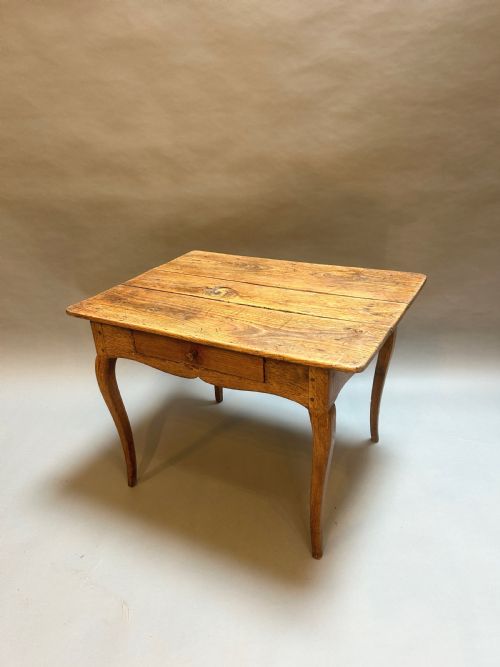
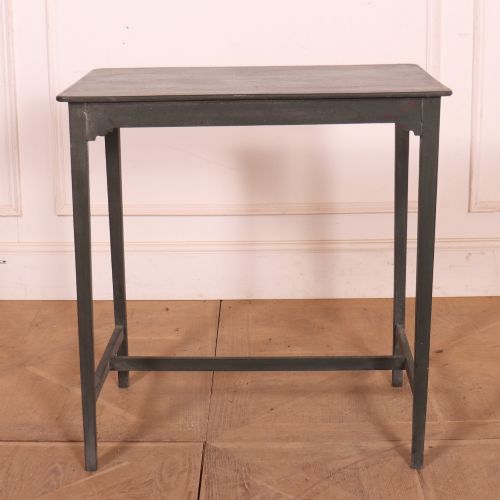


Rustic Oak Nightstand
These rustic oak nightstand examples combine practical bedside utility with the rich character of solid timber.
Rustic Oak Nightstand
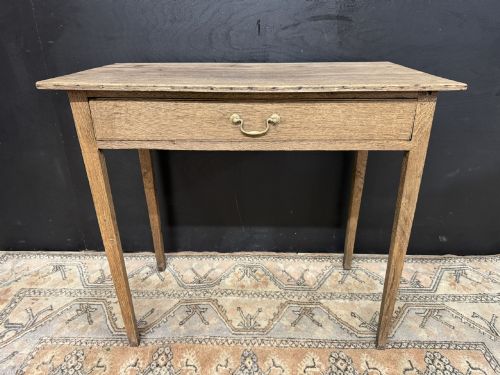
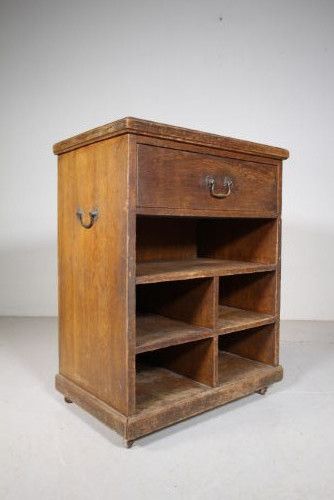
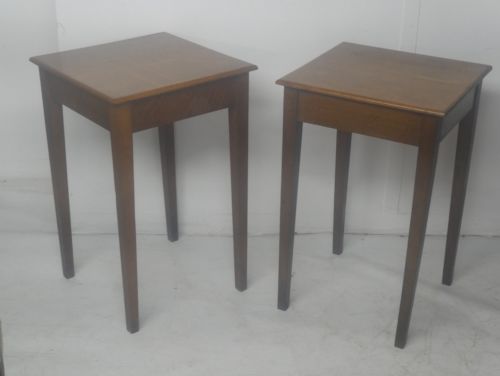
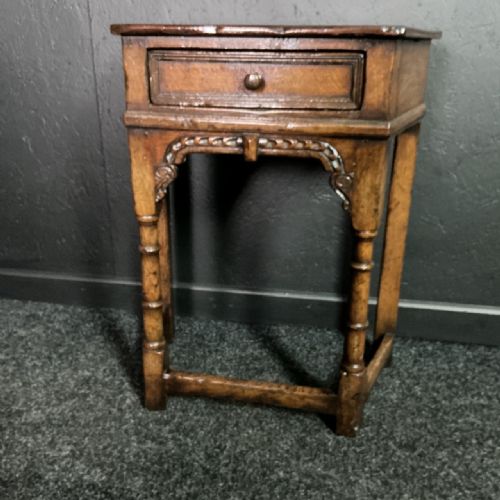
A rustic oak nightstand serves as a sturdy surface beside a bed, taking the form of bedside cabinets, side tables, lamp tables, and small chests of drawers. These pieces span periods from the eighteenth century through the Edwardian era and into the early twentieth century.
The selections on this page encompass various regional styles including English Country, French Provincial, Scottish Country, and Georgian Primitive. Buyers will find both open lamp tables and enclosed cupboards with carved friezes or panelled doors.
Makers and craftsmen utilised robust timbers such as oak, often paired with pine or enhanced with paint finishes. The forms range from simple utilitarian servant quarters pieces to decorative French bleached oak cabinets.
How They Were Made
Cabinet makers relied predominantly on solid oak, frequently supplemented by pine for secondary elements and supported by iron or brass hardware. Timber was chosen for its durability and prominent grain pattern, which lends each piece its distinct rustic quality.
Surface treatments vary from natural waxed finishes to bleached oak and painted wood. Carved details appear on friezes and panels, reflecting stylistic influences from Jacobean Revival to French Provincial traditions.
Rustic Oak Nightstand Retail Price Guide 2026
Typical asking prices for rustic oak nightstand among the pieces listed under this phrase on Sellingantiques today, from the lower quarter to the upper quarter. They describe what is for sale here now, not the wider market.
Listings feature pieces spanning from the mid-eighteenth century through to the Edwardian period and the 1930s.
What Varies in Quality
The integrity of the timber and the depth of the grain define the better examples within this group. Untouched patination and original painted surfaces command greater interest than heavily restored or later altered pieces.
Construction methods, such as traditional joinery and the retention of original brass or iron fittings, separate standard utility items from finer provincial craftsmanship.
The Rustic Oak Nightstand Glossary
- Bleached oak
- Oak timber treated to lighten its natural tone, a finish frequently seen on French provincial pieces.
- Bedside cabinet
- An enclosed piece of furniture designed to sit beside a bed, typically featuring a door and interior storage space.
- Lamp table
- A small occasional table originally intended for holding a light source, offering an open surface rather than enclosed storage.
- Georgian Primitive
- A style reflecting simpler, vernacular interpretations of formal Georgian design, often produced for regional or utilitarian use.
Rustic Oak Nightstand: Frequently Asked Questions
How do I date an old oak nightstand?
Dating relies upon examining construction marks, timber preparation methods, and the style of any carved details. Regional vernacular pieces often retain characteristics specific to their period of manufacture.
Comparing hardware and wood shrinkage patterns against known examples from the eighteenth and nineteenth centuries helps confirm the age of the piece.
What is the difference between a lamp table and a bedside cabinet?
Lamp tables provide an open surface with legs and sometimes a lower shelf, designed primarily for holding items like lamps. Bedside cabinets include enclosed storage behind a door or within a small cupboard.
Both serve similar functional roles beside a bed, but the choice depends on whether hidden storage is required.
Are painted oak nightstands original?
Many pieces feature historic paint finishes or painted pine and oak combinations applied during the nineteenth or twentieth centuries. Examining the wear and adherence of the paint helps determine its age relative to the timber.
Painted surfaces were common in various regional traditions, including English and French provincial workshops.
How do I care for a rustic oak surface?
Maintaining these surfaces involves applying traditional beeswax to nourish the timber and protect the grain. Avoiding excessive moisture and direct heat sources preserves the natural finish.
Regular gentle dusting prevents the buildup of particles in carved friezes and joints.