


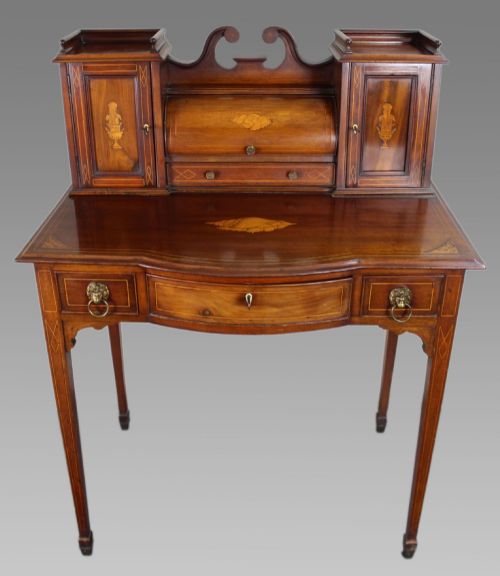
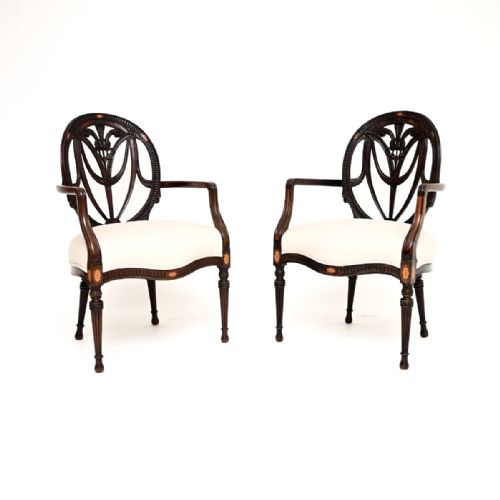
Brown Inlay Desk
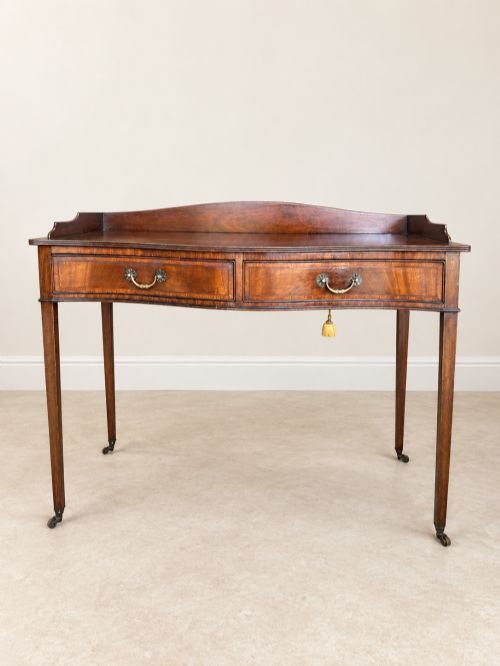
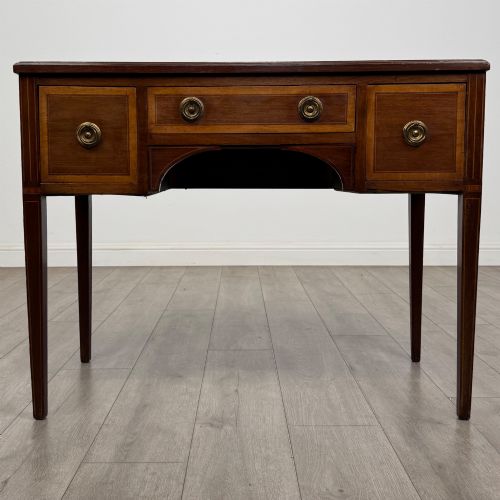
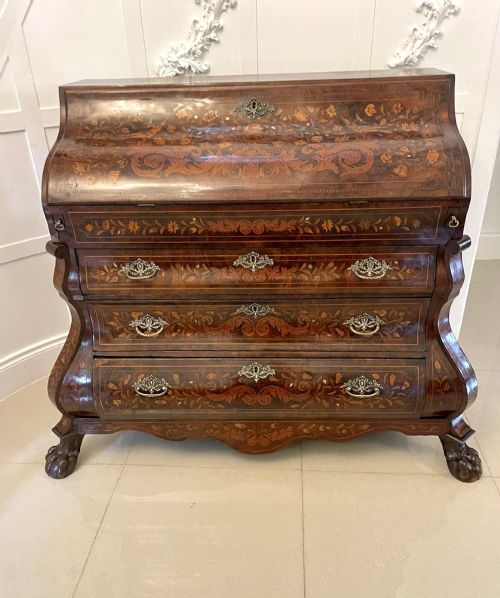
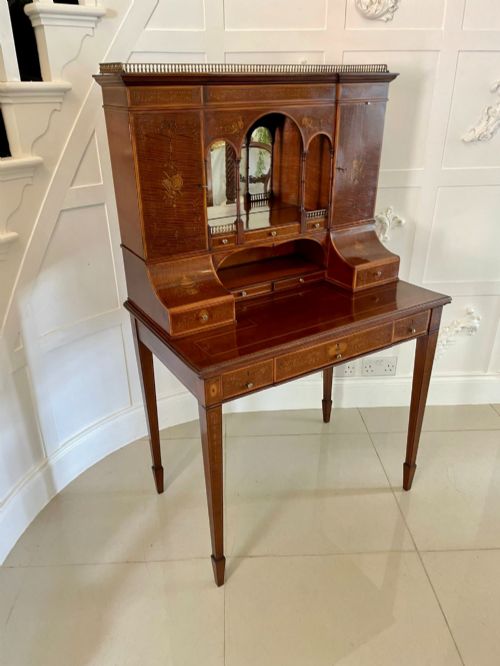
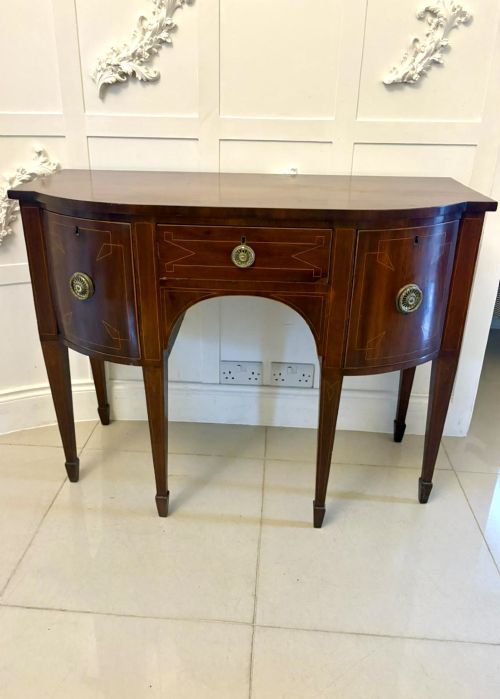
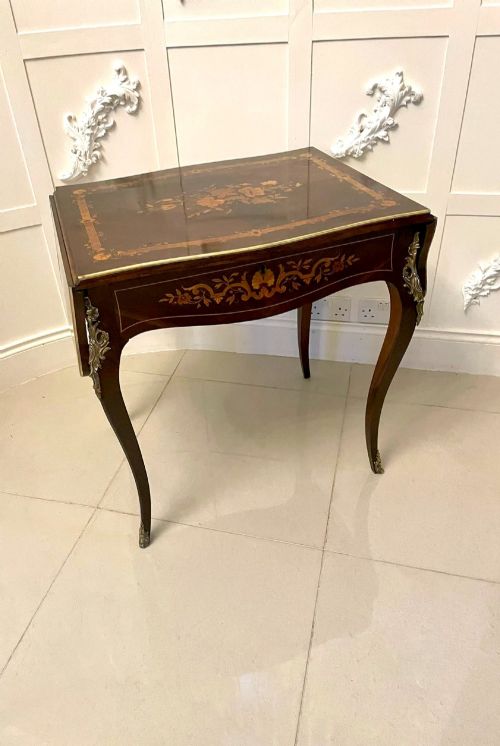
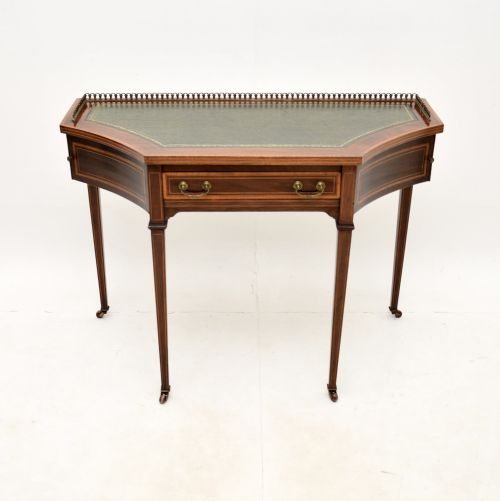
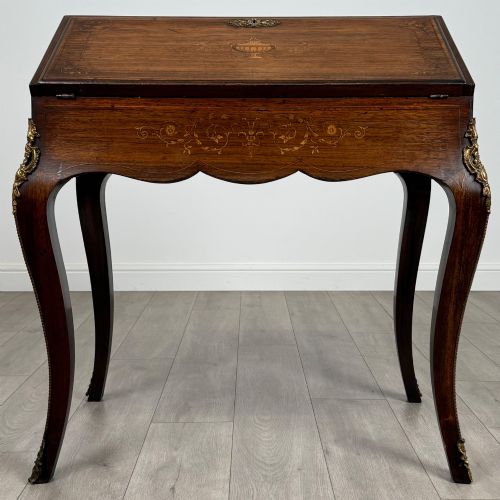
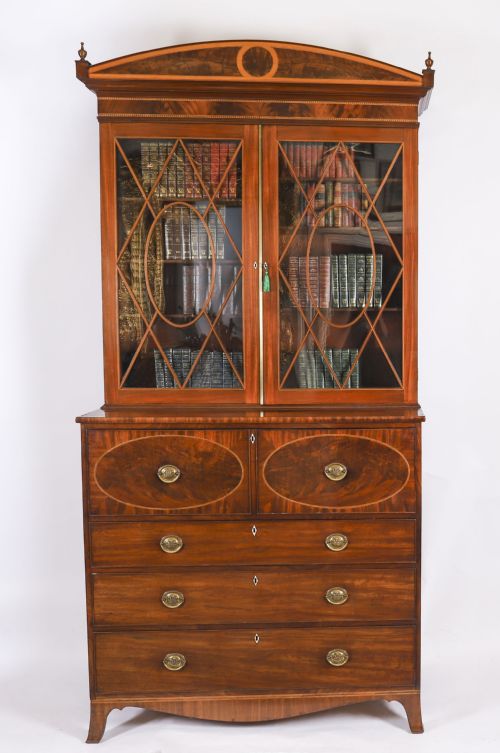
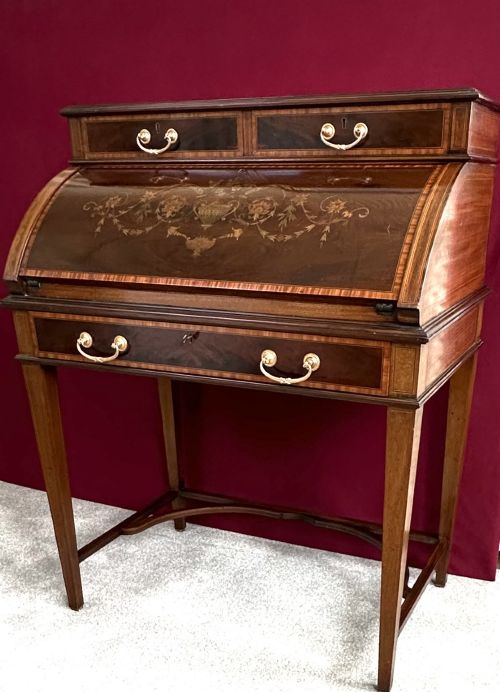
These brown inlay desk examples unite rich cabinet timbers with contrasting Tunbridge or floral banding, offering practical writing spaces defined by historic craftsmanship.
Brown Inlay Desk
A brown inlay desk brings together traditional writing furniture and meticulous surface decoration, spanning periods from the 18th century through to the Edwardian era. Buyers searching for a brown inlay desk encounter forms ranging from freestanding writing tables and cylinder desks to fall-front bureaus and pedestal writing furniture.
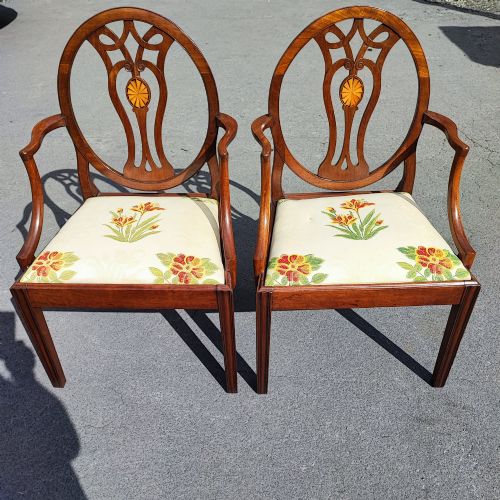
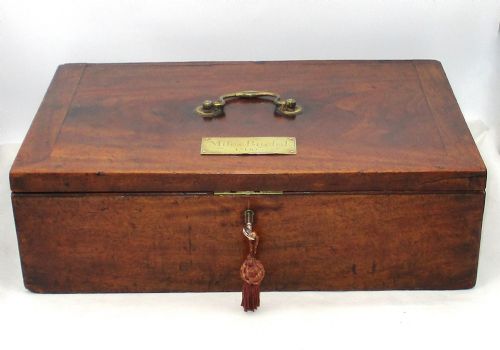
The materials recorded across these pieces rely heavily on rich brown cabinet woods such as mahogany, walnut, rosewood, and fruitwood. These timbers provide the dark ground necessary for contrasting satinwood, brass, or lighter wood inlays to catch the eye.
Originating across Georgian, Victorian, Edwardian, and continental workshops, these writing surfaces serve as functional workspaces and focal points of interior design. Surviving examples demonstrate the enduring appeal of figured grains paired with geometric or floral marquetry.
How They Were Made
Cabinetmakers constructed these pieces using solid timbers and decorative veneers applied to stable secondary woods, ensuring the carcase resisted warping over time. Flame mahogany, burr walnut, and rosewood supplied the primary brown surfaces, selected for their dramatic natural figures.
Inlay and marquetry techniques involved hand-cutting delicate pieces of contrasting wood, satinwood, brass, or fruitwood and recessing them into the primary timber. Craftsmen secured these elements with animal glue before scraping and polishing the entire surface to a smooth finish.
Listings feature mahogany, walnut, rosewood, and satinwood applied across Georgian, Victorian, and Edwardian writing furniture.
What Varies in Quality
The standard of a brown inlay desk rests on the precision of the cabinetwork and the intricacy of the surface decoration. Superior examples display tightly fitted marquetry with crisp lines, where different wood species or brass elements sit flush with the surrounding timber.
Edwards & Roberts·Maple & Co·Jackson & Graham
The Brown Inlay Desk Glossary
- Marquetry
- The art of creating decorative patterns on a wooden carcase by fitting together veneers of different woods, metals, or other materials. This technique allows for complex pictorial or floral designs across the desktop.
- Bureau
- A sloping desk that opens to reveal interior pigeonholes and small drawers, often supported on legs or a chest of drawers. These pieces hide the writing materials away when not in use.
- Satinwood
- A durable, yellow-brown timber native to Ceylon and India, prized for its lustrous sheen and used extensively for contrasting stringing and inlay. It provides the bright highlight against darker woods.
- Secretaire
- A piece of furniture containing a concealed writing drawer or fold-down writing flap disguised as a standard drawer front. This dual-purpose design maintains a clean exterior facade.
- Parquetry
- Geometric mosaic woodwork used to cover floors or furniture surfaces in repeating patterns. It differs from marquetry through its reliance on strict geometric arrangements rather than pictorial motifs.
Brown Inlay Desk: Frequently Asked Questions
How do I identify the wood used?
Examination of grain patterns, weight, and colour variation helps distinguish between mahogany, walnut, and rosewood surfaces. Comparing the primary timber with known period characteristics confirms the material.
Secondary woods inside drawers often reveal regional working methods and help date the piece accurately.
What is the difference between inlay and marquetry?
Inlay involves inserting pieces of contrasting material into carved recesses within a solid wood background. Marquetry covers the entire surface with assembled wood veneers forming a pictorial or geometric design.
Both techniques enhance brown timber surfaces but require different levels of cabinetmaking skill.
How should I care for a leather writing surface?
Historic leather inserts benefit from gentle cleaning and occasional specialist wax conditioning to prevent drying and cracking. Keeping the desk away from direct heat sources preserves the suppleness of the hide.
Avoiding excessive moisture protects both the leather and the surrounding wood veneer.
Can I use these desks for daily work?
These historical writing tables provide functional surfaces suitable for contemporary laptops and writing tasks when treated with care. Ensuring proper support prevents strain on antique joints and fragile folding mechanisms.
Using protective pads underneath heavy equipment preserves the polished finish.