



19th Century Italian Furniture
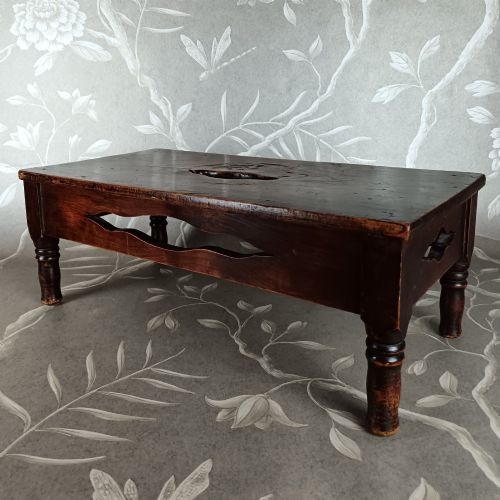
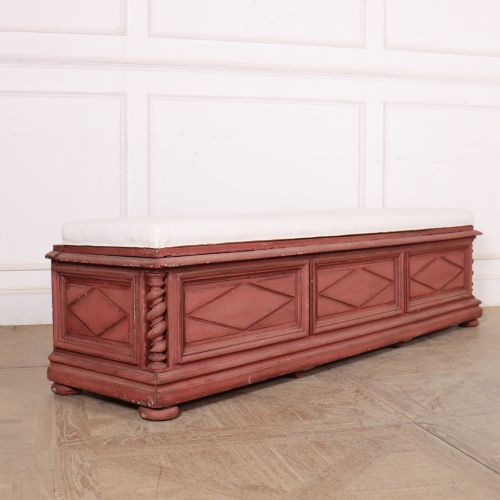
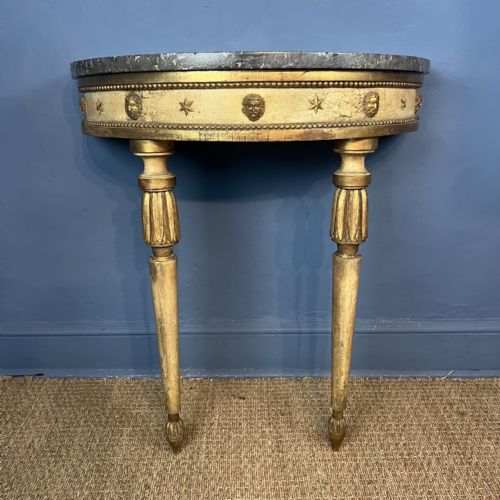
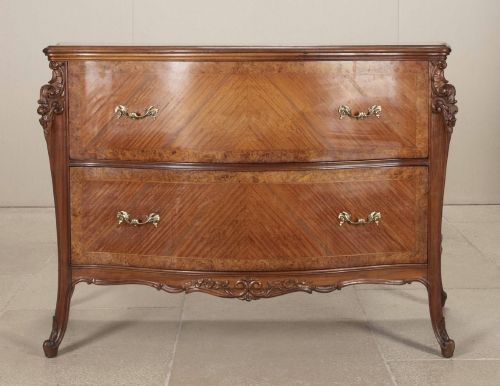
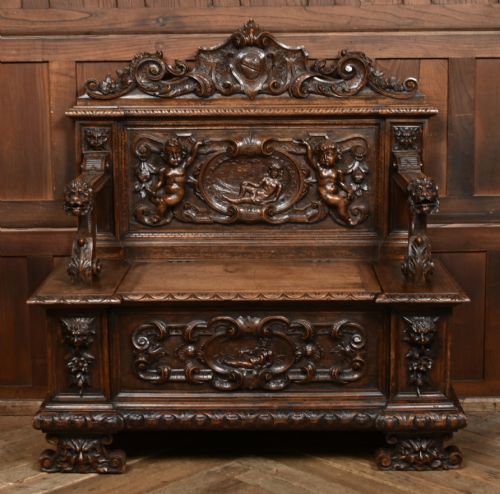
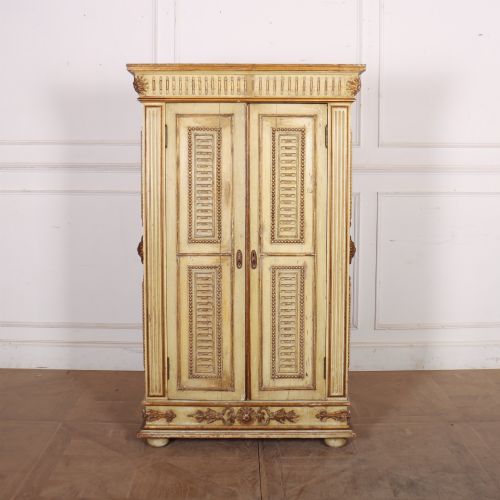
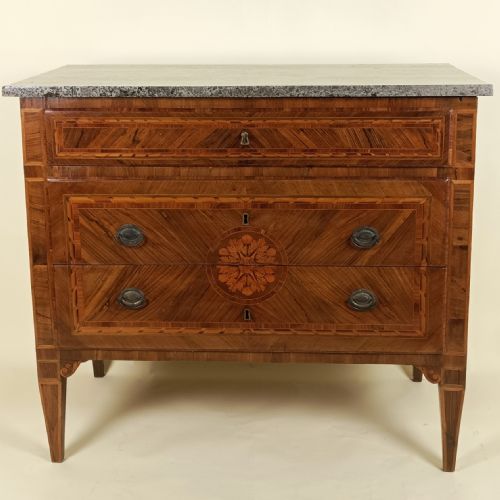
These 19th century italian furniture pieces bring grand console tables, carved walnut chests, and painted commodes into the home.
19th Century Italian Furniture
When buyers search for 19th century italian furniture, they encounter a diverse array of functional and decorative forms spanning console tables, chests of drawers, cabinets, and seating. The selection relies heavily on walnut, mahogany, and painted surfaces that reflect regional tastes from Venice, Lombardy, and Genoa.
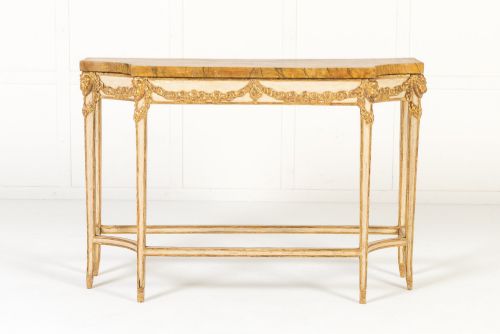
Console tables and commodes dominate the offerings, often decorated with marquetry, gilding, or elaborate carving. Buyers frequently meet pieces influenced by revival styles, including Renaissance and Neoclassical designs, alongside provincial painted items.
The period covers decades of shifting aesthetics, from early 19th century Regency influences and Empire proportions to late 19th century grotto work and intricate inlaid surfaces. Each object demonstrates the distinct craft traditions found across Italian workshops of the era.
Materials and construction
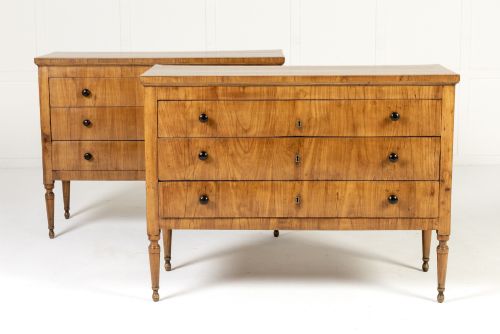
Cabinet makers utilised primary timbers such as walnut, mahogany, and satinwood, frequently employing burr walnut and rosewood veneers to create patterned surfaces on commodes and tables. Pine and other secondary woods form the structural carcases, supporting heavy marble tops and bronze mounts.
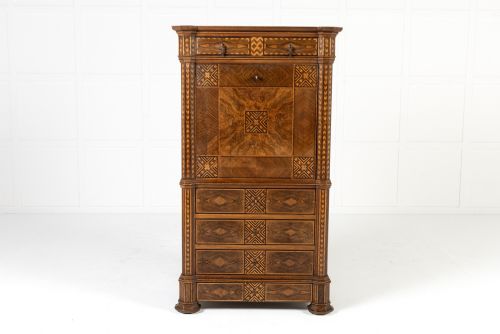
Decorative embellishments combine carved gesso, gold leaf, and polychrome paintwork, particularly on Venetian sofas, cabinets, and console tables. Inlaid works utilise Sorrento techniques, setting geometric and pictorial marquetry into the timber base.
Structural joinery aligns with traditional cabinet making methods of the period, incorporating hand-cut dovetails for drawer construction and pegged joints for large tables and benches.
19th Century Italian Furniture Retail Price Guide 2026
Typical asking prices for 19th century italian furniture among the pieces listed under this phrase on Sellingantiques today, from the lower quarter to the upper quarter. They describe what is for sale here now, not the wider market.
Periods represented span from the early 19th century through the Regency era to the late 19th century revival movements.
Assessing quality
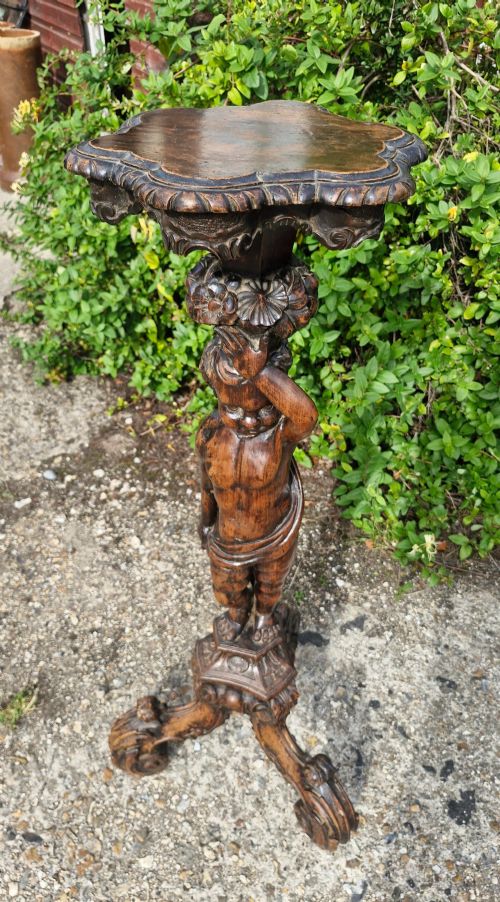
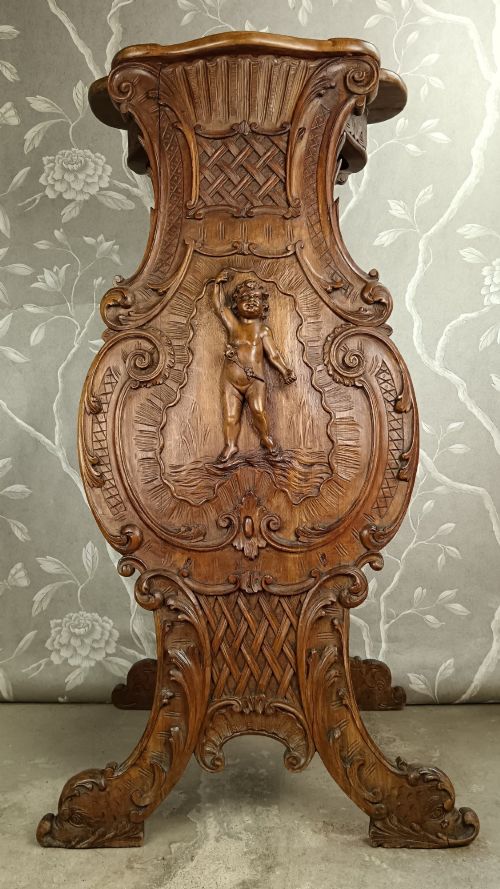
The distinction between ordinary and superior pieces rests on the crispness of the carving and the complexity of the timber selection. Master carvers produced deep, undercut foliage and figurative elements that demonstrate anatomical precision and confident tool handling.
Surface finish dictates much of the visual appeal, separating standard painted decoration from finely executed polychrome work featuring detailed Venetian scenes or intricate marquetry panels. Original gilding, intact gesso, and well-preserved pietra dura elements elevate an object's standing.
Proportion and architectural harmony distinguish regional workshop output, where balanced console tables and commodes display careful attention to scale, symmetry, and hardware integration.
Peters of Genoa·Adriano Brambilla·Almerico Gargiulo
The 19th Century Italian Furniture Glossary
- Cassapanca
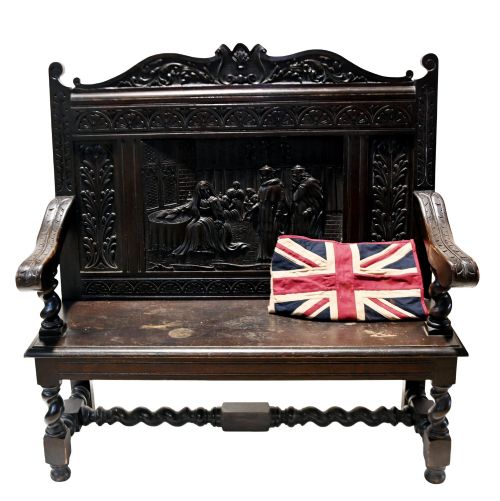
- A traditional Italian wooden bench featuring a storage box beneath the seat and often equipped with a high back and armrests. These pieces served dual functions in grand halls.
- Commode
- A low chest of drawers, frequently finished with decorative veneers, marble tops, or painted panels. They gained prominence in formal reception rooms.
- Gesso
- A plaster-like preparation applied to wood surfaces as a base for painting or gilding. It allows for intricate relief moulding before the application of gold leaf.
- Marquetry
- The art of applying thin slices of wood and other materials to a structural panel to form decorative patterns. Italian makers used various exotic timbers to create pictorial scenes.
- Pietra Dura
- An inlay technique utilising cut and fitted polished coloured stones to create images. Cabinets and tabletops from this tradition display exceptional mineral work.
- Torchere
- A tall stand designed to support a candle or light fixture. Examples often take carved figurative forms such as blackamoor figures.
19th Century Italian Furniture: Frequently Asked Questions
How do I identify regional Italian styles?
Regional identification relies on observing the distinct decorative vocabularies and material choices associated with specific Italian cities and provinces. Venetian pieces frequently display polychrome paintwork, figures, and elaborate gesso, while Lombardy works often highlight fine marquetry.
Craftsmen in Sorrento focused on intricate wood inlay techniques for tables and small furniture, whereas northern workshops leaned towards carved walnut and neoclassical proportions. Comparing the ornamental motifs against known regional traditions clarifies the geographic origin.
Where were these pieces used originally?
Grand townhouses, palazzos, and villas across Italy housed these furnishings in formal reception rooms, entrance halls, and private chambers. Console tables lined salon walls beneath large mirrors, while cassapancas occupied spacious entryways for seating and storage.
Cabinets and commodes functioned as storage and display surfaces for valuables in drawing rooms. Seating arrangements, including settees and window seats, furnished domestic spaces designed for entertaining visitors.
What is grotto furniture?
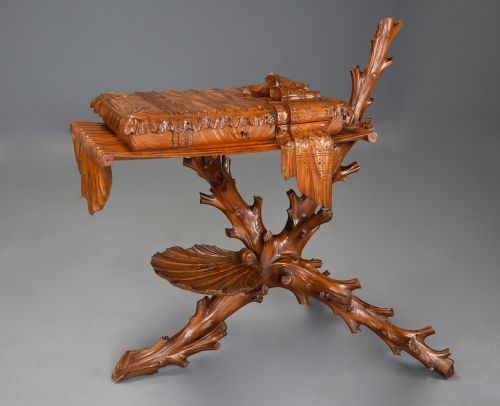
Grotto furniture is a specific late 19th century revival style that incorporates naturalistic aquatic and shell motifs into carved wooden pieces. Makers shaped pine and other timbers to resemble coral, rocks, and marine life.
These whimsical items were designed for garden rooms, conservatories, or specialised interior spaces inspired by Renaissance grottoes. The carved surfaces often received paint or specialised finishes to enhance the organic appearance.
How should I care for antique walnut furniture?
Maintaining 19th century walnut requires stable indoor humidity levels and protection from direct sunlight to prevent timber drying and veneer separation. Regular dusting with a soft, dry cloth preserves the polished surface without the need for heavy chemical polishes.
Applying microcrystalline wax periodically feeds the wood and protects the historical patina. Care must be taken around carved elements and giltwood sections to avoid damaging delicate raised details.