

Antique Tall Bureau
An antique tall bureau brings vertical presence and a drop-down writing surface to a room, combining storage with a compact desk.
Antique Tall Bureau
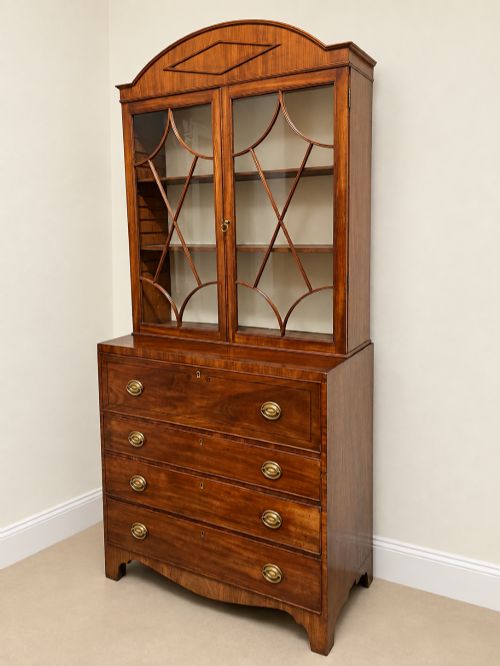
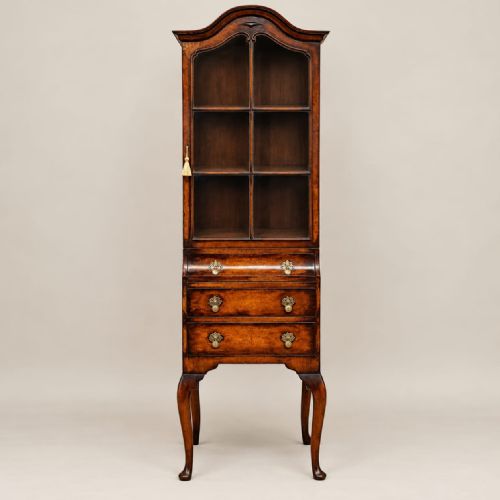
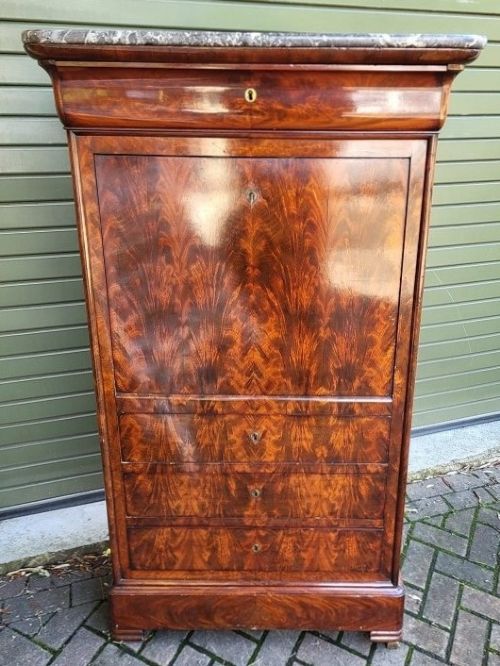
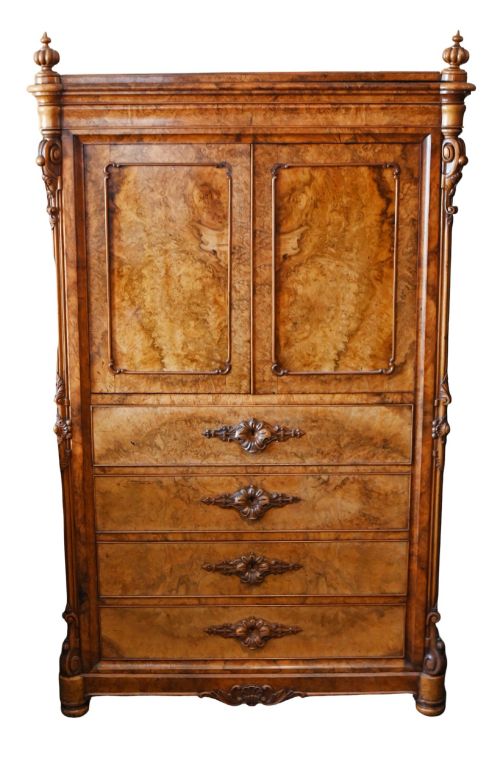
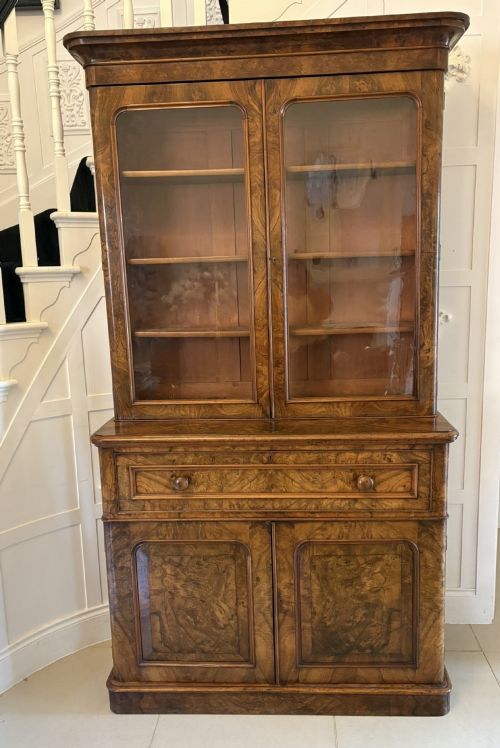
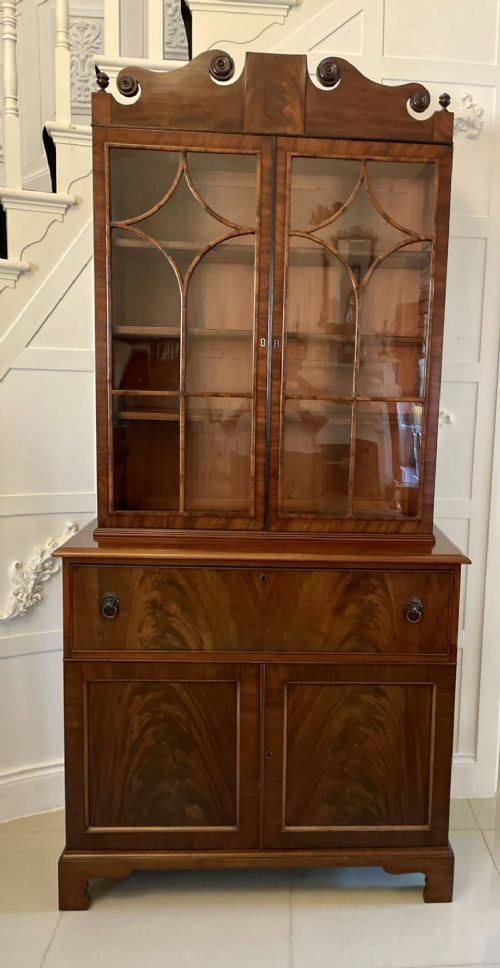
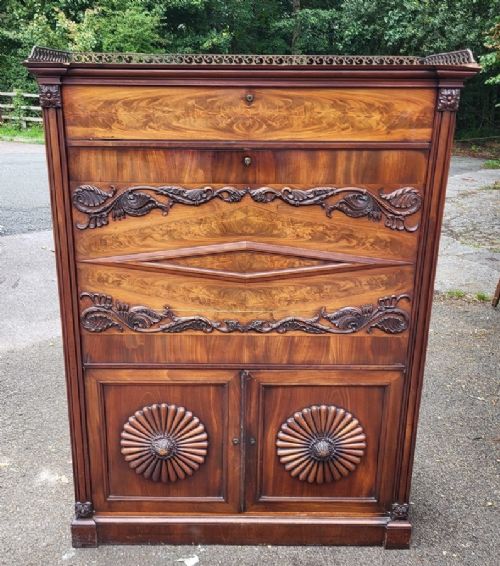
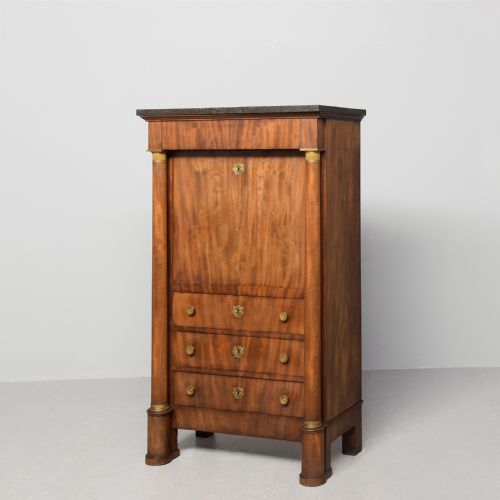
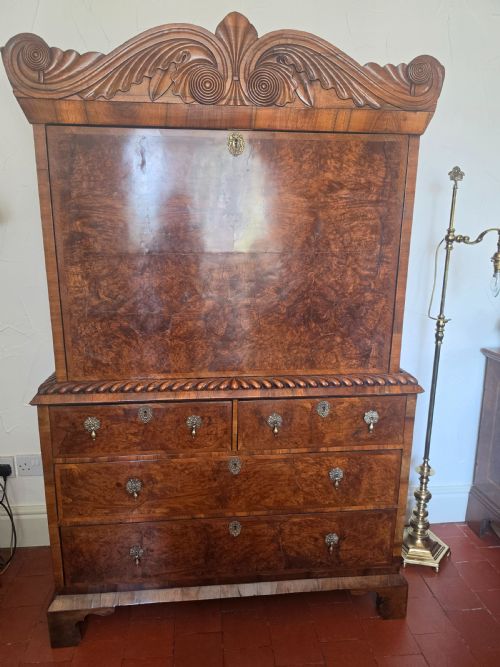
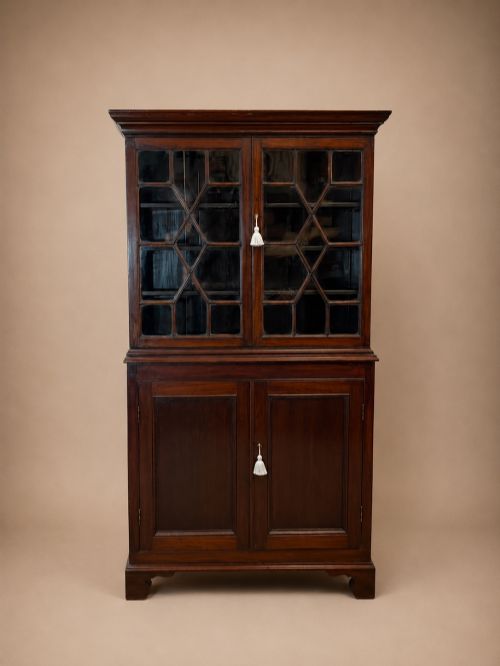
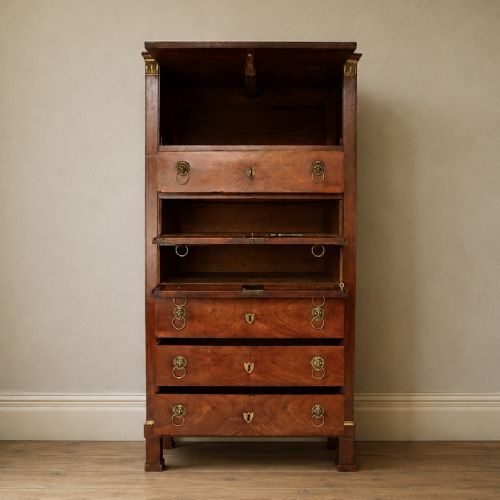
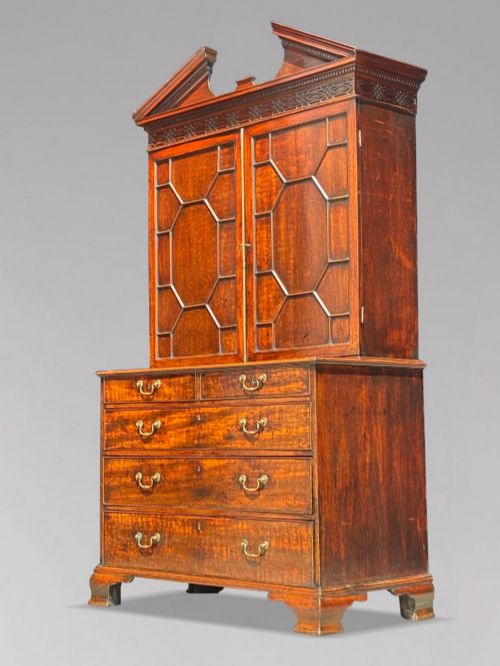
An antique tall bureau encompasses tall case furniture designed for writing and storage, frequently appearing as secretaire bookcases, abattants, and tallboys across this selection. These pieces originate from periods spanning the eighteenth century through the Edwardian era, with Georgian and nineteenth-century examples forming the core of the available options.
Buyers encounter variations ranging from straightforward oak clerks' desks to elaborate walnut and mahogany escritoires fitted with glass doors or marble tops. The vertical format allows these writing cabinets to occupy minimal floor space while providing substantial storage within drawers and upper shelving.
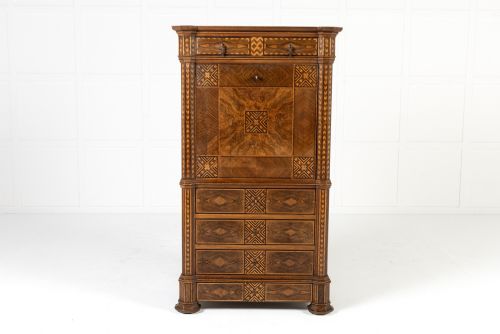
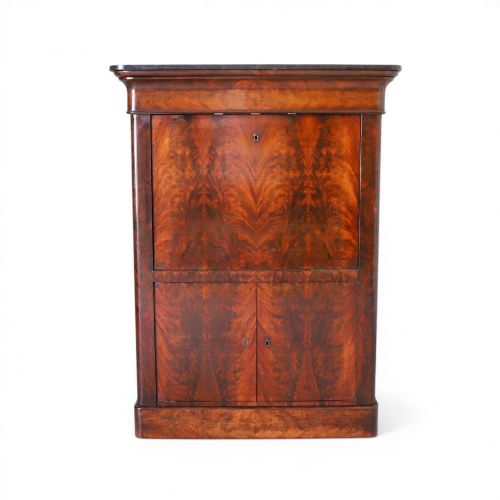
Stylistic influences stretch across English regional workshops and continental European traditions, including French Empire, Biedermeier, and Italian marquetry pieces. Each variation reflects the prevailing tastes of its period, from simple geometric fronts to highly figured timber veneers.
Materials and construction methods
Cabinetmakers utilised dense hardwoods such as mahogany, walnut, and oak as the structural foundation for these tall writing desks, often applying flame mahogany, burr walnut, kingwood, or tulipwood veneers to primary display surfaces. These timbers were selected for their pronounced grain patterns and stability over time.
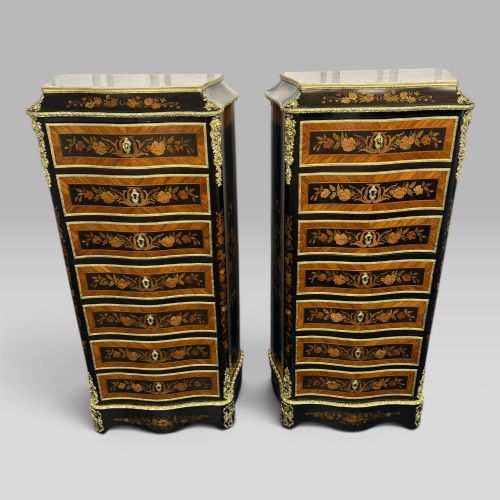
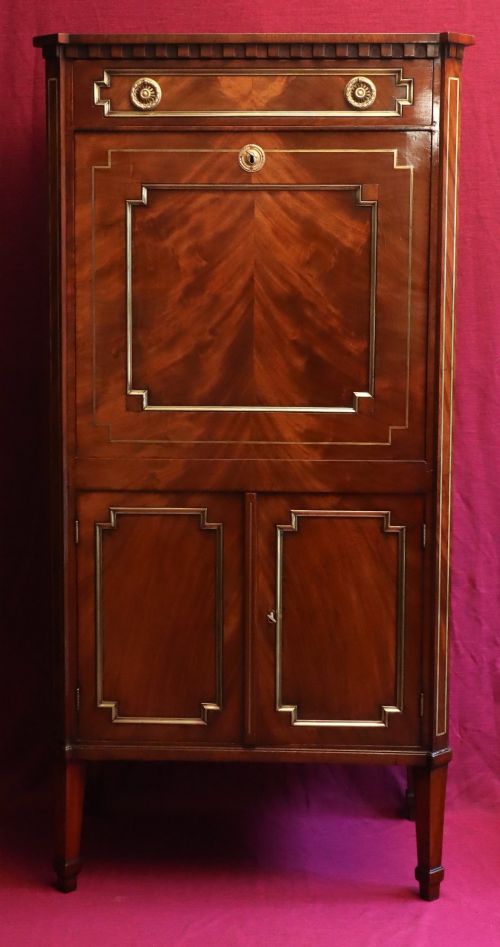
Secondary decorative elements include hand-cut marquetry, Ormolu mounts in brass and bronze, and inset marble tops on continental secretaire abattants. Glazed upper sections utilise timber framing with individual glass panes, while interior compartments often incorporate secret drawers concealed behind sliding partitions or dummy book spines.
Antique Tall Bureau Retail Price Guide 2026
Typical asking prices for tall bureau among the pieces listed under this phrase on Sellingantiques today, from the lower quarter to the upper quarter. They describe what is for sale here now, not the wider market.
Secret compartments inside these desks often required pressing hidden wooden springs to release unexpected miniature drawers.
Distinguishing quality in tall bureaux
The distinction between standard examples and the finest pieces rests upon the precision of the cabinetwork and the selection of timber veneers. Superior examples display continuous, book-matched grain across drawer fronts and fall-front writing surfaces, demonstrating careful planning by the maker.
Internal architecture dictates the upper tier of quality, observed in tightly fitted pigeonholes, secret compartments that operate smoothly, and dovetail joints executed with fine accuracy. The integration of bronze or brass hardware and the crispness of marquetry inlay further separate utilitarian workspace furniture from high-status reception pieces.
THOMAS CHIPPENDALE
The Antique Tall Bureau Glossary
- Secretaire à abattant
- A tall vertical cabinet featuring a hinged fall-front writing flap that conceals an interior fitted with small drawers and pigeonholes.
- Escritoire
- An early form of writing cabinet, typically elevated on legs or built as a tall chest, housing a drop-front writing surface.
- Marquetry
- The art of applying decorative pieces of veneer to a structure to form intricate geometric or pictorial designs.
- Ormolu
- Gilded bronze or brass mounts applied to furniture for decorative enrichment, common on continental European pieces.
- Astragal glazed
- Glass cabinet doors divided into smaller panes by narrow wooden moulding strips called glazing bars.
Antique Tall Bureau: Frequently Asked Questions
What is a tall bureau?
A tall bureau is a vertical piece of furniture that combines a vertical storage cabinet or bookcase with a fold-down writing desk.
These units provide a dedicated writing surface that can be closed up when not in use, hiding internal paperwork and small compartments.
How do I use a drop-front desk?
The front panel hinges downward to create a horizontal writing shelf, supported by internal wooden brackets or sliding arms.
Opening this flap grants access to the internal drawers and pigeonholes used for organising correspondence and stationery.
How do I date an antique bureau?
Dating relies on identifying the construction timbers, hardware types, and stylistic decorative details characteristic of periods like the Georgian era or the nineteenth century.
Secondary woods inside drawers and the method of dovetailing also offer clear physical indicators of the decade of manufacture.
Where should I place a tall bureau?
Because of their height and vertical proportions, these pieces suit studies, libraries, or living rooms where floor space is limited.
Ensure adequate clearance in front of the unit so the drop-down writing flap can open fully without obstruction.