


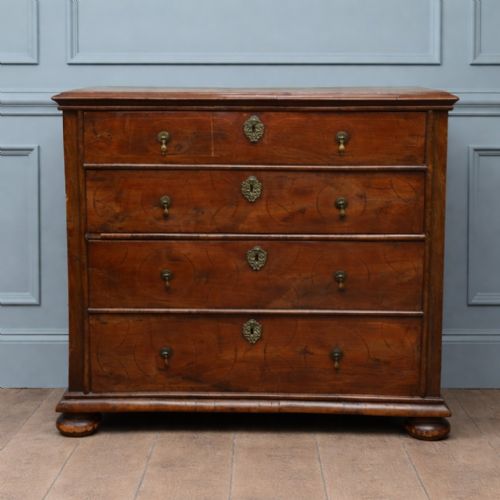


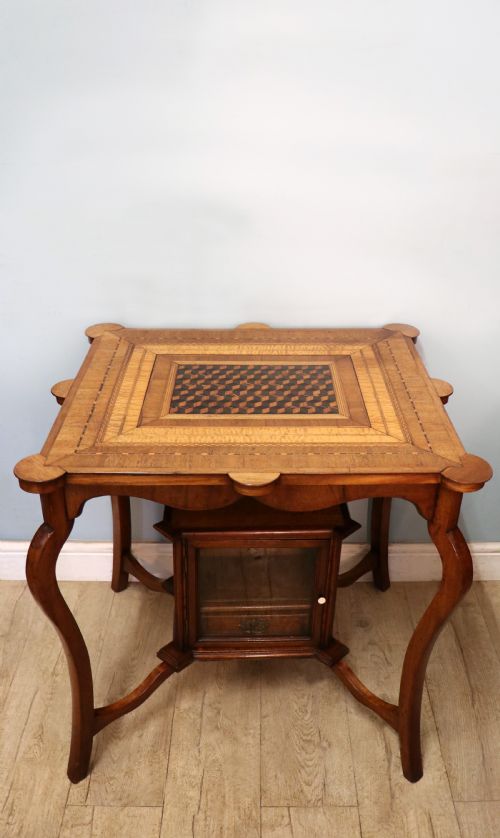


Antique Geometric Inlay Cabinet
These antique geometric inlay cabinet pieces offer intricate patterned woodwork and practical storage, bringing centuries of craftsmanship into your home.
Antique Geometric Inlay Cabinet
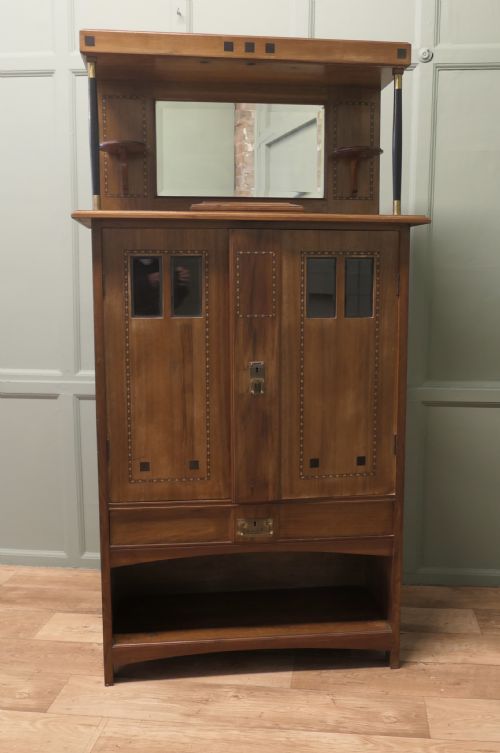
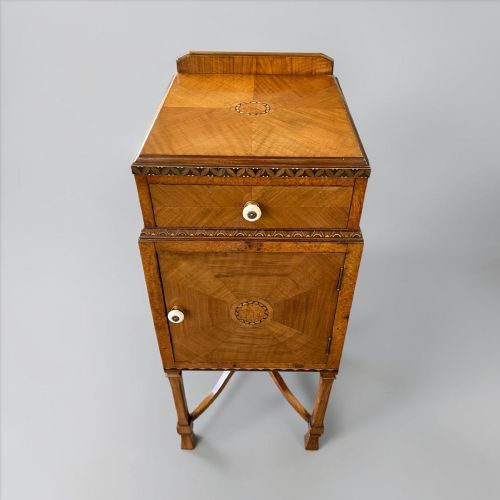
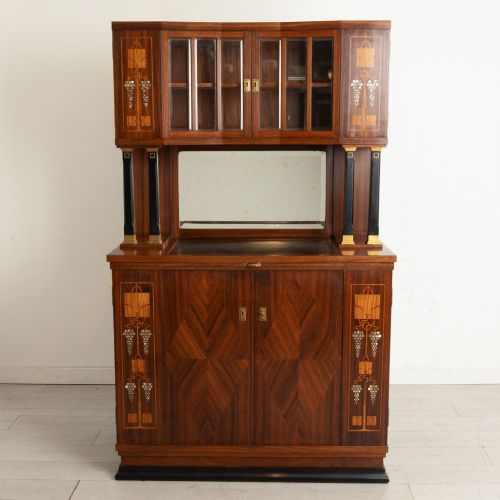
An antique geometric inlay cabinet combines functional storage with precise, patterned surface decoration created using contrasting woods and materials. When you search for an antique geometric inlay cabinet, you encounter forms ranging from cocktail display cabinets and bedside tables to sideboards, chests of drawers, and cupboards.
The pieces spanning this selection cross multiple eras, including the seventeenth century, Victorian period, and twentieth-century movements like Art Deco and Secessionist design. You are most likely to meet walnut and oak constructions featuring intricate fruitwood, snakewood, bone, and mother-of-pearl detailing.
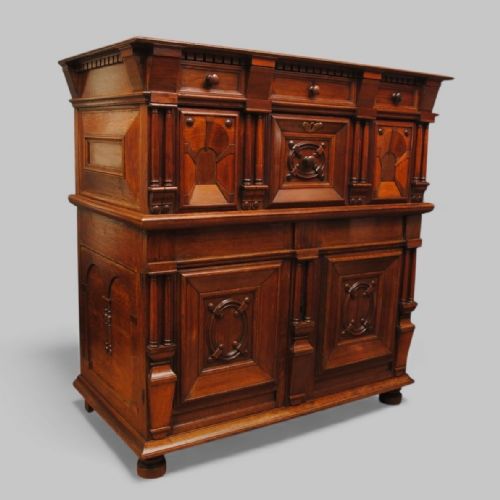
Origins stretch across Britain, France, Austria, and Holland, reflecting diverse regional interpretations of patterned woodwork. From William and Mary chests to Viennese Secessionist display cabinets, each piece serves as both a functional item and a showcase of decorative joinery.
How they were made
Construction relies on solid timbers such as oak, walnut, mahogany, and rosewood forming the primary carcase and structural framework. Artisans then meticulously fitted small segments of contrasting woods, bone, and mother-of-pearl into recessed channels to form precise geometric patterns.
Surface embellishment often includes fruitwood and snakewood decoration, alongside brass hardware and glass panels for display sections. Joinery techniques varied from seventeenth-century moulded fronts to serpentine curves in later Art Deco interpretations, balancing structural integrity with decorative display.
Listings span the seventeenth century to nineteen-thirty, incorporating walnut, oak, rosewood, bone, and mother-of-pearl across various cabinet forms.
What varies in quality
The precision and tightness of the inlaid geometric motifs distinguish finer examples from simpler provincial work. Clean junctions between contrasting materials like bone, mother-of-pearl, and various woods demonstrate superior cabinetmaking skill.
The choice of primary timber and secondary veneers also dictates the overall standard, with rich figured walnut and dense rosewood commanding greater visual depth. Furthermore, the integrity of the original hardware, glass, and structural carcase preserves the historical authenticity of each piece.
August Ungethüm
The Antique Geometric Inlay Cabinet Glossary
- Inlay
- A technique where pieces of a contrasting material are inserted into a recessed matrix on a wooden surface to form a pattern. This method creates a smooth, flush decorative exterior.
- Secessionist
- A stylistic movement originating in central Europe around nineteen hundred that rejected historicism in favour of geometric abstraction and clean lines. Pieces from this tradition often feature bold, linear patterns.
- Serpentine
- A curved line shape that swells outward and curves inward, frequently seen on the fronts of eighteenth and twentieth-century sideboards and chests. This contour requires advanced woodworking skill to execute properly.
- Fruitwood
- Dense, fine-grained timber sourced from fruit-bearing trees, traditionally utilised for contrasting details and marquetry. Its uniform texture allows for precise shaping in intricate geometric designs.
- Snakewood
- A heavy, durable timber featuring distinct mottled markings resembling snakeskin, used for decorative contrast in period cabinetmaking. It provides striking visual accents against lighter woods.
Antique Geometric Inlay Cabinet: Frequently Asked Questions
What periods do these cabinets span?
The pieces cover a broad chronological range from seventeenth-century oak and walnut items up through Victorian, Edwardian, and nineteen-thirties Art Deco examples.
This variety means you can find seventeenth-century geometric chests alongside sleek twentieth-century Secessionist cocktail cabinets.
What materials appear in the inlay work?
Craftspeople utilised a diverse mix of materials to create contrasting patterns, including fruitwood, snakewood, walnut, rosewood, bone, and mother-of-pearl.
Brass hardware and glass panels frequently accompany these wooden elements on display cabinets and cupboards.
How do I place one in a modern room?
These cabinets function well as focal storage points in living rooms, dining areas, or bedrooms, serving as bedside tables, sideboards, or display cases.
Their distinct geometric patterns complement minimalist interiors by adding texture and historical character without overwhelming the space.
How do I distinguish seventeenth-century pieces from later styles?
Seventeenth-century examples typically feature heavier oak and walnut carcases with moulded fronts and simpler rectilinear geometric decoration.
Later Victorian and Art Deco pieces introduce lighter exotic woods, brass fittings, serpentine contours, and more fluid Secessionist influences.